

An Experimental Study on Water Curtain Cooling and Infrared Concealment Effects
https://doi.org/10.1007/s11804-025-00664-x
-
Abstract
The water curtain spray system of the ship helps reduce surface thermal load and lowers thermal infrared radiation, notably enhancing the stealth and survivability of naval ships. The performance of the water curtain spray system is largely influenced by the density of the nozzles and their installation height. Therefore, a test platform was established to investigate these critical influencing factors, employing an orthogonal design methodology for the experimental study. Specifically, the study evaluated the effects of varying distances to the steel plate target and different injection heights on the cooling performance of the system. Results demonstrate that using one nozzle per 4 square meters of the ship's surface area effectively lowers the surface temperature, bringing it closer to the ambient background temperature. This nozzle configuration creates irregular infrared heat patterns, which complicate the task for infrared detectors to discern the ship's outline, thus enhancing its infrared stealth. Additionally, maintaining the nozzle installation height within 0.6 m to prevent the temperature difference between the steel plate and the background temperature from exceeding 4 K. Moreover, as the infrared imaging distance increases from 3 to 9 m, the temperature difference measured by the thermocouple and the infrared imager increases by 141.27%. Furthermore, with the increase in infrared imaging distance, the infrared temperature of the target steel plate approaches the background temperature, indicating improved detectability. These findings have significantly enhanced the stealth capabilities of naval ships, maximizing their immunity to infrared-guided weapon attacks. Moreover, their importance in improving the survivability of ships on the water surface cannot be underestimated.Article Highlights● The optimal nozzle layout density was determined, achieving near-ambient surface temperatures and creating irregular thermal patterns that obscure the ship's outline in infrared detection.● The nozzle installation height was limited, ensuring the ship-to-background temperature difference remains below the critical threshold for evading infrared detection systems.● The infrared shielding effect of water curtains was investigated, revealing their significant role in reducing the ship's infrared signature and enhancing its stealth capabilities. -
1 Introduction
Naval ships typically emit infrared radiation in the 8–14 μm wavelength range, making it crucial for achieving concealment within this spectrum. To accomplish this, a common approach is the implementation of water curtain spraying technology on the surface of the ship. This method involves directing water jets onto the surface to achieve cooling effects while forming a water curtain around the ship. The water curtain effectively conceals its surface radiation, reducing the likelihood of detection by infrared-guided weapons.
The primary function of water curtain spraying is to effectively lower the surface temperature of the ship's deck, bringing it closer to the temperature of the surrounding sea surface. Additionally, this technique creates a water film on the surface of the ship, increasing the similarity between the ship's infrared emissivity and that of the sea surface. Consequently, this enhanced similarity poses challenges for infrared detectors in identifying the ship. Researchers have conducted studies on the cooling characteristics of the water curtain to investigate the cooling effects of water curtain spraying, improve its cooling capabilities, and minimize the operational energy consumption of the system.
Lee et al. (2011) investigated the effect of cooling water temperature on the quenching efficiency of high-temperature steel plates. They used a test block assembly equipped with a heat flux meter to measure the distribution of heat flux on the surface. The experimental results indicated that as the cooling water temperature decreased, the heat transfer coefficient increased, leading to a more rapid reduction in surface temperature. Zhang et al. (2013) conducted continuous and intermittent spray cooling heat transfer experiments on a flat surface to examine the effects of spray period, duty cycle, and spray time. Their findings revealed that continuous spray cooling resulted in notably higher heat flux density and heat transfer coefficient compared to intermittent spray cooling. However, intermittent spray cooling exhibited higher unit water heat dissipation and a more effective heat transfer coefficient than continuous spray cooling. Fu et al. (2015) performed experimental research on spray cooling of high-temperature steel plates, using inverse heat transfer analysis to calculate the surface heat transfer coefficient, temperature distribution, heat flux density, and cooling rate. They analyzed the effect of the spray inclination angle on the cooling rate and found that when the spray angle relative to the steel plate was 30°, the critical heat flux density and the average cooling rate of the steel plate reached their maximum values. Jha et al. (2016) replaced the pure water curtain spray with air-assisted atomized spray and investigated heat transfer on a static surface. They found that, in cases where the air-assisted atomized spray produced finer water droplets, an increase in water flow velocity had the most notable effect on the cooling rate. Hadipour et al. (2020) designed a pulse spray water cooling system and compared its performance with a constant flow spray cooling system. They discovered that, for the same cooling effect on the target, the pulse spray system reduced water consumption to one-ninth of that required by the constant flow cooling system. Vaitekunas and Aleksandrov (2018) evaluated the transient performance of compartment-activated ship water cooling systems using the ShipIR/NTCS technique. Their study included a laminar water film convection model to simulate the cooling effects of the activated water spray. Riaz et al. (2022) conducted experimental research to compare the cooling efficiency of hybrid nanofluid spray with that of water spray cooling. Their findings revealed that the cooling efficiency of the hybrid nanofluid spray was more than twice that of the water spray cooling.
The shielding effect of the water curtain system on the thermal characteristics of a ship's hull is primarily attributed to the absorptive and scattering properties of the water droplets. Researchers have investigated the mechanisms involved in water mist generation by the nozzles to elucidate the capability of the water curtain to suppress infrared radiation from heat sources. Furthermore, based on Mie theory, extensive studies have been conducted to explore the infrared shielding characteristics of water curtains. In the 1970s, Carlon (1970) discovered that the aerosol form of liquid water exhibits drastically higher infrared radiation capability in the 8–13 μm wavelength range compared to water vapor. Furthermore, the aerosol form of liquid water demonstrates a pronounced absorption effect on infrared radiation. Robert et al. (1976) conducted an analysis using two sets of data to assess the absorption effects of atmospheric water content on infrared radiation in the 8–12 μm wavelength range. They proposed improvements to the LOWTRAN atmospheric model, which was then used to model continuous water vapor absorption in the 8–12 μm infrared window region. Tseng and Viskanta (2007) applied Mie theory and radiation transfer theory to develop an empirical equation for accounting for the radiation transfer of water mist curtains in computational fluid dynamics (CFD) simulations. Voytkov et al. (2021) studied changes in droplet size and velocity in water curtains under different levels of radiation power. Based on their experimental results, they concluded that the droplet diameter should range from 0.15 to 0.6 mm when the water flow rate in the water curtain is between 0.5 to 1 L/(m2·s). Otherwise, the efficiency of the water curtain can be reduced to one-third to one-half of its original value. Morales et al. (2022) developed a mathematical model to describe the atomization process of molten metal spray, which was used to predict the velocity characteristics of water droplets and carrier gases in a flat fan-shaped spray pattern. Kapilavai et al. (2012) conducted experimental tests and numerical simulations on the flow field of a corona nozzle, analyzing the flow structure, unsteady characteristics, and static pressure distribution. They also summarized the spray performance of the corona plug nozzle under various operating conditions. Atmaca et al. (2021) investigated the spray characteristics of nozzles with different geometric shapes using CFD simulations, comparing their flow rates, velocities, and pressures. Their study revealed that circular nozzles exhibited the best performance, while square and triangular nozzles demonstrated relatively inferior performance. Buchlin (2005) studied the performance of water curtains through model development, laboratory experiments, and on-site product testing. He found that vertically downward water curtains achieved 50%–75% infrared radiation attenuation, while water curtains impinging on a wall could attenuate up to 90% of infrared radiation. However, in subsequent research, Buchlin (2017) noted that while wall-impinging water curtains offered better performance, they could also double the water consumption. Similarly, Parent (2006) used simulation and experimental techniques to examine the effect of water mist on radiation attenuation, determining that the lateral movement of monitoring devices had a larger impact on changes in infrared radiation attenuation. Boulet (2006) confirmed the attenuating effect of droplets on full-spectrum infrared radiation through various experimental configurations, ranging from single to multiple nozzles.
In practical applications, corner areas of ship superstructures and other regions with holes, crevices, or similar structural features are prone to accumulating "air nuclei". The presence of air in these areas can reduce the effectiveness of spray water coverage, leading to insufficient heat exchange with the steel plate in these regions and ultimately diminishing the overall performance of the water curtain. The interaction of bubbles and the transfer of energy are crucial to the efficacy of water curtain spraying. Researchers such as Zhang have extensively explored the formation, rupture, and environmental impact of bubbles in this context (Zhang, 2023; Cui, 2021).
The above research presents key findings on water curtain cooling and its shielding properties. The research includes experimental investigations into different spraying methods (continuous and intermittent spraying), spray inclination angles, spray periods, and other factors. Additionally, the studies examine the effectiveness of the water curtain system in shielding the thermal characteristics of ships. These studies have uncovered a remarkable phenomenon: increasing the thickness of the water film, enhancing the flow rate of the water film, and reducing the radius of water mist particles all contribute effectively to improving infrared stealth. However, certain challenges in directly applying these microscopic experimental results to practical ship engineering and the layout of infrared stealth systems are encountered. These challenges are primarily due to the difficulty in precisely controlling microscopic water films and curtains in actual operations. Accordingly, this paper provides a comprehensive analysis of the layout strategy for ship water curtain nozzles, considering the coverage range of the water curtain under different layout schemes, the cooling effect of the spray on steel plates, and its shielding effect against infrared radiation. This in-depth examination is crucial for translating theoretical findings into practical engineering solutions that can be effectively implemented in the design and deployment of infrared stealth systems for naval ships. Additionally, infrared imaging is used to compare the surface temperatures of the target with the surrounding environmental temperatures, thus validating the effectiveness of the water curtain in achieving invisibility. This validation is crucial for identifying areas for system optimization and improving its performance.
2 Experimental platform construction
2.1 Experimental system
The schematic of the experimental setup is shown in Figures 1 and 2. The system comprises the following: a water tank, variable frequency booster pump, filter, flow control valve, flow meter, temperature sensor, ship nozzle, target steel plate, infrared thermal imager, and computer. The pressure range provided by the variable frequency booster pump is 0 – 0.7 MPa. The test water system is an open water spray system. Figure 2 specifically shows the following: 1-water supply tank; 2-nozzle assembly; 3-water system; 4-water pipe; 2_a-nozzle; 2_b-adjustable bracket; 3_a-variable frequency booster pump; 3_b-valve; 3_c-flow meter; 3_d-pressure gauge.
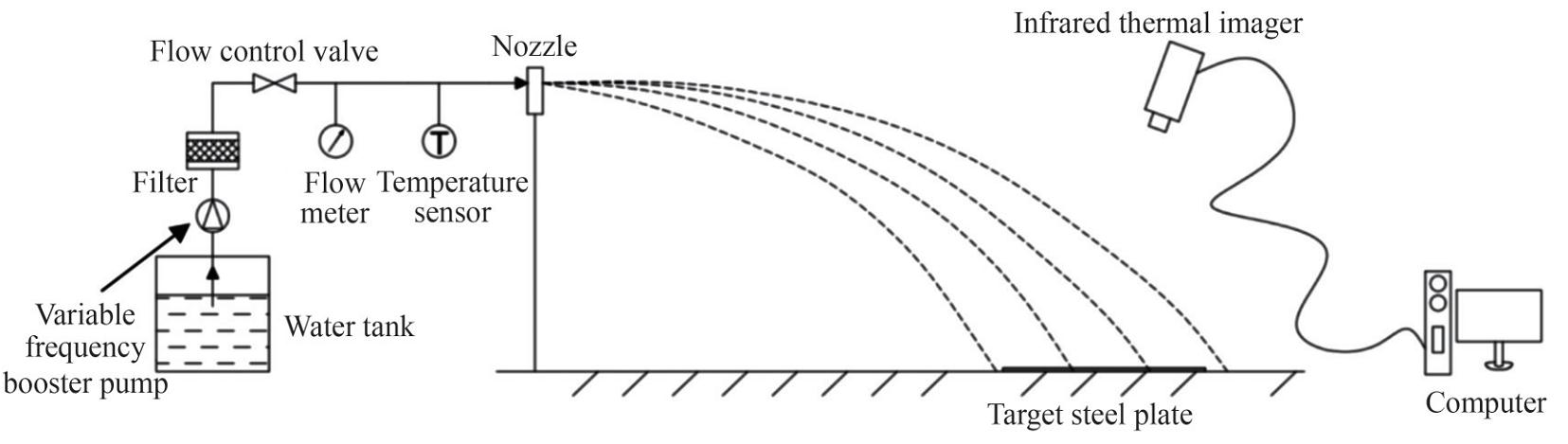 Figure 1 Schematic of the principle for the experimental setup
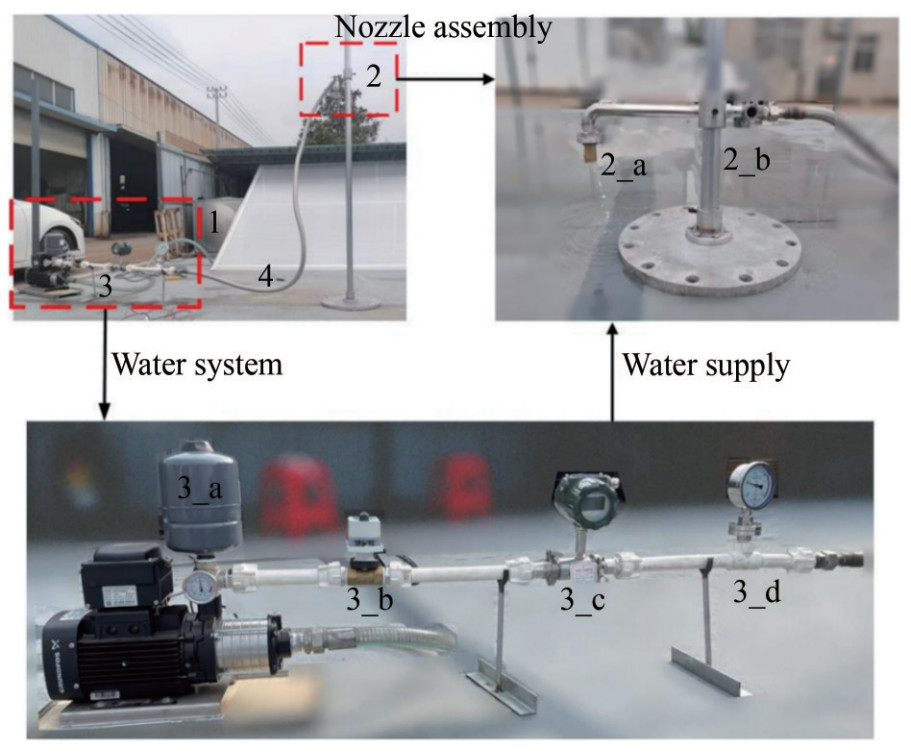 Figure 2 Schematic of the experimental setup
2.2 Main measuring equipment and their operational principles
In this experiment, a fixed infrared thermal imager and a K-type contact electronic thermometer were used to measure the temperature of the target steel plates. The infrared imager had a spectral range of 7.5 ‒ 14 μm, allowing for noncontact measurement of the surface temperature distribution of the target object. The K-type contact electronic thermometer, with a temperature range of −50‒1 300 ℃, provided localized temperature readings by directly contacting the target object. The use of these instruments eliminated the need for lens replacement or optical system adjustments during the measurement process, ensuring measurement system stability and improving the accuracy of the experimental data.
3 Experimental study on spray cooling characteristics
3.1 Steel plate zoning experiment with different spacing between plates
Large surface areas of ship steel plates present challenges when conducting experiments to observe the cooling effects of nozzles on different regions of the ship's surface. The plates are heavy, difficult to move, and challenging to uniformly heat, making it hard to simulate the temperature distribution before activating the ship's water curtain. To address this issue, a feasible approach is to divide the steel plates into smaller sections and arrange them in different zones. This approach enables the observation of nozzle cooling effects on various areas of the surface. Moreover, the approach facilitates the exploration of optimal nozzle layout density for parallel spray applications in ship water curtain infrared stealth systems.
In the experiment, five steel plates were selected, each measuring 0.5 m × 0.5 m × 0.012 m. By adjusting the distance between the steel plates (d = 0.5 m, 1 m, 1.5 m), different partitioning effects were achieved to simulate large steel plates with different surface areas, as shown in Figure 3. The nozzle positions were set horizontally at a distance of 3.75 m from the center of the partitioned steel plates. When d = 0.5 m, the cooling effects on the steel plate surface were observed within a range of 3 to 4.5 m from the nozzle, simulating the nozzle spray on a steel plate with an area of 2.25 m2. When d = 1 m, the cooling effects were observed on the steel plate surface within a range of 2.75 to 4.75 m from the nozzle, simulating the nozzle spray on a steel plate with an area of 4 m2. When d = 1.5 m, the cooling effects were observed on the steel plate surface within a range of 2.5–5 m from the nozzle, simulating the nozzle spray on a steel plate with an area of 6.25 m2.
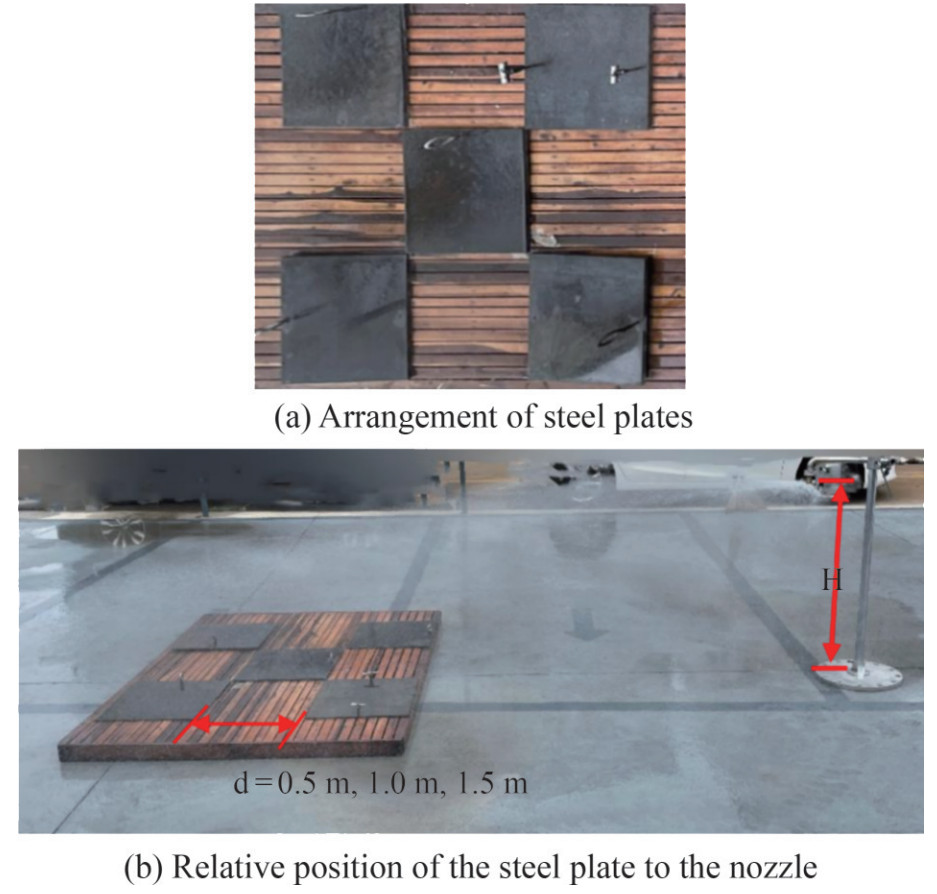 Figure 3 Schematic of the relationship between steel plate placement
During the experiment, the nozzles were configured to operate in a parallel spray arrangement, with a spray height (H) of 0.6 m. An infrared thermal imager was used throughout the testing process to measure the surface temperature of the steel plates, capturing temperature distributions and cooling effects across the different partitioned areas. A comparative analysis was then conducted to examine and interpret the experimental results.
The target steel plates were heated using the water bath method. The target steel plates were placed in a container, and electric heating rods were activated to heat the water, as shown in Figure 4.
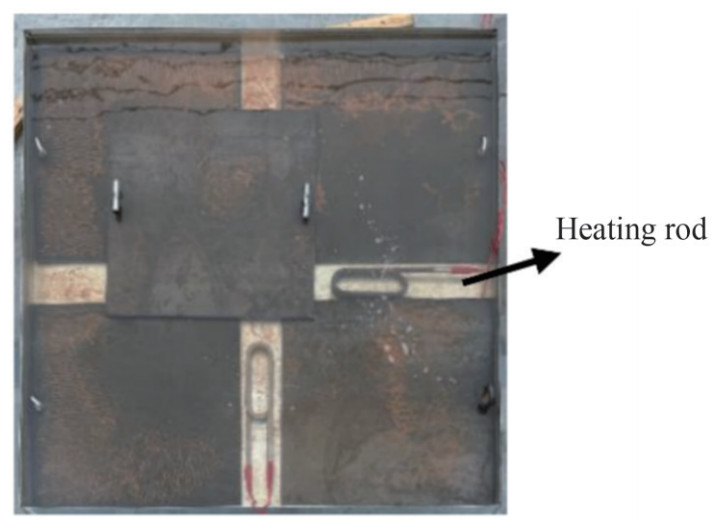 Figure 4 Heating by water bath
During the heating process, localized high-temperature regions were observed on the target steel plates due to the uneven distribution of heat sources. To mitigate this phenomenon, this experimental setup involved continuous stirring of the heating container to ensure a more uniform heat distribution. Additionally, during temperature testing, the steel plates were allowed to cool for a few minutes to facilitate even heat dissipation. After heating, the highest temperature on the steel plate surface reached 56.4 ℃, the lowest temperature was 54.76 ℃, and the average temperature was 55.63 ℃, indicating good overall temperature uniformity across the steel plates.
The plates were removed from the water bath heating and allowed to cool in the ambient environment, ensuring uniform temperature distribution across the target steel plates and enabling consistent comparison between multiple water curtain cooling experiments. They were left to cool until their temperatures stabilized at approximately 47 ℃ before the tests were conducted. Upon activating the spray, an infrared thermal imager was used to capture continuous images of the steel plates in front of the water curtain, documenting the cooling process. Figure 5 shows the temperature distribution variations on the steel plates during a 60-s spray for different steel plate spacing configurations. Concurrently, an infrared thermography camera was used to monitor the average temperature of each steel plate and compare it with the background temperature. The steel plates are marked with serial numbers, as depicted in Figure 6. Figure 7 illustrates the temporal temperature variations of the target steel plates at three different spacing configurations.
 Figure 5 Temperature distribution of steel plates at different times
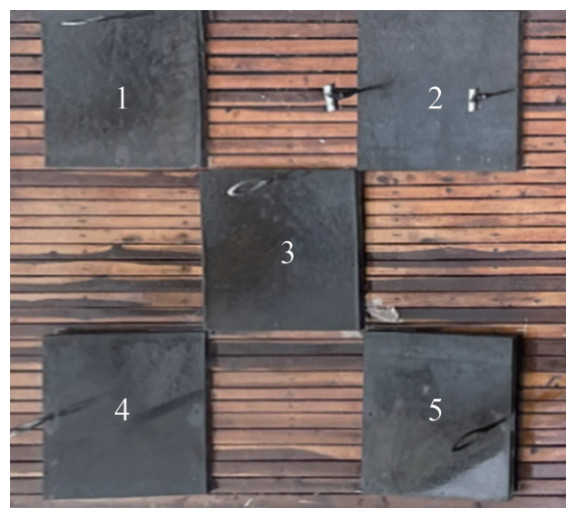 Figure 6 Steel plates with serial numbers
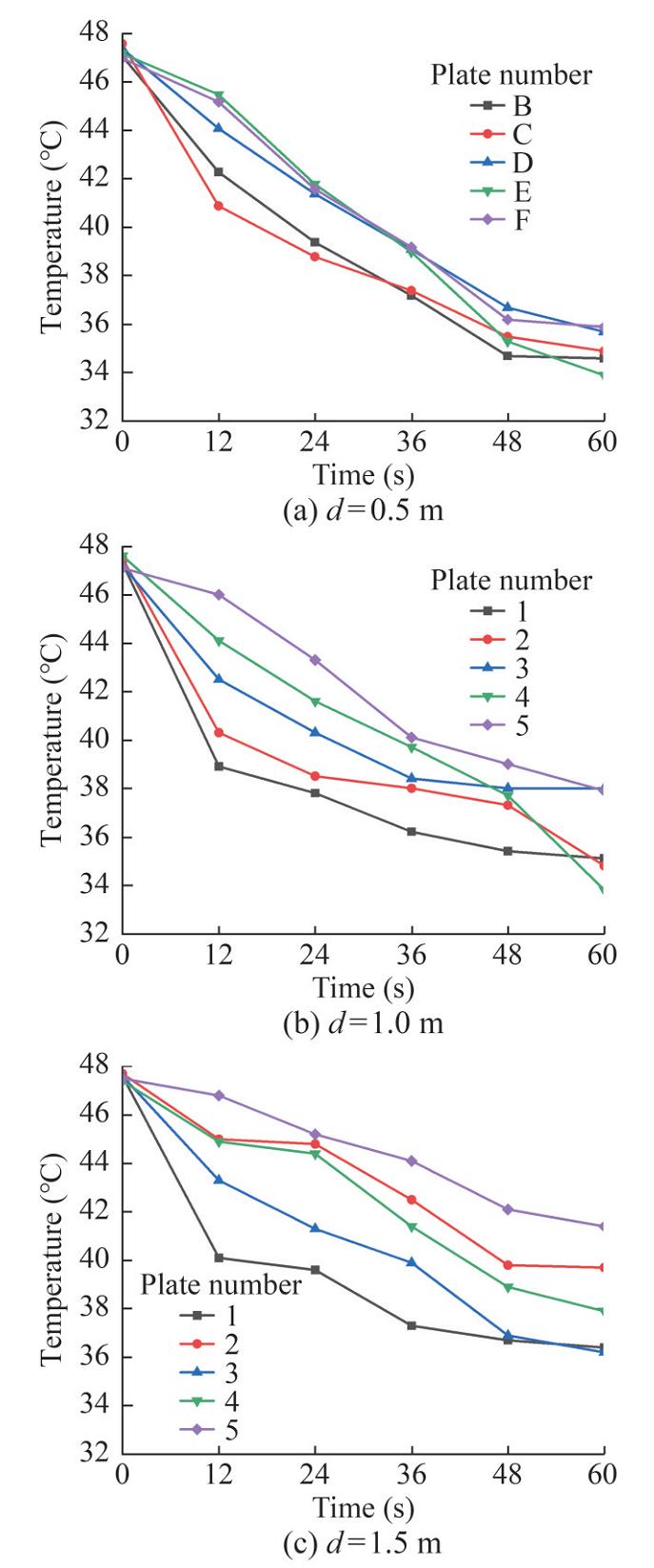 Figure 7 Variation of steel plate temperatures with time
As shown in Figures 5(a) and 5(b), when the spacing between the steel plates was 0.5 m, all five steel plates were within the effective spray coverage of the nozzles, resulting in similar flow distributions and high-temperature uniformity across the plates. However, with a spacing of 1 m, the increased area occupied by the steel plates extended into the nozzle's coverage area, leading to greater discrepancies in flow distribution across the plates. Consequently, at 12 and 24 s of spraying, as shown in Figure 7, notable temperature differences were observed among the five steel plates, with the disparity in temperature gradients gradually decreasing as the spraying duration increased. At 60 s of spraying, the temperature of all five steel plates stabilized approximately 36 ℃, with no notable temperature differences remaining. In Figure 5(c), with a spacing of 1.5 m, noticeable temperature differences persisted among the five steel plates throughout the spraying process. At this juncture, Steel Plates 1, 3, and 4 continue to receive cooling from the spray, leading to a relatively faster rate of temperature decrease. In contrast, Steel Plates 2 and Plate 5 have moved outside the primary coverage area of the spray, no longer receiving the cooling effect. As depicted in Figure 7, after 60 s of spraying, the temperature of Steel Plate 2 remains approximately 40 ℃, while the average temperature of Steel Plate 5 reaches approximately 42 ℃.
Notably, the smaller the temperature difference between the target surface and the background as detected by the infrared detector, the more difficult it becomes for the detector to effectively distinguish the target, thus enhancing infrared stealth. In engineering applications, infrared stealth is generally achieved when the temperature difference between the target and the background radiation is less than 4 K. Figure 8 illustrates the temperature differences between the target steel plates and the ambient environment at three distinct spacings.
 Figure 8 Variation of temperature differences with time
When the spacing between the steel plates is set to 0.5 or 1 m, as indicated in Figure 8, the average temperature difference between most of the steel plates and the ambient environment decreases to below 4 K after 60 s of spraying. However, when the spacing is increased to 1.5 m, the average temperature difference between the steel plates and the ambient environment remains above 4 K.
However, in reality, the thermal infrared radiation of the background is not uniformly distributed as often assumed. In such cases, if the thermal infrared radiation of the target is uniformly distributed, then it becomes relatively easy for the thermal imaging system to detect the outline of the target. If 4 K is still regarded as the minimum temperature difference for the detector to analyze and distinguish the target, then the temperature difference between the lowest and highest temperatures on the steel plate surface within the area corresponding to 4 K should not be less than 4 K. This condition ensures that the detector can identify the nonuniform radiation. For the target steel plates in this experiment, infrared stealth is achieved when the infrared thermal imager detects that the lowest surface temperature of the plate is within 4 K of the surrounding water temperature and the temperature difference between the highest and lowest points on the steel plate surface is no less than 4 K. The background water temperature, which is the same as the spray water temperature, is 29 ℃. After spraying, the infrared thermal imager detects the maximum and minimum temperatures of the steel plates at different spacings, as shown in Figure 9.
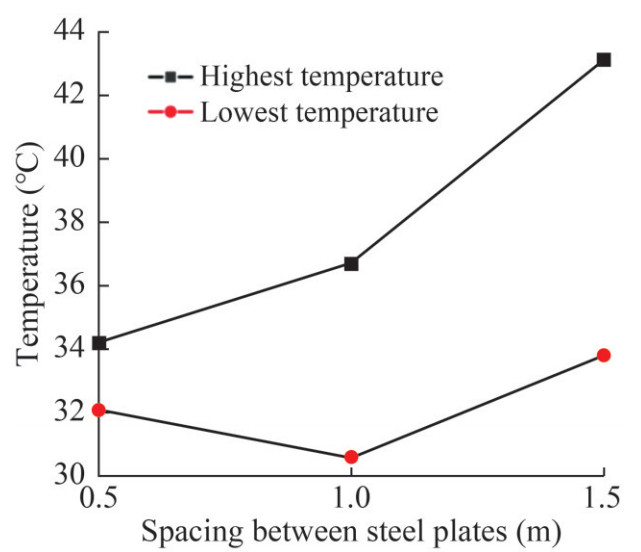 Figure 9 Maximum and minimum plate temperatures at different d
Figure 9 shows that when the spacing between the steel plates is 1.5 m, the minimum temperature detected by the infrared thermal imager on the steel plate surface exceeds 4 K compared to the background temperature, thereby meeting the requirement for achieving infrared stealth. However, when the spacing between the steel plates is 0.5 or 1 m, the minimum temperature detected by the infrared thermal imager on the steel plate surface is less than 4 K compared to the background temperature. When the steel plates are arranged with a spacing of 0.5 m, the temperature difference on the steel plate surface detected by the infrared thermal imager is less than 4 K. However, when the spacing is increased to 1 or 1.5 m, the temperature difference between the steel plates exceeds 4 K.
For practical naval ships, the division of steel plates with different spacing simulates large steel plates covering the entire surface area. Based on the above results, when one nozzle is placed for every 2.25 m2 of steel plate on the ship's surface, the spray effectively reduces the temperature of the steel plates. However, this arrangement causes the surface temperature of the ship to become excessively uniform, making it easier for infrared detectors to distinguish the outline of the ship against the nonuniform background infrared radiation of the sea surface. Conversely, when one nozzle is placed for every 6.25 m2 of steel plate on the ship's surface, the spray cannot achieve effective infrared shielding, resulting in a large temperature difference between the surface of the ship and the background, failing to ensure infrared stealth. However, when one nozzle is placed for every 4 m2 of steel plate on the ship's surface, the spray effectively lowers the surface temperature of the ship to closely match the background ambient temperature. Additionally, this configuration ensures an uneven thermal image of the ship on the infrared detector, making it more similar to the background radiation. Therefore, the detector encounters difficulties in discerning the outline of the ship, thereby achieving the purpose of infrared stealth and enhancing the capability of the ship to remain undetected in infrared stealth.
3.2 Orthogonal experiment of different spacing between steel plates and spray height
Similarly, five identical steel plates were selected for the experiment, and orthogonal tests were conducted with varying spraying heights H (0.2, 0.4, 0.6, 0.8, and 1 m), along with the previously mentioned steel plate spacing d, to investigate the optimal nozzle height for parallel spraying in the infrared stealth system for naval ships. The spraying radius and coverage during nozzle operation were measured using a tape measure. The spraying ranges at different heights are presented in Table 1. Figure 10 illustrates the temperature distribution of the steel plates, as detected by the infrared detector, after orthogonalizing the parameters d and H.
Table 1 Nozzle spray range at different heightsNumber Nozzle height (m) Minimum spraying radius (m) Maximum spraying radius (m) 1 0.2 1.6 3.9 2 0.4 1.8 4.2 3 0.6 2.1 4.8 4 0.8 2.2 5.0 5 1.0 2.4 5.4 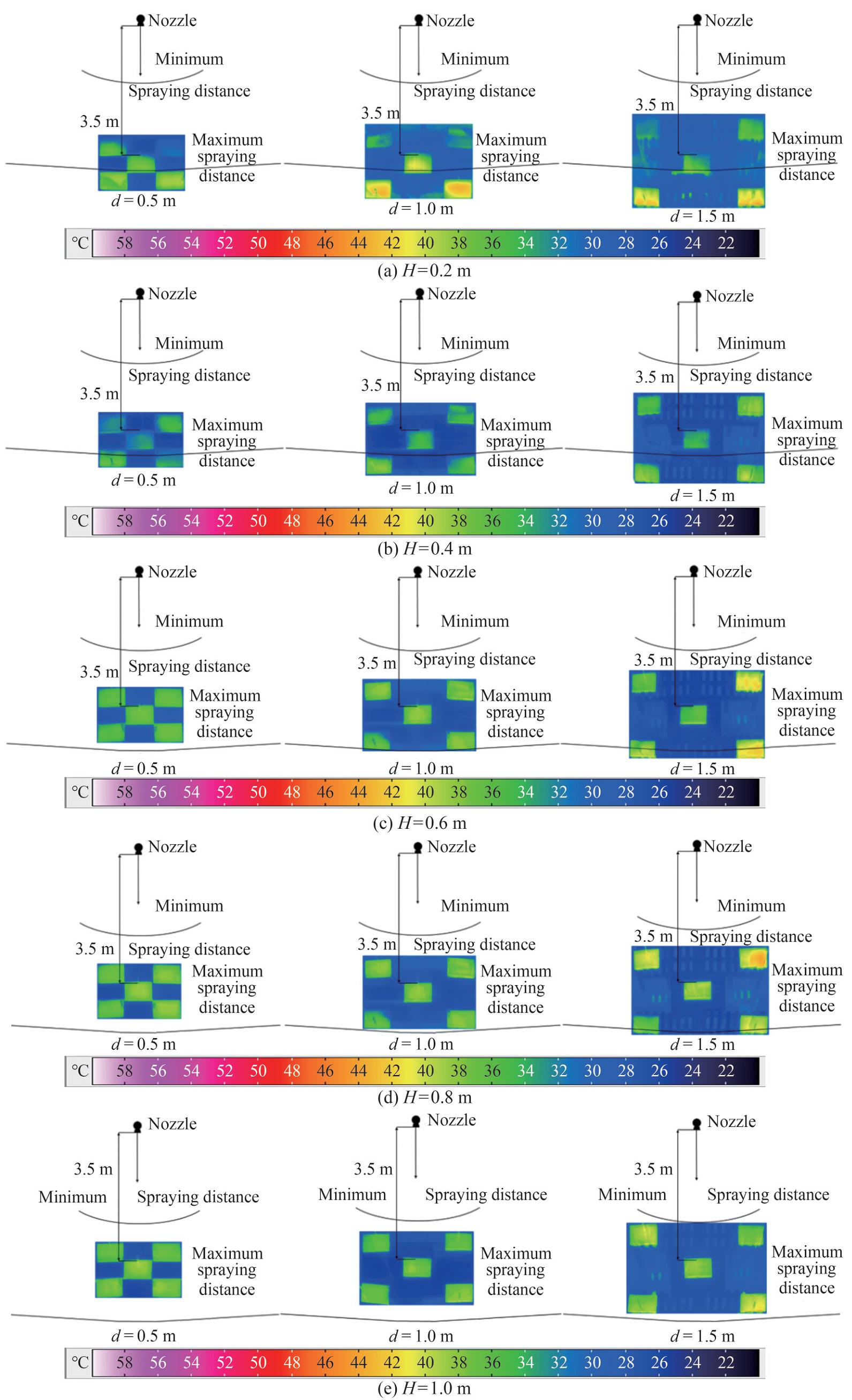 Figure 10 Temperature distribution of steel plates after orthogonalization of d and H
Still considering 4 K as the minimum temperature difference for target detection, and based on the analysis in Figure 10, when H = 0.2 m, the maximum spraying radius is 3.9 m, resulting in a considerable cooling effect on the steel plate surface within a range of 3 m. The infrared imager detects that the steel plate surface temperature drops to within 4 K of the background temperature. When H = 0.4 m, the maximum spraying radius extends to 4.2 m, achieving a good cooling effect on the steel plate surface within a range of 4 m, with the infrared imager again detecting a temperature difference of less than 4 K compared to the background temperature. However, when the spraying height H is greater than or equal to 0.6 m, despite the increase of spraying range with height, the cooling effect on the steel plate surface becomes less effective. The infrared imager detects that the surface temperature of the steel plate drops to more than 4 K below the background temperature, which does not meet the requirements for infrared stealth. Therefore, when installing nozzles for the infrared stealth system of naval ships, controlling the nozzle installation height within 0.6 m is necessary. Additionally, the horizontal placement of the nozzles should be based on the required nozzle density to achieve optimal performance.
4 Infrared imaging distance experiment
For thermal infrared detection, guidance, and thermal infrared camouflage, the infrared detection distance is a critical factor. In thermal infrared detection, the detector must be able to image the target from a sufficient distance to obtain accurate information. Similarly, for the thermal infrared camouflage, the detection distance must be carefully considered to ensure the target remains undetectable by the infrared detector. Therefore, the detection distance is a key parameter for infrared detectors, requiring thorough consideration and optimization in practical applications. Additionally, during nozzle spraying to cool the surface steel plates of a naval ship, the horizontal spray of water mist creates a masking effect on the infrared radiation emitted by the steel plates. Hence, conducting experiments that investigate the combined effect of water curtain spraying, in terms of cooling the steel plates and providing infrared masking, is essential.
A steel plate with dimensions of 1 m × 1 m was selected for the experiment. This plate was selected to facilitate the investigation of the effect of the detection distance of the infrared detector on its detection results and to assess the impact of the water curtain infrared masking effect at different detection distances on the measurement of steel plate surface temperatures. This plate was vertically placed at a certain angle to simulate the side wall steel plate of a naval ship, as shown in Figure 11(a). The spraying height of the nozzle was adjusted to align with the highest point of the steel plate, as shown in Figure 11(b). An infrared imager was used during the experiment to record the temperature of the steel plate at distances of 3, 6, and 9 m away from the steel plate after spraying.
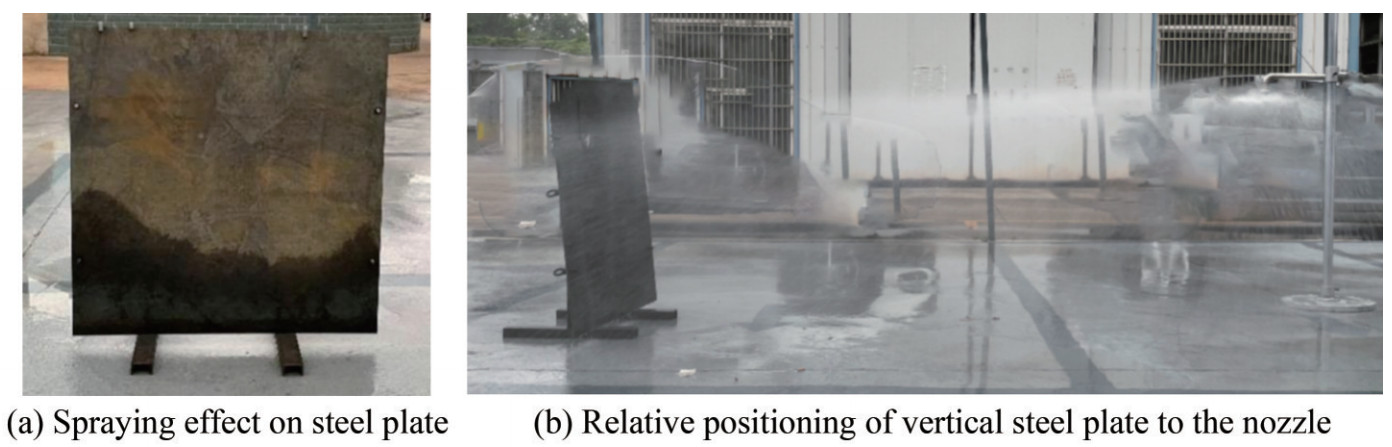 Figure 11 Schematic of the infrared detection experimental setup
Figure 12 presents the temperature distribution of the steel plate, as detected by the infrared detector, after 60 s of spraying at different detection distances.
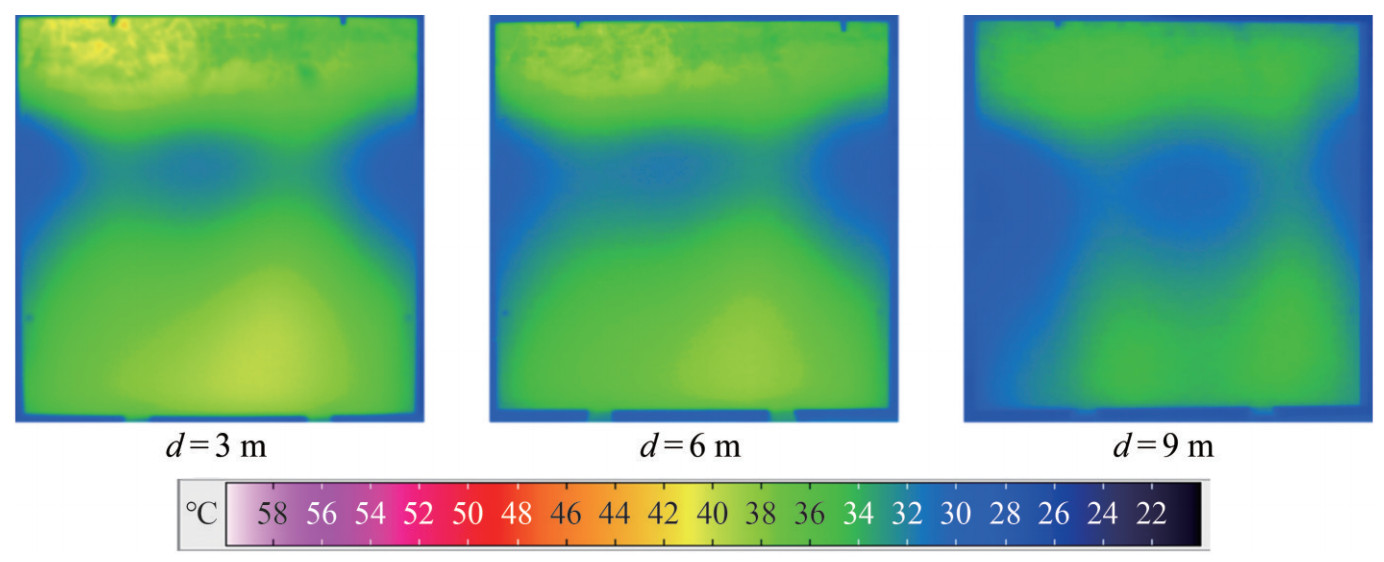 Figure 12 Temperature distribution of steel plates at different detection distances
As shown in Figure 12, as the infrared detection distance increases, the observable imaging area of the steel plate decreases, and the infrared stealth effect gradually enhances. This phenomenon corresponds to the basic principles of infrared radiation, as described by the following equation: L ∝ ε·σ·T4·exp(− α·R). The radiance intensity L at the observation point is directly proportional to the emissivity (blackness) ε and the fourth power of the temperature T of the steel plate, while it is inversely proportional to the detection distance R. Therefore, assuming that the emissivity ε, temperature T, and extinction coefficient α for various wavelengths remain constant, an increase in detection distance leads to a gradual reduction in the detected surface temperature of the steel plate. Consequently, the high-temperature areas become less pronounced, further enhancing the infrared stealth effect.
Simultaneous temperature measurements of the target steel plate were conducted using a thermocouple and an infrared thermal imager. Table 2 shows the temperature data collected at different time intervals and varying detection distances.
Table 2 Temperature measurements at different times of day and at different detection distancesTemperature measurement time (s) Detection distance (m) Thermocouple (℃) Infrared thermal imager (℃) Difference (℃) 10 3 45.91 44.45 1.46 6 45.12 43.78 1.34 9 45.48 42.36 3.12 20 3 42.43 40.78 1.65 6 42.37 40.25 2.12 9 42.57 39.64 2.93 30 3 41.81 40.28 1.53 6 41.24 39.46 1.78 9 41.56 37.15 4.41 40 3 40.30 38.93 1.37 6 40.25 38.16 2.09 9 40.36 36.64 3.72 50 3 39.92 37.76 2.16 6 39.44 36.68 2.76 9 39.59 34.67 4.92 60 3 38.46 36.11 2.35 6 37.73 34.83 2.90 9 38.81 33.14 5.67 As shown in Table 2, during the spray cooling process, the temperature difference between the interior and exterior of the water curtain becomes more pronounced as the spraying time increases. Notably, the temperatures obtained from the thermocouples are generally higher compared to the target temperatures collected from the infrared thermal imager. This finding indicates that the water curtain effectively cools down the target steel plate and provides a certain level of infrared radiation shielding, thereby reducing the infrared detectability of the ship's hull and achieving infrared stealth. Furthermore, as the detection distance increases, the temperature difference between the target steel plate and the background gradually diminishes. At 60 s, when the infrared imaging distance is increased from 3 to 6 m, the temperature difference between the readings from the thermocouples and the infrared thermal imager increases by 23.4%. When the infrared imaging distance is further extended to 9 m, the temperature difference between the two measurement methods increases by 141.27%. A larger difference indicates closer proximity to the background temperature.
5 Conclusions
The present study established an experimental platform to investigate the infrared cooling and shielding effects on naval ships using water curtains. Based on infrared imaging technology, experiments were conducted to examine the layout density and height of nozzles used for infrared stealth in naval ships. Additionally, the study explored the impact of different imaging distances on the infrared temperature of steel plates and the shielding effect of water mist on infrared radiation. The following conclusions were drawn from the aforementioned experiments:
1) When one nozzle is installed for every 4 m2 of ship surface area, the spraying effectively lowers the surface temperature to levels close to the ambient background temperature. Simultaneously, this configuration ensures that the ship produces an uneven image on the imaging thermograph of the infrared detector, making it difficult for the detector to identify the outline of the ship, thus aiding in the achievement of infrared stealth for the ship.
2) For the installation of nozzles intended for ship water curtain infrared stealth, the nozzle mounting height should be kept within 0.6 m. Additionally, the horizontal placement of the nozzles should be determined based on the required nozzle density.
3) When the infrared imaging distance is increased from 3 to 9 m, the temperature difference between the measurements taken by the thermocouples and those recorded by the infrared imaging device increases by 141.27%. As the infrared imaging distance increases, the infrared temperature of the target steel plate approaches that of the background temperature, making it more difficult to distinguish the target.
Competing interest The authors have no competing interests to declare that are relevant to the content of this article. -
Figure 1 Schematic of the principle for the experimental setup
Figure 2 Schematic of the experimental setup
Figure 3 Schematic of the relationship between steel plate placement
Figure 4 Heating by water bath
Figure 5 Temperature distribution of steel plates at different times
Figure 6 Steel plates with serial numbers
Figure 7 Variation of steel plate temperatures with time
Figure 8 Variation of temperature differences with time
Figure 9 Maximum and minimum plate temperatures at different d
Figure 10 Temperature distribution of steel plates after orthogonalization of d and H
Figure 11 Schematic of the infrared detection experimental setup
Figure 12 Temperature distribution of steel plates at different detection distances
Table 1 Nozzle spray range at different heights
Number Nozzle height (m) Minimum spraying radius (m) Maximum spraying radius (m) 1 0.2 1.6 3.9 2 0.4 1.8 4.2 3 0.6 2.1 4.8 4 0.8 2.2 5.0 5 1.0 2.4 5.4 Table 2 Temperature measurements at different times of day and at different detection distances
Temperature measurement time (s) Detection distance (m) Thermocouple (℃) Infrared thermal imager (℃) Difference (℃) 10 3 45.91 44.45 1.46 6 45.12 43.78 1.34 9 45.48 42.36 3.12 20 3 42.43 40.78 1.65 6 42.37 40.25 2.12 9 42.57 39.64 2.93 30 3 41.81 40.28 1.53 6 41.24 39.46 1.78 9 41.56 37.15 4.41 40 3 40.30 38.93 1.37 6 40.25 38.16 2.09 9 40.36 36.64 3.72 50 3 39.92 37.76 2.16 6 39.44 36.68 2.76 9 39.59 34.67 4.92 60 3 38.46 36.11 2.35 6 37.73 34.83 2.90 9 38.81 33.14 5.67 -
Atmaca M, Etin B, Ezgi C, Kosa E (2021) CFD analysis of jet flows ejected from different nozzles. International Journal of Low-Carbon Technologies 16(3): 940-945. https://doi.org/10.1093/ijlct/ctab022 Boulet P, Collin A, Parent G (2006) Heat transfer through a water spray curtain under the effect of a strong radiative source. Fire Safety Journal 41(1): 5-30. https://doi.org/10.1016/j.firesaf.2005.07.007 Buchlin JM (2005) Thermal shielding by water spray curtain. Journal of Loss Prevention in the Process Industries 18(4-6): 423-432. https://doi.org/10.1016/j.jlp.2005.06.039 Buchlin JM (2017) Mitigation of industrial hazards by water spray curtains. Journal of Loss Prevention in the Process Industries 50: 91-100. https://doi.org/10.1016/j.jlp.2017.08.007 Carlon HR (1970) Infrared emission by fine water aerosols and fogs. Applied Optics 9: 2000-2006. https://doi.org/10.1364/AO.9.002000 Cui J, Zhou TR, Huang X, Li ZC (2021) Experimental study of bubble dynamics in the neighbourhood of a vertical incomplete boundary. Ultrasonics Sonochemistry 75(6): 105587. https://doi.org/10.1016/j.ultsonch.2021.105587 Fu T, Wang Z, Deng X, Li G, Wang G (2015) The influence of spray inclination angle on the ultra fast cooling of steel plate in spray cooling condition. Applied Thermal Engineering 78: 500-506. https://doi.org/10.1016/j.applthermaleng.2014.12.033 Hadipour A, Zargarabadi MR, Rashidi S (2020) An efficient pulsed-spray water cooling system for photovoltaic panels: experimental study and cost analysis. Renewable Energy 164: 867-875. https://doi.org/10.1016/j.renene.2020.09.021Get rights and content Jha JM, Ravikumar SV, Haldar K, Sarkar I, Pal SK, Chakraborty S (2016) Heat transfer from a hot moving steel plate by air-atomized spray impingement. Experimental Heat Transfer 29(1-3): 78-96. https://doi.org/10.1080/08916152.2014.945051 Kapilavai D, Merkle C, Tapee J, Sullivan J, Wayman T, Conners T (2012) Experimental testing and numerical simulations of shrouded plug-nozzle flowfields. Journal of Propulsion & Power 28(3): 530-544. https://doi.org/10.2514/6.2009-4902 Lee JH, Yu CH, Park SJ (2011) Effect of water temperature on heat transfer characteristic of spray cooling on hot steel plate. Transactions of the Korean Society of Mechanical Engineers B 35(5): 503-511. https://api.semanticscholar.org/CorpusID:121580063 Morales R, Bussmann M, Chattopadhyay K, Asgarian A (2022) Water atomisation of molten metals: a mathematical model for a water spray. Powder Metallurgy 65(1): 70-88. https://doi.org/10.1080/00325899.2021.1949801 Parent G, Boulet P, Gauthier S, Blaise J, Collin A (2006a) Experimental investigation of radiation transmission through a water spray. Journal of Quantitative Spectroscopy and Radiative Transfer 97(1): 126-141. https://doi.org/10.1016/j.jqsrt.2004.12.030 Riaz SF, Tso CY, T, Qiu H, Chao CYH, Chung FS (2022) Hybrid nanofluid spray cooling performance and its residue surface effects: toward thermal management of high heat flux devices. Applied Thermal Engineering: Design, Processes, Equipment, Economics 211: 118454. https://doi.org/10.1016/j.applthermaleng.2022.118454 Roberts RE, Selby JE, Biberman LM (1976) Infrared continuum absorption by atmospheric water vapor in the 8-12-µm window. Applied Optics 15: 2085-2090. https://doi.org/10.1364/AO.15.002085 Tseng CC, Viskanta R (2007) Absorptance and transmittance of water spray/mist curtains. Fire Safety Journal 42(2): 106-114. https://doi.org/10.1016/j.firesaf.2006.08.005 Vaitekunas DA, Aleksandrov P (2018) Active hull cooling system performance analysis. Infrared Imaging Systems: Design, Analysis, Modeling, and Testing XXIX 106250D. https://doi.org/10.1117/12.2304599 Voytkov IS, Volkov RS, Kopylov NP, Syshkina EY, Tomilin AV, Strizhak PA (2021) Impact of scattered radiation on thermal radiation shielding by water curtains. Process Safety And Environmental Protection 154: 278-290. https://doi.org/10.1016/j.psep.2021.08.034 Zhang AM, Li SM, Cui P, Li S, Liu YL (2023) A unified theory for bubble dynamics. Physics of Fluids 35: 033323. https://doi.org/10.1063/5.0145415 Zhang Z, Jiang P, Hu Y, Li J (2013) Experimental investigation of continual and intermittent-spray cooling. Experimental Heat Transfer 26(1-5): 453-469. https://doi.org/10.1080/08916152.2012.719063
