

Hydrodynamic Characteristics of an Underwater Manipulator in Pulsating Flow
https://doi.org/10.1007/s11804-024-00452-z
-
Abstract
Pulsating flow is a common condition for underwater manipulators in Bohai Bay. This study aimed to investigate the effects of pulsation frequency and amplitude on the hydrodynamic characteristics of an underwater manipulator with different postures using the user-defined function (UDF) method. The lift coefficient (CL), drag coefficient (CD), and vortex shedding of the underwater manipulator in single- and dualarm forms were obtained. Results indicated that the maximum increase in the lift and drag coefficients subjected to the pulsation parameters was 24.45% and 28%, respectively, when the fluid flowed past a single arm. Compared with the single arm, the lift and drag coefficients of the arms were higher than those of the single arm when arm 2 was located upstream. Additionally, the pulsation frequency had no obvious effect on the manipulator, but the CL and CD of arm 2 showed an obvious increasing trend with an increase in pulsation amplitude. Meanwhile, when arm 2 was located downstream, the CL and CD of arm 2 were reduced by 16.38% and 1.15%, respectively, with an increase in the pulse frequency, and the maximum increase in the lift and drag coefficients was 33.33% and 16.78%, respectively, with increasing pulsation amplitude. Moreover, the downstream wake morphology changed significantly, and a combined vortex phenomenon appeared. Finally, a theoretical basis for examining the hydrodynamic characteristics of marine engineering equipment was established to aid future marine resource exploitation.Article Highlights● The effect of pulsating flow on the underwater manipulator is determined.● The flow pattern varies as the underwater manipulator postures are modulated.● As the pulsating flow parameter increases, the hydrodynamic coefficients increase.● The pulsation amplitude has a greater influence on the dual arm. -
1 Introduction
The problem of flow around bluff bodies is of theoretical importance and has a wide range of practical applications, such as flow around underwater manipulators, offshore platform support legs, and marine risers (He et al., 2022; Zhang et al., 2013; Willden and Graham, 2004). When the flow is around the bluff body, boundary layer separation, vortex shedding, and other phenomena occur. The alternating shedding of fluid through the structure leads to lateral flow and large pressure pulsations in a straight direction. The action of these forces causes vibrations, noise, and resonance of the structure and even fatigue damage. Therefore, the hydrodynamic characteristics of related marine equipment must be analyzed to ensure their stability and accuracy. To solve related practical problems, for a long time, people have conducted extensive research on the theory, experiment, and numerical simulation of the flow around bluff bodies.
In practical applications, to facilitate simulation analysis, scholars have simplified cylindrical marine engineering equipment into the problem of flow around a cylinder. The hydrodynamic characteristics of a single column with different section shapes have been studied with good results. Molochnikov et al. (2019) found that the shape of the velocity profile near the cylinder was governed not by the distance from the cylinder but by the location of the station with respect to the streamwise size of the separation region. Jiang and Cheng (2021) discussed the wake recirculation length and the hydrodynamic forces on the cylinder. An inverse relationship between the root mean square lift coefficient and wake recirculation length was confirmed. Kološ et al. (2021) compared numerical solutions with the available experimental and standard data. The analysis of average flow velocity showed that the wake center lengthens with a decrease in Reynolds number (Re). In addition to the typical circular section, the working section of some marine engineering equipment was also mostly elliptical. Shi et al. (2020) investigated the flow around the elliptical cylinder with long- and short-axis ratios (axial ratio, AR) varying from 0.25 to 1.0. The time-averaged drag and fluctuating lift coefficients were small, and two steady bubbles were formed behind the cylinder when AR < 0.37. Cui et al. (2023) conducted a study on an elliptical cylinder with different AR values at a Reynolds number of 3 900 and analyzed the variation in the flow field with respect to AR. The drag coefficient was considerably influenced within the AR range of 0.5‒1.0. Notably, when the AR of the elliptical column was 0.7, the recirculation length in the wake region was the smallest. Liu et al. (2021) and Wu et al. (2022) investigated the winding characteristics of an elliptic cylinder under different ARs. As the AR increases, the strength of the vortex in the wake decreases considerably, and the vortex shedding position from the center of the cylinder increases considerably. When AR≥0.7, the lift-to-resistance ratio was negatively correlated with the Reynolds number. The flow around two cylinders arranged in tandem and side-by-side was a typical research object in a multicylinder group. The flow around two cylinders arranged in tandem and side-by-side was a typical research object in a multicolumn group. Hu et al. (2019) found that when L/D < 3.5, the shear layer of the upstream cylinder re-adhered to the surface of the downstream cylinder. Moreover, the vortex street only formed behind the downstream cylinder, while the shear layer of the upstream cylinder alternately rolled up. When L/D > 3.5, vortex shedding was observed in the upstream and downstream cylinders. In addition, Hosseini et al. (2020) noticed that when the spacing was between 3.6 and 4.4, a full vortex shedding similar to a single-cylinder wake was formed in the gap between the two cylinders. Mentese and Bayraktar (2021) further observed that when arranged in series and with a spacing ratio of 4.0, vortex shedding continued behind the upstream cylinder, but vortices started to shed simultaneously from opposite sides of the downstream cylinder, and two rows of vortex streets were observed. The flow around the tandem cylinders highly depends not only on the spacing ratio between the centers of the cylinders but also on the cross-sectional shape of the cylinder. Cheng et al. (2022) investigated the effects of the cross-sectional shape and spacing ratio on hydrodynamic coefficients and flow characteristics in different flow fields over the subcritical Reynolds number range. The results showed that the hydrodynamic coefficients of the downstream elliptical cross-section cylinder increased with increasing spacing.
Although there is a wealth of research on flow through a stationary cylinder, most previous studies have focused on uniform flow. However, because of the presence of ocean currents and waves, the fluid was generally an oscillating flow rather than a uniform incoming flow. Guilmineau and Queutey (2004) conducted detailed studies on the trailing vortex shedding of a vibrating cylinder in an oscillating flow. With an increase in the vibration frequency of the cylinder, the position of vortex generation would be closer to the cylinder until it reached a certain limit. Mikheev et al. (2017) found that under the condition of a pulsating flow through the experiment, there were four forms of vortex shedding around the cylinder. Kim et al. (2006) and Muddada et al. (2021) analyzed the dynamic behavior and evolution stage of vortex shedding in oscillatory flow. The results showed that the amplitude continually changed, and the size of the vortex behind the column varied. For higher amplitude oscillations, the length of the wake was shorter. After vortex locking, the average recirculation area and vortex formation area decreased obviously.
In addition, Konstantinidis and Bouris (2016) considered the influence of harmonic and nonharmonic perturbation waveforms on inflow velocity. A phase diagram of the lift force was used to identify the dynamic state of the wake of the cylinder and determine the range of motion parameters at which synchronization occurred. That is, the vortex formation is locked with the subharmonic phase of the microdisturbance frequency. The bubble phenomenon in pulsating flow also severely affects the hydrodynamic characteristics of the underwater manipulator.
The underwater manipulator, a standard cylindrical piece of marine engineering equipment, features a multiarm arrangement in addition to a constantly changing cross-section. Exploring the hydrodynamic performance of an underwater manipulator ensures its safety and efficiency and promotes the accurate positioning of an underwater manipulator. In addition, it provides a reference for research on hydrodynamic performance in the marine industry. Furthermore, various environmental loads, such as waves and eddies in the environment, cause the incoming flow to have a certain pulsation intensity. These uncertainties have a nonnegligible effect on the hydrodynamic characteristics of an underwater manipulator. Given the hydrological environment of the Shandong Peninsula, China, the complex flow field of the marine environment was simplified into a pulsating flow field. In this study, a two-dimensional numerical model was established using the unsteady Reynolds-averaged Navier–Stokes (URANS) equation and the shear stress transfer (SST) k − ω turbulence model. The winding characteristics of the cylinder in pulsating flow, such as the flow force and vortex shedding characteristics, were investigated numerically using Fluent software and the user-defined function (UDF). In this way, a basis was provided for maintaining the best performance of the underwater manipulators and related marine engineering equipment under working conditions.
2 Numerical approach
2.1 Mathematical model
When the dual-arm underwater manipulator was in a working state, the upper arm (arm 1) was always in the vertical direction, while the lower arm (arm 2) rotated at multiple angles. Among them, the rotation of the lower arm in the clockwise direction was considered a positive direction. As shown in Figure 1, to facilitate simulation analysis, the underwater manipulator was simplified into a cylinder. Thus, a cross-section was taken from the midpoint of arm 2 to analyze the influence of changes in the incoming flow parameters on the hydrodynamic performance of the cross-section. In addition, in its flow field, the upstream arm was Cir 1, and the downstream arm was Cir 2.
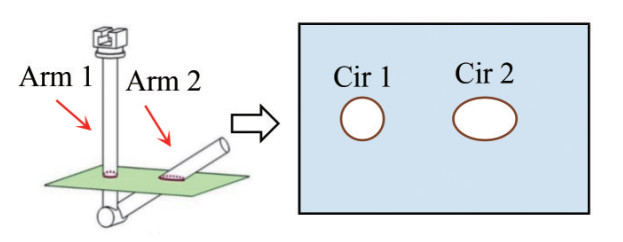 Figure 1 Flow field of the dual-arm underwater manipulator
To further analyze the impacts of pulsation parameter modifications on the hydrodynamic characteristics of the underwater manipulator, four representative poses were chosen, as given in Table 1. Among these poses, the working postures P1, P2, P3, and P4 correspond to rotation angles of arm 2 of −45°, 45°, 135°, and 180°, respectively. When the underwater manipulator was located at P1 and P2, there was an interaction between arms 1 and 2, and its flow field could be approximated as the flow field around a series of double columns. In P1, the cross-flow section of the upstream manipulator was elliptical, and its axial ratio AR was approximately 0.7. The cross-flow of the downstream manipulator was circular. However, the cross-flow section of the upstream and downstream manipulators in P2 was opposite to that in P1. When the underwater manipulator was located in P3 and P4, there was no interference between manipulators 1 and 2, and the flow field could be approximated as that around a cylinder.
Table 1 Calculation model of the manipulator under different rotation anglesPostures Mathematical model Rotation angle β of arm 2 Computational model P1 
−45° 
P2 
45° 
P3 
135° 
P4 
180° 
2.2 Control equations
In this study, considering the effect of turbulent pulsation, Navier–Stokes equations were adopted to determine the transient pulsation quantities in the time-homogenized equations using some type of model. In addition, the two-dimensional unsteady Reynolds-averaged Navier – Stokes (URANS) method has the advantages of a low spatial resolution requirement, a small computational effort, and wide application (Shukla et al., 2021). Therefore, the two-dimensional URANS method was employed to solve the flow field, which was assumed to be incompressible, and the viscosity and density of motion were constant. The Reynolds mean equation for the conservation of mass and momentum is given as follows (Kim et al., 2006):
$$ \frac{\partial u_i}{\partial x_i}=0 $$ (1) $$ \rho \frac{\partial u_i}{\partial t}+\rho \frac{\partial\left(u_i u_j\right)}{\partial x_j}=-\frac{\partial p}{\partial x_i}+\frac{\partial}{\partial x_j}\left(2 \mu S_{i j}-\overline{\rho u_i^{\prime} u_j^{\prime}}\right) $$ (2) where ρ, μ, u, p, and u' represent the fluid density, molecular viscosity, average velocity, average static pressure, and fluctuating velocity, respectively. ui and uj are the velocity components in the x and y directions, respectively. xi and xj are the displacement components in the x and y directions, respectively.
The Sij term is the mean strain rate tensor, and $ \overline{\rho u_i^{\prime} u_j^{\prime}}$ is the Reynolds stress, indicating that the pressure was generated by turbulence. The superscripts denote shorthand for mean values.
Using Boussinesq's hypothesis (Tennekes and Lumley, 1972), the Reynolds stress under an incompressible flow can be expressed as:
$$ \overline{\rho U_i^{\prime} U_j^{\prime}}=2 \mu_t \boldsymbol{S}_{i j}-\frac{2}{3} \delta_{i j} k $$ (3) where k is turbulent kinetic energy, μt is turbulent viscosity, and δij is the Leopold–Kronecker trigonometric function.
The SST k − ω turbulence model is developed on the basis of the standard k − ω turbulence model. The model combines the reliability of the standard k − ω model for viscous flow in the near-wall region with the accuracy of the k − ω model for the far-field region where turbulence is fully developed (Qu et al., 2021).
The SST k − ω turbulence model includes the transport equation of turbulent kinetic energy k and dissipation rate ω (Yagmur et al., 2020). The transport equations for the turbulent kinetic energy k and ω are as follows:
$$ \frac{\partial(\rho k)}{\partial t}+\frac{\partial\left(\rho k u_i\right)}{\partial x_i}=\frac{\partial}{\partial x_j}\left[\Gamma_k \frac{\partial k}{\partial x_j}\right]+G_k-Y_k $$ (4) $$ \frac{\partial}{\partial t}(\rho \omega)+\frac{\partial}{\partial x_i}\left(\rho \omega u_i\right)=\frac{\partial}{\partial x_j}\left[\Gamma_\omega \frac{\partial \omega}{\partial x_j}\right]+G_\omega-Y_\omega+D_\omega $$ (5) G'k represents the item that produced k:
$$ G_{k}^{\prime }=\min \left({{G}_{k}}, 10\rho {{\beta }^{*}}k\omega \right)\quad {{G}_{k}}=-\rho \overline{u_{i}^{\prime }u_{j}^{\prime }}\frac{\partial {{u}_{j}}}{\partial {{x}_{j}}} $$ (6) Gω is the generating term of ω:
$$ G_\omega=G_k^{\prime} \frac{\alpha}{v_t} $$ (7) Yk and Yω are the dissipation term of k and ω, respectively:
$$ Y_k=\rho \beta^* k \omega Y_\omega=\rho \beta \omega^2 $$ (8) Dω represents the cross-diffusion term:
$$ D_\omega=2\left(1-F_1\right) \rho \frac{1}{\omega \sigma_{\omega, 2}} \frac{\partial k}{\partial x_j} \frac{\partial \omega}{\partial x_j} $$ (9) 2.3 Boundary condition setting
A reasonable computational domain was beneficial to the accuracy and speed of the calculation. The physical model of the computational domain is shown in Figure 2. The size of the entire computational domain was (34D+L) × 20D (D is the diameter of the cylinder). The cylinder was located at the center of the vertical plane. The upper and lower boundaries were located 10D from the center of the cylinder to ensure that they did not affect the flow around the cylinder. The inlet was located 10D upstream of the center of Cir 1, and the outlet was located 24D downstream of the center of Cir 2 to eliminate the influence of the far-field upstream and downstream of the cylinder.
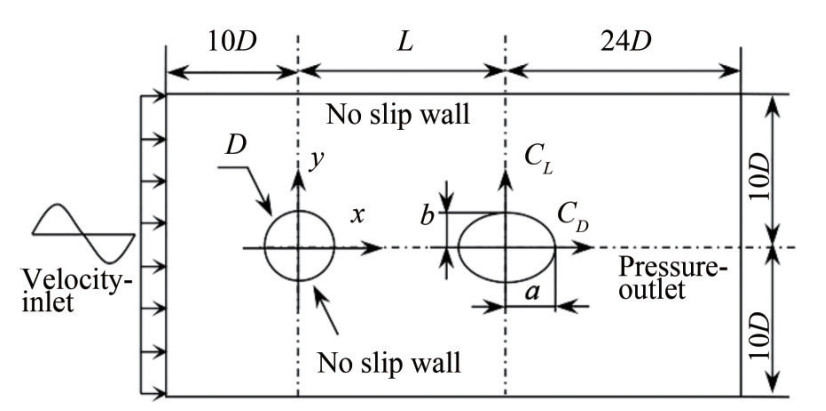 Figure 2 Fluid domain and boundary conditions
The inlet was the boundary of the velocity inlet, and the velocity of the sinusoidal pulsating flow was expressed as:
$$ u(t)=u_m(1+A \sin (2 {\rm{ \mathsf{ π}}} f t)) $$ (10) where u(t) is the inlet pulsatile flow velocity, m/s; t is the flow time, s; um is the steady flow velocity, m/s; f is the pulsatile frequency, Hz; and A is the dimensionless pulsatile amplitude.
The outlet was the boundary of the pressure outlet, given the static pressure and appropriate reflux conditions. The inlet pulsating flow varied with changes in A and f. The values of A and f were determined based on the wave conditions in the Yellow and Bohai Seas of the Shandong Peninsula. Among them, the steady flow velocity was 0.2m/s, and the pulsating flow velocity was changed by changing A and f. Table 2 presents nine different pulsatile conditions.
Table 2 Basic parameters of pulsating flowA f(Hz) 0.2 0.2 0.3 0.3 0.4 0.4 2.4 Grid independence verification
As shown in Figure 3, a structured mesh was used to partition the computational domain. The mesh was locally encrypted to reduce the overall mesh size while ensuring an accurate solution in the cross-sectional region. To eliminate the influence of the number of grid cells on the calculation results, three meshes were used to verify the independence of the meshes. In addition, the verified meshes will be applied for subsequent calculations.
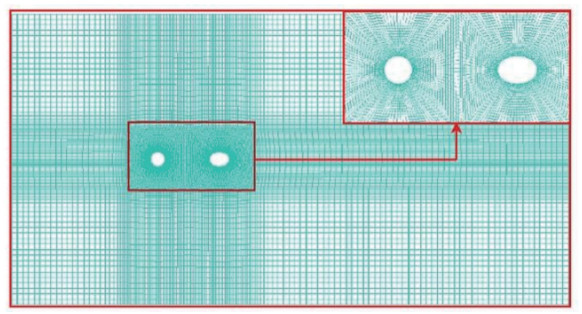 Figure 3 Meshing scheme
Table 3 provides the details of the grid independence tests performed at Re=5 900. The results showed that there was little difference between the average drag coefficients CD and root mean square of lift coefficient CL, rms under the three meshes. The maximum error in the root mean square of the lift coefficient was 0.67%, which was within acceptable limits. After comprehensive consideration, M2 was selected in the follow-up calculation.
Table 3 Meshing details and convergence resultsMesh Nodes Elements CD CL, rms St M1 11 400 11 154 1.00±0.23 0.613 0.253 M2 18 564 18 880 1.00±0.26 0.617 0.255 M3 26 004 26 385 1.00±0.30 0.618 0.256 2.5 Accuracy verification of numerical method
The validation of numerical methods plays an important role in obtaining stable, reliable, and accurate data. To better verify the correctness of the numerical simulation method, the same computational domain and parameter settings as those of Harimi and Saghafian (2012) were adopted. That is, the overall computational domain was 30×24D, and the Reynolds number was 200. A uniform flow was applied at the inlet: u = 1, v = 0, and θ = 0. The top and bottom boundaries were placed far from the cylinder surface; thus, the symmetry boundary condition was used: u = 1, v = 0, and θ = 0. The manipulator in P4 was selected because the cross-section was circular. Table 4 compares the obtained lift coefficient and drag coefficient with those obtained by other researchers. The maximum error for the lift coefficient was 2.94%, and the maximum error for the drag coefficient was 1.47%. According to the results of the comparison of the lift and drag coefficients, the errors were within acceptable limits. Therefore, this numerical method can be adopted to simulate the hydrodynamic performance of the underwater manipulator.
Table 4 Verification resultData source Method CL CD Present Numerical ±0.68 1.36±0.05 Harimi and Saghafian (2012) Numerical ±0.66 1.34±0.04 Ding et al. (2007) Numerical ±0.66 1.35±0.05 Harichandan et al. (2010) Numerical ±0.70 1.38±0.05 Wu et al. (2022) Numerical ±0.69 1.30±0.04 Norberg (2003) Experimental ±0.70 3 Results and discussions
3.1 Effect of pulsating frequency on hydrodynamic performance
3.1.1 Flow past a single arm
The impacts of the manipulator at various pulsation frequencies on the hydrodynamic coefficients were examined for the pulsation amplitude A = 0.2, with the postures chosen to be A3 and A4 in Table 1. Figures 4 and 5 demonstrate, for the two postures, the time histories of the lift coefficient (CL) and drag coefficient (CD), respectively, evolving with pulsation frequency. Clearly, the CL time history under the two postures exhibited a repetitive sinusoidal oscillatory trend, with the amplitude of the two adjacent oscillations jumping with time (Konstantinidis and Bouris, 2010; 2017). CL, max was 0.49 under the conditions of f = 0.2 Hz and β = 135°, where the CL value steadily climbed in the first 10 s before exhibiting a stable periodic pattern. The time required for the CL to stabilize was prolonged to 13.7 s when the rotation angle of arm 2 was increased to 180°. Additionally, CL, max = 1.78 after stabilization, which was approximately 3.63 times higher than when β = 135°. Similarly, the variation trend of the CD time history curve was consistent with that of CL, showing a periodic change law of first increasing and then decreasing. By comparison with Figures 4 and 5, it is clearly seen that the CD of the elliptical section was considerably smaller than that of the cylindrical surface. In Figure 5(a), CD, max is approximately 1.88, which is almost twice that shown in Figure 4(a). This difference was caused by the variation in the pressure difference between the front and back of the cross-section. The elliptical cross-section had a more backward separation point, which led to a smaller differential pressure. Therefore, the drag force is less than that of a circular cross-section. This comparison indicated that the lift force and drag force on the underwater manipulator were stronger when the axial ratio AR was larger. Moreover, with an increase in pulsation frequency f in the range of 0.2‒0.4 Hz, the maximum values of CL and CD also increased. When β = 180°, the variations in CL and CD were not obvious. However, when β was reduced to 135°, the positive peak value of CL increased from 0.49 to 0.55, and its value increased by approximately 12.25%. Meanwhile, the value of CD increased by 6%. Notably, the variation trend of CL, max and CD, max was more pronounced when the axis ratio was smaller. This comparison indicated that the greater the pulsation frequency, the greater the pulsation of the fluid in the flow field. This trend agreed well with the research results of Cao et al. (2020).
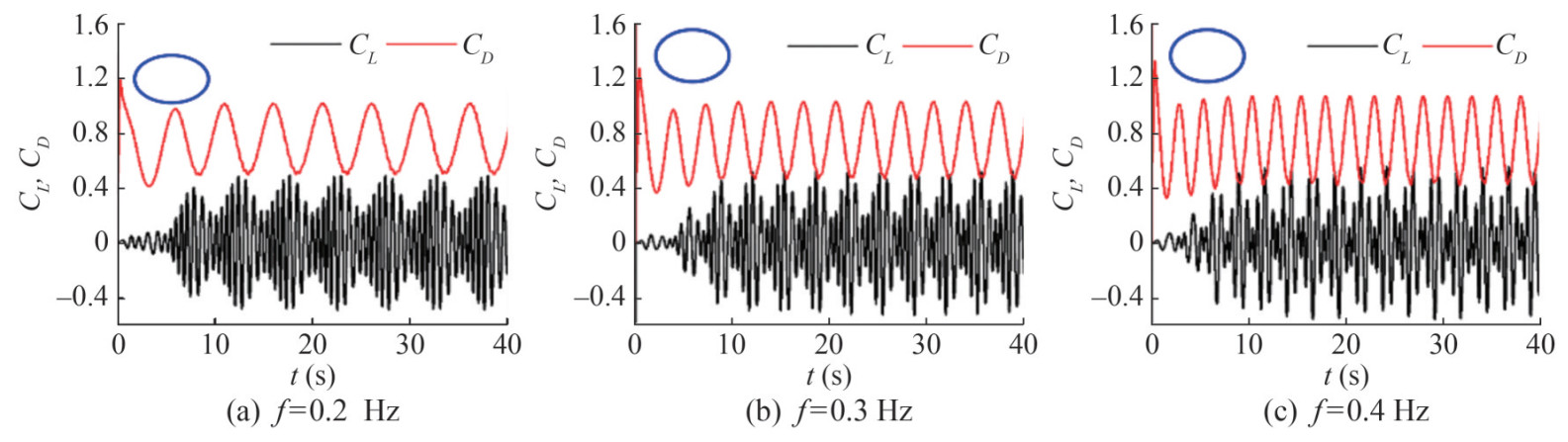 Figure 4 Time-history curve of the lift and drag coefficients when β = 135°
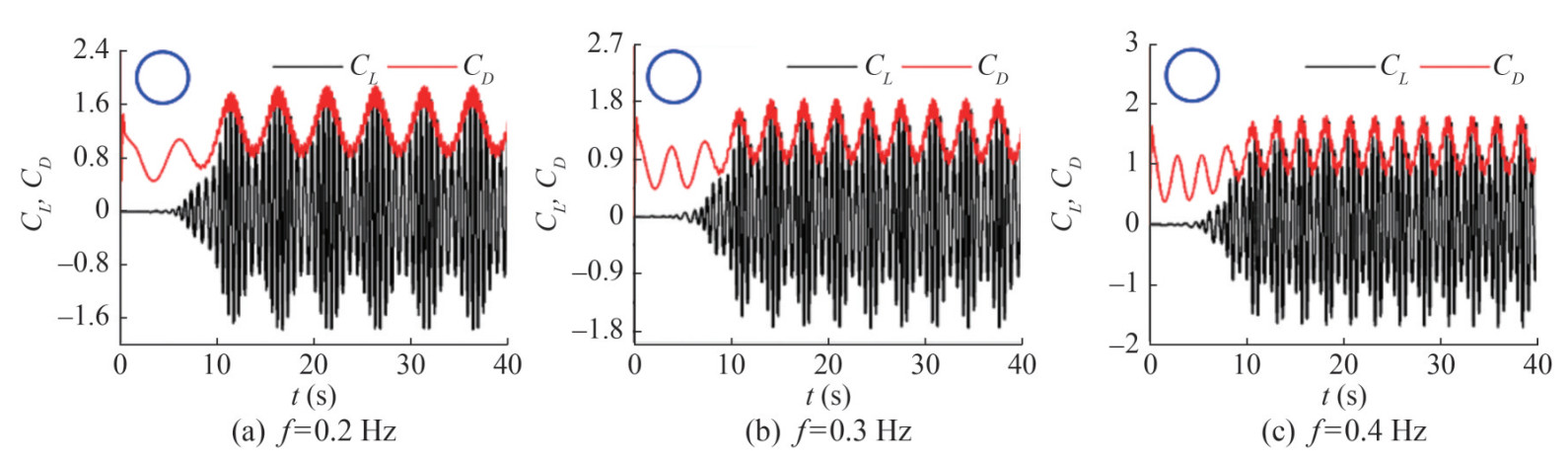 Figure 5 Time-history curve of the lift and drag coefficients when β = 180°
The wavelet transform of CL was used to further investigate the impact of pulsation frequency on the flow field. Figure 6 shows the results of the time-frequency distribution of the response frequency and signal vibration intensity over the time transient. The color of the frequency band on the right side indicates the magnitude of the wavelet coefficients that reflect the amount of energy contained in that frequency component. The darker the color, the higher the amplitude of that frequency, and the higher the energy contained. In contrast to uniform flow, multiple peaks were present in the CL spectrum under a pulsating flow (Cheng et al., 2022). Figure 6 illustrates the band's sinusoidal variations, which correspond to frequencies distributed around 2 Hz. Each spectrum was dominated by more than one frequency component around the main wake frequency. By contrast, the single frequency in a uniform flow does not change over time (Hosseini et al., 2020). At the same pulsation frequency, the frequency band corresponding to β = 135° was considerably wider than that at β = 180°. However, the maximum value of the wavelet coefficient at β = 180° was approximately six times that at β = 135° when f = 0.2 Hz. In addition, as the pulsation frequency increased from 0.2 Hz to 0.4 Hz, the frequency bands became tighter in the same period. The widths of both frequency bands were considerably shorter. This result could be attributed to the modulation of the wake frequency by the oncoming perturbations.
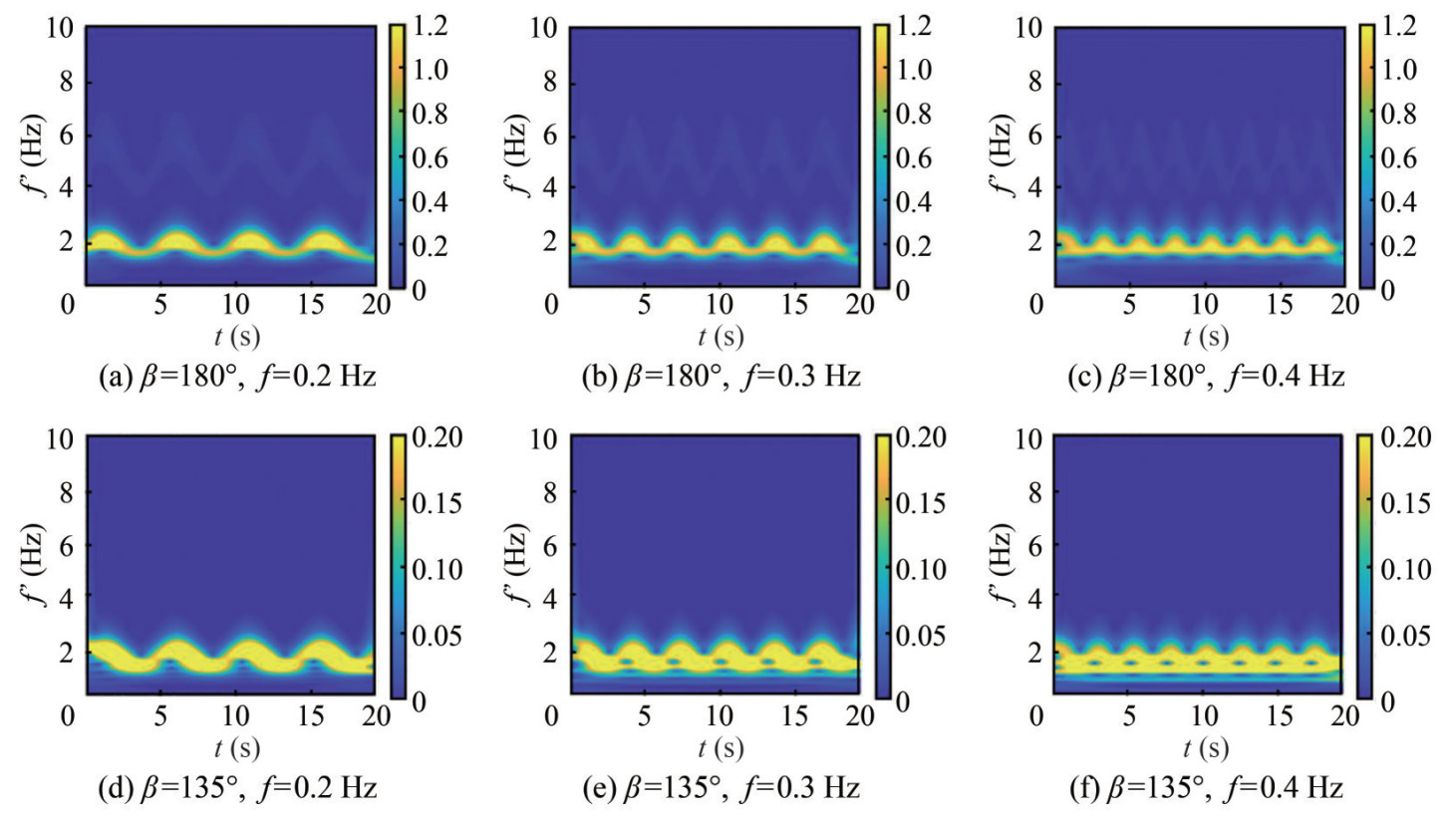 Figure 6 Lift coefficient time-frequency diagram with different pulsating frequencies
The vortex distribution of the single arm at different pulsation frequencies simultaneously is shown in Figure 7. Here, the red vortex is positive, the blue vortex is negative, and h is the shedding length of the secondary vortex. When β = 180°, the wake pattern was similar to that of uniform flow. The vortex street structure at the wake was regular, and the vortices were shed alternately up and down, exhibiting a typical 2S pattern. In addition, the cylinder near the vortex shedding mode, the scape wake vortex dynamics, and Jiang and Cheng (2021) around the escape of stationary flow vortex dynamics were basically identical. Nevertheless, the pulsation frequency had a considerable effect on the arrangement of the vortex and a slight control effect on the strength of the vortex. As the pulsation frequency increased from 0.2 to 0.4 Hz, the vortex shedding length decreased from 0.148 to 0.132. Meanwhile, the shedding time accelerated. As the longitudinal distance between them decreased, the vortices became more crowded (Konstantinidis and Bouris, 2016). When β = 135°, the vortex shedding was also in 2S mode. In contrast to the case with β = 180°, the shedding vortex to the lamellar structure and the size and intensity of the vortices were markedly reduced. At the same pulsation frequency, the shedding length of the vortex was approximately 1.22 times that at β =180°. With an increase in pulsation frequency, the shedding velocity of the vortex increased by 25.87%. This phenomenon was consistent with the results reported by Mentese and Bayraktar (2021).
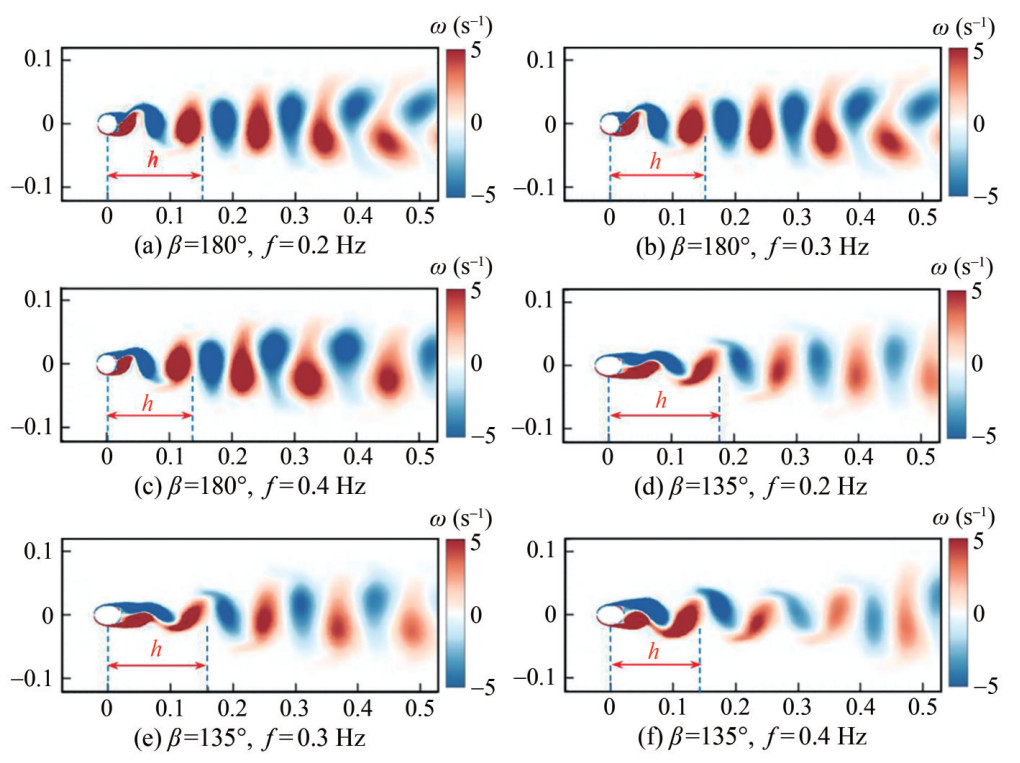 Figure 7 Vorticity cloud maps with different pulsating frequencies
3.1.2 Flow past dual-arm underwater manipulator
When the manipulators are in operating condition, there may be interference between the arms, as in the P1 and P2 postures in Table 1. To investigate the effect of pulsation frequency on the arms, the hydrodynamic characteristics of the two postures are analyzed. Figures 8 and 9 depict the effect of pulsation frequency variation on the CL and CD of the manipulators in two postures, respectively. The subscripts 1 and 2 represent the upstream and downstream arms, respectively. Figure 8 clearly shows that the CL of the downstream arm increased sharply to approximately 2.5 times that of the upstream arm when f = 0.2 Hz. This result was owing to the vortex generated by the upstream arm alternately hitting the surface of the downstream arm, resulting in the generation of additional pulse forces. Compared with Figure 4, CL, max of the upstream arm also increased considerably. This comparison also indicated interaction between the upper and lower arms. In contrast, the CD of the downstream arm was much higher than that of the upstream arm and fluctuated. CD of the upstream arm was smaller than that of the single arm. This result was obtained because the downstream arm prevented the vortex of the upstream arm from falling off and moving downstream, which decreased CD. A comparison of Figures 8(a) and (b) shows that the time for the upstream arm to stabilize decreased continuously as the pulsation frequency increased. When f = 0.2 Hz, CL tended to be stable after 24 s. However, when the pulsation frequency increased to 0.4 Hz, the time for CL to gradually stabilize was shortened to 15 s. In addition, the period of CL was continuously shortened from 10.1 to 5.1 s. During the same period, the number of fluctuations decreased. With an increase in pulsation frequency, the CD of the upstream arm did not increase substantially, and the CD of the downstream arm increased by 8.12%. This comparison implied that the increase in the inlet pulsation frequency also improved the pulsation of the fluid between the arms.
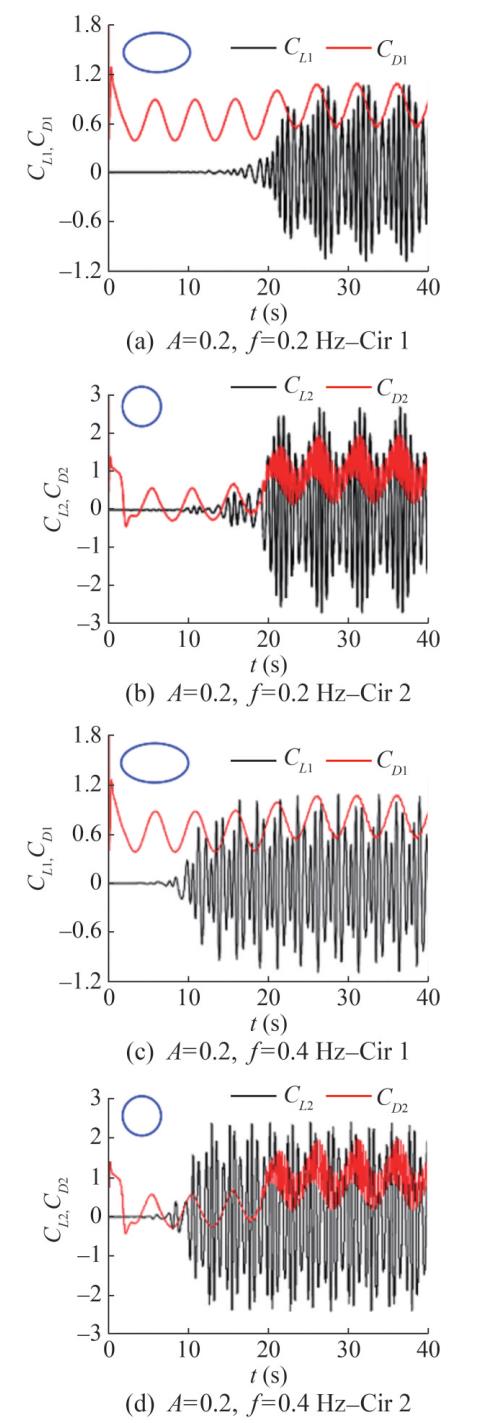 Figure 8 Time history curve of lift and drag coefficients when β = −45° and A = 0.2
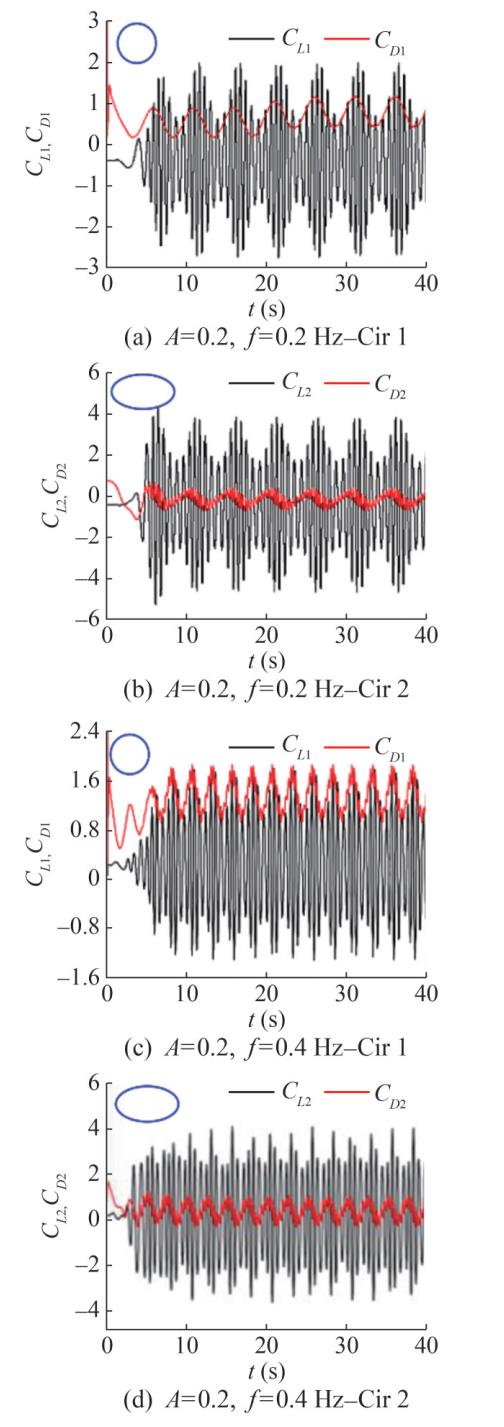 Figure 9 Time history curve of lift and drag coefficients when β = 45° and A = 0.2
The data presented in Figure 9(a) show that CL1 = 1.64 and CL2 = 4.58 in the case of β = 45°. The cross-flow section of the upstream arm was circular, and the cross-flow section of the downstream arm was elliptical. At a pulsating frequency of 0.2 Hz, the CL of the downstream arm was approximately 5.6 times that of the single arm, and CD was approximately two times. This result was due to the impact of vortex shedding generated by the upstream arm on the downstream arm and the vortex shedding of the downstream arm itself. In addition, the CL of the upstream arm was always smaller than that of the downstream arm, and the CL of the upstream arm increased with pulsation frequency, while the CL of the downstream arm was the opposite. This trend was strikingly similar to that of Figure 8. In contrast to Figure 8, the CD of the upstream arm was always higher than that of the downstream arm. This comparison indicates that the wake shielding effect was stronger when the upstream cross-section was circular (Assi, 2014). As the pulsation frequency continued to increase, the period of the upstream arms CL and CD decreased from 10.3 to 4.6 s. In addition, the maximum value of CL increased from 1.64 to 1.69, while the maximum value of CD decreased from 2.22 to 1.76, indicating that the influence of the downstream arm on the upstream arm was related to the pulsation frequency. The negative drag phenomenon appeared in the downstream arm as the pulsation frequency increased, indicating that the downstream arm was attracted to the upstream arm. This result was probably caused by the presence of a reflux zone in the gap between the two columns (Du et al., 2018).
As shown in Figures 10 and 11, the effect of the pulsation frequency on vortex shedding frequency in a series flow field was further observed. This change was consistent with the above results obtained by fast Fourier transform, but it was more intuitive and obvious. The width of the frequency band was narrower than that of the single arm, as shown in Figure 6. However, the variation trend was consistent with Figure 6. As the pulsation frequency increased, the waveform tightened, and the peak continued to decrease. This result indicated that the pulsation frequency also affected the fluctuation of fluid between arms. At the same time, it was evident that the amplitude corresponding to the vortex shedding frequency of the downstream arm was much higher than that of the upstream arm. This result was due to the vortex shedding of the upstream arm and the change in wake velocity impacting the downstream arm.
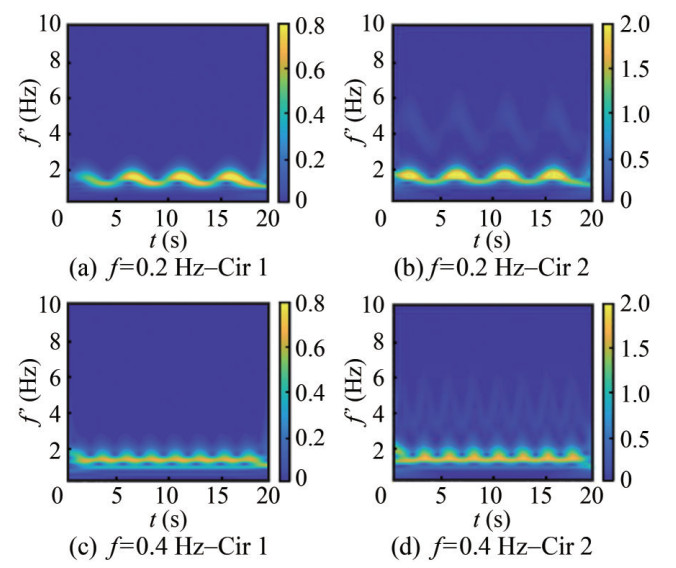 Figure 10 Lift coefficient time-frequency diagram of different frequencies when β = −45° and A = 0.2
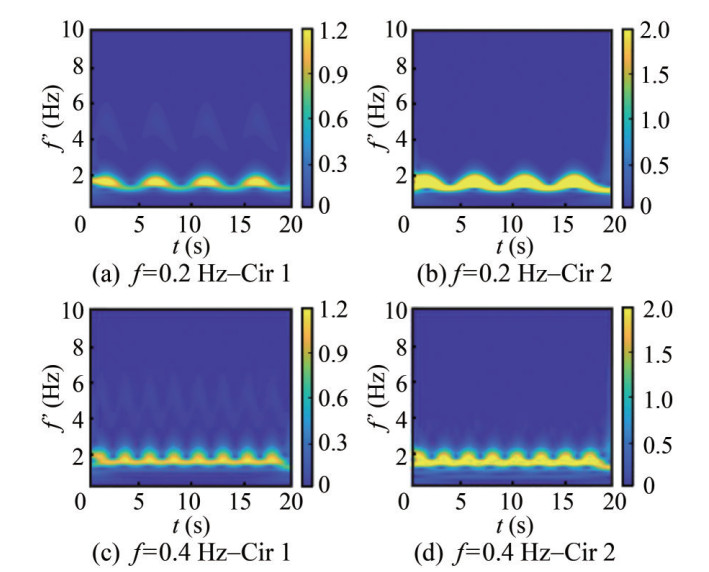 Figure 11 Lift coefficient time-frequency diagram of different frequencies when β = 45°and A = 0.2
Figure 12 shows a vortex cloud diagram at different pulsating frequencies. The left column in Figure 12 clearly shows that the free shear layer of the upstream arm developed to a certain extent. The wake in the upper part of the arm was obviously longer than that in the lower part, and the shedding vortex was obviously apparent in the lower part. In the downstream arm, the vortex exhibited a regular vortex-shedding phenomenon. The vortex was arranged in a synchronous reverse pattern and continually moved away from the back of the downstream arm until the energy of the vortex diminished and disappeared. In contrast to the behavior shown in the left column in Figure 12, the wake morphology and vortex shedding mode of the flow field changed when β = 45°. When f = 0.2 Hz, there was an obvious secondary vortex shedding behind the upstream arm. Affected by the impact of the shedding vortex and the elliptic cross-section of the downstream arm, the vortex shedding position at the lower part of the downstream arm was substantially forwarded, and an obviously combined vortex was generated at the upper part. With the increase in the pulsation frequency, the wake of the upstream arm gradually increased, and the secondary vortex shedding was substantially accelerated. The impact on the downstream arm was gradually strengthened, which led to an increase in the length of the combined vortex on the upper side of the downstream arm and an acceleration of the vortex shedding on the lower side. In addition, the asymmetry and instability of the vortex street were gradually enhanced, and the energy dissipation rate of the vortex accelerated.
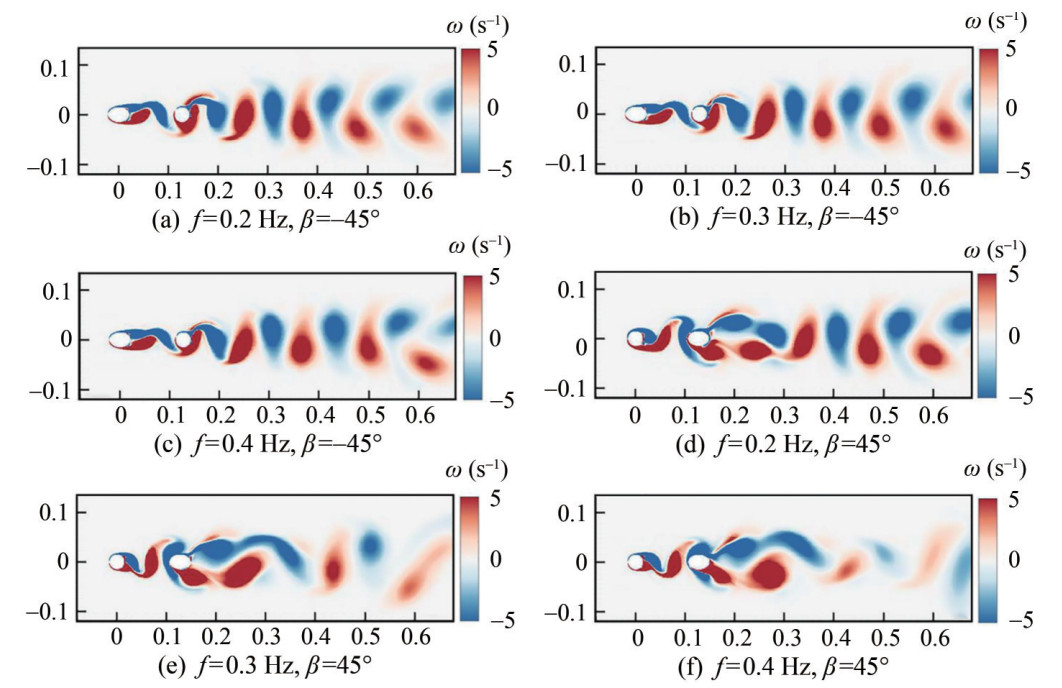 Figure 12 Vorticity cloud maps with different pulsating frequencies under β = 45° and β =−45°
3.2 Effect of pulsating amplitude on hydrodynamic performance
3.2.1 Flow past a single arm
The maximum velocity varies with the dimensionless pulsating amplitude, and its hydrodynamic performance differs from that caused by the pulsation frequency. Therefore, the flow structure caused by the variation in the pulsation amplitude deserves further study. Figure 13 illustrates the trend of CL and CD when pulsation frequency f = 0.2 Hz and dimensionless pulsation amplitude A are 0.2, 0.3, and 0.4. It is clearly seen that although the CL and CD of the cylindrical section were much higher than those of the elliptical section, the rate of increase with the pulsation amplitude of the cylindrical section was slightly lower than that of the elliptical section. When β = 180°, the difference between CL and CD was small, and its growth trend was consistent.
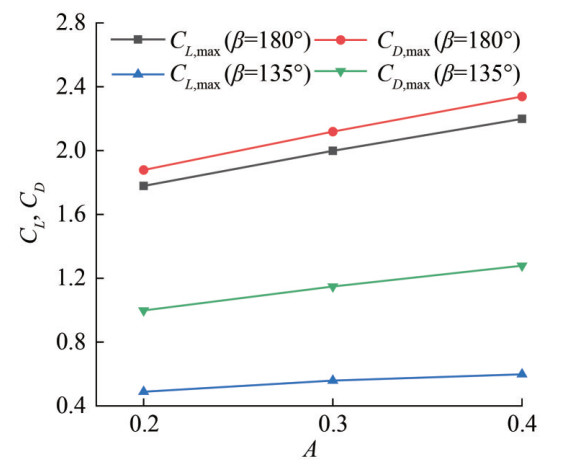 Figure 13 Variation trend of lift and drag coefficients at different pulsating amplitudes when f = 0.2 Hz
The maximum values of the lift and drag coefficients were 1.78 and 1.88 for a pulsation amplitude of 0.2, respectively. The values increased by 41.5 and 32.3, respectively, compared with the study by Cheng et al. (2022). This result indicated that the pulsation amplitude increased the pulsatility of the flow field and force on the manipulator. As the pulsation amplitude increased from 0.2 to 0.4, CD increased by 24.17%, and CL increased by 21.36%. When β = 135°, CD was much higher than CL, and CD, max was approximately twice CL, max. CL and CD increased linearly with increasing pulsation amplitude; CD increased from 1.00 to 1.40, and CL increased from 0.48 to 0.59. This result was due to the increase in the inlet flow velocity and Reynolds number with the increase in pulsation amplitude. This result was consistent with the study of Zhai et al. (2018), where the separation point continually moved forward with an increasing Reynolds number, and the drag gradually increased
The lift coefficient history curve can be transformed into a frequency spectrum using the fast Fourier transform method, which transforms the time domain value into a frequency domain value and obtains the vortex shedding frequency fv. Because the fluctuation of CL in the time domain was disorderly, its time history curve was not sinusoidal with a stable amplitude. Therefore, several obvious peak frequencies were observed in the frequency domain.
From Figure 14(a), it is clear that under different pulsation amplitudes, the lift coefficients exhibit similar response characteristics. CL was scattered in the frequency domain to 1‒3 Hz; meanwhile, there was no obvious main frequency. When the pulsation amplitude was 0.4 Hz, the vortex shedding frequency fv was 2.05 Hz. Moreover, the remaining frequencies were 1.65, 1.85, 2.25, and 2.45 Hz. Interestingly, the frequency difference was 0.2 Hz, which was equal to the pulsation frequency.
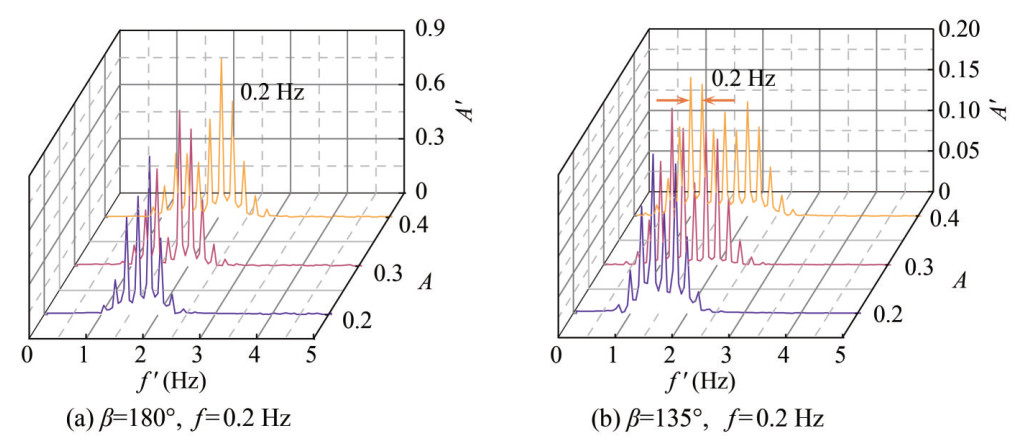 Figure 14 Lift coefficient spectrum of different postures
The reason behind this phenomenon was that the other dominant frequencies resulted from the superposition of the pulsation frequency and vortex shedding frequency, potentially induced by vortex interactions (Cao et al., 2020; Konstantinidis and Bouris, 2009). When the pulsation amplitude was 0.2, the main peak frequency decreased to 1.82 Hz, and the number of main frequencies decreased. This phenomenon was also observed at other pulsation amplitudes, which will not be further discussed here. In Figure 14(b), the lift coefficient response became more complex relative to that of the circular cross-section because of the streamline property in the elliptical section. However, the difference between the frequency peaks was also equal to the pulsation frequency.
Figure 15 shows the vorticity clouds at the same time with different pulsation amplitudes when arm 2 was rotated 180° and 135°. When β = 180°, alternating vortices were observed on both sides of arm 2 in the wake region, and the vortices dispersed downstream after shedding. With an increase in the pulsation amplitude, the vertical influence range of the wake region decreased, and the vortex formation area in the wake region shortened. Therefore, the vortex formation area was closer to the back of the column surface. The frequency of vortex shedding increased, and the time of cross vortex formation decreased. In addition, with an increase in pulsation amplitude, the distance between the vortices gradually increased, and the vorticity gradually decreased. Tail fluctuations and vortex strength were enhanced with increasing pulsation amplitude (Konstantinidis and Balabani, 2008; Konstantinidis and Liang, 2011).
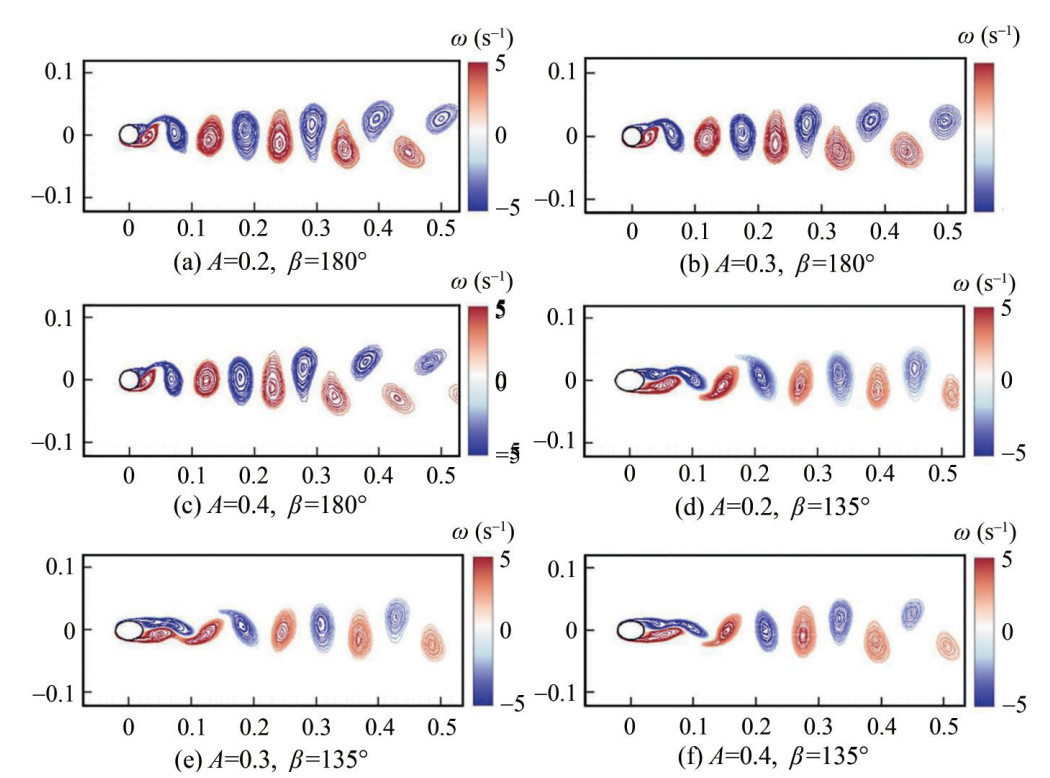 Figure 15 Vorticity cloud maps with different pulsating frequencies under β = 180° and β = 135°
When β = 135°, the cross-section of arm 2 was elliptical, and its vortex shedding situation was similar to that of the circular cross-section; however, the vortex shedding time and the formation of cross-vortex time were longer, and the reduction in vortex size was more obvious.
3.2.2 Flow past dual-arm underwater manipulator
The cross-flow section shape of the upstream arm was inconsistent, while the underwater manipulator was in P1 and P2. When the pulsation amplitude was changed, differences were observed in the hydrodynamic characteristics of the two postures. As shown in Table 5, CL, max of the upstream and downstream arms increased by 65.71% and 38.06%, respectively, with an increase in the pulsation amplitude when β = − 45°. Compared with Figure 8, CL increased more noticeably because of the pulsation amplitude. This result indicated that the pulsation amplitude had a greater influence on the pulsation of the fluid. However, the trend of CD was quite different from that of CL. When the pulsation amplitude was 0.2, the CD of the downstream arm was higher than that of the upstream arm. As the pulsation amplitude increased to 0.4, the CD of the upstream arm increased by 114.02%, while that of the downstream arm decreased by 48.73%, and even negative resistance occurred. This result indicated that the downstream arm was pushed forward by the fluid.
Table 5 Value of lift and drag coefficients under β=−45° and f =0.2 HzPostures Parameters A=0.2−Cir 1 A=0.2−Cir 2 A=0.4−Cir 1 A=0.4−Cir 2 
CL, max 1.07 2.68 3.12 3.70 CL, min −1.06 −2.68 −3.10 −3.73 CD, max 1.07 1.97 2.29 1.01 CD, min 0.54 0.17 0.46 −0.59 Table 6 shows the variation in the lift and drag coefficients for a 45° clockwise rotation of arm 2. Table 6 shows that the CL growth trend of the upstream and downstream arms was consistent with those in Table 5. It was clearly illustrated that the CL, max of the upstream and downstream arms increased by 34.15% and 15.07%, respectively. The magnitude of the increase was approximately half that of β = 45°. In addition, the increase in the CD of upstream arm 1 was small. Regardless of whether the pulsation amplitude increased, the downstream column exhibited a negative drag phenomenon. This result may be attributed to the turbulence of the fluid between the arms and the shape of the cross-sectional flow in the upstream arm.
Table 6 Value of lift and drag coefficients under β=45° and f =0.2 HzPostures Parameters A=0.2−Cir 1 A=0.2−Cir 2 A=0.4−Cir 1 A=0.4−Cir 2 
CL, max 1.64 4.58 2.20 5.27 CL, min −1.64 −4.58 −2.18 −5.29 CD, max 2.22 0.87 2.29 1.02 CD, min 0.86 −0.31 0.46 −0.59 Figure 16(a) shows the values of the vortex shedding frequency and amplitude when the manipulator was rotated counterclockwise by 45°. The vortex shedding frequencies of the upper and lower arms were 1.65 Hz when the pulsation amplitude was 0.2. The vortex shedding frequency of the manipulator increased by 18.18% with an increase in the pulsation amplitude from 0.2 to 0.4. In other words, the pulsation amplitude further increased the pulsation of the flow field. When the manipulator was located in P2, the vortex shedding frequency increased by 39.29%, which was approximately twice as much as that in P1, indicating that the degree of flow field pulsatility caused by the pulsation amplitude varied with the arrangement. In addition, the increase in vortex shedding frequency was greater when compared with that of Figure 11, indicating that the pulsation amplitude affected the fluid pulsatility to a greater extent.
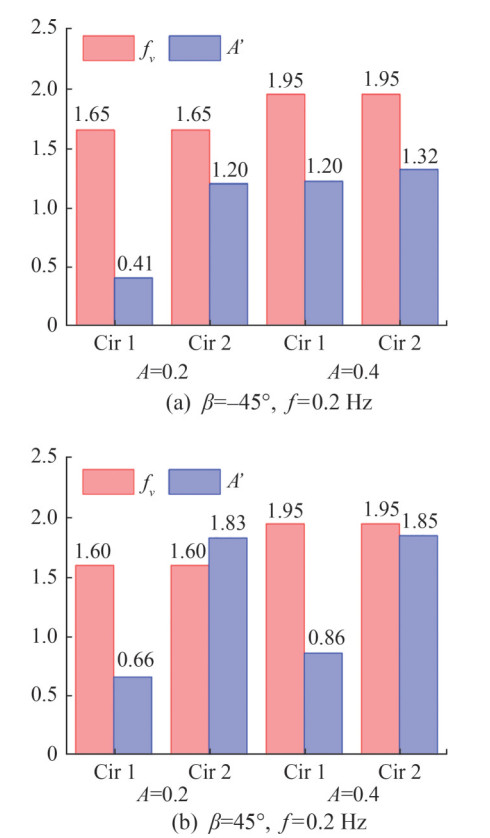 Figure 16 Lift coefficient spectrum with different pulsating amplitudes
Figure 17 shows the velocity contours of the flow field for the underwater manipulator at angles of −45° and 45°. Under the two arrangement modes, it was coshedding, and vortex generation and separation phenomena were observed in the upstream and downstream columns. When β = −45°, the flow field development process and vortex shedding state obtained are basically identical to the state under uniform flow, and the vortex distribution behind the downstream column has obvious regularity and periodicity. However, the intensity of the vortex shedding differs, and the turbulence of the water flow is more intense, which is manifested by the change in the uplift coefficient of resistance when acting on the cylinder. With an increase in the pulsation amplitude, the upstream arm vortex strength increased, and the vortex shedding accelerated. Thus, the separation points of the downstream arm gradually moved forward. The time for the formation of the Karman vortex street appearing alternately on both sides became shorter. Compared with β = − 45°, the vortex distribution of the downstream arm was irregular under β = 45°. When A = 0.2, the vortex generated by the upstream arm impacted the downstream arm. Because of the influence on the cross-sectional shape of the downstream arm, a large separation bubble appeared on the upper part of the downstream arm. Separation bubbles were typically spatially and temporally unstable. Meanwhile, complex energy transfers occurred between them. The bubble phenomenon in pulsating flow also severely affects the hydrodynamic characteristics of the manipulator (Zhao et al., 2023; Rodríguez et al., 2015). When the pulsation amplitude increased to 0.3, the number of vortices shedding on the upstream arm increased, resulting in vortex shedding on the upper side of the downstream arm. The shedding vortices merged periodically. As the pulsation amplitude further increased to 0.4, the shedding speed and quantity of the trailing vortices of the upstream arm accelerated. The repulsive force generated by the wake disturbance further increased, and combined vortices appeared on both sides of the downstream arm.
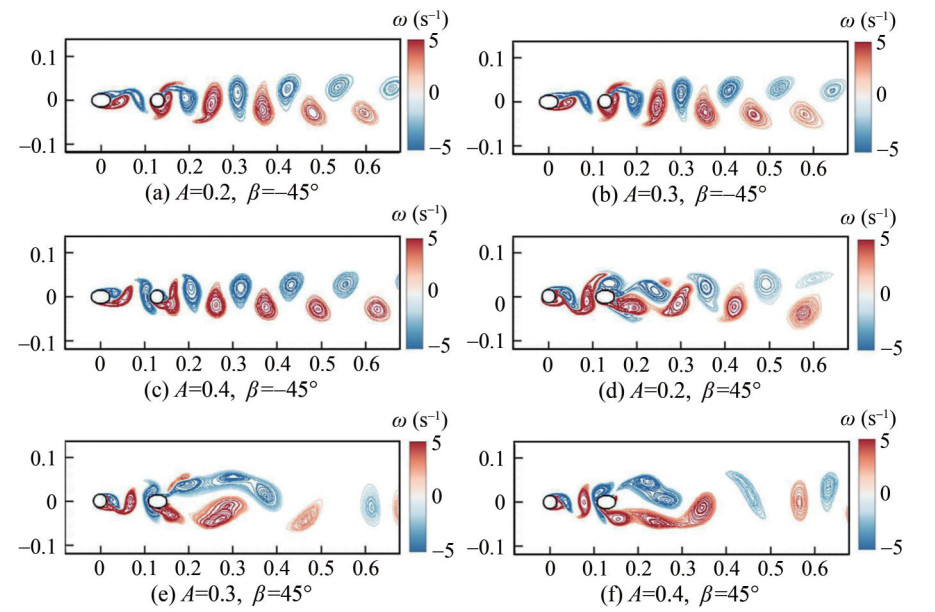 Figure 17 Vorticity cloud maps with different pulsating amplitudes
4 Conclusions
This study examined the influence of pulsating settings on an underwater manipulator's hydrodynamic characteristics. To better observe this influence, the effects of the pulsating frequency and amplitude on the hydrodynamic properties of the underwater manipulator under four typical postures were compared and examined. The specific conclusions were as follows:
1) When arm 2 was located upstream, a stronger effect of the pulsation amplitude on the hydrodynamic coefficient was obtained because of the interaction between the two arms.
2) When arm 2 was located downstream, in contrast to the effect of pulsation frequency, the maximum CL and CD of the arms increased by 33.33% and 16.78%, respectively, with an increase in pulsation amplitude.
3) The maximum increase in CL and CD with pulsation frequency was 12% and 6%, respectively, when the underwater manipulator was in P3 and P4.
4) When the manipulator was in P3, the increasing amplitude of CL and CD caused by dimensionless pulsation amplitude was approximately two times that caused by pulsation frequency.
5) When the manipulator was located in P1, the combined vortex phenomenon became more pronounced with an increase in the pulsation amplitude. In other positions, the vortex street structure at the wake was regular.
Competing interest The authors have no competing interests to declare that are relevant to the content of this article. -
Figure 1 Flow field of the dual-arm underwater manipulator
Figure 2 Fluid domain and boundary conditions
Figure 3 Meshing scheme
Figure 4 Time-history curve of the lift and drag coefficients when β = 135°
Figure 5 Time-history curve of the lift and drag coefficients when β = 180°
Figure 6 Lift coefficient time-frequency diagram with different pulsating frequencies
Figure 7 Vorticity cloud maps with different pulsating frequencies
Figure 8 Time history curve of lift and drag coefficients when β = −45° and A = 0.2
Figure 9 Time history curve of lift and drag coefficients when β = 45° and A = 0.2
Figure 10 Lift coefficient time-frequency diagram of different frequencies when β = −45° and A = 0.2
Figure 11 Lift coefficient time-frequency diagram of different frequencies when β = 45°and A = 0.2
Figure 12 Vorticity cloud maps with different pulsating frequencies under β = 45° and β =−45°
Figure 13 Variation trend of lift and drag coefficients at different pulsating amplitudes when f = 0.2 Hz
Figure 14 Lift coefficient spectrum of different postures
Figure 15 Vorticity cloud maps with different pulsating frequencies under β = 180° and β = 135°
Figure 16 Lift coefficient spectrum with different pulsating amplitudes
Figure 17 Vorticity cloud maps with different pulsating amplitudes
Table 1 Calculation model of the manipulator under different rotation angles
Postures Mathematical model Rotation angle β of arm 2 Computational model P1 −45° P2 45° P3 135° P4 180° Table 2 Basic parameters of pulsating flow
A f(Hz) 0.2 0.2 0.3 0.3 0.4 0.4 Table 3 Meshing details and convergence results
Mesh Nodes Elements CD CL, rms St M1 11 400 11 154 1.00±0.23 0.613 0.253 M2 18 564 18 880 1.00±0.26 0.617 0.255 M3 26 004 26 385 1.00±0.30 0.618 0.256 Table 4 Verification result
Data source Method CL CD Present Numerical ±0.68 1.36±0.05 Harimi and Saghafian (2012) Numerical ±0.66 1.34±0.04 Ding et al. (2007) Numerical ±0.66 1.35±0.05 Harichandan et al. (2010) Numerical ±0.70 1.38±0.05 Wu et al. (2022) Numerical ±0.69 1.30±0.04 Norberg (2003) Experimental ±0.70 Table 5 Value of lift and drag coefficients under β=−45° and f =0.2 Hz
Postures Parameters A=0.2−Cir 1 A=0.2−Cir 2 A=0.4−Cir 1 A=0.4−Cir 2 CL, max 1.07 2.68 3.12 3.70 CL, min −1.06 −2.68 −3.10 −3.73 CD, max 1.07 1.97 2.29 1.01 CD, min 0.54 0.17 0.46 −0.59 Table 6 Value of lift and drag coefficients under β=45° and f =0.2 Hz
Postures Parameters A=0.2−Cir 1 A=0.2−Cir 2 A=0.4−Cir 1 A=0.4−Cir 2 CL, max 1.64 4.58 2.20 5.27 CL, min −1.64 −4.58 −2.18 −5.29 CD, max 2.22 0.87 2.29 1.02 CD, min 0.86 −0.31 0.46 −0.59 -
Assi GR (2014) Wake-induced vibration of tandem and staggered cylinders with two degrees of freedom. Journal of Fluids and Structures 50: 340-357. https://doi.org/10.1016/j.jfluidstructs.2014.07.002 Cao X, Liu Y, Yu H (2020) Investigation on flow characteristic of flowing around a circular cylinder under the pulsating flow condition. Science Technology and Engineering 20(15): 5926-5931 Cui S, Jing H, Yu C, Zhang J, Liu Q (2023) Les study on aerodynamic characteristics and flow field of elliptical cylinder with small aspect ratio. The 32nd National Conference on Structural Engineering, 411-415 Cheng Y, Duan D, Liu X, Yang X, Zhang H, Han Q (2022) Numerical study on hydrodynamic performance of underwater manipulator in the subcritical region. Ocean Engineering 262: 112214. https://doi.org/10.1016/j.oceaneng.2022.112214 Ding H, Shu C, Yeo KS, Xu D (2007) Numerical simulation of flows around two circular cylinders by mesh-free least square-based finite difference methods. International Journal for Numerical Methods in Fluids 53(2): 305-332. https://doi.org/10.1002/fld.1281 Du X, Wang Y, Zhao Y, Sun Y, Dai Q (2018) On mechanisms of aerodynamic interference between two staggered circular cylinders at a high Reynolds number. Engineering Mechanics 35(9): 223-231. https://doi.org/10.6052/j.issn.1000-4750.2017.06.0443 Guilmineau E, Queutey P (2004) Numerical simulation of vortex-induced vibration of a circular cylinder with low mass-damping in a turbulent flow. Journal of Fluids and Structures 19(4): 449-466. https://doi.org/10.1016/j.jfluidstructs.2004.02.004 Harichandan AB, Roy A (2010) Numerical investigation of low Reynolds number flow past two and three circular cylinders using unstructured grid CFR scheme. International Journal of Heat and Fluid Flow 31(2): 154-171. https://doi.org/10.1016/j.ijheatfluidflow.2010.01.007 Harimi I, Saghafian M (2012) Numerical simulation of fluid flow and forced convection heat transfer from tandem circular cylinders using overset grid method. Journal of Fluids and Structures 28: 309-327. https://doi.org/10.1016/j.jfluidstructs Hosseini N, Griffith MD, Leontini JS (2020) The flow past large numbers of cylinders in tandem. Journal of Fluids and Structures 98: 103103. https://doi.org/10.1016/j.jfluidstructs.2020.103103 Hu X, Zhang X, You Y (2019) On the flow around two circular cylinders in tandem arrangement at high Reynolds numbers. Ocean Engineering 189: 106301. https://doi.org/10.1016/j.oceaneng.2019.106301 He J, Wang W, Zhao W, Wan D (2022) Hybrid turbulence models for flows around a stationary smooth circular cylinder. Ocean Engineering 262: 112312. https://doi.org/10.1016/j.oceaneng.2021.109690 Jiang H, Cheng L (2021) Large-eddy simulation of flow past a circular cylinder for Reynolds numbers 400 to 3900. Physics of Fluids 33(3): 034119. https://doi.org/10.1063/5.0041168 Kim W, Yoo JY, Sung J (2006) Dynamics of vortex lock-on in a perturbed cylinder wake. Physics of Fluids 18(7): 074103. https://doi.org/10.1063/1.2221350 Konstantinidis E, Balabani S (2008) Flow structure in the locked-on wake of a circular cylinder in pulsating flow: Effect of forcing amplitude. International Journal of Heat and Fluid Flow 29(6): 1567-1576. https://doi.org/10.1016/j.ijheatfluidflow.2008.08.002 Konstantinidis E, Bouris D (2009) Effect of nonharmonic forcing on bluff-body vortex dynamics Physical Review E 79(4): 045303. https://doi.org/10.1103/PhysRevE.79.045303 Konstantinidis E, Bouris D (2010) The effect of nonharmonic forcing on bluff-body aerodynamics at a low Reynolds number. Journal of Wind Engineering and Industrial Aerodynamics 98(6-7): 245-252. https://doi.org/10.1016/j.jweia.2009.10.003 Konstantinidis E, Liang C (2011) Dynamic response of a turbulent cylinder wake to sinusoidal inflow perturbations across the vortex lock-on range. Physics of Fluids 23(7): 075102. https://doi.org/10.1063/1.3592330 Konstantinidis E, Bouris D (2016) Vortex synchronization in the cylinder wake due to harmonic and non-harmonic perturbations. Journal of Fluid Mechanics 804: 248-277. https://doi.org/10.1017/jfm.2016.527 Konstantinidis E, Bouris D (2017) Drag and inertia coefficients for a circular cylinder in steady plus low-amplitude oscillatory flows. Applied Ocean Research 65: 219-228. https://doi.org/10.1016/j.apor.2017.04.010 Kim W, Yoo JY, Sung J (2018) Dynamics of vortex lock-on in a perturbed cylinder wake. Physics of Fluids 18(7): 074103. https://doi.org/10.1063/1.2221350 Kološ I, Michalcová V, Lausová L (2021) Numerical analysis of flow around a cylinder in critical and subcritical regime. Sustainability 13(4): 2048. https://doi.org/10.3390/su13042048 Liu E, Chen W, Lin Y, Wang S, Li Y (2021) Numerical simulation of flow around a two-dimensional elliptical cylinder with different Reynolds numbers. Chinese Journal of Applied Mechanics 38(5): 2025-2031. Mentese A, Bayraktar S (2021) Numerical investigation of flow over tandem and side-by-side cylinders. Seatific Journal 1(1): 15-25. https://doi.org/10.14744/seatific.2021.0003 Mikheev NI, Molochnikov VM, Mikheev AN, Dushina OA (2017) Hydrodynamics and heat transfer of pulsating flow around a cylinder. International Journal of Heat and Mass Transfer 109: 254-265. https://doi.org/10.1016/j.ijheatmasstransfer.2017.01.12 Molochnikov VM, Mikheev NI, Mikheev AN, Paereliy AA, Dushin NS, Dushina OA (2019) SIV measurements of flow structure in the near wake of a circular cylinder at Re=3900. Fluid Dynamics Research 51(5): 055505. https://doi.org/10.1088/1873-7005/ab2c27 Muddada S, Hariharan K, Sanapala VS, Patnaik BSV (2021) Circular cylinder wakes and their control under the influence of oscillatory flows: A numerical study. Journal of Ocean Engineering and Science 6(4): 389-399. https://doi.org/10.1016/j.joes.2021.04.002 Norberg C (2003) Fluctuating lift on a circular cylinder: review and new measurements. Journal of Fluids and Structures 17(1): 57-96. https://doi.org/10.1016/S0889-9746(02)00099-3 Qu S, Liu S, Ong MC (2021) An evaluation of different RANS turbulence models for simulating breaking waves past a vertical cylinder. Ocean Engineering 234: 109195. https://doi.org/10.1016/j.oceaneng.2021.109195 Rodríguez I, Lehmkuhl O, Chiva J, Borrell R, Oliva A (2015). On the flow past a circular cylinder from critical to super-critical Reynolds numbers: Wake topology and vortex shedding. International Journal of Heat and Fluid Flow 55: 91-103. https://doi.org/10.1016/j.ijheatfluidflow.2015.05.009 Shi X, Alam M, Bai H (2020) Wakes of elliptical cylinders at low Reynolds number. International Journal of Heat and Fluid Flow 82: 108553. https://doi.org/10.1016/j.ijheatfluidflow.2020.108553 Shukla S, Singh SN, Sinha SS, Vijayakumar, R (2021) Comparative assessment of URANS, SAS and DES turbulence modeling in the predictions of massively separated ship airwake characteristics. Ocean Engineering 229: 108954. https://doi.org/10.1016/j.oceaneng.2021.108954 Tennekes H, Lumley JL (1972) A first course in turbulence. MIT Press Willden RHJ, Graham JMR (2004) Multi-modal vortex-induced vibrations of a vertical riser pipe subject to a uniform current profile. European Journal of Mechanics-B/Fluids 23(1): 209-218. https://doi.org/10.1016/j.euromechflu.2003.09.011 Wu Y, Zhang X, Wu H (2022) Flow characteristics of elliptical column under subcritical Reynolds number. Journal of Shanghai University (Natural Science Edition) 28(5): 1-14 Yagmur S, Dogan S, Aksoy MH, Goktepeli I (2020) Turbulence modeling approaches on unsteady flow structures around a semicircular cylinder. Ocean Engineering 200: 107051. https://doi.org/10.1016/j.oceaneng.2020.107051 Zhai H, Wang Z, Li Z, Li Q (2018) The effects of laminar separation on heat transfer in flow past an elliptic cylinder. In IOP Conference Series: Mat Sci Eng 452(2): 022035. https://doi.org/10.1088/1757-899X/452/2/022035 Zhang H, Yang J, Xiao L, Lu H (2013) Hydrodynamic performance of flexible risers subject to vortex-induced vibrations. Journal of Hydrodynamics 25: 156-164. https://doi.org/10.1016/S1001-6058(13)60349-2 Zhang A, Li S, Cui P, Li S, Liu Y (2023) A unified theory for bubble dynamics. Physics of Fluids 35(3): 033323. https://doi.org/10.1063/5.0145415 Zhao G, Meng S, Che C, Fu S (2023) Internal flow effect on the coupled CF and IL VIVs of a flexible marine riser subject to a uniform current. Ocean Engineering 269: 113502. https://doi.org/10.1016/j.oceaneng.2022.111487
