 2022, Vol. 21


2) College of Life Sciences, Yantai University, Yantai 264000, China;
3) College of Environmental Science and Engineering, Ocean University of China, Qingdao 266100, China;
4) College of Marine Life Science, Ocean University of China, Qingdao 266005, China;
5) Center for Ocean Mega-Science, Chinese Academy of Sciences, Qingdao 266071, China
Synechococcus, a cyanobacteria 0.5−2.0 μm in diameter, can not only respond rapidly to environmental changes, but also shows strong environmental adaptability owing to its simple cell structure (Scanlan et al., 2002; Zheng et al., 2018). Hence, Synechococcus is one of the most widely distributed phytoplankton in the marine ecosystem (Xia et al., 2019). In marine euphotic layer environments, the abundance of Synechococcus ranges typically between 10 and 106 cells mL−1, with the highest recorded abundance of 3.73 × 10⁶ cells mL−1 in the upwelling area at the Costa Rica Dome (Saito et al., 2005) and the lowest of 50 cells mL−1 occurred at the Atlantic Gateway to the Arctic Ocean (Paulsen et al., 2016). Marine Synechococcus also shows rich genetic diversity. Phylogenetically, it can be classified into three subclusters, subcluster 5.1 (S5.1), subcluster 5.2 (S5.2), and subcluster 5.3 (S5.3). Each subcluster can be further divided into diverse clades, which occupied distinct niches (Scanlan, 2012). For example, Clade Ⅰ of S5.1 is mainly distributed in polar and subpolar cold water regions (Paulsen et al., 2016), Clade Ⅱ dominates warm water areas in the tropics and subtropics (Zwirglmaier et al., 2008), and Clade Ⅲ branch is most common in oligotrophic waters (Farrant et al., 2016). Similar to those of other microorganisms, Synechococcus distribution is affected by environmental conditions. In the global oligotrophic sea area, temperature and nutrients were the main factors regulating the distribution of Synechococcus assemblages (Sohm et al., 2016).
As a photosynthetic autotrophic prokaryote, Synechococcus contributes to approximately 16.7% of the global net primary production, promoting the global carbon cycle and energy flow (Flombaum et al., 2013). In addition to the carbon cycle, Synechococcus also participates in other biogeochemical cycles. Synechococcus can assimilate nitrogen, which is mainly regulated by NtcA [a transcriptional regulator which belongs to the CAP (the catabolite gene activator or cyclic AMP receptor protein) family] (Herrero et al., 2001). Although culture experiments have revealed its possible ecological functions (Muñoz-Marín et al., 2020), understanding the actual role of Synechococcus in the field environment is a challenge owing to the rapid turnover and abundance of substances in the ecosystem (Zheng et al., 2018). The co-occurrence network based on high-throughput sequencing has been shown to be a useful method for identifying the correlated microorganisms in situ and predicting the potential biogeochemical cycles that involved (Ma et al., 2016; Yang et al., 2019a).
The Yellow Sea is a typical semi-enclosed marginal sea with complex seasonal variations. In summer, most of the sea area has a double-layered structure in terms of temperature and salinity (Tang et al., 2000). The Yellow Sea Cold Water Mass (YSCWM) is an important and prominent hydrological phenomenon. It is a seasonal water mass appearing only in summer and is characterized by low temperature (< 10℃), high salinity (> 32.0‰) and abundance of nutrients (Xin et al., 2015). YSCWM also plays an important role in the distribution of bacterioplankton, which is mainly affected by water temperature in the vertical direction (Li et al., 2006). Synechococcus contributes primarily to total phytoplankton biomass in the Yellow Sea, which contributed to 58%, 77%, and 31% of phytoplankton biomass in May 2001, June 2001, and June 2002, respectively (Li et al., 2007). However, recent studies on Synechococcus in the Yellow Sea have mainly focused on its abundance distribution, but rarely on its phylogenetic composition (Wang et al., 2008; Qu et al., 2010; Bai et al., 2012; Zhao et al., 2019). It was aimed to investigate the characteristics of Synechococcus in the Yellow Sea using flow cytometry and high throughput sequencing in this study. Redundancy analysis (RDA) was also used to investigate the relationship between Synechococcus assemblage composition and environmental factors. Furthermore, this study will act as a reference for predicting the geochemical processes that may involve Synechococcus.
2 Materials and Methods 2.1 Sample Collection and Determination of Environmental ParametersField sampling was performed at six sites of the Yellow Sea in September 2018 on Research Vessel Kexue Ⅲ (Fig.1). At each site, samples were collected from standard depths according to the standard of GB/T12763.2-2007. To determine the abundance of Synechococcus, five parallel samples of 1.40 mL seawater was filtered via a silk sieve with 48 μm aperture into sterile cryopreservation tubes. After paraformaldehyde (final concentration, 0.5%) was added to the tubes, the samples were rapidly frozen in liquid nitrogen and stored at −80℃. For high throughput sequencing analysis, 1000 mL seawater was filtered first with 48 μm nylon mesh and then with 0.22 μm polycarbonate filter (Millipore Co., Bedford, MA, USA). The filter membranes were rapidly frozen in liquid nitrogen. Upon returning to the laboratory, the samples were stored at −80℃ for subsequent molecular experiments.

|
Fig. 1 Sampling locations of the Yellow Sea in September 2018. |
Temperature and salinity were measured using boardequipped CTD (Sea-Bird Electronics Inc., Bellevue, WA, USA). The nutrient concentration was determined using standard colorimetry with an AA3 segmented flow analyzer (Seal Analytical GmbH, Germany) (Dafner, 2015). The nutrients measured included NO3−, NO2−, NH4+, PO43−, DSi (dissolved silicon), DTP (dissolved total phosphorus), and DTN (dissolved total nitrogen). Chl a content was measured on the boat with a sensor of Hydrolab MS5 (HACH, Loveland, CO, USA). The sample name was labelled as the site name, followed by the sampling depth suffix; for example, 3500-03-26 represented sample from the 26-meter depth of site 3500-03.
2.2 Abundance of SynechococcusA flow cytometer (BD AccuriTM Aria) equipped with dual lasers at 488 nm and 635 nm was used to analyze the abundance of Synechococcus (Picot et al., 2012). WinMDI 2.9 was used to collect, store, and analyze forward and right-angle light scattering and four types of fluorescence signals. Orange fluorescence represents phycoerythrin (PE), and side scattering (SSC) is an indicator of cell size. Red fluorescence at 488 nm indicated the presence of Chl a, whereas red fluorescence at 635 nm was from phycocyanin (PC) (Fig.3b). The sample loading time was 300 s, and yellow-green fluorescent microspheres (2.0 μm, Polysciences, Warrington, PA, USA) with final concentration of 1.1 × 10⁶ cells mL−1 were added to each sample as an internal standard for counting.

|
Fig. 3 Abundance of Synechococcus in different water layers. (a), histogram showing abundance of Synechococcus; (b), result of flow cytometry. FL-2 and FL-3 represent orange fluorescence and red fluorescence respectively. |
Rapid DNA extraction kit (MP BIO, USA) was used to extract DNA from membrane samples. Agarose gel electrophoresis and the Nano Drop 2000c spectrophotometer (Thermo Fisher, USA) were used to assess the quality and concentration of the extracted DNA. The Synechococcus-specific primers, 39F (5'-GGNATNGTNTGYGAGC GYTG-3') and 462R (5'-CGYAGRCGCTTGRTCAGCTT-3'), targeting rpoC1, were used for PCR using ABI GeneAmp® system 9700 (Xia et al., 2019). The DNA was first pre-denatured at 95℃ for 5 min and then subjected to 35 cycles of 30 s at 94℃, 30 s at 55℃ and 40 s at 72℃, with final extension at 72℃ for 7 min. The universal primers, 515F and 806R, targeting the V4 region of the 16S rRNA gene, were used for amplifying prokaryotic sequences. The PCR products were recovered by Axy Prep DNA gel recovery kit (Axygen, USA). High throughput sequencing was performed at Meiji Biomedical Technology Co., Ltd. (Shanghai, China) using the PE300 Illumina-MiSeq sequencing platform.
2.4 Data ProcessingThe processing of high throughput data was based on the QⅡME2 software (Bolyen et al., 2019). FastQC was used for quality control of the original FASTQ data (Brown et al., 2017). Nucleotide sequences shorter than 50 bp were deleted before downstream sequence analysis (Caporaso et al., 2010). Usearch was used to extract nonrepetitive sequences (Bokulich et al., 2013). Then, nonrepetitive sequences (not including single sequences) were clustered into one unit according to 97% similarity, which was defined as an operational taxonomic unit (OTU). To obtain taxonomic information corresponding to each OTU, the OTUs were compared using the Silva database (Quast et al., 2012). Mothur v.1.30.2 was used for analyzing alpha diversity (Rogers et al., 2016). Considering the DCA (detrended correspondence analysis) axis length to be 1.47, redundancy analysis (RDA) was used to analyze the correlation between environmental factors and Synechococcus compositions.
2.5 Co-Occurrence Network AnalysesRare OTUs, less than 0.01% of the total number of sequences, were removed (Ma et al., 2016). Then, the psych software package in the R language was used to calculate the Spearman correlation matrix between the remaining OTUs. The correlation matrix of Spearman coefficient (|ρ| > 0.6, P < 0.05) was selected, and Gephi v0.9.2 was used to construct a co-occurrence network (Bastian et al., 2009). The Fruchterman-Reingold layout algorithm was used to link and draw the various nodes of the network. The cycling of the corresponding elements regarding co-occurring microorganisms was derived from the FAPRO TAX database (Louca et al., 2016).
2.6 Nucleotide Sequence Accession NumbersThe paired-end Illumina sequencing data from this study were deposited in the National Center for Biotechnology Information (NCBI) Sequence Read Archive (SRA) under accession number PRJNA687132 and PRJNA68 6861.
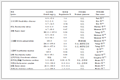
3 Results 3.1 Environmental ParametersThe temperature of the studied area varied from 7.43℃ (3600-08-72) to 27.73℃ (3600-08-00), and salinity varied from 30.47 (3600-08-00) to 32.87 (3400-08-67) (Fig.2). The various physical and chemical parameters of sites 3400-04 and 3500-03, where depth was lesser than 30 m, showed negligible change in the vertical water column. At the other sites, the temperature gradually decreased along the vertical water column, while the salinity increased gradually, especially at the depth of 20 − 40 m, which are characteristics of a thermo-halocline (Herrero et al., 2001). The concentrations of nutrients and Chl a at each site are shown in Table 1. The phosphate and nitrate contents at each site also showed significant change in the middle layer, while ammonium and nitrite contents were stable in the vertical direction. At offshore sites (3400-08, 3500-08, and 3600-08), the concentration of DSi and DTP in middle layer was lower than that in the surface layer. The concentration of DTN in middle layer at 3500-08 and 3600-08 were lower than that at the surface of the two sites. The concentration of Chl a ranged from 0.08 μg L−1 (3500-08-72 and 3600-08-72) to 2.39 μg L−1 (3400-04-00).

|
Fig. 2 Temperature and salinity of each site. |
|
Table 1 Concentration of nutrients and Chl a at each site |
The abundance of Synechococcus in the studied area ranged from 6.36 × 10² cells mL−1 (3400-08-00) to 4.51 × 10⁴ cells mL−1 (3600-08-30) (Fig.3). The average abundance was 6.61 × 10³ cells mL−1. With the exception of that at site 3400-04, the abundance of Synechococcus in the vertical column was always highest at the subsurface layer and lowest at the surface layer. Spatially, the mean abundance of the six sites showed an increasing trend from coastal to the off-shore sites. The salinity (P < 0.01, ρ = 0.544) and the temperature (P < 0.05, ρ = −0.695) correlated significantly with the abundance of Synechococcus.
3.3 Composition of Synechococcus AssemblagesIn total, 905072 sequences and 3992 OTUs, were obtained from rpoC1 sequencing data. The coverages of all samples were higher than 0.99, indicating that the depth of sequencing was reasonable (Table 2). The Sobs index showed an apparent increase from the surface to the bottom at all sampling sites. The Shannon index was higher at the deep layer (4.00), which was approximately double of that at the other sites.
|
|
Table 2 Sample alpha diversity index |
The clustering results of Synechococcus assemblages showed that all samples could be divided into three groups with the similarity of 0.38 (Fig.4a), which represented coastal (Group Ⅰ), off-shore upper (Group Ⅱ), and off-shore bottom (Group Ⅲ) samples. S5.1 Clade Ⅱ was the main component in Group Ⅰ, with an average proportion of 80.67%. In addition, S5.2 was relatively higher in Group Ⅰ than in the other two groups. Group Ⅱ was dominated by the S5.1 Clade Ⅲ, which accounted for 74.54% of the population. The proportion of unclassified assemblages (54.92% on average) was more in Group Ⅲ, with less of Clade Ⅰ (23.32% on average) and Clade Ⅲ (13.10% on average).

|
Fig. 4 Results of clustering and RDA analyses. Others are Synechocooccus, including Freshwater-F, S5.1-Ⅶ, and S5.1-Ⅷ, Cyanobium. T, D and S represent temperature, depth, and salinity, respectively. (a), phylogenetic composition of Synechococcus assemblage; (b), RDA bioplot of Synechococcus and environmental factors. |
Correlations of the community composition with environmental parameters were analyzed using RDA (Fig.4b). Variance inflation Factor (VIF) variance expansion removed environmental factors with strong collinearity (Wang et al., 2016), including phosphate, nitrate, DTP, temperature, and depth. The environmental variables of the first two-dimensions explained 44.21% of the total variation of the bacterial composition. Monte Carlo variables tests (999 permutations) showed that the NO2−-N content (P = 0.001) contributed significantly to the relationship between Synechococcus species and their environmental parameters. On the RDA1 axis, NO2− content correlated positively with samples derived from coastal areas (3400-04-00, 3400-04-10, and 3400-04-19); on the RDA2 axis, salinity showed positive correlation with samples derived from the off-shore bottom (3500-06-46, 3400-08-70, 3500-08-72, 3600-08-30, and 3600-08-72).
Microbial indicators refer to representative microorganisms that indicate the status of contamination in environmental samples. For example, Bacillus is the indicator for nitrite level in sewage treatment (Mahapatra et al., 2013; Zheng et al., 2018; Muñoz-Marín et al., 2020). Synechococcus, a single-celled organism, adapts sensitively to the environment; hence, it might be an ideal biological indicator for the environment. In RDA (Fig.5a), some OTUs showed significant relationship with environmental parameters including nitrite level and salinity. OTU3114 and OTU1571 fitted linearly with the nitrite level, while OTU26 and OTU952 fitted with salinity (Fig.5b). The correlation values of OTU3114 and OTU26 fitted well, with R2 > 0.6, indicating that these two were the potential OTU indicators that should be investigated further. The phylogenetic tree revealed that OTU3114 belonged to the S5.1 Clade Ⅵ and OTU26 was in the branch of S5.1 Clade Ⅰ (Fig.5c).

|
Fig. 5 Response of Synechococcus to the environment. (a), RDA bioplot of OTUs and environmental factors; (b), the fitting between OTUs and environmental factors; (c), the location of OTUs that fit well with nitrite level and salinity in the phylogenetic tree. |
In the co-occurrence network, genetic correlation linked 557 nodes via 28868 connections. Synechococcus was connected to 181 prokaryotic OTU nodes (Fig.6a). Proteobacteria was the most abundant (255 OTUs), followed by Bacteroidetes (107), Actinomycetes (49), Planctomycetes (43), and Verrucomicrobia (25). Co-occurrence networks of Synechococcus and microorganisms in different groups were listed (Fig.6b). Irrespective of the group, Proteobacteria predominantly coexisted (about 30%) with Synechococcus. In Group Ⅰ, Proteobacteria (35.56%), Actinobacteria (19.50%), Bacteroidetes (14.61%), Firmicutes (4.42%), Cyanobacteria (3.59%), Euryarchaeota (3.14%), and Planctomycetes (2.58%) were the most abundant phyla related to Synechococcus. Compared to the other two groups, a higher proportion of Bacteroidetes coexisted with Synechococcus in Group Ⅰ. In Group Ⅱ, Synechococcus (37.29%) and Proteobacteria (34.50%) made up most of the biomass. However, two phyla, Marinimicrobia (3.44%) and Thaumarchaeota (13.15%), which were related to Synechcocccus, were absent from Group Ⅰ and Group Ⅱ. Furthermore, the proportions of Actinobacteria (22.89%) and Euryarchaeota (7.69%) associated with Synechococcus also increased compared with the Group Ⅰ and Group Ⅱ.

|
Fig. 6 Co-occurrence network. Based on the correlation analysis of the co-occurrence network, the bar graph below the network shows the proportion of each factor. (a), the co-occurrence network of Synechococcus and other microorganisms; (b), the co-occurrence network of Synechococcus and microorganisms in different groups. Grouping according to the clustering results at the species level: coast site 3400-04 is in Group Ⅰ, 0−30 m water layers samples are in Group Ⅱ, and cold water mass water layers are in Group Ⅲ. |
The abundance of Synechococcus ranged from 102 to 104 cells mL−1 in the studied Yellow Sea area. The abundance was consistent with that observed in previous studies in the Yellow Sea (Qu et al., 2010; Zhao et al., 2019) and in northeastern Mediterranean at the same latitude (Uysal and Köksalan, 2017). It was slightly lower than that at the Pearl River Estuary located at approximately 22˚N (Xia et al., 2017), which might be because of the temperature. Temperature has been found to affect Synechococcus abundance positively worldwide (Jiang et al., 2016). The vertical distribution of Synechococcus correlated highly with the Chl a content. In studied area, the maximum of Chl a content located in the subsurface, and the abundance distribution of Synechococcus was consistent with it. This was observed in the studied area after the thermo-halocline was formed during spring, which was caused by higher nutrient concentrations in the lower water mass, combined with proper light intensity. Similar vertical distribution was also observed in the coastal area of the Black Sea (Di Cesare et al., 2020). Nutrients may possibly be another factor affecting Synechococcus abundance distribution on the regional scale. The horizontal distribution of Synechococcus in the same layer also showed a decreasing trend from off-shore to the coastal sites concurrent with the changes in the nutrient regime.
The decrease in the concentration of Synechococcus in the deep layer of the off-shore sites might be related to the YSCWM. The cold water mass of the Yellow Sea is an important phenomenon that occurs in summer. It was previously observed that the North Yellow Sea Cold Water Mass affected the vertical distribution of Synechococcus (Wang et al., 2008). The nutrients in cold water masses tend to be higher in the open sea and lower at the coast, which affected the vertical distribution of phytoplankton (Li et al., 2006). Site 3500-06 in the studied area was located on the edge of the YSCWM, and 3400-08, 3500-08, and 3600-08 were in the YSCWM (Yang et al., 2019b). The abundance of Synechococcus in the middle layers (20–30 m) of these sites was the highest: 3500-06, 8.43 × 10³ cells mL−1, 20 m; 3400-08, 1.61 × 10⁴ cells mL−1, 30 m; 3500-08, 2.06 × 10⁴ cells mL−1, 30 m; 3600-08, 4.51 × 10⁴ cells mL−1, 30 m. The abundance of Synechococcus at the bottom of the cold water mass was lower than that at the middle layers; this might be because the temperature of the cold water mass was low (less than 12℃), which did not support the growth of Synechococcus. Research on Zhangzi Island in summer revealed that under the influence of the North Yellow Sea Cold Water Mass, the maximum abundance of Synechococcus appeared in the thermo-halocline, while the abundance in the Cold Water Mass was extremely low. This phenomenon only appeared in the area affected by the cold water mass (Zhao et al., 2018).
4.2 Composition Characteristics of SynechococcusS5.1 and S5.2 were the two major Synechococcus subclusters detected in the studied sea area. In S5.1, Clade Ⅰ, Clade Ⅱ, and Clade Ⅲ were the main components that occupied different niches. Clade Ⅰ was mainly distributed in the cold water mass water layers. Clade Ⅱ was dominant at the coastal site (80.64%), and less in oligotrophic waters from the surface layer to the subsurface layer (approximately 20%). Clade Ⅲ was distributed in each water layer at each site, mainly in the upper water layer (74.54%). The distribution characteristics of Synechococcus in the studied area are basically consistent with other sea areas in the world (Xia et al., 2019). S5.2 is a typically estuarine species, with diverse representative strains in different estuaries (Chen et al., 2006). However, it was detected at the coast in the studied area. Xia et al. (2017) found that the abundance of S5.2 was relatively high in the medium salinity waters. The distribution of S5.2 in the studied sea area might be related to the salinity.
Distinct Synechococcus assemblages were identified in coastal samples compared to those in other off-shore samples. S5.1 Clade Ⅱ and S5.2 were the two main species in the coastal site 3400-04. The concentration of Chl a at this site was significantly higher than that in the other five sites. RDA showed that this composition distribution could be explained by nitrite content. These two evolution categories (S5.1 Clade Ⅱ and S5.2) were detected in the chlorophyll front in the southern boundary of the sub-Arctic gyre and the Pearl River Estuary, respectively (Polovina et al., 2017; Li et al., 2019). High nitrite concentration was also recorded in the coastal area during June 2001, which could be attributed to the influence of the tidal front in the South Yellow Sea (Li et al., 2007). Studies have shown that cyanobacteria can assimilate various nitrogen sources, including NH4+, NO3−, and NO2− (Herrero et al., 2001). S5.1 Clade Ⅱ and S5.2 might directly absorb nitrite (NO2−). Whether Synechococcus can use nitrite as a nitrogen source warrants further investigations.
4.3 Geochemical Functions of Synechococcus in the Yellow SeaThe co-occurrence analyses showed that Synechococcus was associated with various microorganisms. Based on these broad correlations, we concluded that Synechococcus participated in various element cycles via direct metabolism or exchange of metabolites. Synechococcus can coexist via extensive interactions with various heterotrophic bacteria in different water layers (Fig.5b). The 16S functional microbiota identified using the FAPRO TAX database showed that Synechococcus and coexisting microorganisms were involved in carbon (C), nitrogen (N), sulfur (S), manganese (Mn), and variable (VA) cycles. Synechococcus may participate in the ecosystem element cycle by interacting with these microorganisms.
Synechococcus contributed significantly to global primary productivity and the carbon cycle (Li et al., 2018). In addition to the carbon fixation function, Synechococcus also performed various potential ecological functions. Studies over the last 15 years show that Synechococcus can use different organic compounds containing key elements such as N (amino acids, amino sugars), S (dimethylsulfoniopropionate, DMSP), or P (ATP) to survive in oligotrophic oceans (Muñoz-Marín et al., 2020). Studies have also shown that the PE-rich Synechococcus isolates in the Gulf of Mexico and the North Atlantic can transport DMSP (Malmstrom et al., 2005). Marine Synechococcus isolates can use NH4+, NO2−, NO3−, urea and amino acids as nitrogen sources (Moore et al., 2002). That Synechococcus can utilize nitrogen source was believed to be related to PE, the light-harvesting pigmentprotein of Synechococcus (Wyman et al., 1985). Under conditions of nitrogen deficiency, Synechococcus can degrade photosynthetic pigments and release nitrogen sources into the environment, which is regulated by NtcA (Herrero et al., 2001). The major element cycles that Synechococcus may be involved in were predicted on the basis of the results of previous studies. However, this is only a prediction, which needs to be verified by elemental culture experiments and molecular experiments.
5 ConclusionsThe abundance distribution, genus composition, and environmental constraints of Synechococcus were studied in the Yellow Sea. The Synechococcus abundance ranged from 6.36 × 10² to 4.51 × 10⁴ cells mL−1, with the maximum abundance in the subsurface and increase in abundance from the coast to the off-shore area, which was influenced by in situ temperature and cold water mass. The assemblage composition of Synechococcus included two subclusters, S5.1 (including Clade Ⅰ, Clade Ⅱ, Clade Ⅲ, and Clade Ⅵ) and S5.2, in the studied area. Clade Ⅰ mainly occurred in the water layer of the cold water mass, while Clade Ⅱ was dominant at coastal site 3400-04. Clade Ⅲ was the most abundant branch, mainly distributed in the upper water layer. S5.2 was mainly located in the site 3400-04 and few in other samples. The differences in Synechococcus composition could be mainly explained based on nitrite content. Synechococcus mainly coexisted with bacteria belonging to Proteobacteria, Bacteroides, Actinomycetes, Planctomycetes, and Verrucomicrobia. Synechococcus coexisted via extensive interactions with various heterotrophic bacteria to participate in the elemental cycles. Furthermore, the distribution of some OTUs agreed with in situ nitrite level and salinity, which could be potential indicators of seawater condition. This study revealed the distribution patterns of Synechococcus and their environmental constraints, and it predicts the related geochemical processes in the Yellow Sea. However, these observations regarding the function of Synechococcus as indicators of environmental conditions are only preliminary and have to be confirmed by more extensive survey data and culture experiments with gradient of nitrites or salinity in the future.
AcknowledgementsThis work is supported by the Key Deployment Project of Center for Ocean Mega-Science, Chinese Academy of Sciences (No. COMS2020Q09), the National Key Research and Development Program of China (No. 2018 YFD0901102), and the Science and Technology Program of Yantai (No. 2017ZH095).
Bai, X., Wang, M., Liang, Y., Zhang, Z., Wang, F., and Jiang, X.. 2012. Distribution of microbial populations and their relationship with environmental variables in the North Yellow Sea, China. Journal of Ocean University of China, 11(1): 75-85. DOI:10.1007/s11802-012-1799-8 (  0) 0) |
Bastian, M., Heymann, S., and Jacomy, M., 2009, Gephi: An open source software for exploring and manipulating networks. Proceedings of the Third International ICWSM Conference. 361-362.
( 0) |
Bokulich, N. A., Subramanian, S., Faith, J. J., Gevers, D., Gordon, J. I., Knight, R., et al.. 2013. Quality-filtering vastly improves diversity estimates from Illumina amplicon sequencing. Nature Methods, 10(1): 57-59. DOI:10.1038/nmeth.2276 ( 0) |
Bolyen, E., Rideout, J. R., Dillon, M. R., Bokulich, N. A., Abnet, C. C., Al-Ghalith, G. A., et al.. 2019. Reproducible, interactive, scalable and extensible microbiome data science using QⅡME 2. Nature Biotechnology, 37(8): 852-857. DOI:10.1038/s41587-019-0209-9 ( 0) |
Brown, J., Pirrung, M., and McCue, L. A.. 2017. FQC dashboard: Integrates FastQC results into a web-based, interactive, and extensible FASTQ quality control tool. Bioinformatics, 33(19): 3137-3139. DOI:10.1093/bioinformatics/btx373 ( 0) |
Caporaso, J. G., Kuczynski, J., Stombaugh, J., Bittinger, K., Bushman, F. D., Costello, E. K., et al.. 2010. QⅡME allows analysis of high-throughput community sequencing data. Nature Methods, 7(5): 335-336. DOI:10.1038/nmeth.f.303 ( 0) |
Chen, F., Wang, K., Kan, J., Suzuki, M. T., and Wommack, K. E.. 2006. Diverse and unique picocyanobacteria in Chesapeake Bay, revealed by 16S-23S rRNA internal transcribed spacer sequences. Applied and Environmental Microbiology, 72(3): 2239-2243. DOI:10.1128/AEM.72.3.2239-2243.2006 ( 0) |
Dafner, E. V.. 2015. Segmented continuous-flow analyses of nutrient in seawater: Intralaboratory comparison of technicon Autoanalyzer Ⅱ and Bran+Luebbe continuous flow Autoanalyzer Ⅲ. Limnology and Oceanography: Methods, 13(10): 511-520. DOI:10.1002/lom3.10035 ( 0) |
Di Cesare, A., Dzhembekova, N., Cabello-Yeves, P. J., Eckert, E. M., Slabakova, V., Slabakova, N., et al.. 2020. Genomic comparison and spatial distribution of different Synechococcus phylotypes in the Black Sea. Frontiers in Microbiology, 11(1979): 1-14. ( 0) |
Farrant, G. K., Doré, H., Cornejo-Castillo, F. M., Partensky, F., Ratin, M., Ostrowski, M., et al.. 2016. Delineating ecologically significant taxonomic units from global patterns of marine picocyanobacteria. Proceedings of the National Academy of Sciences, 113(24): E3365-E3374. DOI:10.1073/pnas.1524865113 ( 0) |
Flombaum, P., Gallegos, J. L., Gordillo, R. A., Rincón, J., Zabala, L. L., Jiao, N., et al.. 2013. Present and future global distributions of the marine Cyanobacteria Prochlorococcus and Synechococcus. Proceedings of the National Academy of Sciences, 110(24): 9824-9829. DOI:10.1073/pnas.1307701110 ( 0) |
Herrero, A., Muro-Pastor, A. M., and Flores, E.. 2001. Nitrogen control in cyanobacteria. Journal of Bacteriology, 183(2): 411-425. DOI:10.1128/JB.183.2.411-425.2001 ( 0) |
Jiang, T., Chai, C., Wang, J., Zhang, L., Cen, J., and Lu, S.. 2016. Temporal and spatial variations of abundance of phycocyanin and phycoerythrin-rich Synechococcus in Pearl River Estuary and adjacent coastal area. Journal of Ocean University of China, 15(5): 897-904. DOI:10.1007/s11802-016-3011-z ( 0) |
Li, H. B., Lv, R. H., Ding, T., and Lin, Y. A.. 2007. Impact of tidal front on the distribution of bacterioplankton in the southern Yellow Sea, China. Journal of Marine Systems, 67: 263-271. DOI:10.1016/j.jmarsys.2006.04.016 ( 0) |
Li, H., Xiao, T., Ding, T., and Lü, R.. 2006. Effect of the Yellow Sea Cold Water Mass (YSCWM) on distribution of bacterioplankton. Acta Ecologica Sinica, 26(4): 1012-1019. DOI:10.1016/S1872-2032(06)60020-6 ( 0) |
Li, J., Chen, Z., Jing, Z., Zhou, L., Li, G., Ke, Z., et al.. 2019. Synechococcus bloom in the Pearl River Estuary and adjacent coastal area–with special focus on flooding during wet seasons. Science of the Total Environment, 692: 769-783. DOI:10.1016/j.scitotenv.2019.07.088 ( 0) |
Li, Y., Tang, K., Zhang, L., Zhao, Z., Xie, X., Chen, C. T. A., et al.. 2018. Coupled carbon, sulfur, and nitrogen cycles mediated by microorganisms in the water column of a shallowwater hydrothermal ecosystem. Frontiers in Microbiology, 9(2718): 1-13. ( 0) |
Louca, S., Parfrey, L. W., and Doebeli, M.. 2016. Decoupling function and taxonomy in the global ocean micro-biome. Science, 353(6305): 1272-1277. DOI:10.1126/science.aaf4507 ( 0) |
Ma, B., Wang, H., Dsouza, M., Lou, J., He, Y., Dai, Z., et al.. 2016. Geographic patterns of co-occurrence network topological features for soil microbiota at continental scale in eastern China. The ISME Journal, 10(8): 1891-1901. DOI:10.1038/ismej.2015.261 ( 0) |
Mahapatra, D. M., Chanakya, H. N., and Ramachandra, T. V.. 2013. Treatment efficacy of algae-based sewage treatment plants. Environmental Monitoring and Assessment, 185(9): 7145-7164. DOI:10.1007/s10661-013-3090-x ( 0) |
Malmstrom, R. R., Kiene, R. P., Vila, M., and Kirchman, D. L.. 2005. Dimethylsulfoniopropionate (DMSP) assimilation by Synechococcus in the Gulf of Mexico and Northwest Atlantic Ocean. Limnology and Oceanography, 50(6): 1924-1931. DOI:10.4319/lo.2005.50.6.1924 ( 0) |
Moore, L. R., Post, A. F., Rocap, G., and Chisholm, S. W.. 2002. Utilization of different nitrogen sources by the marine cyanobacteria Prochlorococcus and Synechococcus. Limnology and Oceanography, 47(4): 989-996. DOI:10.4319/lo.2002.47.4.0989 ( 0) |
Muñoz-Marín, M. C., Gómez-Baena, G., López-Lozano, A., Moreno-Cabezuelo, J. A., Díez, J., and García-Fernández, J. M.. 2020. Mixotrophy in marine picocyanobacteria: Use of organic compounds by Prochlorococcus and Synechococcus. The ISME Journal, 14: 1065-1073. DOI:10.1038/s41396-020-0603-9 ( 0) |
Paulsen, M. L., Doré, H., Garczarek, L., Seuthe, L., Müller, O., Sandaa, R. A., et al.. 2016. Synechococcus in the Atlantic gateway to the Arctic Ocean. Frontiers in Marine Science, 3(191): 1-14. ( 0) |
Picot, J., Guerin, C. L., Le Van Kim, C., and Boulanger, C. M.. 2012. Flow cytometry: Retrospective, fundamentals and recent instrumentation. Cytotechnology, 64(2): 109-130. DOI:10.1007/s10616-011-9415-0 ( 0) |
Polovina, J. J., Howell, E. A., Kobayashi, D. R., and Seki, M. P.. 2017. The transition zone chlorophyll front updated: Advances from a decade of research. Progress in Oceanography, 150: 79-85. DOI:10.1016/j.pocean.2015.01.006 ( 0) |
Qu, P., Zhang, X. L., Wang, Z. L., Pang, M., Fu, M. Z., and Li, Z.. 2010. The abundance distribution of picophytoplankton in the southern Huanghai Sea in summer. Acta Oceanologica Sinica, 32(4): 155-167 (in Chinese with English abstract). ( 0) |
Quast, C., Pruesse, E., Yilmaz, P., Gerken, J., Schweer, T., Yarza, P., et al.. 2012. The SILVA ribosomal RNA gene database project: Improved data processing and web-based tools. Nucleic Acids Research, 41(D1): D590-D596. DOI:10.1093/nar/gks1219 ( 0) |
Rogers, M. B., Firek, B., Shi, M., Yeh, A., Brower-Sinning, R., Aveson, V., et al.. 2016. Disruption of the microbiota across multiple body sites in critically ill children. Microbiome, 4(1): 1-10. DOI:10.1186/s40168-015-0145-y ( 0) |
Saito, M. A., Rocap, G., and Moffett, J. W.. 2005. Production of cobalt binding ligands in a Synechococcus feature at the Costa Rica upwelling dome. Limnology and Oceanography, 50(1): 279-290. DOI:10.4319/lo.2005.50.1.0279 ( 0) |
Scanlan, D. J., and West, N. J.. 2002. Molecular ecology of the marine cyanobacterial genera Prochlorococcus and Synechococcus. FEMS Microbiology Ecology, 40(1): 1-12. DOI:10.1111/j.1574-6941.2002.tb00930.x ( 0) |
Scanlan, D. J., 2012. Marine picocyanobacteria. In: Ecology of Cyanobacteria Ⅱ. Springer, Dordrecht, 503-533.
( 0) |
Sohm, J. A., Ahlgren, N. A., Thomson, Z. J., Williams, C., Moffett, J. W., Saito, M. A., et al.. 2016. Co-occurring Synechococcus ecotypes occupy four major oceanic regimes defined by temperature, macronutrients and iron. The ISME Journal, 10(2): 333-345. DOI:10.1038/ismej.2015.115 ( 0) |
Tang, Y. X., Zou, E., Lie, H. J., and Lie, J. H.. 2000. Some features of circulation in the southern Huanghai Sea. Acta Oceanologica Sinica, 22(1): 1-16 (in Chinese with English abstract). ( 0) |
Uysal, Z., and Köksalan, İ.. 2017. Short term temporal and spatial fluctuations in marine cyanobacterium Synechococcus abundance in oligotrophic deep shelf water (northeastern Mediterranean). Fresenius Environmental Bulletin, 26(8): 5115-5124. ( 0) |
Wang, J. T., Zheng, Y. M., Hu, H. W., Li, J., Zhang, L. M., Chen, B. D., et al.. 2016. Coupling of soil prokaryotic diversity and plant diversity across latitudinal forest ecosystems. Scientific Reports, 6(1): 1-7. DOI:10.1038/s41598-016-0001-8 ( 0) |
Wang, M., Bai, X. G., Liang, Y. T., Wang, F., Jiang, X. J., Guo, Y. J., et al.. 2008. Summer distribution of picophytoplankton in the North Yellow Sea. Journal of Plant Ecology, 32(5): 1184-1193 (in Chinese with English abstract). ( 0) |
Wyman, M. R. P. F., Gregory, R. P. F., and Carr, N. G.. 1985. Novel role for phycoerythrin in a marine cyanobacterium, Synechococcus strain DC2. Science, 230(4727): 818-820. DOI:10.1126/science.230.4727.818 ( 0) |
Xia, X., Cheung, S., Endo, H., Suzuki, K., and Liu, H.. 2019. Latitudinal and vertical variation of Synechococcus assemblage composition along 170˚W transect from the South Pacific to the Arctic Ocean. Microbial Ecology, 77(2): 333-342. DOI:10.1007/s00248-018-1308-8 ( 0) |
Xia, X., Guo, W., Tan, S., and Liu, H.. 2017. Synechococcus assemblages across the salinity gradient in a salt wedge estuary. Frontiers in Microbiology, 8(1254): 1-12. ( 0) |
Xin, M., Ma, D., and Wang, B.. 2015. Chemicohydrographic characteristics of the Yellow Sea Cold Water Mass. Acta Oceanologica Sinica, 34(6): 5-11. DOI:10.1007/s13131-015-0681-0 ( 0) |
Yang, W., Guan, Y., Zhai, C., Wang, T., Shi, D., Chen, J., et al.. 2019. Response of fungal communities and co-occurrence network patterns to compost amendment in black soil of Northeast China. Frontiers in Microbiology, 10(1562): 1-11. ( 0) |
Yang, Y., Li, K., Du, J., Liu, Y., Liu, L., Wang, H., et al.. 2019. Revealing the subsurface Yellow Sea Cold Water Mass from satellite data associated with typhoon Muifa. Journal of Geophysical Research: Oceans, 124(10): 7135-7152. DOI:10.1029/2018JC014727 ( 0) |
Zhao, L., Zhao, Y., Dong, Y., Zhao, Y., Zhang, W., Xu, J., et al.. 2018. Influence of the northern Yellow Sea Cold Water Mass on picoplankton distribution around the Zhangzi Island, northern Yellow Sea. Acta Oceanologica Sinica, 37(5): 96-106. DOI:10.1007/s13131-018-1149-9 ( 0) |
Zhao, Y., Yu, R. C., Kong, F. Z., Wei, C. J., Liu, Z., Geng, H. X., et al.. 2019. Distribution patterns of picosized and nanosized phytoplankton assemblages in the East China Sea and the Yellow Sea: Implications on the impacts of Kuroshio intrusion. Journal of Geophysical Research: Oceans, 124(2): 1262-1276. DOI:10.1029/2018JC014681 ( 0) |
Zheng, Q., Wang, Y., Xie, R., Lang, A. S., Liu, Y., Lu, J., et al.. 2018. Dynamics of heterotrophic bacterial assemblages within Synechococcus cultures. Applied and Environmental Microbiology, 84(3): 1-16. ( 0) |
Zwirglmaier, K., Jardillier, L., Ostrowski, M., Mazard, S., Garczarek, L., Vaulot, D., et al.. 2008. Global phylogeography of marine Synechococcus and Prochlorococcus reveals a distinct partitioning of lineages among oceanic biomes. Environmental Microbiology, 10(1): 147-161. ( 0) |