 2023, Vol. 22


2) Key Laboratory of Marine Environment and Ecology, Ministry of Education, Ocean University of China, Qingdao 266100, China;
3) Shandong Provincial Key Laboratory of Marine Environment and Geological Engineering, Ocean University of China, Qingdao 266100, China
Coastal wetlands located in the transition zone between sea and land constitute a special ecosystem with primary productivities and biological diversities relied on brackish water. In recent decades, due to the combined effects of sea level rise, storm tide, and saltwater intrusion, the salinization of coastal wetlands has gradually become a serious problem and posted a threat to the wetland ecology (Ardon et al., 2013; van Dijk et al., 2015). For example, the pH and salinity of soil in the Chinese largest costal wetland, Yellow River Delta, had reach to 7.93 and 5.4, respectively (Cheng et al., 2021). High salinization can increase the rate of net N and P mineralization fluxes and turnover in soil, alternating the vegetation distribution and inhibiting the survival of plant (Ardon et al., 2013; Yu et al., 2016). The disappear of vegetation in coastal wetlands not only destroys coastal landscape, but also causes soil erosion. Therefore, it was essential to develop an effective strategy to assure the growth of plants in coastal salinealkali land.
Though selecting suitable salt tolerant and alkaline tolerant plant species may improve plant's survival rate in saline-alkali soil (Saghafi et al., 2019), saline-alkali stress can destroy the morphology and enzyme system of plant cells (Munns and Tester, 2008). The high osmotic potential will affect the absorption of water and nutrients by plant cells, which can cause the rupture of cell membrane (Munns and Tester, 2008). Plants also accumulate reactive oxygen species (ROS) as a stress response, but an excess of ROS can damage membrane lipid, proteins and nucleic acids, destroying the antioxidative defense system of plants (Radhakrishnan and Baek, 2017). To improve the rate of plant growth, one promising method is to use microbes like plant growth-promoting endophytes (PGPEs) as fertilizer. A number of studies have confirmed that under salt stress and alkali stress, PGPEs could improve the growth of food crops which are usually non-salt tolerant including rice (Bu et al., 2012), sugarcane (Kruasuwan and Thamchaipenet, 2018), wild barley (Wang et al., 2020), etc. In consideration of coastal wetland restoration, planting halophytes must be a better option. However, there are few reports about whether endophytes can promote the growth of halophytes in saline-alkali environment.
Exploring the role of endophyte in plant growth has attracted increasing interest. According to the previous studies, the growth-promotion mechanism of endophytes on plants can be classified into direct and indirect effects (Santoyo et al., 2016). The direct effects include increasing the absorption of nutrients or secreting hormones to regulate the growth process of plants, and the indirect effects are to prevent the invasion of phytopathogenic organisms (Santoyo et al., 2016). Some endophytes can produce secretions such as indole-3-aceticacid (IAA) and 1-aminocyclopropane-1-carboxylate (ACC) deaminase to affect plant growth (Komaresofla et al., 2019) and some can improve photosynthetic ability, antioxidant potential, and osmotic and ionic adjustment of plants (Bu et al., 2012; Chen et al., 2018). Most current research about using PGPEs to promote plant growth only focus on saline stress or alkali stress separately. However, since soil salinization and alkalization usually happen simultaneously in costal wetland, it is necessary to consider the saline-alkali stress simultaneously.
Using suitable PGPEs to enhance plants' tolerance of saline-alkali stress should be an effective method for bioremediation of coastal landscape. Since saline-alkali resistant PGPEs were less reported and their interactions remain unclear, in this work, we first collected halophyte samples at coastal wetlands to isolate plant-growth promoting endophytic bacteria. Then the selective endophyte would be used to inoculate Suaeda glauca which is a kind of salt-tolerant halophytes widely distributed in the Yellow River Delta under different NaCl concentrations and pH values. The object of this study was to investigate whether the endophytic bacteria could improve the growth of halophytes and in which aspects that they could alleviate the saline-alkali stress.
2 Materials and Methods 2.1 Isolation and Identification of Plant-Growth Promoting BacteriaTo obtain plant-growth promoting bacteria, leaf samples of Suaeda salsa were collected from a coastal wetland in Qingdao, China (120.6808˚E, 36.2789˚N). The leaf samples were first washed by distilled water, and then sterilized by 75% ethanol solution for 1 min. After rinsing by sterilized 0.9% NaCl solution, the leaves were crushed to homogenate in a sterilized mortar and inoculated to nutrient agar medium (NAM, including 0.5% peptone, 0.3% beef extract, 0.5% NaCl and 1.5% agar). The culture plates were incubated at 30℃ for 3 – 5 d till visible colonies appeared. According to the result of pre-experiment, one of the isolated strains that could reduce germination time of S. glauca and could live in pH ranging from 6.0 to 8.0 and NaCl concentration from 0 – 680 mmol L−1 was selected for subsequent studies. The bacteria species were identified by 16S rRNA in Beijing Genomics Institution (BGI, China), where the polymerase chain reaction (PCR) was amplified by the primer of 1492R (5'-TACGGTTACCTTGTTACGACTT-3') and self-synthesizing primer (5'-GGAAGCCACTCCTCAAG GGAACA-3').
2.2 Plant MaterialsTo ensure that the endophyte was exogenous, another species from the same genus, S. glauca, was chosen as the host plant. The seeds of S. glauca were purchased from Dongying Qiaohua Tamarix Cultivation Co., Ltd., China. Before planting, the seeds were surface sterilized in 5% hydrogen peroxide for 10 min, and then rinsed by sterilized water. They were sowed in flowerpots with sterilized vermiculite, cultured indoors at 15 – 20℃ and watered regularly until the seedlings grew to 2 – 3 leaves.
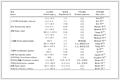
2.3 Pot ExperimentThe S. glauca seedlings were transplanted into 250 mL glass beakers, 20 – 30 seedlings per pot, and fixed with net and sterilized vermiculite. For endophytic bacteria infected group (E+), 50 mL endophytic bacteria suspension with OD600 about 0.4 and 100 mL sterilized water were added in the beakers. The non-infected group (E-) only added with 150 mL sterilized water. After stabilization for 3 d, the water in each pot were replaced by 150 mL Hoagland nutrient solution (Qingdao Hope Bio-Technology, China) with different salinity and pH: six test groups with NaCl concentrations of 150, 300 and 450 mmol L−1 at pH of 7 and 8, respectively, and one control group at pH 7 without extra NaCl addition (Table 1). Each group contains three E+ pots and three Epots respectively (triplicate). The pH was adjected by NaHCO3 and the Hoagland nutrient solution would be replaced every 10 d. All of pots were placed in a clean light incubator, with temperature at 25℃ and 16 h for light and 8 h for darkness. The culture process lasted for 20 d.
|
Table 1 pH and salinity of each group for plant growth |
Strain HK1 was inoculated into Ashby solid mediums (nitrogen-free) and incubated at 30℃ for 5 d to qualitatively test the nitrogen fixation ability (Zhang et al., 2019). Strain HK1 was picked into NBRIP (National Botanical Research Institute's phosphate growth medium), cultured for 7 d at 30℃ to test the ability of phosphorus solution (Nautiyal, 1999). The assay for IAA production was tested by the method of Glickmann and Dessaux (1995), using 8 mL King B liquid medium with 2.5 mmol L−1 tryptophan to culture bacteria for 24 h at 30℃ and the secretion of IAA was detected by Salkowski reagent.
2.4.2 Plant growthThe shoot length and root length of all samples were recorded, and the fresh weight was measured after the surface wiped by blotting paper.
2.4.3 Osmotic adjustment substancesThe 0.1 g leaves of S. glauca in each pot were cut randomly and extracted by 5 mL 3% sulfosalicylic acid solution in boiling water for 15 min to test the content of proline at wavelength of 515 nm by ultraviolet-visible spectrophotometer following the method of Fu (2017). Another 0.1 g leaves were ground to measure soluble protein content using Coomassie Brilliant Blue Reagent G-250 at wavelength of 595 nm according to the method of Bradford (1976).
2.4.4 Antioxidant system characteristicsTo estimate the content of malondialdehyde (MDA), 0.5 g of fresh leaves were selected randomly in each pot and was ground with 5 mL 10% trichloroacetic acid (TCA). After centrifugation, 2 mL supernatant were mixed with 2 mL thiobarbituric acid to test the absorbance as described by Velikova et al. (2000). The crude enzyme solutions were prepared by grinding 0.5 g leaves with 50 mmol L−1 phosphate buffer solution (0.578 g L−1 KH2PO4, 6.496 g L−1 Na2HPO4, pH = 7.8). The superoxide dismutase (SOD), peroxidase (POD) and catalase (CAT) activities were estimated by the method described by Giannopolitis and Ries (1977) and Velikova et al. (2000).
2.5 Statistical AnalysesThe data were presented as mean ± standard deviation (3 replicates), and Duncan's test in analysis of variance (ANOVA) built into SPSS Statistics 22 was used for significance comparison (P < 0.05). Redundancy analysis (RDA) was performed on Canoco 5.0 software, and heat maps were drawn by the website of Hiplot.
3 Results and Discussion 3.1 Identification and Traits of Endophytic BacteriaThe endophytic bacteria isolated from the leaves of S. salsa was denoted as strain HK1. 16S rRNA sequence identification showed that strain HK1 was affiliated with the genus of Pantoea and it had the most similarity with Pantoea ananatis strain HPM-1 (accession number HE 716948.1) based on phylogenetic tree in GenBank (Fig.1). Some researchers have reported that P. ananatis had ability to promote growth of papaya, pepper and rice (Kang et al., 2007; Thomas et al., 2007; Lu et al., 2021), but there are few studies focusing on its promotion of halophyte. Endophytic bacteria could spread to epidermal root surfaces as well as above-ground internal tissues after infection (Chi et al., 2005), and the strain HK1 could be reisolated from the root and leaves. So, the promoting traits of endophyte could be applied to the roots and leaves.

|
Fig. 1 Phylogenetic tree of the strain HK1 based on neighbor-joining method. |
The in vitro plant-growth promoting traits revealed that strain HK1 was able to thrive on Ashby nitrogen-free medium, and the bacterial colonies appeared in only two days, which were moist and bulbous (Fig.2a). It preliminarily indicated that strain HK1 could fix nitrogen from the air. Phosphorus was present in NBRIP medium as insoluble tricalcium phosphate, but strain HK1 could grow on NBRIP medium and produce clear halos with an average diameter of 2.3 mm (Fig.2b), indicating its ability to dissolve inorganic phosphorus. As for IAA production, the test showed that strain HK1 could secrete 7.295 mg L−1 IAA in 24 h (mean value for triplicates), which was similar to the result of Gholamalizadeh et al. (2017).

|
Fig. 2 (a) The growth of strain HK1 on Ashby nitrogen-free medium and (b) the clear halos on NBRIP medium. |
Saline-alkali soil usually lacks essential nutrients for plant growth, such as N, P, K, Ca, Fe, etc. (Shrivastava and Kumar, 2015). Among them, N is a key element for plant growth because it can be found in all plant cells, proteins and chlorophyll. If endophytic bacteria are able to fix nitrogen, they can produce more inorganic nitrogen to plant and compensate for the lack of nutrient in soil. Rho et al. (2020) found that, N-fixing bacteria could help plant to maintain efficient photosynthesis and promote growth even though N supply was limited. In addition, soil alkalization should expedite the precipitation of P with Ca2+ and Mg2+, which severely limits the acquisition of P by plants. Endophytes with the ability to solve phosphorus can dissolve the insoluble phosphate minerals in soil by secreting organic acids or by other ways, so as to improve the available phosphorus content of the soil, facilitating plant to uptake P (Billah et al., 2019). IAA is a major auxin that controls many important physiological processes, including cell growth and tissue differentiation (Spaepen et al., 2007). However, saline-alkali stress can reduce auxin levels (Liu et al., 2013). Endophytic bacteria secreting IAA can have synergistic effect with auxin produced by plant and maintain the stability of plant growth signals, promoting the growth of plant (Liu et al., 2013). In conclusion, the ability of fix-N and dissolve P of strain HK1 can provide more N and P for plant, and IAA production capability can be the underlying mechanism for promoting plant growth.
3.2 Effect of Endophytic Bacteria on Plant GrowthSaline-alkali stress significantly inhibited the growth of S. glauca, but infection of strain HK1 could alleviate this limitation (Figs.3 and 4). With the concentration of NaCl increased, shoot lengths in both pH values were increased and then declined, which showed a consistent trend of other halophytes (Jin et al., 2016). E+ seedlings had a higher shoot length than Eseedlings in each test group (Fig.4a). Although the change of root length was not generally significant, there was a tendency that root length could be promoted at low NaCl concentration but inhibited at high concentration (Fig.4b). Except for the LS and MSA groups, the root length of E+ seedlings was shorter than that of Eseedlings, and Bu et al. (2012) believed that the shortened root length of E+ might be a protection mechanism for plants to reduce exposure and absorption of salt. Fresh weight of S. glauca had a similar trend with shoot length (Fig.4c). Fresh weight of E+ seedlings was generally greater than that of Eseedlings, especially in the test groups under pH of 7 (LS, MS, HS) and MSA with significant difference.

|
Fig. 3 The images of S. glauca seedlings after planting for 20 d. E+ represents endophyte endophyte infected and E-represents non-infected seedlings samples. |

|
Fig. 4 Variations in shoot length (a), root length (b) and fresh weight (c) of endophyte-infected (E+) vs. non-infected (E-) seedings under different pH values and NaCl concentrations. The different letters indicate significant difference at P < 0.05. |
Endophytic bacteria can enhance the ability of plants to resist adverse environment and improve the growth performance by affecting the physiological processes of plants, including osmotic adjustment, detoxification, phytohormone regulation and nutrient acquisition (Radhakrishnan and Baek, 2017; Vaishnav et al., 2019). Previous studies have indicated that inoculation with some endophytes could promote the growth of maize, rice, pepper and other plants in adverse environment (Kang et al., 2007; Lavakush et al., 2014; Krishnamoorthy et al., 2016). Our results confirmed that endophytic bacteria strain HK1 could promote the growth of S. glauca in saline-alkali environment, showing that PGPEs can also have positive effect on halophyte. Totally speaking, the strain HK1 had the most obvious growth-promoting effect when NaCl concentrations ranged in 150 – 300 mmol L−1 at two pH values. When the concentration of NaCl was greater than 300 mmol L−1, seed germination and bud growth of untreated S. glauca would be inhibited (Li et al., 2018). Therefore, when the pH was 8 and the NaCl concentration reached 450 mmol L−1, the promotion effect was not obvious, probably due to the irreparable damage of plant cells. Therefore, though inoculation of strain HK1 was able to enhance the threshold of salinity deterrence, the plant growth promoting effect had a certain range, which was superior in moderate saline-alkali environment.
3.3 Effect of Endophytic Bacteria on Plant PhysiologySaline-alkali stress and strain HK1 inoculation affected the content of proline and soluble protein in the leaves of S. glauca (Fig.5). Saline stress significantly increased the content of proline. In experimental groups, with the NaCl concentration increased from 150 to 450 mmol L−1, infected by strain HK1 (E+ seedlings) could promote the proline by 60.6%, 39.0%, 44.5% (pH = 7) and 55.9%, 61.1%, 26.2% (pH = 8), respectively, compared with Eseedlings (Fig.5a). However, the content of soluble protein didn't change obviously with increasing NaCl concentration (Fig.5b). Even if infected by strain HK1, the soluble protein content only increased slightly at pH of 8.

|
Fig. 5 Variations in proline content (a) and soluble protein content (b) of endophyte-infected (E+) vs. non-infected (E-) seedings under different pH values and NaCl concentrations. The different letters indicate significant difference at P < 0.05. |
Proline and soluble protein are important osmotic regulators in plants. The high osmotic potential of the extracellular environment can affect the root cells to absorb water and nutrients, and even cause rupture and death (Munns and Tester, 2008). As an osmotic adjustment substance in plant, proline could not only relieve the osmotic shock of plant cells, but also protect the plant from damage of reactive oxygen (Deinlein et al., 2014). The research of Rady et al. (2018) showed that proline could ameliorate the stress of NaCl and promote the growth of wheat. In this study, with the increase of salinity and pH value, the proline content in the leaves of S. glauca increased rapidly, which indicated that S. glauca adopted a strategy of increasing proline content to deal with osmotic stress. Infected by strain HK1 was able to significantly improve the content of proline in S. glauca. Proline production has high relationship with the activity of two key enzymes, pyrroline-5-carboxylate synthetase and ornithine-δ aminotransferase (Verslues and Sharma, 2010). Strain HK1 that can fix nitrogen might boost the production of proline by giving more N to S. glauca. Iqbal et al. (2015) found that, under salt stress, applying more nitrogen can increase proline content and recover photosynthesis. Soluble protein was also considered to be an osmotic regulator in plants Fu (2017). However, in this study, there was no notable changes of soluble protein content. Probably it was not the main osmotic adjustment substance for S. glauca.
Malondialdehyde (MDA) is a product of membrane lipid peroxidation, which can indicate the damage of plant cell biofilm (Bu et al., 2012). Saline-alkali stress significantly increased the content of MDA, but it decreased when NaCl concentration reached 450 mmol L−1 (Fig.6a), possibly because the peroxidation of cell membrane had completed. MDA in E+ seedlings were notably lower than Eseedlings, with a decrease of 16.8% – 32.9% in all experimental groups. SOD activity decreased slowly with the increase of salinity. Infected by strain HK1 decrease the activity of SOD in particular at pH of 8 (Fig.6b). However, when the salinity increased, the activity of POD and CAT decreased rapidly. Compared with Eseedlings, inoculation by HK1 significantly increased POD activity by 233%, 200%, 500% (pH 7) and 100%, 100%, 150% (pH 8) in NaCl concentration of 150, 300 and 450 mmol L−1, respectively (Fig.6c). Except for the HSA group, CAT activity of E+ seedlings were also significantly higher than that of Eseedlings, with an increase of 6.2% to 71.4% (Fig.6d).

|
Fig. 6 Variations in MDA content (a), SOD activity (b), POD activity (c) and CAT activity (d) of endophyte-infected (E+) vs. non-infected (E-) seedings under different pH values and NaCl concentrations. The different letters indicate significant difference at P < 0.05. |
Plants produce ROS in their life activities, and plants can control the concentration of ROS through a series of antioxidant enzymes including SOD, POD and CAT under normal circumstances (Muchate et al., 2016). However, facing saline-alkali stress, the photosynthetic process will be restricted, and a large number of superoxide radicals and singlet oxygen will be produced (Abogadallah, 2010). When the concentration of ROS exceeds the maximum self-regulation ability of plants, membrane lipid peroxidation will be triggered and cause cell death. In this study, exerting salinity stress and alkalinity stress alone or together both improved the MDA content of S. glauca. Inoculation of strain HK1 significantly reduced the content of MDA, indicating that it could alleviate the oxidative damage caused by saline-alkali environment. Under saline-alkali stress, the most common cleaning targets of antioxidant enzymes are O2− and H2O2. SOD can transform O2− into H2O2 through disproportionation reaction, and then CAT and POD can decompose H2O2 (Abogadallah, 2010). The result showed that though inoculation of endophytic bacteria HK1 had no obvious effect on SOD activity, it could significantly improve POD activity and CAT activity. Therefore, the plant could still maintain a strong ability to decompose H2O2 and alleviate the damage of peroxidation in consideration of the relatively indeclinable SOD activity. Besides, it was found that adding an appropriate amount of exogenous IAA could alleviate the oxidative damage of cucumber seedlings under alkali stress (Miao et al., 2014). Thus, the ability of strain HK1 that could relieve the oxidative stress might relate to the capacity of IAA production. However, because of the complicated relationship between auxin and antioxidant system, further study should be done to verify their interaction.
3.4 Statistical Analysis of Plant Physiological Indexes and Environmental FactorsRDA analysis was used to investigate the correlation between plant physiological indexes (shoot length, root length, fresh weight, proline, soluble protein, MDA, SOD, CAT and POD) and environmental factors (NaCl concentration, pH and endophytes infected or not). As shown in Fig.7, the RDA1 and RDA2 explained 39.10% and 32.13% of variation for plant physiological indexes. Proline content showed a strong positive correlation with NaCl concentration and pH, indicating that proline was a predominant stress response of S. glauca under salinealkali stress. As to strain HK1 infected plant, the proline content increased, showing that HK1 could induce S. glauca to produce more proline to improve permeability resistance. The MDA content also had strong positive relationship with NaCl concentration and pH, while antioxidant enzyme (SOD, CAT and POD) activities had negative correlation. It indicated that the oxidative damage of cell was mainly caused by the decrease of antioxidant enzyme activities. However, CAT and POD activities had positive relationship when plant infected, and MDA content had negative relationship, proving that strain HK1 could improve CAT and POD activities to alleviate oxidative stress and protect plant cells.

|
Fig. 7 Redundancy analysis (RDA) based on the plant physiological indexes and environmental factors. MDA, malondialdehyde content; SOD, superoxide dismutase activity; CAT, catalase activity; POD, peroxidase activity; Protein, soluble protein content; Proline, proline content. |
The heatmap of cluster analysis about the non-infected groups revealed that the stress response of the root system against oxidation was more intense because the root length and antioxidant enzymes showed a closer distance (Fig.8a). On the contrary, fresh weight and shoot length had a closer distance with soluble protein, which meant that the osmotic regulation was more significant for the aboveground tissue. The infection of HK1 increased the activity of antioxidant enzymes as well as the content of proline compared to the non-infection group under the same saline-alkali setting (Fig.8b). The indexes of antioxidant system showed a shorter distance with plant growth indexes (Fig.8b), which might suggest a stronger influence than osmotic regulation in improving the resistance of saline-alkali stress (Fig.9).

|
Fig. 8 Clustering heatmaps of non-infected group (a) and infected group (b). MDA, malondialdehyde content; SOD, superoxide dismutase activity; CAT, catalase activity; POD, peroxidase activity; Proline, proline content. |

|
Fig. 9 Mechanism of strain HK1 to promote the growth of S. glauca in saline-alkali stress. |
Endophytic bacteria strains HK1 isolated from S. salsa could fix nitrogen, dissolve phosphorus and secrete IAA. It could promote the growth of S. glauca in saline-alkali stress, and its positive effect was significant at pH of 7 and 8 with NaCl concentration ranging from 150 to 300 mmol L−1. Strain HK1 could adjust plant physiology that associated with saline-alkali tolerance. On the one hand, strain HK1 could induce S. glauca to produce more proline to cope with osmotic stress. On the other hand, it could enhance POD and CAT activities to alleviate oxidative damage of cells. The plant growth-promoting features of endophytes may be a potential reason for the change of plant physiology, and further research should be pursued. These findings would provide deeper insights about the effect of endophytic bacteria on promoting the growth of plant in coastal wetland.
AcknowledgementThis work was supported by the Shandong Province's Natural Science Foundation (No. ZR2019MD033).
Abogadallah, G. M., 2010. Antioxidative defense under salt stress. Plant Signaling & Behavior, 5: 369-374. (  0) 0) |
Ardon, M., Morse, J. L., Colman, B. P., and Bernhardt, E. S., 2013. Drought-induced saltwater incursion leads to increased wetland nitrogen export. Global Change Biology, 19: 2976-2985. DOI:10.1111/gcb.12287 ( 0) |
Billah, M., Khan, M., Bano, A., Ul Hassan T., Munir, A., and Gurmani, A. R., 2019. Phosphorus and phosphate solubilizing bacteria: Keys for sustainable agriculture. Geomicrobiology Journal, 36: 904-916. DOI:10.1080/01490451.2019.1654043 ( 0) |
Bradford, M. M., 1976. A rapid and sensitive method for the quantitation of microgram quantities of protein utilizing the principle of protein-dye binding. Analytical Biochemistry, 72: 248-254. DOI:10.1016/0003-2697(76)90527-3 ( 0) |
Bu, N., Li, X., Li, Y., Ma, C., Ma, L., and Zhang, C., 2012. Effects of Na2CO3 stress on photosynthesis and antioxidative enzymes in endophyte infected and non-infected rice. Eco-toxicology and Environmental Safety, 78: 35-40. DOI:10.1016/j.ecoenv.2011.11.007 ( 0) |
Chen, T. X., Johnson, R., Chen, S. H., Lv, H., Zhou, J. L., and Li, C. J., 2018. Infection by the fungal endophyte Epichloë bromicola enhances the tolerance of wild barley (Hordeum brevisubulatum) to salt and alkali stresses. Plant and Soil, 428: 353-370. DOI:10.1007/s11104-018-3643-4 ( 0) |
Cheng, Q. L., Chang, H. P., Yang, X., Wang, D., and Wang, W. L., 2021. Salinity and nutrient modulate soil bacterial communities in the coastal wetland of the Yellow River Delta, China. Environmental Science and Pollution Research, 28: 14621-14631. DOI:10.1007/s11356-020-11626-x ( 0) |
Chi, F., Shen, S. H., Cheng, H. P., Jing, Y. X., Yanni, Y. G., and Dazzo, F. B., 2005. Ascending migration of endophytic rhizobia, from roots to leaves, inside rice plants and assessment of benefits to rice growth physiology. Applied and Environmental Microbiology, 71: 7271-7278. DOI:10.1128/AEM.71.11.7271-7278.2005 ( 0) |
Deinlein, U., Stephan, A. B., Horie, T., Luo, W., Xu, G., and Schroeder, J. I., 2014. Plant salt-tolerance mechanisms. Trends in Plant Science, 19: 371-379. DOI:10.1016/j.tplants.2014.02.001 ( 0) |
Fu, L., 2017. The mechanism of endophyte Pantoea sp. PP04 promoting growth and enhancing salinity tolerance of hybrid Pennisetum. Jiangsu University, China (in Chinese).
( 0) |
Gholamalizadeh, R., Khodakaramian, G., and Ebadi, A. A., 2017. Assessment of rice associated bacterial ability to enhance rice seed germination and rice growth promotion. Brazilian Archives of Biology and Technology, 60: e17160410. ( 0) |
Giannopolitis, C. N., and Ries, S. K., 1977. Superoxide dismutases: Ⅰ. Occurrence in higher plants. Plant Physiology, 59: 309-314. ( 0) |
Glickmann, E., and Dessaux, Y., 1995. A critical examination of the specificity of the salkowski reagent for indolic compounds produced by phytopathogenic bacteria. Applied and Environmental Microbiology, 61: 793-796. DOI:10.1128/aem.61.2.793-796.1995 ( 0) |
Iqbal, N., Umar, S., and Khan, N. A., 2015. Nitrogen availability regulates proline and ethylene production and alleviates salinity stress in mustard (Brassica juncea). Journal of Plant Physiology, 178: 84-91. DOI:10.1016/j.jplph.2015.02.006 ( 0) |
Jin, H., Dong, D., Yang, Q., and Zhu, D., 2016. Salt-responsive transcriptome profiling of Suaeda glauca via RNA sequencing. PLoS One, 11: e0150504. DOI:10.1371/journal.pone.0150504 ( 0) |
Kang, S. H., Cho, H. S., Cheong, H., Ryu, C. M., Kim, J. F., and Park, S. H., 2007. Two bacterial entophytes eliciting both plant growth promotion and plant defense on pepper (Capsicum annuum L.). Journal of Microbiology and Biotechnology, 17: 96-103. ( 0) |
Komaresofla, B. R., Alikhani, H. A., Etesami, H., and Khoshkholgh-Sima, N. A., 2019. Improved growth and salinity tolerance of the halophyte Salicornia sp. by co-inoculation with endophytic and rhizosphere bacteria. Applied Soil Ecology, 138: 160-170. ( 0) |
Krishnamoorthy, R., Kim, K., Subramanian, P., Senthilkumar, M., and Anandham, R., 2016. Arbuscular mycorrhizal fungi and associated bacteria isolated from salt-affected soil enhances the tolerance of maize to salinity in coastal reclamation soil. Agriculture Ecosystems & Environment, 231: 233-239. ( 0) |
Kruasuwan, W., and Thamchaipenet, A., 2018. 1-aminocyclo-propane-1-carboxylate (ACC) deaminase-producing endophytic diazotrophic Enterobacter sp. EN-21 modulates salt-stress response in sugarcane. Journal of Plant Growth Regulation, 37: 849-858. DOI:10.1007/s00344-018-9780-4 ( 0) |
Lavakush, Y. J., Verma, J. P., Jaiswal, D. K., and Kumar, A., 2014. Evaluation of PGPR and different concentration of phosphorus level on plant growth, yield and nutrient content of rice (Oryza sativa). Ecological Engineering, 62: 123-128. DOI:10.1016/j.ecoleng.2013.10.013 ( 0) |
Li, J., Guo, K., Li, X., Feng, X., and Liu, X., 2018. Effects of PEG, NaCl and Na2CO3 stresses on Suaeda glauca and Suaeda salsa seed germination. Chinese Journal of Eco-Agriculture, 26: 1011-1018. ( 0) |
Liu, Y., Shi, Z., Yao, L., Yue, H., Li, H., and Li, C., 2013. Effect of IAA produced by Klebsiella oxytoca Rs-5 on cotton growth under salt stress. Journal of General and Applied Microbiology, 59: 59-65. DOI:10.2323/jgam.59.59 ( 0) |
Lu, L., Chang, M., Han, X., Wang, Q., Wang, J., Yang, H., et al., 2021. Beneficial effects of endophytic Pantoea ananatis with ability to promote rice growth under saline stress. Journal of Applied Microbiology, 131: 1919-1931. DOI:10.1111/jam.15082 ( 0) |
Miao, L., Gong, B., Nie, W. J., Wang, X. F., Wei, M., Li Y., et al., 2014. Effects of exogenous IAA on photosynthetic characteristics and antioxidative system in Cucumis sativus seedlings under NaHCO3 stress. Plant Physiology Journal, 50: 765-771 (in Chinese with English abstract). ( 0) |
Muchate, N. S., Nikalje, G. C., Rajurkar, N. S., Suprasanna, P., and Nikam, T. D., 2016. Plant salt stress: Adaptive responses, tolerance mechanism and bioengineering for salt tolerance. The Botanical Review, 82: 371-406. DOI:10.1007/s12229-016-9173-y ( 0) |
Munns, R., and Tester, M., 2008. Mechanisms of salinity tolerance. Annual Review of Plant Biology, 59: 651-681. DOI:10.1146/annurev.arplant.59.032607.092911 ( 0) |
Nautiyal, C. S., 1999. An efficient microbiological growth medium for screening phosphate solubilizing microorganisms. FEMS Microbiology Letters, 170: 265-270. DOI:10.1111/j.1574-6968.1999.tb13383.x ( 0) |
Radhakrishnan, R., and Baek, K. H., 2017. Physiological and biochemical perspectives of non-salt tolerant plants during bacterial interaction against soil salinity. Plant Physiology and Biochemistry, 116: 116-126. DOI:10.1016/j.plaphy.2017.05.009 ( 0) |
Rady, M. M., Kuşvuran, A., Alharby, H. F., Alzahrani, Y., and Kuşvuran, S., 2018. Pretreatment with proline or an organic bio-stimulant induces salt tolerance in wheat plants by improving antioxidant redox state and enzymatic activities and reducing the oxidative stress. Journal of Plant Growth Regulation, 38: 449-462. ( 0) |
Rho, H., Doty, S. L., and Kim, S. H., 2020. Endophytes alleviate the elevated CO2-dependent decrease in photosynthesis in rice, particularly under nitrogen limitation. Journal of Experimental Botany, 71: 707-718. DOI:10.1093/jxb/erz440 ( 0) |
Saghafi, D., Delangiz, N., Lajayer, B. A., and Ghorbanpour, M., 2019. An overview on improvement of crop productivity in saline soils by halotolerant and halophilic PGPRs. 3 Biotech, 9: 261. ( 0) |
Santoyo, G., Moreno-Hagelsieb, G., Orozco-Mosqueda, M. D., and Glick, B. R., 2016. Plant growth-promoting bacterial endophytes. Microbiological Research, 183: 92-99. DOI:10.1016/j.micres.2015.11.008 ( 0) |
Shrivastava, P., and Kumar, R., 2015. Soil salinity: A serious environmental issue and plant growth promoting bacteria as one of the tools for its alleviation. Saudi Journal of Biological Sciences, 22: 123-131. DOI:10.1016/j.sjbs.2014.12.001 ( 0) |
Spaepen, S., Vanderleyden, J., and Remans, R., 2007. Indole-3-acetic acid in microbial and microorganism-plant signaling. FEMS Microbiology Reviews, 31: 425-448. DOI:10.1111/j.1574-6976.2007.00072.x ( 0) |
Thomas, P., Kumari, S., Swarna, G. K., and Gowda, T. K. S., 2007. Papaya shoot tip associated endophytic bacteria isolated from in vitro cultures and host-endophyte interaction in vitro and in vivo. Canadian Journal of Microbiology, 53: 380-390. DOI:10.1139/W06-141 ( 0) |
Vaishnav, A., Shukla, A. K., Sharma, A., Kumar, R., and Choudhary, D. K., 2019. Endophytic bacteria in plant salt stress tolerance: Current and future prospects. Journal of Plant Growth Regulation, 38: 650-668. DOI:10.1007/s00344-018-9880-1 ( 0) |
van Dijk, G., Smolders, A. J. P., Loeb, R., Bout, A., Roelofs, J. G. M., and Lamers, L. P. M., 2015. Salinization of coastal freshwater wetlands; effects of constant versus fluctuating salinity on sediment biogeochemistry. Biogeochemistry, 126: 71-84. DOI:10.1007/s10533-015-0140-1 ( 0) |
Velikova, V., Yordanov, I., and Edreva, A., 2000. Oxidative stress and some antioxidant systems in acid rain-treated bean plants – Protective role of exogenous polyamines. Plant Science, 151: 59-66. DOI:10.1016/S0168-9452(99)00197-1 ( 0) |
Verslues, P. E., and Sharma, S., 2010. Proline metabolism and its implications for plant-environment interaction. The Arabidopsis Book, 8: e0140. DOI:10.1199/tab.0140 ( 0) |
Wang, Z. F., Li, C. J., and White, J., 2020. Effects of Epichloë endophyte infection on growth, physiological properties and seed germination of wild barley under saline conditions. Journal of Agronomy and Crop Science, 206: 43-51. DOI:10.1111/jac.12366 ( 0) |
Yu, J. B., Zhan, C., Li, Y. Z., Zhou, D., Fu, Y. Q., Chu, X. J., et al., 2016. Distribution of carbon, nitrogen and phosphorus in coastal wetland soil related land use in the modern Yellow River Delta. Scientific Reports, 6: 37940. DOI:10.1038/srep37940 ( 0) |
Zhang, C., Tian, X., and Zhang, C. S., 2019. Diversity and probiotic activities of endophytic bacteria associated with the coastal halophyte Messerschmidia sibirica. Applied Soil Ecology, 143: 35-44. DOI:10.1016/j.apsoil.2019.05.030 ( 0) |