 2023, Vol. 22


2) Key Laboratory for Sustainable Utilization of Marine Fisheries Resources of Ministry of Agriculture, Yellow Sea Fisheries Research Institute, Chinese Academy of Fishery Sciences, Qingdao 266071, China;
3) Function Laboratory for Marine Fisheries Science and Food Production Processes, Qingdao National Laboratory for Marine Science and Technology, Qingdao 266071, China
Microalgae are an important part of the ecological system in shrimp ponds and can provide a direct and indirect food to the shrimp at different developmental stages (Alonso-Rodrıguez and Páez-Osuna, 2003; Paezosuna, 2003; Lukwambe et al., 2019). As an essential part of food chain, most species of microalgae are beneficial for shrimp culture, while some harmful algae can affect the physiological functions of the shrimp, induce disease, death, or delay the growth of shrimp, and can result in a serious economic loss in culture operations (Alonso-Rodrıguez and Páez-Osuna, 2003; Paezosuna, 2003; Ge et al., 2017; Pérez-Morales et al., 2017; Yang et al., 2018; Holland and Leonard, 2020; Yeganeh et al., 2020). The harmful algae usually affect organisms by poisoning (Chen and Xie, 2005; Kotaki et al., 2008; Galanti et al., 2013; Yang et al., 2018; Yeganeh et al., 2020), causing anoxia (Zhu and Xu, 1993), or producing mucus (Alonso-Rodrıguez and Páez-Osuna, 2003; Paezosuna, 2003).
The dinoflagellate Prorocentrum minimum, one of the most widespread harmful algae species (Heil et al., 2005; Li et al., 2015; Ajani et al., 2018), often cause damages to marine aquaculture (Alonso-Rodrıguez and Páez-Osuna, 2003; Paezosuna, 2003; Azanza et al., 2005; Mu et al., 2019). It has shown that high concentrations of P. minimum (> 103 cells mL−1) could cause mortality (Landsberg, 2002; Alonso-Rodrıguez and Páez-Osuna, 2003; Paezosuna, 2003; Sierra-Beltrán et al., 2005), but the toxicity mechanism is still not clear (Landsberg, 2002; Vlamis et al., 2015). The dinoflagellate P. minimum often occur in shrimp ponds (Sierra-Beltrán et al., 2005; Xu et al., 2010), and high concentrations of this alga induce stress to shrimp, affect their survival, growth, and increase their susceptibility to viral diseases (Alonso-Rodrıguez and PáezOsuna, 2003). Previous studies have shown that P. minimum (5 × 10⁴ cells mL−1) induced sublethal effects on the ridgetail white prawn Exopalaemon carinicauda, and caused oxidative stress, apoptosis, and cellular injury (Mu et al., 2017, 2019). Since the normal physiological function of shrimp can be affected by P. minimum, the immune system is also likely to be involved.
The innate immune system is the first line of defense against infectious agents. Therefore it is important to investigate the harmful effects of P. minimum on the immune defense system of shrimp. Like other invertebrates, crustaceans lack adaptive immune systems and depend largely upon their innate immune mechanisms (Vazquez et al., 2009; Huang and Ren, 2021; Kulkarni et al., 2021). The innate immune system of crustaceans can be roughly divided into cellular immunity and humoral immunity. Hemocytes, as the main functional cells in the circulation system, directly involved in the cellular immunity and play a major role in humoral immunity (Gao et al., 2017). Humoral immunity can recognize foreign material and activate cellular or humoral effector mechanisms to destroy invading pathogens (Vazquez et al., 2009). In the present study, pattern recognition receptor LGBP, three antimicrobial peptides (AMPs) encoding genes including ALF, Crustin, and Lysozyme, prophenoloxidase proPO and Serpin were chosen as target immunity-related genes.
To study the harmful effects of P. minimum on the immune defense system of shrimp, E. carinicauda were exposed to different concentrations of P. minimum for 336 h, the total hemocyte counts (THC), hemocyanin (HEM) concentration, and activity of alkaline phosphatase (AKP) in hemolymph serum, as well as six important immunity-related genes in different tissues were investigated. To reflect the effect of P. minimum on the immunity of E. carinicauda, after the exposure to P. minimum for 336 h, shrimp were injected with Vibrio parahaemolyticus and WSSV, and the mortality rates were measured. V. parahaemolyticus and WSSV are common pathogens in shrimp and are often associated with mass mortality and economic losses (Flegel et al., 2008; Lai et al., 2015).
2 Materials and Methods 2.1 AnimalsHealthy ridge tail white shrimp E. carinicauda (1.62 g ± 0.16 g) were bought from a commercial farm in Ganyu, Jiangsu, China. The shrimps were raised in aerated seawater (salinity, 30; pH, 8.2; temperature 25℃± 1.0℃) in 200 L plastic containers with continuous aeration, and were fed with commercial prawn pellets three times a day.
2.2 MicroalgaThe dinoflagellate P. minimum were isolated from a bloom at a farm in Laoshan, Qingdao, China (Mu et al., 2017). They were cultured in sterilized seawater with f/2 medium under a 14 h: 10 h (light: dark) cycle at 22 – 25℃. The seawater was filtered through a 0.45-µm membrane before use. Algae were harvested in the late exponential growth phase and fixed with Lugol's solution. Cell numbers were counted under microscope using a plankton counting chamber with a 100-µm orifice before the experiment.
2.3 Animals Treatments and Sample Collection 2.3.1 Bioassay 1 (exposure treatment)Totally 630 shrimps were randomly distributed into nine plastic containers in three groups and each group was run in triplicate. Shrimps were exposed to 5 × 10³ cells mL−1 and 5 × 10⁴ cells mL−1 of P. minimum for 336 h in treatment groups and the culture media were changed every two days to ensure the algal concentrations. Shrimps cultured in filtered seawater were used as control.
After 6, 12, 24, 48, 96, 168 and 336 h, eight shrimps were randomly collected from each group. The hemolymph was harvested from the heart of shrimp using a 1-mL sterile syringe containing an equal volume of cold anti-coagulant buffer (0.34 mol L−1 sodium chloride, 10 mmol L−1 EDTANa2, and 30 mmol L−1 trisodium citrate, adjusted to 780 mOsm kg−1 using 0.115 mol L−1 glucose at a pH 7.55 with osmolality) (Liu and Chen, 2004), then placed in a 1.5-mL sterile centrifugal tube to run at 3000 g for 10 min at 4℃. The supernatant was transferred to a new tube and stored at −80℃ for later determination of HEM concentration and AKP activity. Hemocytes were stored at −80℃ for RNA extraction. After being excised, gills and hepatopancreases were immediately put in liquid nitrogen and stored at −80℃ for RNA extraction.
2.3.2 Bioassay 2 (infection studies)Totally 360 shrimps were randomly distributed into 18 plastic containers and divided into six groups for two injection experiments, while each group was run in triplicate. Shrimps were treated as Bioassay 1 for 336 h, and then transferred to normal seawater for infection experiments. In this study, V. parahaemolyticus was separated from the AHPND-infected Litopenaeus vannamei, and the WSSV crude extract was obtained from gills of WSSV-infected L. vannamei. The AHPND-infected L. vannamei and WSSV-infected L. vannamei were obtained from the Mariculture Disease Control and Pathogenic Molecular Biology Laboratory, Yellow Sea Fisheries Research Institute. The V. parahaemolyticus was incubated in tryptic soy broth (TSB) supplemented with 2% NaCl at 28℃ for 16 h. The concentration of bacteria was determined by plate count with TCBS agar. The WSSV crude extract was prepared following the method of Ge et al. (2015). In brief, 0.1 g gills were homogenized quickly on ice with 0.9 mL phosphate-buffered saline (PBS), and centrifuged (1200 r min−1, 20 min) at 4℃, filtered through 0.45 µm membrane, and the supernatant was stored at −80℃.
For the V. parahaemolyticus experiment, each shrimp was injected with 20-µL of PBS-diluted V. parahaemolyticus solution (105 CFU g−1). For the WSSV experiment, each shrimp was injected with 20-µL WSSV solution, which was a 1000-fold dilution of WSSV crude extract by PBS. Shrimps in control groups were injected with 20-µL of PBS. The number of dead shrimp at each sampling time was counted, and the cumulative mortality was obtained according to the formula of Ge et al. (2015):
| $ S(\%)=\left(D_1+D_2+\cdots D_t\right) / N_t \times 100, $ |
where S is the cumulative mortality; D is the number of death; t is the sampling time; N is the total number of shrimp.
2.4 Determination of Various Immune Parameters 2.4.1 Total hemocyte counts (THC)The THC values were observed directly under a light microscope using a hemocytometer, and 200 µL anticoagulant hemolymph was used to count the number of hemocytes. The THC was expressed as cells mL−1.
2.4.2 Hemocyanin (HEM) concentration in the hemolymphTo assess the HEM concentration, 900 µL of double distilled water was added to 100 μL of serum sample, mixed well, and the absorbance measured at 335 nm by Multiskan spectrum (Thermo, USA). An extinction coefficient of 17.26 was used to calculate the HEM concentration.
2.4.3 Activity of alkaline phosphatase (AKP) in the hemolymphThe activity of AKP was measured using kits from Jian-cheng Bioengineering Institute (Nanjing, China).
2.4.4 Expression of immunity-related genesSamples were thawed on ice, total RNA was extracted from hemocytes, gills, and hepatopancreases using TRIzol reagent (Takara, Dalian, China). The RNase-free DNase (Takara, Dalian, China) was used to purify the remaining genomic DNA. The quality and concentration of nucleic acids were checked by spectrophotometry (A260/A280) and electrophoresis on 1.5% agarose gel. The cDNA template for the real-time quantitative PCR (qPCR) analysis was prepared using a PrimeScript™ Real-time PCR Kit (Takara, Dalian, China), and stored at −20℃.
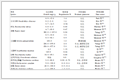
Primers for real-time qPCR are shown in Table 1. The qPCR was performed with SYBR® Premix Ex TaqTM II (TaKaRa, Japan) on the ABI 7500 System (Applied Biosystems, USA). The total volume was 20 µL, including 10 µL of SYBR® Premix Ex TaqTM II, 2 µL of the diluted cDNA, 0.8 µL of each primer, 0.4 µL of ROX Reference Dye II and 6 µL of deionized water. The PCR program was performed as follows: one cycle of 95℃ for 30 s, 40 cycles of 95℃ for 5 s and 60℃ for 34 s. The expression levels of the target genes were analyzed by 2−ΔΔCT method (Livak and Schmittgen, 2001).
|
Table 1 Primers used for qPCR |
All data are presented as means ± standard error (SE). A one-way analysis of variance (ANOVA) and Duncan's multiple comparison tests were used to analyze the statistical difference between treatments, using SPSS 19.0 for windows (SPSS Inc, Chicago, IL, USA). Significant differences were set at P < 0.05.
3 Results 3.1 Effects of P. minimum on THCEffects of P. minimum on THC are shown in Fig.1. Compared with the control group, THC of E. carinicauda in 5 × 10⁴ cells mL−1 of P. minimum group decreased significantly at 12 – 168 h (P < 0.05, Fig.1), and reached the lowest value at 96 h (about a quarter of control), then increased and recovered to the control level at 336 h. THC values of E. carinicauda treated with 5×10³ cells mL−1 of P. minimum were only decreased at 12 – 48 h.

|
Fig. 1 Effects of P. minimum on the total hemocyte counts of E. carinicauda. Data in all cases are expressed as means ± standard error (SE) (n = 8). Different letters above bars indicate significant differences (P < 0.05) among treatments. |
The exposure of shrimp to P. minimum significantly affected the HEM concentrations in the hemolymph (P < 0.05, Fig.2). The HEM concentrations in P. minimum groups decreased at 12 h, and had the lowest value at 96 h (0.55-fold and 0.39-fold of control in low and high concentrations of P. minimum, respectively), and then increased and recovered to the control level after 336 h.

|
Fig. 2 Effects of P. minimum on the hemocyanin concentrations in hemolymph of E. carinicauda. Data in all cases are expressed as means ± standard error (SE) (n = 8). Different letters above bars indicate significant differences (P < 0.05) among treatments. |
As shown in Fig.3, the activities of AKP in the hemolymph were significantly reduced by the presence of P. minimum (P < 0.05). In P. minimum treatment groups, the activities of AKP decreased significantly at 6 h, and returned to normal levels at 12 – 48 h; after 48 h, the activities of AKP dropped sharply and reached the lowest value at 96 h (0.25- fold and 0.10-fold of control in low and high concentrations of P. minimum, respectively).

|
Fig. 3 Effects of P. minimum on the activity of AKP in hemolymph of E. carinicauda. Data in all cases are expressed as means±standard error (SE) (n=8). Different letters above bars indicate significant differences (P < 0.05) among treatments. |
Fig.3 Effects of P. minimum on the activity of AKP in hemolymph of E. carinicauda. Data in all cases are expressed as means ± standard error (SE) (n = 8). Different letters above bars indicate significant differences (P < 0.05) among treatments.
3.4 Effects of P. minimum on the Expression of Immunity-Related Genes 3.4.1 Effects of P. minimum on the expression of immunity-related genes in hemocytesThe effects of P. minimum on the expression of immunity-related genes in hemocytes are presented in Fig.4. Compared to the control, the LGBP expression in 5 × 10³ cells mL−1 of P. minimum treatment only increased after 336 h (P < 0.05), while the mRNA expression levels of LGBP were evoked immediately by 5 × 10⁴ cells mL−1 of P. minimum and reached peak level at 336 h (5.46-fold of control, P < 0.05) (Fig.4A). The expression of ALF was not significantly affected by exposure to P. minimum (P > 0.05) (Fig.4B). The mRNA level of Crustin and proPO were up-regulated after exposure to P. minimum, and expressed as a dose-dependent relationship (Figs.4C and 4E). The mRNA level of Lysozyme in 5 × 10³ cells mL−1 of P. minimum treatment group was significantly down-regulated at 6 – 12 and 96 – 168 h (P < 0.05), but up-regulated at 48 h (P < 0.05). While in 5 × 10⁴ cells mL−1 of P. minimum group, the mRNA level of Lysozyme was only significantly down-regulated at 6 h (P < 0.05), and up-regulated at 12 – 96 h and 336 h (Fig.4D). The Serpin mRNA expression in 5 × 10³ cells mL−1 of P. minimum group decreased significantly at 6 – 96 h (P < 0.05), while in the group exposed to 5 × 10⁴ cells mL−1 of P. minimum, expression of Serpin increased significantly during 12 – 48 h and at 336 h (P < 0.05) (Fig.4F).

|
Fig. 4 Effects of P. minimum on the expression of immunity-related genes in the hemocytes. Data in all cases are expressed as means ± standard error (SE) (n = 8). Different letters above bars indicate significant differences (P < 0.05) among treatments. |
The expressions of immunity-related genes in gills are shown in Fig.5. The mRNA level of LGBP was significantly increased during 6 – 12 h and 168 – 336 h in the group exposed to 5 × 10³ cells mL−1 of P. minimum (P < 0.05), and significantly increased during 6 – 12 h, and at 48 h in the group exposed to 5 × 10⁴ cells mL−1 of P. minimum (P < 0.05) (Fig.5A). The ALF mRNA expression was significantly reduced by the exposure of P. minimum (P < 0.05), especially at 5 × 10⁴ cells mL−1 of P. minimum (Fig.5B). The expression of Crustin was hardly affected by P. minimum exposure, while significant difference only occurred at 48 h and 6 h in low and high concentrations of P. minimum (P < 0.05), respectively (Fig.5C). The mRNA levels of Lysozyme were evoked immediately by 5 × 10³ cells mL−1 of P. minimum and reached peak level at 168 h (5.36-fold of control, P < 0.05), while in the group exposed to 5 × 10⁴ cells mL−1 of P. minimum, the levels were evoked only during 6 – 12 h (Fig. 5D). The expressions of proPO and Serpin had similar patterns, and were only significantly reduced by P. minimum exposure before 24 or 48 h (Figs.5E and Figs.5F).

|
Fig. 5 Effects of P. minimum on the expression of immunity-related genes in the gills. Data in all cases are expressed as means ± standard error (SE) (n = 8). Different letters above bars indicate significant differences (P < 0.05) among treatments. |
The effects of P. minimum on the expression levels of six immunity-related genes in hepatopancreases are shown in Fig.6. The expression level of LBGP increased significantly at 6 – 12 h (P < 0.05), and reached to the highest levels at 6 h (4.52-fold and 3.86-fold of control in low and high concentrations of P. minimum, respectively), then fluctuated (Fig.6A). The ALF mRNA expression level fluctuated and only significantly increased at 6 h and 168 h (P < 0.05) (Fig.6B). The Crustin and Lysozyme mRNA expression levels were significantly up-regulated compared with the control group (P < 0.05) (Figs.6C and 6D). The former reached peak level at 6 h (7.44-fold of control) and 24 h (3.11- fold of control) in the low and high concentrations group, respectively, while the latter reached peak level at 168 h (1.70-fold of control) and 96 h (2.40-fold of control), respectively. The proPO mRNA expression was only significantly up-regulated by 5 × 10⁴ cells mL−1 of P. minimum after 24 – 168 h (P < 0.05), and reached the highest value at 168 h (2.78-fold of control) (Fig.6E). The Serpin expression levels were significantly up-regulated at 48 h and 168 h in 5 × 10³ cells mL−1 of P. minimum group (P < 0.05), and during 48 – 336 h in 5 × 10⁴ cells mL−1 of P. minimum group (P < 0.05) (Fig.6F).

|
Fig. 6 Effects of P. minimum on the expression of immunity-related genes in the hepatopancreases. Data in all cases are expressed as means ± standard error (SE) (n = 8). Different letters above bars indicate significant differences (P < 0.05) among treatments. |
After exposure to P. minimum for 336 h, shrimps were injected with V. parahaemolyticus and WSSV, and the cumulative mortalities are shown in Fig.7.

|
Fig. 7 Cumulative mortality of shrimp after injection of V. parahaemolyticus and WSSV. Data in all cases are expressed as means±standard error (SE) (n=10). * means P<0.05 compared with control. |
In the V. parahaemolyticus injection experiment, the cumulative mortality in the low concentration group was not significantly increased before 48 h (P > 0.05), while the cumulative mortality in the high concentration group was significantly elevated after 6 h (P < 0.05). At 72 h after challenge, the cumulative mortalities of exposure groups were approximately 55% and 80%, which were significantly higher compared to the control group (22%, P < 0.05) (Fig.7A).
There were few dead shrimp immediately after injection of WSSV, and massive mortalities occurred after approximately 24 h. The cumulative mortalities of shrimp were significantly affected by the exposure of P. minimum, and the final mortalities were about 55% and 70% in low and high concentrations of P. minimum, which were significantly higher compared with the control group (25%, P < 0.05) (Fig.7B).
4 DiscussionIt is known that the normal physiological function of E. carinicauda can be affected by the exposure of P. minimum (Mu et al., 2017, 2019), which expands our knowledge of the impacts of P. minimum on shrimp and the immune response after exposure.
Hemocytes, as the bearers of cellular immunity and the providers of humoral immunity, play important roles in the immune defense system of crustaceans (Söderhäll and Cerenius, 1992; Vazquez et al., 2009). As a result, the THC is an important indicator to evaluate the health status of crustaceans (Söderhäll and Cerenius, 1992). In the present study, the THC was significantly reduced by the exposure of P. minimum. Since the accumulation or infiltration of hemocytes is known to be in the hemocoelic space of gill of the shrimp exposed to P. minimum (Mu et al., 2017), the reduced THC may be due to the migration of hemocytes to the gill tissue and may play a role in the immune response of the gill tissue. The involvement of hemocytes in the immune response of tissues has been confirmed in shellfish exposed to harmful algae (Estrada et al., 2007aEstrada et al., 2007b, Estrada et al.2010; Galimany et al., 2008; Yeganeh et al., 2020).
Being a copper-containing respiratory protein, HEM can not only serve as an oxygen carrier to provide sufficient oxygen to the body (Nagai et al., 2001), but also play a role in resisting the invasion of foreign pathogens and adapting to the environment (Destoumieux-Garzón et al., 2001; Zhang et al., 2004; García-Carreño et al., 2008). The HEM concentrations in P. minimum treatment groups were significantly lower than those of the control group, and decreased with a dose-dependent relationship. The result indicates that the oxygen carrying capacity of haemolymph in shrimp exposed to P. minimum may be reduced.
The AKP is an important lysosomal enzyme and plays a key role in invertebrate immune responses. Ge et al. (2017) found that AKP in the hemolymph of E. carinicauda increased following an AHPND-causing strain of V. parahaemolyticus infection, and suggested that the immune enzymes such as AKP play roles in resisting pathogen invasion, and may be used as a potential biomarker to measure the disease resistance of white shrimp. The activity of AKP was significantly reduced in the present study, suggesting that AKP might be inhibited by the harmful algal exposure.
Both Crustin and ALF are important antibacterial peptides in shrimp humoral immunity and have antibacterial and antiviral effects in crustaceans (Aweya et al., 2021; Kulkarni et al., 2021). In this study, the expressions of Crustin in hemocytes and hepatopancreases were up-regulated by the exposure of P. minimum, though the difference of ALF was not significant. While in gills the differences of Crustin were not significant, the expressions of ALF were down-regulated by the exposure of P. minimum. The results show that Crustin in hemocytes and hepatopancreases participates in the immune response of E. carinicauda exposed to P. minimum, and has a certain protective effect. The down-regulated expressions of ALF in the gills may inhibit the immune capacity of shrimp, which needs further verification in subsequent studies.
Lysozymes are usually used as an immune index in crustaceans to detect the immune function of organisms (Liu et al., 2021; Yao et al., 2021). In the experiment, the expression levels of Lysozyme showed an up-regulated trend, except for the hemocytes in the low concentration group. The results indicate that the Lysozyme gene of E. carinicauda is involved in the immune response after exposure to P. minimum.
The prophenoloxidase (proPO) system is a complex enzyme cascade system in the crustacean immune response. After being stimulated by pathogen infection or physical injury, proPO is converted into active phenol oxidase (PO) under the action of serine protease, and subsequently catalyzed to melanin. Melanin and its highly active intermediate products can inhibit the activity of extracellular proteases and chitinase of pathogen (Meng et al., 1999). In this study, after being exposed to P. minimum, the proPO and Serpin genes were significantly up-regulated in the hemocytes and hepatopancreases, and significantly down-regulated in the gills, indicating that the proPO system was activated in hemocytes and hepatopancreases to defend against harmful algae, while the gills may not be able to resist well due to the tissue damage. LGBP is a pattern recognition receptor involved in the activation of the proPO system in shrimp and crabs (Cerenius and Söderhäll, 2004). The upregulated expression of LGBP was found in each tissue of shrimp exposed to P. minimum. Changes in the expression of these genes suggest that the proPO system may be activated to participate in the defense response of shrimp.
After exposed to P. minimum for 336 h, significantly more shrimps injected with V. parahaemolyticus and WSSV died. The results directly reflect the adverse effect of P. minimum on the immune system of E. carinicauda. Since the exposure of P. minimum depressed the immunity of E. carinicauda, further studies are needed to confirm whether the presence of the algae will limit the susceptibility of shrimp to pathogens.
5 ConclusionsIn this study, P. minimum had an adverse effect on THC, hemocyanin, and the activity of AKP in the hemolymph of E. carinicauda. There was up-regulation of the immunity- related genes in hemocytes and hepatopancreases, and down- regulation of the expressions of proPO, Serpin and ALF in gills. The hemocytes and hepatopancreases play important roles in protecting the immune response of shrimp to harmful algae, while the immune protection effect in gills may be suppressed by the tissue damage.
AcknowledgementsThis project was financially supported by the earmarked fund for National Key R & D Program of China (No. 2019YFD0900403), the Modern Agro-Industry Technology Research System (No. CARS-48), the Program of Shan- dong Leading Talent (No. LNJY2015002), the Central Public-Interest Scientific Institution Basal Research Fund of CAFS (No. 2020TD46), and the Scientific Research Start-Up Funding of Shandong Agricultural University (No. 72188).
This project was financially supported by the earmarked fund for National Key R & D Program of China (No. 2019YFD0900403), the Modern Agro-Industry Technology Research System (No. CARS-48), the Program of Shan- dong Leading Talent (No. LNJY2015002), the Central Public-Interest Scientific Institution Basal Research Fund of CAFS (No. 2020TD46), and the Scientific Research Start-Up Funding of Shandong Agricultural University (No. 72188).
This project was financially supported by the earmarked fund for National Key R & D Program of China (No. 2019YFD0900403), the Modern Agro-Industry Technology Research System (No. CARS-48), the Program of Shan- dong Leading Talent (No. LNJY2015002), the Central Public-Interest Scientific Institution Basal Research Fund of CAFS (No. 2020TD46), and the Scientific Research Start-Up Funding of Shandong Agricultural University (No. 72188).
This project was financially supported by the earmarked fund for National Key R & D Program of China (No. 2019YFD0900403), the Modern Agro-Industry Technology Research System (No. CARS-48), the Program of Shan- dong Leading Talent (No. LNJY2015002), the Central Public-Interest Scientific Institution Basal Research Fund of CAFS (No. 2020TD46), and the Scientific Research Start-Up Funding of Shandong Agricultural University (No. 72188).
Alonso-Rodrıguez, R., and Páez-Osuna, F., 2003. Nutrients, phytoplankton and harmful algal blooms in shrimp ponds: A review with special reference to the situation in the Gulf of California. Aquaculture, 219: 317-336. DOI:10.1016/S0044-8486(02)00509-4 (  0) 0) |
Ajani, P. A., Larsson, M. E., Woodcock, S., Rubio, A., Farrell, H., Brett, S., et al., 2018. Bloom drivers of the potentially harmful dinoflagellate Prorocentrum minimum (Pavillard) Schiller in a south eastern temperate Australian estuary. Estuarine, Coastal and Shelf Science, 215: 161-171, DOI: 10.1016/j.ecss.2018.09.029.
( 0) |
Aweya, J. J., Zheng, Z., Zheng, X., Yao, D., and Zhang, Y., 2021. The expanding repertoire of immune-related molecules with antimicrobial activity in penaeid shrimps: A review. Reviews in Aquaculture, 13: 1907-1937. DOI:10.1111/raq.12551 ( 0) |
Azanza, R. V., Fukuyo, Y., Yap, L. G., and Takayama, H., 2005. Prorocentrum minimum bloom and its possible link to a massive fish kill in Bolinao, Pangasinan, Northern Philippines. Harmful Algae, 4: 519-524. DOI:10.1016/j.hal.2004.08.006 ( 0) |
Cerenius, L., and Söderhäll, K., 2004. The prophenoloxidase-activating system in invertebrates. Immunological Reviews, 198: 116-126. DOI:10.1111/j.0105-2896.2004.00116.x ( 0) |
Chen, J., and Xie, P., 2005. Tissue distributions and seasonal dynamics of the hepatotoxic microcystins-LR and -RR in two freshwater shrimps, Palaemon modestus and Macrobrachium nipponensis, from a large shallow, eutrophic lake of the subtropical China. Toxicon, 45: 615-625. DOI:10.1016/j.toxicon.2005.01.003 ( 0) |
Destoumieux-Garzón, D., Saulnier, D., Garnier, J., Jouffrey, C., Bulet, P., and Bachere, E., 2001. Crustacean immunity: Antifungal peptides are generated from the C terminus of shrimp hemocyanin in response to microbial challenge. The Journal of Biological Chemistry, 276: 47070-47077. DOI:10.1074/jbc.M103817200 ( 0) |
Estrada, N., Lagos, N., Garcia, C., Maeda-Martinez, A., and Ascencio, F., 2007a. Effects of the toxic dinoflagellate Gymnodinium catenatum on uptake and fate of paralytic shellfish poisons in the Pacific giant lions-paw scallop Nodipecten subnodosus. Marine Biology, 151: 1205-1214. DOI:10.1007/s00227-006-0568-x ( 0) |
Estrada, N., Rodríguez-Jaramillo, M., Contreras, R., and Ascencio, F., 2010. Effects of induced paralysis on hemocytes and tissues of the giant lions-paw scallop by paralyzing shellfish poison. Marine Biology, 157: 1401-1415. DOI:10.1007/s00227-010-1418-4 ( 0) |
Estrada, N., Romero, M., Campa-Córdova, A., Luna, A., and Ascencio, F., 2007b. Effects of the toxic dinoflagellate, Gymnodinium catenatum on hydrolytic and antioxidant enzymes, in tissues of the giant lions-paw scallop Nodipecten subnodosus. Comparative Biochemistry and Physiology C – Toxicology & Pharmacology, 146: 502-510. DOI:10.1016/j.cbpc.2007.06.003 ( 0) |
Flegel, T. W., Lightner, D. V., Lo, C. F., and Owens, L., 2008. Shrimp disease control: Past, present and future. In: Diseases in Asian Aquaculture VI. Manila, Philippines: Fish Health Section. Bondad-Reantaso, M. G., et al., eds., Asian Fisheries Society, 355-378.
( 0) |
Galanti, L. N., Amé, M. V., and Wunderlin, D. A., 2013. Accumulation and detoxification dynamic of cyanotoxins in the freshwater shrimp Palaemonetes argentinus. Harmful Algae, 27: 88-97. DOI:10.1016/j.hal.2013.05.007 ( 0) |
Galimany, E., Sunila, I., Hégaret, H., Ramón, M., and Wikfors, G. H., 2008. Pathology and immune response of the blue mussel (Mytilus edulis L.) after an exposure to the harmful dinoflagellate Prorocentrum minimum. Harmful Algae, 7: 630-638. DOI:10.1007/s00244-005-0214-5 ( 0) |
Gao, J., Zuo, H., Yang, L., He, J. H., Niu, S., Weng, S., et al., 2017. Long-term influence of cyanobacterial bloom on the immune system of Litopenaeus vannamei. Fish and Shellfish Immunology, 61: 79-85. DOI:10.1016/j.fsi.2016.12.015 ( 0) |
García-Carreño, F., Cota Ruiz, K., and Navarrete del Toro, M. A., 2008. Phenoloxidase activity of hemocyanin in whiteleg shrimp Penaeus vannamei: Conversion, characterization of catalytic properties, and role in postmortem melanosis. Journal of Agricultural and Food Chemistry, 56: 6454-6459. DOI:10.1021/jf800839x ( 0) |
Ge, Q., Li, J., Li, J., Wang, J., and Li, Z., 2017. Immune response of Exopalaemon carinicauda infected with an AHPND- causing strain of Vibrio parahaemolyticus. Fish and Shellfish Immunology, 74: 223-234. DOI:10.1016/j.fsi.2017.12.042 ( 0) |
Ge, Q., Liang, J., Li, J., Li, J., Duan, Y., Zhao, F., et al., 2015. Molecular cloning and expression analysis of Relish gene from the ridgetail white prawn Exopalaemon carinicauda. Fisheries Science, 81: 699-711. DOI:10.1007/s12562-015-0898-z ( 0) |
Heil, C. A., Glibert, P. M., and Fan, C., 2005. Prorocentrum minimum (Pavillard) Schiller: A review of a harmful algal bloom species of growing worldwide importance. Harmful Algae, 4: 449-470. DOI:10.1016/j.hal.2004.08.003 ( 0) |
Holland, D. S., and Leonard, J., 2020. Is a delay a disaster? economic impacts of the delay of the california dungeness crab fishery due to a harmful algal bloom. Harmful Algae, 98: 101904. DOI:10.1016/j.hal.2020.101904 ( 0) |
Huang, Y., and Ren, Q., 2021. Innate immune responses against viral pathogens in Macrobrachium. Developmental & Comparative Immunology, 117: 103966. ( 0) |
Kotaki, Y., Koike, K., Yoshida, M., Thuoc, C., Huyen, N., Hoi, N., et al., 2008. Domoic acid production in Nitzschia sp (Bacillariophyceae) isolated from a shrimp-culture pond in Do Son, Vietnam. Journal of Phycology, 36: 1057-1060. DOI:10.1046/j.1529-8817.2000.99209.x ( 0) |
Kulkarni, A., Krishnan, S., Anand, D., Kokkattunivarthil Uthaman, S., Otta, S. K., Karunasagar, I., et al., 2021. Immune responses and immunoprotection in crustaceans with special reference to shrimp. Reviews in Aquaculture, 13: 431-459. DOI:10.1111/raq.12482 ( 0) |
Lai, H. C., Ng, T. H., Ando, M., Lee, C. T., Chen, I. T., Chuang, J. C., et al., 2015. Pathogenesis of acute hepatopancreatic necrosis disease (AHPND) in shrimp. Fish and Shellfish Immunology, 47: 1006-1014. DOI:10.1016/j.fsi.2015.11.008 ( 0) |
Landsberg, J., 2002. The effects of harmful algal blooms on aquatic organisms. Reviews in Fisheries Science, 10: 113-390. DOI:10.1080/20026491051695 ( 0) |
Li, J., Glibert, P. M., and Gao, Y., 2015. Temporal and spatial changes in Chesapeake Bay water quality and relationships to Prorocentrum minimum, Karlodinium veneficum, and Cyano- HAB events, 1991 – 2008. Harmful Algae, 42: 1-14. DOI:10.1016/j.hal.2014.11.003 ( 0) |
Liu, C. H., and Chen, J. C., 2004. Effect of ammonia on the immune response of white shrimp Litopenaeus vannamei and it susceptibility to Vibrio alginolyticus. Fish and Shellfish Immunology, 16: 321-334. DOI:10.1016/S1050-4648(03)00113-X ( 0) |
Liu, F., Shao, G. Y., Tian, Q. Q., Cheng, B. X., Shen, C., Wang, A. M., et al., 2021. Enhanced growth performance, immune responses, immune-related gene expression and disease resistance of red swamp crayfish (Procambarus clarkii) fed dietary glycyrrhizic acid. Aquaculture, 533: 736202. DOI:10.1016/j.aquaculture.2020.736202 ( 0) |
Livak, K., and Schmittgen, T., 2001. Analysis of relative gene expression data using real-time quantitative PCR and the 0) |
Lukwambe, B., Nicholaus, R., Zhang, D., Yang, W., Zhu, J., and Zheng, Z., 2019. Successional changes of microalgae community in response to commercial probiotics in the intensive shrimp (Litopenaeus vannamei Boone) culture systems. Aquaculture, 511: 734257. DOI:10.1016/j.aquaculture.2019.734257 ( 0) |
Meng, F., Zhang, Y., Kong, J., and Ma, G., 1999. The research review of prophenoloxidase activating system in crustacean. Oceanologia et Limnologia Sinica, 30: 110-116. ( 0) |
Mu, C., Ge, Q., and Li, J., 2019. Exposure to Prorocentrum minimum induces oxidative stress and apoptosis in the ridgetail white prawn, Exopalaemon carinicauda. Journal of Ocean University of China, 18: 727-734. DOI:10.1007/s11802-019-3846-1 ( 0) |
Mu, C., Ren, X., Ge, Q., Wang, J., and Li, J., 2017. Antioxidant response of ridgetail white prawn Exopalaemon carinicauda to harmful dinoflagellate Prorocentrum minimum exposure and its histological change. Journal of Ocean University of China, 16: 285-293. DOI:10.1007/s11802-017-3170-6 ( 0) |
Nagai, T., Osaki, T., and Kawabata, S. I., 2001. Functional conversion of hemocyanin to phenoloxidase by horseshoe crab antimicrobial peptides. The Journal of Biological Chemistry, 276: 27166-27170. DOI:10.1074/jbc.M102596200 ( 0) |
Paezosuna, F., 2003. Shrimp aquaculture development and the environment in the Gulf of California ecoregion. Marine Pollution Bulletin, 46: 806-815. DOI:10.1016/s0025-326x(03)00107-3 ( 0) |
Pérez-Morales, A., Band-Schmidt, C. J., and Martínez-Díaz, S. F., 2017. Mortality on zoea stage of the Pacific white shrimp Litopenaeus vannamei caused by Cochlodinium polykrikoides (Dinophyceae) and Chattonella spp.(Raphidophyceae). Marine Biology, 164: 57. DOI:10.1007/s00227-017-3083-3 ( 0) |
Sierra-Beltrán, A. P., Cortés-Altamirano, R., and Cortés-Lara, M. C., 2005. Occurrences of Prorocentrum minimum (Pavillard) in México. Harmful Algae, 4: 507-517. DOI:10.1016/j.hal.2004.08.003 ( 0) |
Söderhäll, K., and Cerenius, L., 1992. Crustacean immunity. An- nual Review of Fish Diseases, 2: 3-23. DOI:10.1016/0959-8030(92)90053-Z ( 0) |
Vazquez, L., Alpuche, J., Maldonado, G., Agundis, C., Pereyra- Morales, A., and Zenteno, E., 2009. Review: Immunity mechanisms in crustaceans. Innate Immunity, 15: 179-188. DOI:10.1177/1753425909102876 ( 0) |
Vlamis, A., Katikou, P., Rodriguez, I., Rey, V., Alfonso, A., Papazachariou, A., et al., 2015. Tetrodotoxin detection in Greek shellfish by UPLC-MS/MS and potential link to presence of the dinoflagellate Prorocentrum minimum. Toxins, 7: 1779-1807. DOI:10.3390/toxins7051779 ( 0) |
Xu, H., Min, G. S., Choi, J. K., and Zhu, M., 2010. Temporal population dynamics of the dinoflagellate Prorocentrum minimum in a semi-enclosed mariculture pond and its relationship to environmental factors and protozoan grazers. Chinese Journal of Oceanology and Limnology, 28: 75-81. DOI:10.1007/s00343-010-9249-1 ( 0) |
Yang, X., Wen, X., Zhou, C., Zhu, X., Meng, R., Luo, Q., et al., 2018. Comparative study of brine shrimp bioassay-based toxic activities of three harmful microalgal species that frequently blooming in aquaculture ponds. Journal of Oceanology and Limnology, 36: 1697-1706. DOI:10.1007/s00343-018-7140-7 ( 0) |
Yao, W., Li, X., Zhang, C., Wang, J., Cai, Y., and Leng, X., 2021. Effects of dietary synbiotics supplementation methods on growth, intestinal health, non-specific immunity and disease resistance of Pacific white shrimp, Litopenaeus vannamei. Fish and Shellfish Immunology, 112: 46-55. DOI:10.1016/j.fsi.2021.02.011 ( 0) |
Yeganeh, V., Sharifinia, M., Mobaraki, S., Dashtiannasab, A., Aeinjamshid, K., Borazjani, J. M., et al., 2020. Survey of survival rate and histological alterations of gills and hepatopancreas of the Litopenaeus vannamei juveniles caused by exposure of Margalefidinium / Cochlodinium polykrikoides isolated from the Persian Gulf. Harmful Algae, 97: 101856. DOI:10.1016/j.hal.2020.101856 ( 0) |
Zhang, X., Huang, C., and Qin, Q., 2004. Antiviral properties of hemocyanin isolated from Penaeus monodon. Antiviral Research, 61: 93-99. DOI:10.1016/j.antiviral.2003.08.019 ( 0) |
Zhu, M., and Xu, J., 1993. Red tide in shrimp ponds along the Bohai Sea. In: Toxic Phytoplankton Blooms in the Sea. Smayda, T. J., and Shimizu, Y., eds., Elsevier, Amsterdam, 363-367.
( 0) |