 2024, Vol. 23

The health of mariculture systems directly determines aquaculture benefits and sustainable development of the sector. However, due to intensive culture, excessive feed, and biological excretion, the mariculture habitat was badly damaged (Xu et al., 2022) and a large hypoxia area occurred (Wang et al., 2021), which seriously destroyed the balance of the ecological environment. In this environment, the degradation of sulfur-containing proteins and the dissimilatory sulfate reduction lead to the generation and diffusion of substantial sulfide (Fan et al., 2020). Sulfide is reported as the silent killer in the mariculture ecosystem and it is also an important indicator in assessing the quality of marine sediments (Hu et al., 2018). In the mariculture sediment, a small part of sulfide may further form stable pyrite sulfur and metallic phase (FeS2), while 99% of the soluble sulfide (including H2S, HS−, S2−) continues to spread into overlying seawater (Jørgensen, 1982). It heavily impacts mariculture organisms, destroys intestinal microbial structures, or directly produces toxic effects on marine organisms (Pozsgai et al., 2019). Therefore, to prevent further deterioration of mariculture habitat, effective measures should be taken to control the production of sulfide.
The coastal mariculture region has a very high sulfide content. The investigation by Meng et al. (2019) revealed that mariculture sediments from Jiaozhou Bay of China contained up to 630 mg kg−1 of sulfide. Furthermore, the sulfide production procedure is extremely complicated. It is subjected to the coordination of various biological and abiotic factors in mariculture habitats. Among them, sulfate-reducing bacteria (SRB) and other bacteria that mineralize sulfur-containing proteins mainly contribute to the production of sulfide (Jørgensen, 1982; Zhou et al., 2014; Fan et al., 2020). The latter covers a wide range of groups and is hard to be investigated by phylogenetics and functional genes (Jørgensen, 1982). Compared with other bacteria, SRB plays a more important role in terms of sulfide generation under an anoxic organic mariculture environment (Zhou et al., 2014). Studies have shown that SRB is the main group for sulfide production in the ocean, and only less than 3% of sulfide comes from the mineralization of organic sulfur (Jørgensen, 1977). SRB also contributes to the ocean carbon cycle, more than 50% of the mineralization of organic matter was conducted by SRB (Jørgensen, 1982; Boetius et al., 2000). Therefore, an in-depth understanding of the SRB involved in sulfide production in mariculture ecosystems and seeking safe methods to inhibit SRB activity are important for sulfidogenic inhibition.
Recently, the studies on the inhibition of SRB activity mainly focused on metal pipes corrosion in reservoir and oil production processes (de Andrade et al., 2020). To control such corrosion and reduce loss, chemical fungicides, such as glutaraldehyde, tetramethyl-phosphatesulfate, etc. were often used to inhibit SRB activity (Wen et al., 2009). Long-term use of chemical fungicides might induce SRB to develop drug resistance. Considering the actual situation of aquaculture, chemical fungicides have been severely prohibited due to their strong secondary pollution. Therefore, biological methods gradually become acceptable in controlling the production of sulfide. Investigation showed that the addition of nitrate increased the abundance of denitrifying bacteria in the oilfield-produced water, and led to an obvious reduction of SRB (Qi et al., 2022). Meanwhile, nitrate improved the biological competition of nitrate/nitrite reducing bacteria (NRB) over SRB for electron donors. Consequently, the SRB sulfate reduction activity was inhibited (Lai et al., 2020). Myhr et al. (2002) showed that NO2−, a product of NO3- reduction, revealed a stronger inhibitory effect on SRB and it disturbed the expression of sulfite reductase, consequently, SRB was not able to reduce SO42− to poisonous sulfide. The reduction of NO3− also improved the oxidation-reduction potential (ORP) of the environment, which made the sulfide production driven by SRB impossible (Fan et al., 2020). However, the NO3− inhibition mechanism on sulfide production in mariculture sediments and the response of microbial community should be further investigated.
Bait residue and animal waste lead to nitrogen accumulation in mariculture habitat (Thomas et al., 2010). Xin et al. (2019) showed that dissolved inorganic nitrogen increased by 7-fold over the past 60 years in Bohai Sea, China. The concentration of nitrate in some coastal waters in the Philippines increased by 90% over recent 10 years (San Diego-McGlone et al., 2008). According to the investigation of the sea cucumber culture pond, the annual accumulation of NO3− was up to 1.2 mg L−1 (Kang and Xu, 2016). Therefore, NO3− is ubiquitous in the mariculture environment with a high concentration. However, how to make full use of nitrate to inhibit SRB activity still need further study.
In this study, the sulfate-reducing microbiota (SRM) enriched from mariculture sediments was used as the target to reveal the possibility of NO3− inhibiting the SO42− reduction activity. Meanwhile, the response of the microbial community, dsrB gene, and SRM to NO3− dosage was investigated, providing a theoretical basis for the control of sulfide in the mariculture habitat.
2 Materials and Methods 2.1 Enrichment of Sulfate-Reducing Microbiota (SRM)Sulfate-reducing microbiota (SRM) were enriched from mariculture sediments in Qingdao by using the modified Starkey medium. The medium included (g L−1): K2HPO4 0.5; NH4Cl 1.0; Na2SO4 0.5; 65% sodium lactate 5.0; CaCl2 0.076; MgSO4·7H2O 2.0; (NH4)2Fe(SO4)2·7H2O 0.5; ascorbic acid 0.1; yeast powder 1.0; pH 7.0 – 8.0, and 30 g L−1 NaCl was added to simulate seawater salinity. Among them, the reductants (NH4)2Fe(SO4)2·7H2O and ascorbic acid were filtered through a 0.22 μm membrane. The prepared liquid medium was divided into 100 mL serum bottles and each bottle contained a 50 mL medium. High purity N2 was used to degas for 3 min, followed by high-pressure steam sterilization (121℃, 20 min). When the medium was cooled to room temperature, sterilized reductants were added.
Each bottle of the medium was filled with 50 g of mariculture sediments. The whole process was operated in an anaerobic environment. Afterwards, the bottles were placed in an incubator at 37℃ in dark. When the upper liquid medium turned black and rotten eggs smell produced, the enriched upper liquid medium was inoculated into the fresh liquid medium with a sterile syringe at 1% (V/V). The bottles were placed in an incubator at 37℃ in dark. The above procedure was repeated three times and finally, the SRM was obtained.
2.2 Nitrate Inhibition of Sulfate-Reducing Microbiota (SRM) 2.2.1 Function of sulfate-reducing microbiota (SRM)The enriched SRM was inoculated into the fresh liquid medium with a sterile syringe at 1% (V/V). It was incubated in dark at 37℃. Samples were daily taken to measure the optical density of solution (OD600), and the concentrations of SO42− and H2S.
2.2.2 Inhibition of sulfate-reducing activity by nitrateA fresh liquid medium was prepared and nitrate was added to approach the final concentration of NO3− 1, 3, 5, and 7 mmol L−1, respectively, which were similar to some coastal waters with heavy nitrate pollution (Wu et al., 2019). The five treatments were marked as Treat-N0 (control), Treat-N1, Treat-N3, Treat-N5 and Treat-N7. The fresh SRM solution was centrifuged at 4000 g for 20 min. Discard the supernatant, add the same volume of fresh liquid medium, and resuspend. The bacteria solution was then transferred to the fresh culture medium containing nitrate with a volume ratio of 1% (V/V). The bottles were placed in an incubator at 37℃ in dark. Samples were daily taken to determine the concentration of H2S, SO42−, NO3−, NO2−, and NH4+. The samples with 7 mmol L−1 NO3− and the control group were taken for DNA extraction on day 3 and day 7, respectively. The abundance of dsrB gene was measured by qPCR (Bio-rad CFX96, USA) to characterize the changes in the quantity of SRB. High-throughput sequencing was performed for two microbial community samples on day 7 to reveal the changes in the structure of SRM before and after inhibition.
2.3 Analysis Methods 2.3.1 Chemical and physical analysesThe optical density (OD600), and concentrations of H2S, NO3−, NO2− and NH4+ were determined by spectrophotometry as the protocols described by Chen et al. (2022). The concentration of SO42− was assayed using a Dionexion chromatography (ICS-2100) system (Dionex Corporation, Sunnyvale, CA, USA). All the measurements of OD600, H2S, NO3−, NO2−, NH4+ and SO42− were carried out in triplicate, and values were presented as mean ± standard deviation. The analyses of other parameters were performed in duplicate and the associated statistical analyses agreed to within 95% confidence.
2.3.2 Molecular biological analysisSediment samples enriched SRM, and nitrate inhibited SRM (7 mmol L−1 nitrate for 7 d) were obtained, and a DNA extraction kit (Mobio, USA) was used for DNA extraction.The composition of microbial communities was determined by 16S rRNA gene-based high throughput sequencing.
For each sample, 45 mL solution was centrifuged at 4000×g for 20 min. The supernatant was discarded, and the precipitated bacteria were used for DNA extraction. The partial 16S rRNA gene-based high-throughput sequencing was performed according to the previous method (Gao et al., 2014). Bacterial 16S rRNA gene universal primers were 515F: 5'-GTG CCA GCA GCC GCG GTAA-3' and 806R: 5'-GGA CTA CCA GGG TAT CTA AT-3', corresponding to V3 – V4 variable region of 16S rRNA gene. The sequencing was conducted by using the Illumina Miseq platform in Novegene, China.
As the number of dsrB genes, which encode the subunit of sulfite reductase in SRB, was directly proportional to the amount of SRB, DsrB was consequently used to estimate the quantity of SRB. Quantitative analysis of specific dsrB genes in SRB was performed with primers DSR-p2060F: 5'-CAA CAT CGT YCA YAC CCA GGG and DSR-4R: 5'-GTG TAG CAG TTA CCG CA as described in previous studies (Liu et al., 2016). The plasmid with dsrB gene fragment was used as the standard for fluorescence quantitative PCR reaction to draw the quantitative standard curve of dsrB gene. The extracted DNA samples were detected by quantitative PCR. The reaction system and procedure are consistent with those used in establishing the standard curve (Liu et al., 2016). The negative and positive controls were set. The dissolution curve was used to check whether there was non-specific amplification, and the number of detected cycles was substituted into the standard curve to obtain the gene copy number.
2.4 Data AnalysisOne-way ANOVA in SPSS 17.0 software was used to conduct statistical analysis on the NO3− inhibiting SRM. High-throughput sequencing sequences were filtered according to Gao et al. (2014). To reveal the species composition of each sample, the operational taxonomic units (OTUs) clustering was performed on the valid sequences with 97% similarity. Then the OTUs sequence was annotated by species. The Alpha diversity of community sequences was analyzed (Shannon, Simpson, Chao1, ACE).
3 Results and Discussion 3.1 Characteristics of Sulfate-Reducing Microbiota (SRM)The growth curve and sulfate reduction capacity of SRM is shown in Fig. 1. The SRM presented a high growth rate and reached a logarithmic phase in 20 h. On the 30th hour, OD600 reached the maximum value of 1.642. The initial concentration of SO42− was about 1700 mg L−1. The concentration of H2S increased to 421 mg L−1 on day 3. According to the calculation of sulfur mass balance, the maximum theoretical yield of H2S was 602 mg L−1, a little higher than the actual value. The reduction process of SO42− to H2S consists of a series of enzymatic reactions. In this process, sulfate gains electrons and produces multiple intermediates, such as SO32−, S3O62−, and S2O32−. Therefore, intermediate metabolites were the main reason that the actual H2S production was lower than the theoretical value. Finally, the sulfate conversion rate by the SRM reached 69.92%. Lai et al. (2020) enriched SRM from oil effluent and the concentration of H2S increased to 122 mg L−1 on day 6. Thus, the SRM enriched in this study presented a strong reduction capability of SO42− and a high capacity of H2S generation.

|
图 1 Growth curve (a) and sulfate reduction capacity (b) of sulfate-reducing microbiota (SRM). |
As shown in Fig. 2, NO3− presented a certain inhibitory effect on SRM activity and the inhibitory capacity became stronger with the increase of NO3− concentration. The consumption of SO42− was accompanied by the generation of H2S. When no nitrate was added, SRM generated H2S on the second day. When the concentration of NO3− was 1, 3, and 5 mmol L−1, it presented a slightly inhibitory effect on SRM. Compared with the control, the inhibition time lasted 1–3 d. However, higher NO3− (7 mmol L−1) revealed a significant inhibitory effect on SRM. The inhibition duration was increased to 6 d, and the final maximum content of H2S decreased by about 60 mg L−1 compared with the control.

|
图 2 NO3− inhibition on SO42− reduction (a) and H2S generation (b). Treat-N0, -N1, -N3, -N5 and -N7 refer to 0, 1, 3, 5 and 7 mmol L−1 nitrate, respectively. |
Further analysis revealed that all NO3− was reduced within 1 d (Fig. 3a). Meanwhile, NO2− and NH4+ were generated accordingly (Figs. 3b, 3c). Taking the 5 mmol L−1 NO3− inhibition group as an example, with the presence of nitrate reductase, 5 mmol L−1 NO3− was reduced to 1.87 mmol L−1 NO2− and 1.95 mmol L−1 NH4+ within 1 d. On the third day, all NO2− was reduced, and the content of NH4+ in the medium was maintained at about 4.17 mmol L−1 (Eq. (1)), which indicated that SRM reduced most of NO3−/NO2− finally to NH4+.
| $ \mathrm{NO}_2^{-}+6 \mathrm{e}^{-}+8 \mathrm{H}^{+} \rightarrow \mathrm{NH}_4^{+}+2 \mathrm{H}_2 \mathrm{O}. $ | (1) |

|
图 3 Changes in the concentrations of NO3− (a), NO2− (b), NH4+ (c), and the abundance of dsrB gene (d). Treat-N1, -N3, -N5 and -N7 refer to 1, 3, 5 and 7 mmol L−1 nitrate, respectively. |
With the presence of NO3− or NO2−, there was no significant reduction of SO42− (Fig. 2a), indicating that SRM could preferentially use NO3−/NO2− as electronic acceptors.
Interestingly, the SRM enriched in this study has the ability of dissimilatory nitrate reduction to ammonium (DNRA). DNRA was divided into two steps: in the first step, dissimilatory nitrate reductase (Na R) reduces NO3− to NO2− (Pandey et al., 2020); in the second step, nitrite reductase (Ni R) reduces NO2− to NH4+ (Pandey et al., 2020), which was observed in this study (Figs. 3a – 3c). Ni R enzyme is a kind of peritytoplasmy enzyme encoded by nrf A gene (Darwin et al., 1993). With Ni R enzyme, Desulfovibrio spp. reduce nitrite to NH4+ (Price et al., 2011). Desulfovibrio spp. had been proved to have the ability of DNRA (Steenkamp and Peck, 1981). Thus, the inhibition of nitrite to Desulfovibrio spp. was relieved by this transformation as ammonia presenting less toxic than the sulfide. In this study, according to the results of high-throughput sequencing, high abundant Desulfovibrio was found in the SRM, thus resulting in the accumulation of NH4+. Metatranscriptomics studies have shown that, besides some Desulfovibrio strains, the vast majority of SRB contains an enzyme system to reduce nitrate (Haveman et al., 2005; Zhou and Xing, 2021). From the perspective of thermodynamics, denitrification is easier conducted than sulfate reduction (Eckford and Fedorak, 2002). Okabe et al. (2003) investigated the inhibitory effect of nitrate/nitrite on the activity of sulfide production in sludge. They showed that 0.3 – 1.0 mmol L−1 nitrate/nitrite were preferentially reduced by the bacteria. This pushed the sulfide reduction zone into the deeper area and inhibit the generation of sulfide.
As NO2− was present (day 3) and absent (day 7), qPCR was performed to reveal the dsrB gene abundance for 7 mmol L−1 NO3− addition group. Combined Fig. 3d with Fig. 2b, compared with the control, dsrB gene abundance decreased by 3 orders from 9 to 6, which suggested that the quantity of SRB distinctly decreased. Meanwhile, the presence of NO2− inhibited the generation of H2S. When all NO2− was eliminated on day 7, there was no signifycant difference in the abundance of dsrB gene compared with the control. This indicated that the SRM could immediately recover the capability of reducing SO42− to H2S under the condition of the absence of NO2−. Therefore, the reason that NO3− inhibited the sulfate activity of SRM should be ascribed to the fact that NO2− could effectively inhibit the activity of SRB. This is more conducive to delaying the generation of toxic H2S. In previous studies (Myhr et al., 2002; Zhou and Xing, 2021), the direct addition of NO2− inhibited SRB activity significantly. The number of denitrifying bacteria increased in the reaction system, which resulted in a significant decrease in the number of SRB. Pillay and Lin (2013) inhibited SRB activity by adding the same concentration of nitrite and nitrate and they found the nitrite inhibition effect was better than nitrate. Further analysis showed that NO2− and denitrifying intermediates (NO, N2O) presented more obvious inhibition on bacteria than nitrate. Nitrite and its oxides NO2, NO, and N2O inhibit SRB activity by interfering with the sulfite reductase (Pillay and Lin, 2013). According to the specific analysis of intermediates, the inhibition of NO2− on bacteria was related to NO (produced in the process of denitrification) or nitroso acyl and NO+ complex. It inhibited the activity of enzymes during sulfite reduction to H2S. However, NO contains an activated unpaired electron, which is in a highly active state and has non-obligate toxicity inhibition to many bacteria. The inhibition of N2O on bacteria is due to the formation of complex bonds with the transition metals in the enzyme, which changes the activity of the enzyme and inhibits the metabolism of bacteria (Pillay and Lin, 2013).
By measuring the concentration of NO2− and NH4+ in the medium (Figs. 3b, 3c), it was found that NO2− decreased along with NH4+ concentration increased inversely. This process was very slow, and the presence of NO2− directly affected the inhibitory effect on SRM. In this stage, NH4+ is generated continuously. When NO2− was absent, NH4+ was maintained at relatively stable content. Although the toxicity of NH4+ is not so strong as NO2−, it still needs to be controlled.
In this study, as the toxic NO2− was used up, SRM recovered to reduce SO42− to H2S. This result indicated that NO3− inhibition on SRB activity was reversible. As shown in Fig. 2, all SO42− was reduced along with H2S generation within 1 – 2 d. The concentration of H2S reached up to 340 – 512 mg L−1 in the logarithmic phase. Under the inhibition condition with 7 mmol L−1 nitrate, the SO42− reduction efficiency reached 56.47%, which was 13.45% lower than the control.
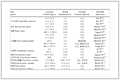
3.3 Changes of Community Structure16S rRNA gene-based high-throughput sequencing was performed for the mariculture sediments, enriched SRM and NO3− (7 mmol L−1) inhibited SRM to explore the changes in community structure. The Alpha diversity index (Shannon, Simpson, Chao1, ACE) of different samples was analyzed (Table 1). The community richness and diversity index of SRM decreased compared with the mariculture sediments. However, The NO3− inhibition showed little effect on the richness and diversity index of the bacterial community.
|
表 1 Microbial community richness and diversity index |
Fig. 4 shows the microbial distribution and difference of three samples at the phylum level. Halobacterota and Firmicutes accounted for a relatively high proportion in mariculture sediments, with a relative abundance of 18.39% and 16.09%, respectively. Desulfobacteria accounted for a relatively low proportion of 3.86%. The abundance of Desulfobacteria was obviously improved as enrichment, it reached 71.51%. The abundance of Firmicutes also increased by enrichment and accounted for 22.6%. Desulfobacteria and Firmicutes contain species that are able to reduce sulfate (Kumar et al., 2017; Yan et al., 2022). Fig. 5a shows that most of the SRB in the SRM belonged to the genera Desulfovibrio and Halodesulfovibrio, with a relative abundance of 52.02% and 6.05%, respectively. Desulfovibrio spp. were typical sulfidogens and distributed widely in an anoxic or anaerobic environment (Meyer et al., 2013). The high salinity was exactly conducive to the survival of the Halodesulfovibrio spp., thus the abundance of this genus also showed a high level.

|
图 4 Distribution of bacterial communities at the phylum level for samples of mariculture sediments, sulfate-reducing microbiota (SRM), and nitrate inhibition SRM. |

|
图 5 Distribution of SRM at genus level before (a) and after (b) inhibition. |
When 7 mmol L−1 NO3− was added, an abundance of the recent proposed phylum Desulfobacterota decreased from 71.51% in SRM to 58.06% in nitrate inhibited SRM (Fig. 4). Obviously, the addition of nitrate inhibited the growth of SRB in phylum Desulfobacteria. At the genus level (Fig. 5), the abundance of Halodesulfovibrio and Propionigenium decreased significantly with nitrate inhibition. However, the abundance of Desulfovibrio and Citrobacter was remarkably increased.
Halodesulfovibrio spp. use different forms of SO42− as electron receptors in the high salt environment (Shivani et al., 2017). The strain Halodesulfovibrio spirochaetisodalis JC271T contains 6 genes related to sulfite reduction (Shivani et al., 2017). With the inhibition of NO3−, the abundance of Halodesulfovibrio has decreased significantly, which indicates this genus was inhibited by the high nitrite (Fig. 3b). The specific mechanism of inhibittion remains to be further studied. Interestingly, Propionigenium spp. were reported that they were not able to reduce sulfate, sulfur, or nitrate (Schink and Pfennig, 1982), however, they were highly enriched by the sulfate dosage and inhibited by the nitrate dosage. This should be well investigated in our following research.
However, the abundance of Desulfovibrio and Citrobacter increased with the nitrate dosage comparing with other genera. Citrobacter spp. were reported to reduce nitrite by which they might avoid to be inhibited. Desulfovibrio species generate H2S by reducing sulfates, sulfites, thiosulfate, or sulfur. Haveman et al. (2005) showed that Desulfovibrio vulgsris was different from other SRB strains, it lacked nitrate reductases and thus could not reduce nitrate. Meanwhile, Korte et al. (2014) revealed that with a high concentration of nitrate, nitrate consumption by Desulfovibrio vulgsris was not detected over the course of the experiment. Moreover, the gene encoding the putative Rex transcriptional regulator (DVU0916/ Dde_2702), as well as a cluster of genes (DVU0251-DV U0245/Dde_0597-Dde_0605) that is poorly annotated, is the key for Desulfovibrio vulgsris adapting better to the environment with the NO3−. Korte et al. (2015) proposed that the inhibition effect of nitrate and nitrite on Desulfovibrio were two independent systems. Desulfovibrio were not able to utilize the nitrate due to the absence of relating enzyme system, while they were able to reduce nitrite by nitrite reductase or consume nitrite as electron acceptors to relieve the inhibition of nitrite. Finally, it is speculated that Desulfovibrio in the SRM adapts better to the environment containing nitrate/nitrite than other SRB species. Thus, Desulfovibrio showed an increase in abundance. Desulfovibrio is the main sulfide producer. In sulfide-inhibition practical application, more attention needs to be paid to Desulfovibrio spp. as they contained different nitrate/nitrite metabolism systems and presented different response.
According to above findings, if Desulfovibrio were not the dominant species, nitrate/nitrite could be dosed to regulate the production of sulfide. However, iron oxide could serve as a replacement if Desulfovibrio predominated in the SRM because it inhibits the formation of sulfide from the maricutulre without species selectivity (Wang et al., 2021).
4 ConclusionsIn this study, different concentrations of NO3− were added to inhibit SRM activity. With the increase of NO3−, the stronger inhibition for the production of sulfide appeared. SRM has the ability of dissimilatory nitrate reduction to ammonium (DNRA), and preferentially uses NO3− and NO2− as electronic acceptors. The presence of NO2− directly impacted the SRM activity. The dsrB gene abundance decreases by 3 orders when NO2− was present. With the dosage of NO3−, the abundance of Halodesulfovibrio has decreased significantly. However, the abundance of Desulfovibrio was increased. Desulfovibrio contains a mechanism to avoid NO3−/NO2− inhibition and it adapts better to the environment with the NO3−/NO2−. As Desulfovibrio spp. are the main sulfidogens in some mariculture area, iron oxide could serve as a replacement because it inhibits the formation of sulfide from the maricutulre without species selectivity.
AcknowledgementsThis work was supported by the National Natural Science Foundation of China (No. 41977315), and the Fundamental Research Funds for the Central Universities of China (No. 201964004).
Boetius, A., Ravenschlag, K., Schubert, C. J., Rickert, D., Widdel, F., Gieseke, A., et al., 2000. A marine microbial consortium apparently mediating anaerobic oxidation of methane. Nature, 407: 623-626. DOI:10.1038/35036572 (  0) 0) |
Chen, Y., Wang, J., Zhao, Y. G., Maqbool, F., Gao, M., Guo, L., et al., 2022. Sulfamethoxazole removal from mariculture wastewater in moving bed biofilm reactor and insight into the changes of antibiotic and resistance genes. Chemosphere, 298: 134327. DOI:10.1016/j.chemosphere.2022.134327 ( 0) |
Darwin, A., Hussain, H., Griffiths, L., Grove, J., Sambongi, Y., Busby, S., et al., 1993. Regulation and sequence of the structural gene for cytochrome C552 from Escherichia coli: Not a hexahaem but a 50 kDa tetrahaem nitrite reductase. Molecular Microbiology, 9: 1255-1265. DOI:10.1111/j.1365-2958.1993.tb01255.x ( 0) |
de Andrade, J. S., Vieira, M. R. S., Oliveira, S. H., de Melo Santos, S. K., and Urtiga Filho, S. L., 2020. Study of microbiologically induced corrosion of 5052 aluminum alloy by sulfate-reducing bacteria in seawater. Materials Chemistry and Physics, 241: 122296. DOI:10.1016/j.matchemphys.2019.122296 ( 0) |
Eckford, R. E., and Fedorak, P. M., 2002. Planktonic nitratereducing bacteria and sulfate-reducing bacteria in some western Canadian oil field waters. Journal of Industrial Microbiology and Biotechnology, 29: 83-92. DOI:10.1038/sj.jim.7000274 ( 0) |
Fan, F., Zhang, B., Liu, J., Cai, Q., Lin, W., and Chen, B., 2020. Towards sulfide removal and sulfate reducing bacteria inhibition: Function of biosurfactants produced by indigenous isolated nitrate reducing bacteria. Chemosphere, 238: 124655. DOI:10.1016/j.chemosphere.2019.124655 ( 0) |
Gao, C., Wang, A., Wu, W. M., Yin, Y., and Zhao, Y. G., 2014. Enrichment of anodic biofilm inoculated with anaerobic or aerobic sludge in single chambered air-cathode microbial fuel cells. Bioresource Technology, 167: 124-132. DOI:10.1016/j.biortech.2014.05.120 ( 0) |
Haveman, S. A., Greene, E. A., and Voordouw, G., 2005. Gene expression analysis of the mechanism of inhibition of Desulfovibrio vulgaris Hildenborough by nitrate-reducing, sulfideoxidizing bacteria. Environmental Microbiology, 7: 1461-1465. DOI:10.1111/j.1462-2920.2005.00834.x ( 0) |
Hu, X., Liu, J., Liu, H., Zhuang, G., and Xun, L., 2018. Sulfur metabolism by marine heterotrophic bacteria involved in sulfur cycling in the ocean. Science China Earth Sciences, 61: 1369-1378. DOI:10.1007/s11430-017-9234-x ( 0) |
Jørgensen, B. B., 1977. The sulfur cycle of a coastal marine sediment (Limfjorden, Denmark). Limnology and Oceanography, 22: 814-832. DOI:10.4319/lo.1977.22.5.0814 ( 0) |
Jørgensen, B. B., 1982. Mineralization of organic matter in the sea bed – The role of sulphate reduction. Nature, 296: 643-645. DOI:10.1038/296643a0 ( 0) |
Kang, P., and Xu, S., 2016. The impact of mariculture on nutrient dynamics and identification of the nitrate sources in coastal waters. Environmental Science and Pollution Research, 23: 1300-1311. DOI:10.1007/s11356-015-5363-0 ( 0) |
Korte, H. L., Fels, S. R., Christensen, G. A., Price, M. N., Kuehl, J. V., Zane, G. M., et al., 2014. Genetic basis for nitrate resistance in Desulfovibrio strains. Frontiers in Microbiology, 5: 153. ( 0) |
Korte, H. L., Saini, A., Trotter, V. V., Butland, G. P., Arkin, A. P., and Wall, J. D., 2015. Independence of nitrate and nitrite inhibition of Desulfovibrio vulgaris hildenborough and use of nitrite as a substrate for growth. Environmental Science and Technology, 49: 924-931. DOI:10.1021/es504484m ( 0) |
Kumar, S. S., Malyan, S. K., Basu, S., and Bishnoi, N. R., 2017. Syntrophic association and performance of Clostridium, DeSulfovibrio, Aeromonas and Tetrathiobacter as anodic biocatalysts for bioelectricity generation in dual chamber microbial fuel cell. Environmental Science and Pollution Research, 24: 16019-16030. DOI:10.1007/s11356-017-9112-4 ( 0) |
Lai, R., Li, Q., Cheng, C., Shen, H., Liu, S., Luo, Y., et al., 2020. Bio-competitive exclusion of sulfate-reducing bacteria and its anticorrosion property. Journal of Petroleum Science and Engineering, 194: 107480. DOI:10.1016/j.petrol.2020.107480 ( 0) |
Liu, H., Tan, S., Yu, T., and Liu, Y., 2016. Sulfate reducing bacterial community and in situ activity in mature fine tailings analyzed by real time qPCR and microsensor. Journal of Environmental Sciences, 44: 141-147. DOI:10.1016/j.jes.2015.08.025 ( 0) |
Meng, T., Zhu, M. X., Ma, W. W., and Gan, Z. X., 2019. Sulfur, iron, and phosphorus geochemistry in an intertidal mudflat impacted by shellfish aquaculture. Environmental Science and Pollution Research, 26: 6460-6471. DOI:10.1007/s11356-018-04114-w ( 0) |
Meyer, B., Kuehl, J. V., Deutschbauer, A. M., Arkin, A. P., and Stahl, D. A., 2013. Flexibility of syntrophic enzyme systems in Desulfovibrio species ensures their adaptation capability to environmental changes. Journal of Bacteriology, 195: 4900-4914. DOI:10.1128/JB.00504-13 ( 0) |
Myhr, S., Lillebø, B. L., Sunde, E., Beeder, J., and Torsvik, T., 2002. Inhibition of microbial H2S production in an oil reservoir model column by nitrate injection. Applied Journal of Microbiology and Biotechnology, 58: 400-408. DOI:10.1007/s00253-001-0881-8 ( 0) |
Okabe, S., Ito, T., Satoh, H., and Watanabe, Y., 2003. Effect of nitrite and nitrate on biogenic sulfide production in sewer biofilms determined by the use of microelectrodes. Water Science and Technology, 47: 281-288. DOI:10.2166/wst.2003.0616 ( 0) |
Pandey, C. B., Kumar, U., Kaviraj, M., Minick, K. J., Mishra, A. K., and Singh, J. S., 2020. DNRA: A short-circuit in biological N-cycling to conserve nitrogen in terrestrial ecosystems. Science of the Total Environment, 738: 139710. DOI:10.1016/j.scitotenv.2020.139710 ( 0) |
Pillay, C., and Lin, J., 2013. Metal corrosion by aerobic bacteria isolated from stimulated corrosion systems: Effects of additional nitrate sources. International Biodeterioration and Biodegradation, 83: 158-165. DOI:10.1016/j.ibiod.2013.05.013 ( 0) |
Pozsgai, G., Bátai, I. Z., and Pintér, E., 2019. Effects of sulfide and polysulfides transmitted by direct or signal transduction-mediated activation of TRPA1 channels. British Journal of Pharmacology, 176: 628-645. DOI:10.1111/bph.14514 ( 0) |
Price, M. N., Deutschbauer, A. M., Kuehl, J. V., Liu, H., Witkowska, H. E., and Arkin, A. P., 2011. Evidence-based annotation of transcripts and proteins in the sulfate-reducing bacterium Desulfovibrio vulgaris Hildenborough. Journal of Bacteriology, 193: 5716-5727. DOI:10.1128/JB.05563-11 ( 0) |
Qi, P., Sun, D., Zhang, G., Li, D., Wu, T., and Li, Y., 2022. Bio-augmentation with dissimilatory nitrate reduction to ammonium (DNRA) driven sulfide-oxidizing bacteria enhances the durability of nitrate-mediated souring control. Water Reseach, 219: 118556. DOI:10.1016/j.watres.2022.118556 ( 0) |
San Diego-McGlone, M. L., Azanza, R. V., Villanoy, C. L., and Jacinto, G. S., 2008. Eutrophic waters, algal bloom and fish kill in fish farming areas in Bolinao, Pangasinan, Philippines. Marine Pollution Bulletin, 57: 295-301. DOI:10.1016/j.marpolbul.2008.03.028 ( 0) |
Schink, B., and Pfennig, N., 1982. Propionigenium modestum gen. nov. sp. nov. a new strictly anaerobic, nonsporing bacterium growing on succinate. Archives of Microbiology, 133: 209-216. DOI:10.1007/BF00415003 ( 0) |
Shivani, Y., Subhash, Y., Sasikala, C., and Ramana, C. V., 2017. Halodesulfovibrio spirochaetisodalis gen. nov. sp. nov. and reclassification of four Desulfovibrio spp. International Journal of Systematic and Evolutionary Microbiology, 67: 87-93. DOI:10.1099/ijsem.0.001574 ( 0) |
Steenkamp, D. J., and Peck, H. D., 1981. Proton translocation associated with nitrite respiration in Desulfovibrio desulfuricans. Journal of Biological Chemistry, 256: 5450-5458. DOI:10.1016/S0021-9258(19)69222-7 ( 0) |
Thomas, Y., Courties, C., El Helwe, Y., Herbland, A., and Lemonnier, H., 2010. Spatial and temporal extension of eutrophication associated with shrimp farm wastewater discharges in the New Caledonia lagoon. Marine Pollution Bulletin, 61: 387-398. DOI:10.1016/j.marpolbul.2010.07.005 ( 0) |
Wang, X., Wang, J., Zhao, Y. G., Maqbool, F., Guo, L., Gao, M., et al., 2021. Control of toxic sulfide in mariculture environment by iron-coated ceramsite and immobilized sulfur oxidizing bacteria. Science of the Total Environment, 12: 148658. ( 0) |
Wen, J., Zhao, K., Gu, T., and Raad, I. I., 2009. A green biocide enhancer for the treatment of sulfate-reducing bacteria (SRB) biofilms on carbon steel surfaces using glutaraldehyde. International Biodeterioration and Biodegradation, 63: 1102-1106. DOI:10.1016/j.ibiod.2009.09.007 ( 0) |
Wu, J., Lu, J., Wen, X., Zhang, Z., and Lin, Y., 2019. Severe nitrate pollution and health risks of coastal aquifer simultaneously influenced by saltwater intrusion and intensive anthropogenic activities. Archives of Environmental Contamination and Toxicology, 77: 79-87. DOI:10.1007/s00244-019-00636-7 ( 0) |
Xin, M., Wang, B., Xie, L., Sun, X., Wei, Q., Liang, S., et al., 2019. Long-term changes in nutrient regimes and their ecological effects in the Bohai Sea, China. Marine Pollution Bulletin, 146: 562-573. DOI:10.1016/j.marpolbul.2019.07.011 ( 0) |
Xu, J., Han, L., and Yin, W., 2022. Research on the ecologicalization efficiency of mariculture industry in China and its influencing factors. Marine Policy, 137: 104935. DOI:10.1016/j.marpol.2021.104935 ( 0) |
Yan, S., Cheng, K. Y., Ginige, M. P., Morris, C., Deng, X., Li, J., et al., 2022. Sequential removal of selenate, nitrate and sulfate and recovery of elemental selenium in a multi-stage bioreactor process with redox potential feedback control. Journal of Hazardous Materials, 424: 127539. DOI:10.1016/j.jhazmat.2021.127539 ( 0) |
Zhou, C., Vannela, R., Hayes, K. F., and Rittmann, B. E., 2014. Effect of growth conditions on microbial activity and ironsulfide production by Desulfovibrio vulgaris. Journal of Hazardous Materials, 272: 28-35. DOI:10.1016/j.jhazmat.2014.02.046 ( 0) |
Zhou, J., and Xing, J., 2021. Haloalkaliphilic denitrifiers-dependent sulfate-reducing bacteria thrive in nitrate-enriched environments. Water Reseach, 201: 117354. DOI:10.1016/j.watres.2021.117354 ( 0) |


2. Key Laboratory of Marine Environmental Science and Ecology (Ocean University of China), Ministry of Education, Qingdao 266100, China