
A review on natural enzyme inhibitors: an effective approach to control postprandial hyperglycemia in type Ⅱ diabetes

Abstract
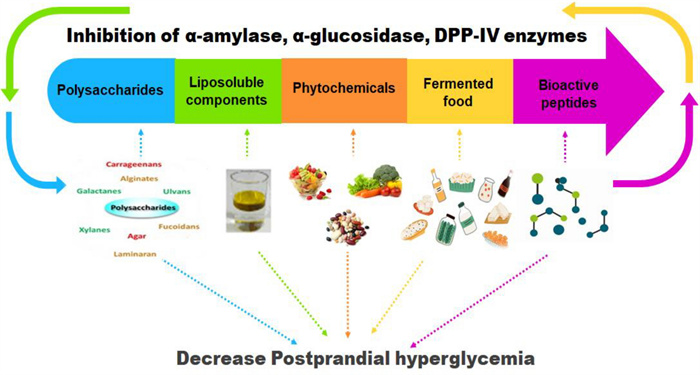
Type Ⅱ diabetes (T2D) is a chronic disease caused by hyperglycemia, insulin resistance, and insufficient insulin production. Inhibition of α-amylase, α-glucosidase, and dipeptidyl peptidase (DPP-Ⅳ) enzymes is considered a crucial interventional approach in managing T2D. Therefore, identification of natural enzyme inhibitors is essential. Hence, this study aims to highlight existing gaps and future needs regarding the potential application of natural inhibitors such as carbohydrates, lipid compounds, phytochemicals, probiotic strains, and bioactive peptides in the inhibition of enzymes involved in T2D as well as their inhibitory effects which were reviewed completely. The results of most studies showed that phenolic compounds and polysaccharides impart significant biological potential in inhibiting enzymes. This review highlights that food products fermented by probiotics possess considerable potential for diabetes control. Peptides, liposoluble, and phytochemical compounds play an obvious role in diabetes management, promising results from enzyme inhibition assays suggesting their potential as safer alternatives to conventional treatments for diabetes. However, several limitations such as type of assay methods, enzyme sources, bioavailability, and lack of research resources were observed. Therefore, additional studies should be carried out to establish optimal dosages, bioavailability, and validation methods. Understanding the inhibitory mechanisms of natural enzyme inhibitors and examining the structure–activity relationships between them are critical subjects that must receive more attention in future researches. Additionally, it is important to address the gap between scientific research and the commercialization of natural products. Hence, future efforts should prioritize conducting cell-based studies and clinical trials to evaluate the efficacy and safety of these products.Graphical Abstract
Keywords
Diabetes Natural enzyme inhibitor Bioactive peptides Phytochemicals Probiotics Food1 Introduction
Diabetes mellitus is a metabolic disorder characterized by hyperglycemia resulting from deficiencies in insulin secretion, impaired insulin action, or insulin resistance [1]. Type Ⅱ diabetes (T2D) is associated with hyperglycemia and insulin resistance [2]. A rapid rise in blood glucose levels is caused by the hydrolysis of starch by pancreatic α-amylase and the subsequent absorption of glucose by intestinal α-glucosidase [3] and dipeptidyl peptidase-Ⅳ (DPP-Ⅳ) [4]. Consequently, the blood glucose levels in diabetic patients are significantly higher compared to those of non-diabetic individuals [5]. Currently, the medical management of diabetes using drugs such as acarbose, meglitinides, biguanides, thiazolidinediones, and sulfonylureas imposes substantial financial burdens on patients. These medications, considered the primary agents for controlling postprandial hyperglycemia, have effectively lowered blood sugar levels [6]. However, they often lead to adverse effects, including digestive issues, weight gain, bloating, abdominal pain, and diarrhea, and their efficacy tends to diminish over time [7]. Recently, there has been increasing interest in identifying more effective and sustainable anti-hyperglycemic agents. For this reason, developing natural approaches for new diabetes treatments has gained attention [8]. At present, the use of alternative therapies instead of drugs and the use of functional foods have attracted the attention of consumers [9]. This growing need has emphasized exploring natural inhibitors with minimal side effects derived from food matrices [10]. The natural inhibitors with hypoglycemic property have fewer potential adverse effects and more efficacy than hypoglycemic agents [11]. Therefore, they may be good alternatives to anti-diabetic pharmaceuticals. In this regard, studies have shown that some carbohydrates have an effect on diabetes as enzyme inhibitors [12]. Some findings showed that oils and liposoluble compounds also strongly inhibited these enzymes [13]. Many studies demonstrated that phytochemicals have a glycemic-lowering effect [14]. Some research shows that probiotics and their metabolites such as bioactive peptides have anti-diabetic activity [15]. Such compounds may have a role in the treatment of diabetes, and when combined with other hypoglycemic drugs, they can result in a more significant decrease in blood sugar. However, there are limited comprehensive studies about these compounds that inhibit α-amylase, α-glucosidase, and DPP-Ⅳ enzymes. Given the significance of utilizing natural inhibitors as functional ingredients, supplements, or alternatives to pharmaceuticals for delaying or reducing glucose absorption in diabetic patients, this study focused on identifying such inhibitors for diabetes management. Hence, the main purpose of this review is to focus on the advances of natural inhibitors and introduce the natural products that affect these enzymes. In this context, carbohydrates, liposoluble compounds, phytochemicals, fermented food products produced by probiotics, and bioactive peptides are evaluated for their enzyme inhibition and potential applications in diabetes management. Also, the efficiency of inhibitory activity of these compounds on α-amylase, α-glucosidase, and DPP-Ⅳ enzymes is discussed.
2 Methodology
A systematic literature search was performed to assess the antidiabetic properties of bioactive compounds and their inhibitory effects on α-amylase, α-glucosidase, and DPP-Ⅳ enzymes, using targeted keywords including “diabetes”, “bioactive peptides”, “probiotics”, “carbohydrates”, “lipophilic components”, “phytochemicals”, “polysaccharides”, and “functional foods”. Relevant studies were retrieved from major scientific databases, including PubMed, Springer, Science Direct, Scopus, Google Scholar, and Web of Science Core Collection. Extracted data were synthesized into Tables 1, 2, 3, 4, 5 and subjected to comparative analysis for interpretative evaluation.
Inhibitory activity of carbohydrate (especially polysaccharide) by α-amylase and α-glucosidase enzymes
Inhibitory potential of liposoluble components from oil on glycemia regulating enzyme
Inhibitory activity of phytochemicals on α-amylase, α-glucosidase, and DPP-Ⅳ enzymes
Recent cases reported on fermented foods with anti-diabetic properties
Enzyme inhibitory activity of protein hydrolysates from foods
3 Digestion of carbohydrate by enzyme inhibition
Different organs in the body (salivary glands, pancreas, and small intestine), enzymes, and proteins secreted from them allow the digestion of carbohydrates. Therefore, they affect the blood glucose level. Mechanisms of important enzymes in the human body are shown in Fig. 1.
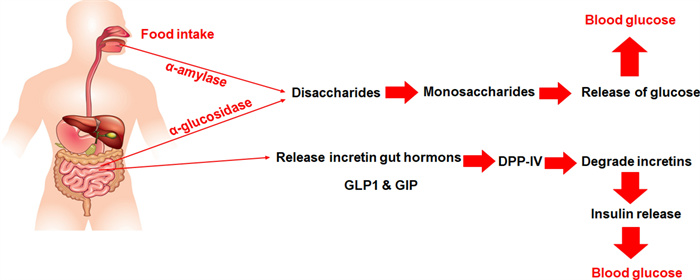
Action mechanism of α-amylase, α-glucosidase, and DPP-Ⅳ enzymes in the human Body
According to Fig. 1, the α-amylase enzyme, produced by the salivary glands and pancreas, facilitates the hydrolysis of complex carbohydrates like starch and glycogen into simpler sugars such as glucose and maltose, which contributes to increased blood glucose levels [16]. Following this, the α-glucosidase enzyme in the small intestine breaks down disaccharides into glucose, highlighting its pivotal role in the digestion and metabolism of carbohydrates [17]. In a separate physiological process following food consumption, specialized endocrine neurons in the digestive system release peptides that enhance glucose metabolism and energy homeostasis. Notable among these intestinal hormones are incretins, including glucagon-like peptide-1 (GLP-1) and glucose-dependent insulinotropic peptide (GIP). These incretins stimulate meal-induced insulin secretion by the pancreas, suppress glucagon release, and improve glucose utilization. Conversely, it has been observed that DPP-Ⅳ effectively degrades GLP-1 and GIP. Since GLP-1 and GIP stimulate pancreatic insulin production, DPP-Ⅳ inhibitors play a critical role in preventing the degradation of these incretins, thereby enhancing insulin secretion and mitigating postprandial hyperglycemia [18].
4 Inhibition of key enzymes by natural enzyme inhibitors linked to T2D
4.1 Carbohydrate derivative inhibitors
Carbohydrates are the primary source of energy for the body. They are found in a wide array of foods. Carbohydrates come in a variety of forms [19]. Based on molecular structure, carbohydrates are classified as monosaccharides, oligosaccharides, and polysaccharides. The difference between their structures can be seen in Fig. 2.
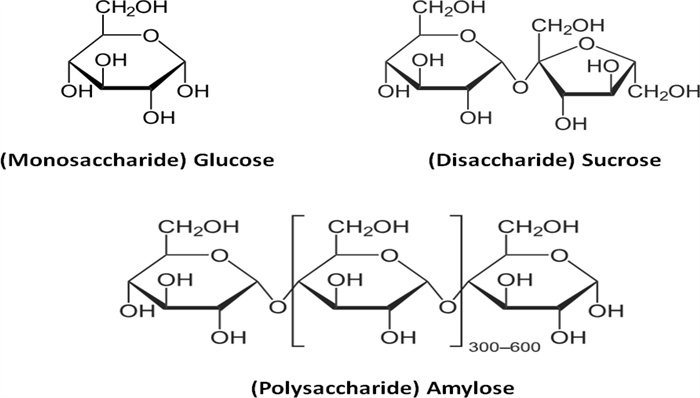
Molecular structures of carbohydrates for typical monosaccharide, oligosaccharide, and polysaccharides
Carbohydrates can be divided into two main categories as simple and complex carbohydrates. Simple carbohydrates include of one or two sugars (monosaccharides or disaccharides) combined win a simple molecule such as fructose, lactose, maltose, sucrose, glucose, galactose and ribose. Complex carbohydrates are made up of sugar molecules that are strung together in long and complex chain such as glycogen, starch, and cellulose, which are multiple glucose molecules [20]. Some carbohydrates have an effect on diabetes as enzyme inhibitors [12]. The types of carbohydrates and compounds that could act as hypoglycemic agents are shown in Fig. 3.
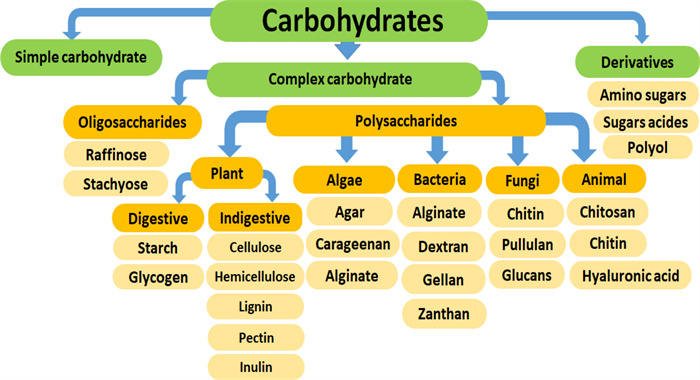
Classification of carbohydrates and compounds that could act as hypoglycemic agents
Polysaccharides, the primary constituents of carbohydrates in nature, are monosaccharides and can be derived from plants, algae, animals, fungi, and microorganisms [20–22]. Among complex carbohydrates, polysaccharides are particularly valued for their significant health benefits. Specific polysaccharides possess unique biological activities; for instance, heparin in the human body exhibits anticoagulant properties [23]. Polysaccharides are extensively utilized across various fields, including the food industry, pharmaceuticals, drug delivery systems, and medicine, where they serve as immunoregulatory, anti-tumor, antiviral, anti-inflammatory, antioxidant, and hypoglycemic agents [24]. Research has suggested that polysaccharides can mitigate diabetes by enhancing gastrointestinal viscosity, promoting satiety, facilitating colon fermentation, and reducing gastrointestinal inflammation [25]. Furthermore, the anti-diabetic properties of specific polysaccharides have been attributed to their enzyme inhibition mechanisms [26].
Dietary fibers (DFs), a specific type of polysaccharide, hold considerable value for their physiological benefits, including lowering the risk of diseases such as cancer, obesity, asthma, diabetes, and cardiovascular conditions. Recognized as the seventh essential nutrient for humans, alongside protein, fat, carbohydrates, vitamins, water, and minerals, DF exerts its effects by modulating various physiological processes [27]. Classification of DFs based on solubility, chemical composition and their source are shown in Fig. 4.
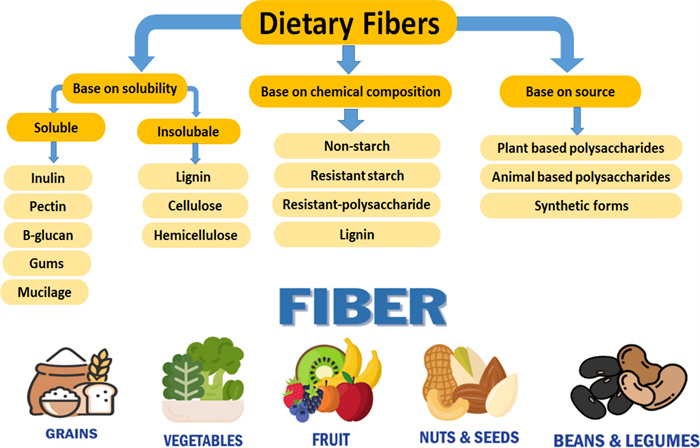
Classification of dietary fibers based on solubility, chemical composition and source
Based on chemical composition, DFs are classified as non-starch polysaccharides, resistant oligosaccharides, resistant starch, and lignin based on their chemical properties [20]. Non-starch polysaccharides (NSPs), a group of plant-derived polysaccharides, are typically resistant to digestion in the small intestine due to the absence of endogenous enzymes. Experimental and biological research have demonstrated that fibers like agar gum, beta-glucan, and arabinoxylan enhance viscosity and reduce macronutrient hydrolysis by preventing enzyme–substrate interactions [28]. It is well-established that polysaccharides can inhibit α-amylase and α-glucosidase enzymes. Table 1 showed inhibitory activity of polysaccharide by α-amylase and α-glucosidase enzymes.
The results which were presented in Table 1 show that polysaccharides can significantly inhibit α-amylase and α-glucosidase enzymes. Until now, limited research has been conducted on the effect of the polysaccharides in inhibiting the DPP-Ⅳ enzyme [49]. Therefore, evaluating the inhibitory effects of polysaccharides on this enzyme is very important and worthwhile. In addition, the evaluation of polysaccharides showed that Fucoidans are sulfated polysaccharides derived from brown algae or some marine invertebrates. They have good anti-diabetic potential. Fucoidan consists of L-fucose, sulfate ester groups, other monosaccharides, uronic acids, and acetyl [26]. Some research showed that the inhibitory mechanism of Fucoidan can be attributed to the electrostatic attraction between anionic sulfate groups in the polysaccharide chain and the enzyme [50]. In addition, Table 1 shows the inhibitory potential of dietary fibers such as Pectin, Beta-glucan, Arabinoxylan, etc. Research on the role of dietary fiber in diabetes management has indicated that it may delay α-amylase activity and inhibit enzymes by encapsulating starch and enzymes. For example, fibers such as guar gum and pectin, which significantly increase viscosity in the small intestine, have reduced postprandial glycemic responses [51]. Although the enzyme inhibitory ability of dietary fibers is considered one of their anti-diabetic mechanisms, other factors affecting the inhibition rate, such as the structural characteristics of polysaccharides, monosaccharide composition, molecular size, degree of esterification, degree of purity, and the test method should also be taken into account [44, 51–53]. Even, it has been reported that the sulfation of the barley polysaccharide significantly raises the enzyme inhibitory activity with an increase in dose and the degree of substitution of the sulfate group [29].
In addition, Table 1 illustrates the significant potential of polysaccharides in inhibiting α-amylase and α-glucosidase enzymes. However, various factors influence their activity against α-amylase and α-glucosidase. Specifically, the presence of functional groups or compounds such as free carboxyl (–COOH) groups, tannins, phytic acid (C6H18O24P6), and uronic acid in polysaccharides suppresses these enzymes, directly reducing their activity. Polysaccharides also adsorb onto starch, interfering with hydrolysis by α-amylase and α-glucosidase. Therefore, when assessing the inhibitory effects of polysaccharides on these enzymes, these factors must be considered, necessitating further research in this area. Additionally, multiple parameters, including molecular weight, glycosidic linkages, extraction methods, monosaccharide composition, viscosity, hydrophilicity, and gel-forming properties, modulate the inhibitory activity of polysaccharides [54]. In a review article, the relationships of structure-hypoglycemic effect of some polysaccharides are also discussed [55]. However, the structure-hypoglycemic activity relationship of polysaccharides, especially monosaccharide composition, molecular weight, higher structure, and type and location of glycosidic bond, is still unclear, which needs continuous attention to further reveal the deeper relationship between them. Additionally, the results showed that complex carbohydrates positively affect the inhibition of α-amylase and α-glucosidase enzymes. Therefore, it is possible to hope for the production of anti-diabetic food products containing polysaccharides. However, research on the specific effects of polysaccharides on the inhibitory activity of these enzymes remains limited and requires further exploration. Also, it should be noted that polysaccharides extracted from other food sources should be further evaluated in terms of clinical, animal, safety, and toxicity research.
4.2 Liposoluble components
Lipids are organic compounds essential for the structure and function of living cells. They are critical in forming biological membranes, providing energy, and supporting cell growth. Lipids are categorized into simple and compound lipids, depending on the presence or absence of fatty acids in their structure. Oils and liposoluble compounds also strongly hypoglycemic activity [13]. The classifications of lipids and liposoluble components that could act as hypoglycemic agents are illustrated in Fig. 5.
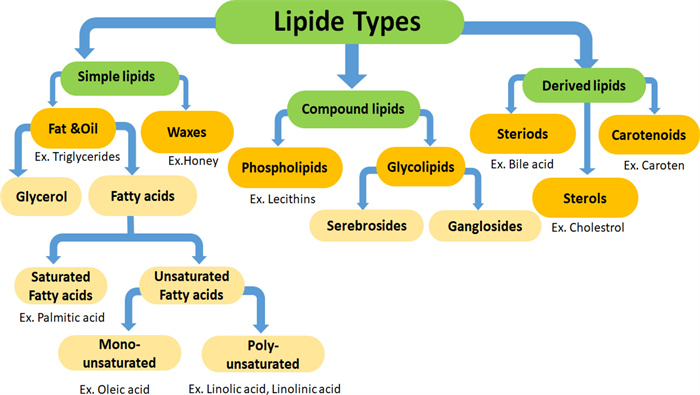
Classification of lipids and liposoluble components that could act as hypoglycemic agents
Liposoluble components are a vital source with significant potential to inhibit α-amylase and α-glucosidase enzymes, making them promising candidates for therapeutic applications and functional food development [56].
Fatty acids, the simplest lipids, are long hydrocarbon chains with a single carboxyl group. The primary constituents of seed oils include free fatty acids (FFAs), categorized as saturated fatty acids (SFAs), monounsaturated fatty acids (MUFAs), and polyunsaturated fatty acids (PUFAs) [13]. Plants and vegetables are excellent sources of fatty acids. FFAs and their derivatives have garnered attention for their broad spectrum of carbohydrate digestive enzyme inhibition and relatively low toxicity. In Fig. 6, chemical structure of common FFAs constituents extracted from seed oils as natural inhibitors are presented.
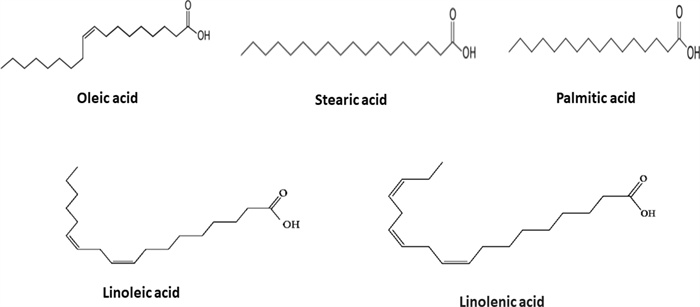
Chemical structure of common FFAs constituents extracted from seed oils hypoglycemic agents
Specific research has highlighted unsaturated fatty acids' (UFAs) inhibitory potential. For instance, 7(Z)-octadecenoic acid and 7(Z),10(Z)-octadecadienoic acid, isolated from the body wall of Stichopus japonicus (sea cucumber), exhibited α-glucosidase inhibitory activity [57]. Similarly, palmitic acid extracted from the crude extract of B. pyramidatum demonstrated α-glucosidase inhibition with an (IC50 = 0.237 mM) [58]. This research suggests that the inhibitory efficiency of UFAs increases with the number of double bonds, indicating that the presence of double bonds plays a critical role in α-glucosidase inhibition [13]. Additionally, structure–activity relationship research reveals that UFAs and phosphate groups in glycerides are essential structural elements for inhibitory activity [59].
Phytosterols, another group of plant-derived liposoluble compounds, structurally resemble cholesterol and steroids and are abundant in flax seeds, sesame, peanuts, almonds, hazelnuts, and wheat germ. Phytosterols compete with cholesterol for intestinal absorption, thereby lowering blood cholesterol levels. The most common phytosterols include campesterol, beta-sitosterol, and stigmasterol. In Fig. 7, chemical structure of these phytosterols in comparison with cholesterol are presented.
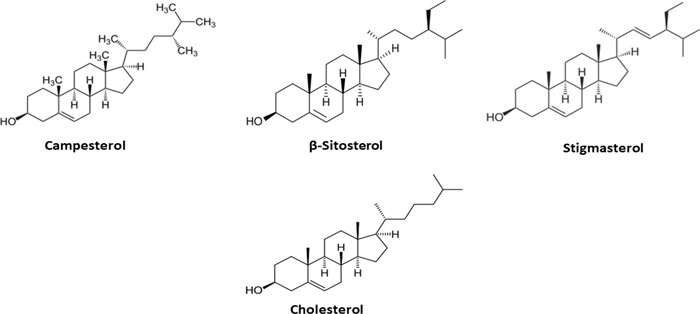
Chemical structure of common phytosterols and cholesterol
Plant-based diets are particularly rich in phytosterols, with nuts, legumes, and seeds providing the highest concentrations. Although fruits and seeds contain lower levels (1–50 mg/100 g), they are still significant sources [13]. Sitosterol from Chrozophora plicata showed strong α-glucosidase inhibitory activity (IC50 = 0.290 mM); in contrast, stigmasterol demonstrated anti-diabetic effects by inhibiting α-glucosidase in rats [60]. Ergosterol also exhibited α-glucosidase inhibition with an (IC50 = 0.839 mM). Other fat-soluble compounds, such as carotenoids and tocopherols, have also been recognized for their anti-diabetic potential to inhibit α-glucosidase [13].
Lipids derived from cereals have been identified as natural enzyme inhibitors (Table 2). Furthermore, evidence suggests that fatty acids, saponins, and terpenes found in fruits, vegetables, and mushrooms contribute to α-amylase and α-glucosidase inhibitory activities in vitro [61]. Despite these findings, many lipid-soluble inhibitors remain unexplored. Future research should investigate the interaction mechanisms between these liposoluble inhibitors and their target enzymes. Examples of lipid-soluble inhibitors studied thus far are summarized in Table 2.
4.3 Phytochemical compounds
Phytochemicals are natural compounds that contribute to plants' color, taste, and aroma and are believed to be the primary agents behind their medicinal properties and health benefits. These compounds are categorized according to their chemical structure [69]. Obviously evaluation of phytochemical compound has proven a very useful way of obtaining antidiabetic therapeutic agents. In this way, the classification of phytochemicals that could act as hypoglycemic agents are presented in Fig. 8.
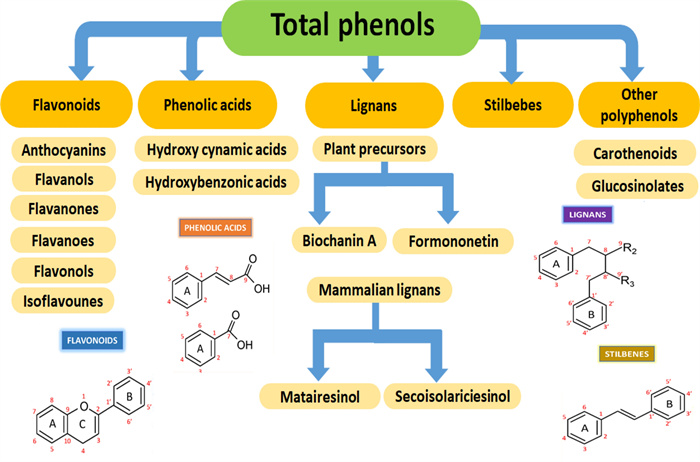
Classification of polyphenols that could act as hypoglycemic agents
Phytochemicals include compounds containing phenol (phenolic compounds), especially flavonoids and plant estrogens (phytoestrogens), glucosinolates, and other compounds, including plant-derived sterols (phytosterols) [70]. Various biological phenolic compounds containing one or more aromatic rings are found naturally in natural foods, especially plant compounds; polyphenols are compounds of many phenolic units. Phenols have different sub-categories [71]. Phenolic compounds have exhibited substantial potential in inhibiting α-amylase, α-glucosidase, and DPP-Ⅳ enzymes. Secondary plant metabolites, such as polyphenols, are not essential for human or plant growth and development but are often concentrated in plants' leaves and outer parts. Polyphenols possess significant antioxidant and anti-inflammatory properties, which protect against chronic conditions like cancer, cardiovascular diseases, and metabolic disorders, including diabetes, hypertension, and obesity [13]. Table 3 summarises the effects of phytochemical compounds in inhibiting α-amylase, α-glucosidase, and DPP-Ⅳ enzymes across various groups of plants, fruits, and vegetables.
According to Table 3, phenolic compounds influence enzyme activity by altering enzyme conformation or stability [96]. Previous studies also showed that phenolic compounds regulate T2D by inhibiting carbohydrate-digesting enzymes [97]. The specific effects of phenol–enzyme interactions depend on factors such as the phenolic compound's structure, concentration, and the enzyme's biochemical properties. These compounds can bind to the active or allosteric sites of the enzyme and affect substrate binding or catalysis. The inhibition may be reversible or irreversible based on the strength and nature of the interaction between the phenolic compound and the enzyme [96]. Furthermore, similar bioactive phenolic compound profiles can help prevent cellular oxidative damage linked to severe diabetic complications. This highlights the importance of focusing on natural compounds and phytochemicals in diabetes control strategies. Numerous investigations have emphasized the pivotal role of phytochemicals in enzyme inhibition [98].
Flavonoids are abundantly found in plants, vegetables and fruits. Humans usually consume the largest amount of flavonoids through tea, onions and apples.Flavonoids are classified as flavonols, flavanones, flavan-3-ols, anthocyanins, flavones, and isoflavones [20]. The molecular structure of more common and important flavonoids is presented in Fig. 9.
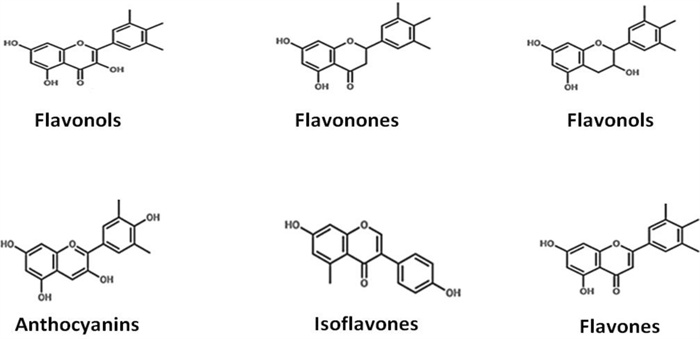
The chemical structure of the more common flavonoids
Several studies have established a strong correlation between the anti-diabetic effects of flavonoids and their ability to inhibit α-amylase and α-glucosidase enzymes. Molecular docking analyses further indicate that the inhibitory activity of flavonoids against these enzymes is mediated by hydrogen bonds formed between the –OH groups in the B ring of flavonoids and the catalytic units of the enzymes. Anthocyanins also show considerable potential in enzyme inhibition. Some researchers have reported that these compounds inhibit α-glucosidase more effectively than α-amylase, suggesting a stronger suppressive effect of anthocyanins on starch hydrolysis [54]. The inhibitory effect of anthocyanins is attributed to non-covalent interactions between their hydroxyl groups and other compounds, with evidence suggesting a direct relationship between their hydroxyl content and inhibitory activity [98].
Phenolic acids are plant secondary metabolites with carboxylic acid functional group. They are widely distributed in plants. Natural plant phenolic acids mainly include two molecular groups of hydroxycinnamic and hydroxybenzoic acids (Fig. 10).
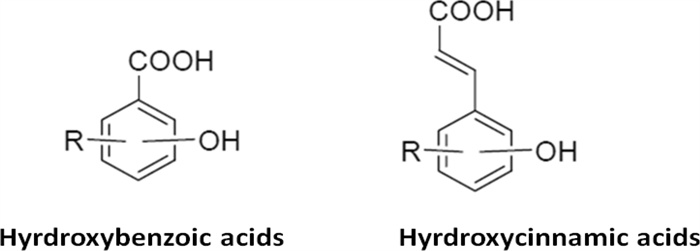
Molecular structure of the most important phenolic acids
In some studies, it has been reported that hydroxybenzoic acids, such as vanillic acid and salicylic acid, hardly show inhibitory activity against α-amylase. While hydroxycinnamic acids show good inhibition ability. For hydroxycinnamic acids, the C = C double bonds in the molecular structure with the conjugated carbonyl group are responsible for electron transfer between the benzene and acrylic acid ring segments. As a result, hydroxycinnamic acids can form a highly conjugated system that stabilizes the compounds when they bind to the active site of the amylase enzyme [99]. However, a previous study showed that chlorogenic and other phenolic acids are weak inhibitors of human salivary alpha-amylase and intestinal maltase enzymes [100]. It has also been reported that caffeic acid has a relatively strong inhibitory activity (IC50 = 0.4 mM). However, during investigations, both dehydroxylation and methylation of caffeic acid decreased its inhibitory activity against α-amylase. It was determined for quinic acid (IC50 = 26.5 mM), which was much higher than chlorogenic acids and caffeic acid. Although there are 4 hydroxyl groups in the structure of quinic acid, it does not have a strong conjugated system. Therefore, both conjugated structural features and multiple hydroxyl groups are necessary for hydroxycinnamic acids to exhibit α-amylase inhibition [101]. Some researchers analyzed a series of phenolic acids in different food matrices (for example, coffee, apple, potato, artichoke and plum), as inhibitors of human salivary α-amylase activity and rat intestinal maltase activity and they found that phenolic acids (both as free and linked to quinic acid) were only weak inhibitors of these enzymes [100]. In this regard, some other researchers hypothesized that the inhibition of carbohydrate-digesting enzymes by phenolic acids is not enough to correct postprandial blood sugar and may be the interaction of various factors that determine the food matrix [102]. Therefore, more studies in this field are necessary.
Lignans are polyphenol compounds found in plants. Lignans are mainly found in flax seed. Other sources rich in lignans include fibers such as whole grains, legumes, oilseeds, fruits, and vegetables. It has been reported that the consumption of flax seeds reduces blood glucose and lipid levels, delays glucose absorption after meals, and reduces inflammation and oxidative stress in patients with prediabetes. Lignans can show their effects by different mechanisms, including stimulating insulin secretion, inhibiting pancreatic α-amylase enzyme, increasing insulin sensitivity and improving antioxidant capacity [103].
Stilbenes are other phenolic compounds that not found in abundance in plants, so they are less common in the diet. Stilbenes are mainly found in grapes, berries, peanuts and red wine [104]. Stilbenes have perhaps shown the most scientific and public interest among natural products for controlling obesity and cardiovascular diseases. The Researches in this field over the past two decades have shown that resveratrol has cardioprotective, anti-inflammatory, antithrombotic, anticoagulant, glucose lowering, and neuroprotective effects, but successful clinical trials in humans are few and far between [105]. In a recent study it was shown that the stilbene extracted from seedy bananas imparts inhibit effect on α-glucosidase enzyme [106]. However, more studies in this field are needed.
Carotenoids are important class of natural compounds that occur as pigments in fruits, vegetables, and marine sources. Carotenoids can be divided into two groups, including xanthophylls (eg, lutein and zeaxanthin) and carotenes (eg, α-carotene, beta-carotene, and lycopene). A large number of studies have shown that carotenoids reduce the risk of T2D. It has also been demonstrated that their food consumption has an inverse relationship with HbA1c level. In addition, recent findings have confirmed the protective role of carotenoids such as lycopene, lutein and zeaxanthin against diabetic retinopathy however, it should be noted that the role of carotenoids in the pathogenesis of diabetes is still unclear very well [107]. In vitro studies have shown that carotenoids may play an important role in inhibiting α-amylase and α-glucosidase enzymes in fruit extracts (such as citrus fruits and berries) and vegetables (i.e. pepper) [108].
In general, in the investigation of phytochemical effects on diabetes with the enzyme inhibition method, studies showed that the phenolic compounds found in fruits and vegetables have great potential for diabetes management in controlling hyperglycemia. However, the extraction methods may influence the inhibitory potential of certain plant-derived compounds. Techniques such as maceration, decoction, percolation, infusion, and continuous hot extraction, alongside instrument-assisted methods, including ultrasound-assisted extraction (UAE), microwave-assisted extraction (MAE), and supercritical fluid extraction (SFE), have received increasing attention in recent years. Processing methods may also affect phenolic compound content, influencing enzyme inhibition rates. For instance, filtration and evaporation can modify the phenolic composition [54]. Moreover, variations in inhibitory activity exist among different phytochemical components. Some studies suggest that factors such as the molecular size of phenolic compounds, dietary habits, food matrix composition, gender, and other physiological variables may influence the inhibitory potential of phytochemical [109]. Researchers are actively working to harness these properties by incorporating phytochemicals into food products. For example, these bioactive compounds have been integrated into various food items, including bread, beverages, baked goods, and snacks, as part of strategies to mitigate T2D [110]. The anti-diabetic efficacy of these compounds is influenced by both their concentration and the composition of the food matrix. Additionally, research indicates that bioactive compounds and food processing methods impact the digestibility of starch in foods. It has been observed that some phenolic compounds are prone to evaporation or degradation at elevated temperatures during processing [111]. For instance, the polyphenol content in bread diminishes during baking [112]. Research has reported that berries, pure polyphenols, or their extracts effectively inhibit starch digestion, particularly in liquid food matrices, thereby reducing postprandial glucose absorption. However, their efficacy in starch-heavy foods like bread appears more limited. Similarly, commercial fruit juices enriched with phenolic compounds have shown promise in controlling postprandial glucose levels, especially in liquid foods, facilitating faster sugar absorption than solid starch-based products. In addition, grain-based products such as pasta have been enriched with polyphenols to boost their health-promoting properties, including delayed starch digestion. The influence of polyphenols on starch digestibility is partially attributed to their interactions with carbohydrates. These findings present innovative and promising strategies for diabetes management [113]. However, further research is essential to overcome the challenges associated with the impact of cooking processes and food matrix properties on the efficacy of these bioactive compounds.
4.4 Probiotics
In recent years, with the progress of research and investigation on diabetes by researchers, the point that the gut microbiota of each person can play a role in increasing or decreasing diabetes has received more attention because the gut microbiota is entirely different between diabetic and non-diabetic adults. Intestinal microbiota can affect the host's inflammatory pathway and energy metabolism; in other words, changes in intestinal microbiota may affect glucose, fat, and insulin metabolism [114]. Several research studies have revealed a correlation between intestinal microbiota composition and metabolic diseases such as obesity and diabetes [115]. Consequently, one of the most recent and practical approaches to maintaining intestinal microbiological balance involves using probiotics for disease control (Fig. 11).
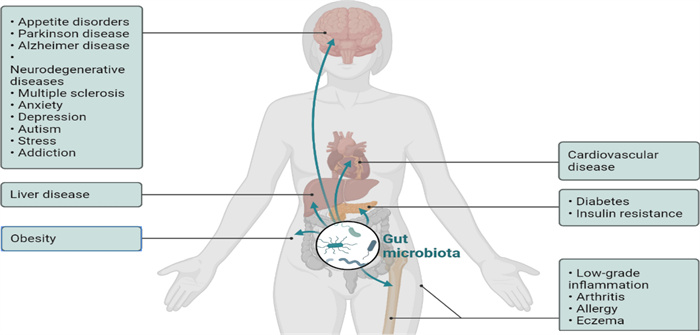
Relationship between gut microbiota and human diseases
Probiotics are live microorganisms that confer health benefits to the host when consumed adequately. The primary probiotic strains that positively influence human glucose metabolism predominantly belong to the Lactobacillus and Bifidobacteria genera [116]. Since managing and controlling diabetes requires a multi-faceted therapeutic approach, probiotic bacteria is a new approach to controlling the disease of diabetes due to their role in the intestinal microbiota. The beneficial effects of probiotics on diabetes have been widely demonstrated in animal research, including a reduction in the Bacteroidetes/Firmicutes ratio, an increase in bacteria producing short-chain fatty acids, a decrease in inflammatory molecules such as tumor necrosis factor-alpha (TNF-α), and an increase in interleukin-1 (IL-1) and interleukin-6 (IL-6), leading to improvements in insulin resistance. In addition, probiotics reduce inflammatory phenotypes, improve beta cell dysfunction, and can benefit the intestinal wall, reduce intestinal permeability, and prevent the transport of bacterial protein lipopolysaccharides [117]. It has also been shown that probiotics can reduce blood glucose and prevent animal stem cell destruction by reducing inflammation [118]. In addition to regulating blood glucose levels through oxidative stress reduction, improved insulin resistance, and increased free fatty acid availability, probiotics have been reported to enhance adiponectin levels [119]. In recent years, consumers have increasingly favored probiotic preparations and functional foods with antidiabetic activity. Lactic acid bacteria strains (LAB) are one of the most probiotic strains. Regarding the role of LAB strains in controlling diabetes, it has been reported that some strains can prevent diabetes by producing different metabolites and inhibiting enzymes [120]. Some fermented by lactobacillus strains with anti-diabetic properties. Some researchers' research on foods fermented by lactobacillus strains with anti-diabetic properties are presented in Table 4.
Table 4 highlights the significant anti-diabetic potential of probiotics in fermented products. However, factors such as strain safety, health effects, and bacterial viability must be carefully considered when screening anti-diabetic probiotic [119]. Most studies focus on dairy-based probiotic formulations, with fermented milk as a particularly suitable matrix for probiotics in enzyme inhibition. These findings emphasize the critical role of fermentation in enzyme inhibition, as probiotic-fermented products exhibit superior anti-diabetic activity compared to non-fermented counterparts. Consistent with these observations, our study also demonstrated anti-diabetic activity in fermented milk samples [2]. However, certain reports suggest minimal inhibitory effects in specific fermented products, potentially due to variations in strain type, inoculation conditions, enzyme specificity, and other influencing factors. Nevertheless, as shown in Table 4 the majority of studies indicate that fermented and functional products effectively inhibit enzymes associated with diabetes. Fermented foods provide higher levels of probiotics and prebiotics than other dietary supplements [119]. Beyond fermented milk, Table 4 identifies fermented fruit juices as an emerging category of functional foods with promising anti-diabetic potential [121, 134]. Studies suggest combining phytochemicals and probiotic fermentation enhances the hypoglycemic effects of these products [135]. Despite the demonstrated inhibitory capacity of probiotics in fermented products, limited research has explored their impact on DPP-Ⅳ inhibition. Future studies should investigate this enzyme’s role and functional mechanisms in fermented food matrices. Additionally, while probiotics show strong potential for enzyme regulation, further research is required to elucidate their precise mechanisms in food systems. Extensive molecular and genetic studies are essential for developing probiotic-based products and clarifying probiotic interactions and inhibitory pathways. The complexity of gut microbiota and the scarcity of clinical data further highlight the need for in-depth investigation. Moreover, individual variability and probiotic strain diversity are critical factors influencing their anti-diabetic effects. Recently, postbiotics and paraprobiotics derived from probiotics have gained increasing attention. Reports suggest that postbiotics enhance insulin sensitivity, leading to reduced blood glucose levels and a shorter diabetes progression period [119]. These compounds represent promising novel approaches, warranting further comprehensive research.
4.5 Bioactive peptides
Bioactive peptides are protein fragments composed of 2 to 20 amino acids, exhibiting diverse biological activities depending on the type and sequence of amino acids [136]. Bioactive peptides and proteins play a vital part in living organisms' metabolic activities and, as a result, in human health [137]. These peptides can be generated through enzymatic hydrolysis using enzymes derived from microorganisms or plants, enzymatic hydrolysis involving digestive enzymes, or fermentation with proteolytic starter cultures [17]. In Fig. 12 an overview of the production process of bioactive peptides from food proteins, including peptide separation, purification techniques, and identification methods is presented.
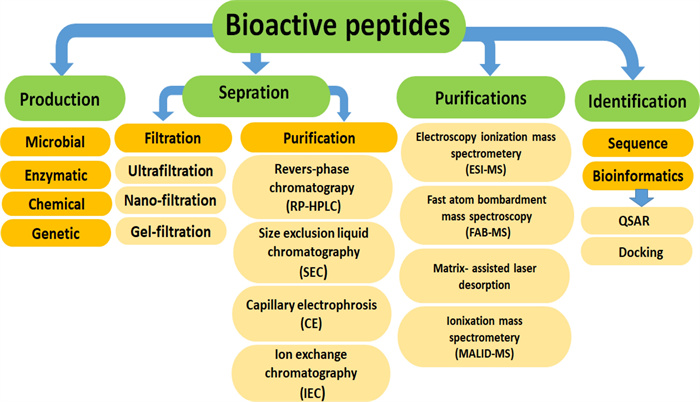
From production procedures up to final identification protocols for bioactive peptides
If the peptide sequence is identified, it can be synthesized through chemical or enzymatic methods or via genetic recombination in bacteria [138]. The production of bioactive peptides through microbial fermentation holds secondary importance but offers distinct advantages. Key benefits of microbial fermentation include selecting specific strains for targeted proteins, optimising bacterial growth temperatures, and precisely controlling fermentation duration [139].
Bioactive peptides produced via microbial fermentation are considered safe, as they are derived from food proteins and involve GRAS (Generally Recognized as Safe) microorganisms [140]. Additionally, this method is more cost-effective than enzymatic hydrolysis, eliminating the need for commercial enzymes and reducing cultivation expenses.
When LAB is utilized, proteases expressed on the cell membrane facilitate simpler purification processes for the bioactive peptides. In addition to bioactive peptides, microbial fermentation generates other biologically active compounds, such as live and dead bacterial cells, exopolysaccharides, and bacteriocins. These additional compounds may contribute to the observed bioactivity, raising uncertainties about whether the effects are exclusively related to peptides or influenced by other components.
Microbial fermentation processes are susceptible to slight variations in parameters such as pH, temperature, and pressure, which can lead to undesirable outcomes. Furthermore, fermentation can introduce unexpected complications and compromise the quality of the final product. Therefore, industrial-scale microbial fermentation requires rigorous monitoring to ensure consistent and standardized product quality [141]. Although producing bioactive peptides using chemical methods is an option, it is often limited by high costs and concerns regarding safety [139].
Recombinant DNA technology enables the production of biologically active peptides, particularly long-chain peptides and proteins. However, this method carries potential risks, as the resulting products may adversely affect the host organism. Moreover, antibacterial peptides exhibit potent antibacterial activity against expression carrier cells and are relatively vulnerable to proteolytic enzymes. To address these challenges, expressing such peptides as chimeric proteins or tandem genes has been proposed to neutralize their inherent toxic properties and enhance their expression levels, thereby mitigating these limitations [138].
In recent years, increasing attention has been directed toward natural alternatives, such as bioactive peptides, for managing T2D. Research has demonstrated the potential to produce bioactive peptides capable of effectively inhibiting enzymes involved in blood sugar regulation [142]. Consequently, developing enzyme-inhibiting peptides has emerged as a promising strategy for managing T2D [143]. Food-derived peptides from food proteins play an important role in regulating glucose homeostasis due to their effects at different levels (for example, regulation of GLP-1 and their capacity to inhibit digestion-related enzymes. In addition, some authors have described peptides as metabolites capable of increasing cholecystokinin (a gut hormone that regulates food intake) [144]. Peptides and amino acids affect body fat reduction, insulin secretion, and glycemic reduction, but more research is needed to explore these mechanisms, including how protein hydrolyzates act as signaling molecules in endocrine cells. Due to the ability of bioactive peptides to regulate intestinal hormones and glucose homeostasis, these compounds are an important research field for controlling diabetes and can positively affect human health and economic levels [144]. Peptides derived from food sources have shown promising evidence to serve as α-amylase, α-glucosidase, and DPP-Ⅳ inhibitors, posing in Table 5.
Table 5 highlights that dairy products are significant sources of anti-diabetic bioactive peptides. Research has demonstrated that milk proteins can inhibit enzymes such as α-glucosidase and DPP-Ⅳ, which are key contributors to developing T2D. The inhibitory effects of these peptides are mediated through multiple mechanisms, including satiety response, regulation of incretin hormones, modulation of insulin levels, and suppression of carbohydrate-degrading digestive enzymes [17]. Evaluating protein hydrolysates containing bioactive peptides indicates that legumes represent innovative and cost-effective sources of such peptides. Numerous research have confirmed the role of soybean-derived peptides in diabetes management, while various beans have been shown to inhibit digestive enzymes. Quinoa, a pseudo-cereal rich in protein and amino acids, generates anti-diabetic bioactive peptides through enzymatic hydrolysis, primarily by inhibiting digestive enzymes. The anti-diabetic properties of seeds have also been validated by identifying bioactive peptides in nuts. Additionally, flaxseed, rapeseed, sunflower, and sesame proteins offer novel avenues for producing anti-diabetic bioactive peptides. The findings indicate that peptides derived from proteolytic enzyme activity effectively inhibit α-amylase, α-glucosidase, and DPP-Ⅳ enzymes and highlight enzymatic hydrolysis as a reliable approach for producing functional peptides with anti-diabetic potential. Some research indicated that the activity of anti-diabetic peptides can be attributed to the proteolytic enzyme used in hydrolysis. Some research reported that the bioactive peptides and fractions (Albumin, Globulin, Prolamin, and Glutelin) obtained from different hydrolysis (Alcalase, Nutrase, Flavourzyme, and Protamax) of rice bran proteins possess different activities in inhibiting α-amylase enzyme [172].
The majority of research conducted thus far has employed proteolytic enzymes such as alcalase, pepsin, trypsin, and chymotrypsin for enzymatic hydrolysis, emphasizing the necessity of exploring other proteases in future investigations. Evidence suggests that peptide molecular weight plays a pivotal role in determining the efficiency of enzyme inhibition. Low molecular weight peptides are particularly effective in suppressing carbohydrate-hydrolyzing enzymes. For example, one investigation demonstrated that the < 3 kDa fraction obtained from pinto bean protein exhibited the highest α-amylase inhibitory activity [173]. Similarly, bioactive peptides with shorter chain lengths have been associated with α-amylase inhibition [131].
The superior efficacy of short-chain peptides may result from their ability to release electrons, thereby enhancing the inhibitory interaction with enzymes [174]. Peptides with low molecular weight can penetrate the enzyme’s active site more readily, disrupting the binding interaction between the protein and the ligand [175]. Furthermore, these peptides may contain more reactive side chains on amino acid residues, which are exposed on their surface, thereby increasing the likelihood of interaction with the enzyme's catalytic region or subsites [175]. Therefore, low molecular weight bioactive peptides could serve as effective agents for diabetes management, provided their absorption, digestion, metabolism, excretion, stability, and potential toxicity are comprehensively evaluated to enhance their bioavailability and stability. The inhibitory mechanism of enzyme activity may be attributed to the differing capacities of various fractions. For instance, specific α-amylase inhibitory peptides have been identified as blockers of the enzyme's catalytic site, explicitly targeting the catalytic Glu and Asp residues. In contrast, others have been shown to inhibit both the catalytic site and the substrate-binding regions [16]. The amino acid composition and peptide sequence are critical factors influencing the inhibitory effects of bioactive peptides. Structural-activity relationship analysis has revealed that the presence and position of specific amino acids significantly impact enzyme inhibition. For instance, DPP-Ⅳ inhibitory peptides contain hydrophilic amino acids such as threonine, histidine, glutamine, serine, lysine, and arginine, although the precise role of these hydrophilic residues remains largely unclear. Research has highlighted that a proline residue in the N-terminal region can be an effective precursor for DPP-Ⅳ inhibitors. Additionally, amino acids with high molecular weight and aromatic residues, including phenylalanine, tryptophan, tyrosine, and arginine, have been shown to enhance the inhibition of the α-amylase enzyme. Thus, amino-aromatic acids are pivotal in enzyme inhibition due to their interaction with catalytic sites [15]. Furthermore, factors such as the protein source, hydrolysis conditions, protein pretreatment, and the structure and efficiency of protein hydrolysates have been identified as key determinants of bioactive peptide performance [136]. Modifying hydrolysis parameters—including the type of protein and enzyme, the enzyme-to-substrate ratio, and hydrolysis duration—can yield products with distinct functional properties. Therefore, to produce bioactive peptides with the desired functionalities, it is essential to standardize the processes of hydrolysis, separation, and purification [176]. A critical factor influencing the inhibitory properties of peptides is their lower bioavailability and absorption under in vitro conditions compared to physiologically relevant environments. However, to exert anti-diabetic effects within the body, peptides must demonstrate sufficient stability and resistance to endogenous protease enzymes. The discovery of anti-diabetic peptides should extend beyond purification and structural identification to encompass key biochemical properties, including charge, polarity, and solubility, which significantly impact their anti-diabetic activity. In this context, the discovery of anti-diabetic peptides should not only focus on purification and structural identification but also take into account key factors such as charge, polarity, solubility, and other biochemical properties, which play a significant role in evaluating the anti-diabetic activity of peptides [54].
5 Limitation and future perspectives
Several limitations emerged during the literature review and assessment of enzyme inhibitory activity, complicating cross-study comparisons.
Assay methodology: Substantial variability in assay protocols remains a significant challenge, as methodological differences affect IC50 values and inhibition mechanisms. The lack of a universally accepted reference method undermines meaningful comparisons. But the diversity of the features of different enzymes prevents unification of assay conditions [177]. In addition, sample-specific characteristics—including purity, food matrix composition, essential oils, plant extracts, or isolated compounds—can influence outcomes. Interactions between inhibitor type, compound matrix, and assay methodology further underscore the need for protocol optimization tailored to compound class and matrix complexity.
Enzyme source: The enzyme origin significantly impacts assay performance. Most studies assessing α-amylase inhibition use porcine pancreatic enzymes, whereas yeast-derived enzymes dominate α-glucosidase assays. These selections are driven by cost and availability. However, reliance on non-human enzymes may reduce the translational value of findings [178]. Future research should prioritize human-derived enzymes to improve clinical relevance.
Substrate type: Substrate selection also introduces variability. For example, turbidity and preparation method differences affect activity measurements [179]. Standardizing substrate type and preparation will be crucial for improving reproducibility and accuracy.
Experimental conditions: Physical, chemical, and microbiological assay conditions strongly influence outcomes, including pH, solubility, molecular weight, and incubation time [177]. Rigorous control and reporting of these parameters are required for valid comparisons and meta-analyses.
Database accessibility: Limited accessibility to non-English or region-specific publications hampers comprehensive data extraction. As highlighted in Study Lam et al. [178], this restricts the synthesis of global evidence and emphasizes the need for multilingual inclusion in scientific databases.
Bioavailability: Their chemical structure and matrix interactions govern the bioavailability of bioactive compounds. Processing methods such as enzymatic or thermal treatment can modify structural integrity and activity. Greater insight into compound-specific moieties, molecular targets, and metabolic transformations will enhance the prediction of therapeutic efficacy in diabetes management [180]. Therefore, proper identification of active components with their molecular interaction is highly necessary [181].
Lack of research resources: A shortage of mechanistic studies limits the understanding molecular interactions underlying enzyme inhibition. Due to insufficient interdisciplinary integration, many in vitro studies lack structural or pathway-level analysis. Addressing this gap requires cross-domain collaboration and expanded use of in silico modeling, molecular docking, and cell-based screening platforms. While numerous compounds exhibit promising antidiabetic potential, safety data for novel agents such as emerging polysaccharides remain limited. Preclinical safety evaluations are critical prior to clinical translation [180].
6 Conclusion
This study investigated the effects of natural inhibitors on α-amylases, a-glucosidase, and DPP-Ⅳ enzymes in vitro for T2D control. The results showed that some polysaccharides, liposoluble and phytochemical compounds, and bioactive peptides have excellent inhibitory effects. The review of research indicated that fermented foods produced by probiotics can strongly affect enzyme inhibition. These results may become promising for T2D treatment. In this regard, the findings of this research underscore the importance of functional compounds and the development of functional foods in managing and controlling T2D, contributing positively to human health. However, many natural inhibitors are still not known. Future studies require new natural inhibitors and their probable toxicity.
Abbreviations
DPP-Ⅳ
Dipeptidyl peptidase-Ⅳ
FFAs
Free fatty acids
GIP
Glucose-dependent insulinotropic peptide
GLP-1
Glucagon-like peptide-1
GRAS
Generally recognized as safe
IC50
Half-maximal inhibitory concentration
IL1
Interleukin-1
IL6
Interleukin-6
LAB
Lactic acid bacteria strains
MAE
Microwave-assisted extraction
MUFAs
Monounsaturated fatty acids
PUFAs
Polyunsaturated fatty acids
SFAs
Saturated fatty acids
SFE
Supercritical fluid extraction
TNF-α
Tumor necrosis factor-alpha
T2D
Type Ⅱ diabetes
UAE
Ultrasound-assisted extraction
UFAs
Unsaturated fatty acids' inhibitory potential
Notes
Author contributions
F. SH: Conceptualization, Investigation, writing—original draft preparation. H.A: original draft preparation. S.M: project administration, supervision, review and editing of draft, B. A-a: Supervision and review of paper, editing of draft.
Funding
This research received no external funding.
Data availability
Not applicable.
Declarations
Ethics approval and consent to participate
Not applicable.
Consent for publication
All authors consented to publication.
Competing interests
The authors have no competing interests.
References
-
1.Antar SA, Ashour NA, Sharaky M, Khattab M, Ashour NA, Zaid RT, et al. Diabetes mellitus: classification, mediators, and complications; a gate to identify potential targets for the development of new effective treatments. Biomed Pharmacother. 2023;168: 115734. CrossRef PubMed Google Scholar
-
2.Shirkhan F, Mirdamadi S, Mirzaei M, Akbari-adergani B, Nasoohi N. The role of lactic acid bacteria in production of bioactive peptides in fermented milk with antioxidant and antidiabetic properties. J Food Meas Charact. 2023. CrossRef PubMed Google Scholar
-
3.Apostolidis E, Kwon YI, Shetty K. Inhibitory potential of herb, fruit, and fungal-enriched cheese against key enzymes linked to type 2 diabetes and hypertension. Innov Food Sci Emerg Technol. 2007;8: 46-54. CrossRef PubMed Google Scholar
-
4.Duez H, Cariou B, Staels B. DPP-4 inhibitors in the treatment of type 2 diabetes. Biochem Pharmacol. 2012;83: 823-32. CrossRef PubMed Google Scholar
-
5.Jarvis PRE, Cardin JL, Nisevich-Bede PM, McCarter JP. Continuous glucose monitoring in a healthy population: understanding the post-prandial glycemic response in individuals without diabetes mellitus. Metabolism. 2023;146: 155640. CrossRef PubMed Google Scholar
-
6.Hossain U, Das AK, Ghosh S, Sil PC. An overview on the role of bioactive α-glucosidase inhibitors in ameliorating diabetic complications. Food Chem Toxicol. 2020;145: 111738. CrossRef PubMed Google Scholar
-
7.Barrientos-Ávalos JR, Morel-Cerda EC, Félix-Téllez FA, Vidrio-Huerta BE, Aceves-Ayala AR, Flores-Rendón ÁR, et al. Gastrointestinal adverse effects of old and new antidiabetics: how do we deal with them in real life. Rev Gastroenterol Mex. 2024;89: 521-32. CrossRef PubMed Google Scholar
-
8.Gutiérrez-Grijalva EP, Antunes-Ricardo M, Acosta-Estrada BA, Gutiérrez-Uribe JA, Basilio Heredia J. Cellular antioxidant activity and in vitro inhibition of α-glucosidase, α-amylase and pancreatic lipase of oregano polyphenols under simulated gastrointestinal digestion. Food Res Int. 2019;116: 676-86. CrossRef PubMed Google Scholar
-
9.Mousavi M, Fadaei V, Akbari-adergani B. Stimulation of ACE inhibitory and improving α-amylase and α-glucosidase and antioxidant activities of semi-prepared and dry soup by incorporating with date kernel powder. Food Sci Nutr. 2023;11: 1342-53. CrossRef PubMed Google Scholar
-
10.Li M, Bao X, Zhang X, Ren H, Cai S, Hu X, et al. Exploring the phytochemicals and inhibitory effects against α-glucosidase and dipeptidyl peptidase-Ⅳ in Chinese pickled chili pepper: insights into mechanisms by molecular docking analysis. LWT. 2022;162: 113467. CrossRef PubMed Google Scholar
-
11.Tran N, Pham B, Le L. Bioactive compounds in anti-diabetic plants: from herbal medicine to modern drug discovery. Biology Basel. 2020;9: 1-31. CrossRef PubMed Google Scholar
-
12.Li X, Bai Y, Jin Z, Svensson B. Food-derived non-phenolic α-amylase and α-glucosidase inhibitors for controlling starch digestion rate and guiding diabetes-friendly recipes. LWT. 2022;153: 112455. CrossRef PubMed Google Scholar
-
13.Teng H, Chen L. Α-Glucosidase and α-amylase inhibitors from seed oil: a review of liposoluble substance to treat diabetes. Crit Rev Food Sci Nutr. 2017;57: 3438-48. CrossRef PubMed Google Scholar
-
14.Luo Y, Zeng Y, Peng J, Zhang K, Wang L, Feng T, et al. Phytochemicals for the treatment of metabolic diseases: evidence from clinical studies. Biomed Pharmacother. 2023;165: 115274. CrossRef PubMed Google Scholar
-
15.Antony P, Vijayan R. Bioactive peptides as potential nutraceuticals for diabetes therapy: a comprehensive review. Int J Mol Sci. 2021;22: 9059. CrossRef PubMed Google Scholar
-
16.Yan J, Zhao J, Yang R, Zhao W. Bioactive peptides with antidiabetic properties: a review. Int J Food Sci Technol. 2019;54: 1909-19. CrossRef PubMed Google Scholar
-
17.Patil P, Mandal S, Kumar S, Santosh T. Food protein - derived bioactive peptides in management of type 2 diabetes. Eur J Nutr. 2015. CrossRef PubMed Google Scholar
-
18.Godinho R, Mega C, Teixeira-de-Lemos E, Carvalho E, Teixeira F, Fernandes R, et al. The place of dipeptidyl peptidase-4 inhibitors in type 2 diabetes therapeutics: a “Me Too” or “the Special One” antidiabetic class? J Diabetes Res. 2015. CrossRef PubMed Google Scholar
-
19.Wiecinska P, Zurawska A, Falkowski P, Jeong D-Y, Szafran M. Sweet ceramics: how saccharide-based compounds have changed colloidal processing of ceramic materials. J Korean Ceram Soc. 2020;57: 231-45. CrossRef PubMed Google Scholar
-
20.Chandel NS. Carbohydrate metabolism. Cold Spring Harb Perspect Biol. 2021;13: a040568. CrossRef PubMed Google Scholar
-
21.Mahmoud YA-GAG, El-Naggar ME, Abdel-Megeed A, El-Newehy M. Recent advancements in microbial polysaccharides: synthesis and applications. Polymers (Basel). 2021;13: 4136. CrossRef PubMed Google Scholar
-
22.Díaz-Montes E. Polysaccharides: sources, characteristics, properties, and their application in biodegradable films. Polysaccharides. 2022;3: 480-501. CrossRef PubMed Google Scholar
-
23.Glass CA. Recombinant heparin—new opportunities. Front Med. 2018;5: 1-14. CrossRef PubMed Google Scholar
-
24.Mohammed ASA, Naveed M, Jost N. Polysaccharides; classification, chemical properties, and future perspective applications in fields of pharmacology and biological medicine (a review of current applications and upcoming potentialities). J Polym Environ. 2021;29: 2359-71. CrossRef PubMed Google Scholar
-
25.Hu J-L, Nie S-P, Xie M-Y. Antidiabetic mechanism of dietary polysaccharides based on their gastrointestinal functions. J Agric Food Chem. 2018;66: 4781-6. CrossRef PubMed Google Scholar
-
26.Wu J, Shi S, Wang H, Wang S. Mechanisms underlying the effect of polysaccharides in the treatment of type 2 diabetes: a review. Carbohydr Polym. 2016;144: 474-94. CrossRef PubMed Google Scholar
-
27.Xie F, Zhang W, Gong S, Gu X, Lan X, Wu J, et al. Investigating lignin from Canna edulis ker residues induced activation of α-amylase: kinetics, interaction, and molecular docking. Food Chem. 2019;271: 62-9. CrossRef PubMed Google Scholar
-
28.Dhital S, Gidley MJ, Warren FJ. Inhibition of α-amylase activity by cellulose: kinetic analysis and nutritional implications. Carbohydr Polym. 2015;123: 305-12. CrossRef PubMed Google Scholar
-
29.Qian J-Y, Bai Y-Y, Tang J, Chen W. Antioxidation and α-glucosidase inhibitory activities of barley polysaccharides modified with sulfation. LWT-Food Sci Technol. 2015;64: 104-11. CrossRef PubMed Google Scholar
-
30.Chen S, Chen H, Tian J, Wang Y, Xing L, Wang J. Chemical modification, antioxidant and α-amylase inhibitory activities of corn silk polysaccharides. Carbohydr Polym. 2013;98: 428-37. CrossRef PubMed Google Scholar
-
31.Cui J, Gu X, Wang F, Ouyang J, Wang J. Purification and structural characterization of an α-glucosidase inhibitory polysaccharide from apricot (Armeniaca sibirica L. Lam.) pulp. Carbohydr Polym. 2015;121: 309-14. CrossRef PubMed Google Scholar
-
32.Wang X-T, Zhu Z-Y, Zhao L, Sun H-Q, Meng M, Zhang J-Y, et al. Structural characterization and inhibition on α- d -glucosidase activity of non-starch polysaccharides from Fagopyrum tartaricum. Carbohydr Polym. 2016;153: 679-85. CrossRef PubMed Google Scholar
-
33.Ben Gara A, Ben Abdallah Kolsi R, Jardak N, Chaaben R, El-Feki A, Fki L, et al. Inhibitory activities of Cystoseira crinita sulfated polysaccharide on key enzymes related to diabetes and hypertension: in vitro and animal study. Arch Physiol Biochem. 2017;123: 31-42. CrossRef PubMed Google Scholar
-
34.Chen C, Zhang B, Huang Q, Fu X, Liu RH. Microwave-assisted extraction of polysaccharides from Moringa oleifera Lam. leaves: characterization and hypoglycemic activity. Ind Crops Prod. 2017;100: 1-11. CrossRef PubMed Google Scholar
-
35.Gélinas P, Gagnon F. Inhibitory activity towards human α-amylase in wheat flour and gluten. Int J Food Sci Technol. 2018;53: 467-74. CrossRef PubMed Google Scholar
-
36.Wen H, Tang B, Stewart AJ, Tao Y, Shao Y, Cui Y, et al. Erythritol attenuates postprandial blood glucose by inhibiting α-glucosidase. J Agric Food Chem. 2018;66: 1401-7. CrossRef PubMed Google Scholar
-
37.Zhang X, Kong X, Hao Y, Zhang X, Zhu Z. Chemical structure and inhibition on α-glucosidase of polysaccharide with alkaline-extracted from glycyrrhiza inflata residue. Int J Biol Macromol. 2020;147: 1125-35. CrossRef PubMed Google Scholar
-
38.Gu S, Sun H, Zhang X, Huang F, Pan L, Zhu Z. Structural characterization and inhibitions on α-glucosidase and α-amylase of alkali-extracted water-soluble polysaccharide from Annona squamosa residue. Int J Biol Macromol. 2021;166: 730-40. CrossRef PubMed Google Scholar
-
39.Rioux LE, Turgeon SL, Beaulieu M. Characterization of polysaccharides extracted from brown seaweeds. Carbohydr Polym. 2007;69: 530-7. CrossRef PubMed Google Scholar
-
40.Lakshmanasenthil S, Vinothkumar T, Geetharamani D, Marudhupandi T, Suja G, Sindhu NS. Fucoidan—a novel α-amylase inhibitor from Turbinaria ornata with relevance to NIDDM therapy. Biocatal Agric Biotechnol. 2014;3: 66-70. CrossRef PubMed Google Scholar
-
41.Vinoth Kumar T, Lakshmanasenthil S, Geetharamani D, Marudhupandi T, Suja G, Suganya P. Fucoidan - a α-d-glucosidase inhibitor from Sargassum wightii with relevance to type 2 diabetes mellitus therapy. Int J Biol Macromol. 2015;72: 1044-7. CrossRef PubMed Google Scholar
-
42.Koh HSA, Lu J, Zhou W. Structural dependence of sulfated polysaccharide for diabetes management: fucoidan from undaria pinnatifida inhibiting α-glucosidase more strongly than α-amylase and amyloglucosidase. Front Pharmacol. 2020;11: 1-9. CrossRef PubMed Google Scholar
-
43.Ahmadi Gavlighi H, Tabarsa MG-G, Ahmadi Gavlighi H, Tabarsa M, Ghaderi Ghahfarokhi M. Antioxidant, α-amylase and α-glucosidase inhibition properties of polysaccharide from pomegranate peel via enzymatic and acidic approach. Food Sci Technol. 2021;18: 145-53. CrossRef PubMed Google Scholar
-
44.Bai Y, Atluri S, Zhang Z, Gidley MJ, Li E, Gilbert RG. Structural reasons for inhibitory effects of pectin on α-amylase enzyme activity and in-vitro digestibility of starch. Food Hydrocoll. 2021;114: 106581. CrossRef PubMed Google Scholar
-
45.Shirkhan F, Mirdamadi S, Mahta Mirzaei M, Akbari-Adergani B, Nasoohi N. Effect of pectin on anti-diabetic and anti-oxidant properties of fermented milk by lactic acid bacteria isolated from traditional Iranian dairy products. Food Sci Technol. 2022;19: 55-67. CrossRef PubMed Google Scholar
-
46.Fu W, Zhao G, Liu J. Effect of preparation methods on physiochemical and functional properties of yeast β-glucan. LWT. 2022;160: 113284. CrossRef PubMed Google Scholar
-
47.Malunga LN, Eck P, Beta T. Inhibition of intestinal α -glucosidase and glucose absorption by feruloylated arabinoxylanmono- and oligosaccharides from Corn bran and wheat aleurone. J Nutr Metab. 2016;2016: 1-9. CrossRef PubMed Google Scholar
-
48.Zaharudin N, Salmeán AA, Dragsted LO. Inhibitory effects of edible seaweeds, polyphenolics and alginates on the activities of porcine pancreatic α-amylase. Food Chem. 2018;245: 1196-203. CrossRef PubMed Google Scholar
-
49.Liu D, Gao H, Tang W, Nie S. Plant non-starch polysaccharides that inhibit key enzymes linked to type 2 diabetes mellitus. Ann N Y Acad Sci. 2017;1401: 28-36. CrossRef PubMed Google Scholar
-
50.Maki KC, Galant R, Samuel P, Tesser J, Witchger MS, Ribaya-Mercado JD, et al. Effects of consuming foods containing oat β-glucan on blood pressure, carbohydrate metabolism and biomarkers of oxidative stress in men and women with elevated blood pressure. Eur J Clin Nutr. 2007;61: 786-95. CrossRef PubMed Google Scholar
-
51.Kumar V, Sinha AK, Makkar HPS, de Boeck G, Becker K. Dietary roles of non-starch polysachharides in human nutrition: a review. Crit Rev Food Sci Nutr. 2012;52: 899-935. CrossRef PubMed Google Scholar
-
52.Ganesan K, Xu B. Anti-diabetic effects and mechanisms of dietary polysaccharides. Molecules. 2019;24: 2556. CrossRef PubMed Google Scholar
-
53.Duan W-X, Yang X-H, Zhang H-F, Feng J, Zhang M-Y. Chemical structure, hypoglycemic activity, and mechanism of action of selenium polysaccharides. Biol Trace Elem Res. 2022;200: 4404-18. CrossRef PubMed Google Scholar
-
54.Azmat F, Naseer MS, Safdar M, Bishoyi AK, Islam F, Imran A, et al. Role of functional foods in diabetes management. Nutrire. 2025. CrossRef PubMed Google Scholar
-
55.Ji X, Guo J, Cao T, Zhang T, Liu Y, Yan Y. Review on mechanisms and structure-activity relationship of hypoglycemic effects of polysaccharides from natural resources. Food Sci Hum Wellness. 2023;12: 1969-80. CrossRef PubMed Google Scholar
-
56.Liu J, Zhang R, Nie K, Liu C, Deng L, Wang F. Construction of fatty acid derivatives from rubber seed oil as α-glucosidase inhibitors based on rubber seed oil. Bioresour Bioprocess. 2022;9: 23. CrossRef PubMed Google Scholar
-
57.Nguyen TH, Um BH, Kim SM. Two unsaturated fatty acids with potent α-glucosidase inhibitory activity purified from the body wall of sea cucumber (Stichopus japonicus). J Food Sci. 2011;76: H208-14. CrossRef PubMed Google Scholar
-
58.Cherigo L, Martínez-Luis S. α-glucosidase inhibitor isolated from blechum pyramidatum. Nat Prod Commun. 2018;13: 1934578X1801300. PubMed Google Scholar
-
59.Tretyakova E, Smirnova I, Kazakova O, Thi H, Nguyen T, Shevchenko A, et al. New molecules of diterpene origin with inhibitory properties toward α -glucosidase. Int J Mol Sci. 2022. CrossRef PubMed Google Scholar
-
60.Tabussum A, Riaz N, Saleem M, Ashraf M, Ahmad M, Alam U, et al. α-Glucosidase inhibitory constituents from Chrozophora plicata. Phytochem Lett. 2013;6: 614-9. CrossRef PubMed Google Scholar
-
61.Gong L, Feng D, Wang T, Ren Y, Liu Y, Wang J. Inhibitors of α-amylase and α-glucosidase: potential linkage for whole cereal foods on prevention of hyperglycemia. Food Sci Nutr. 2020;8: 6320-37. CrossRef PubMed Google Scholar
-
62.Paul S, Hou CT, Kang SC. α-Glucosidase inhibitory activities of 10-hydroxy-8(E)-octadecenoic acid: an intermediate of bioconversion of oleic acid to 7,10-dihydroxy-8(E)-octadecenoic acid. N Biotechnol. 2010;27: 419-23. CrossRef PubMed Google Scholar
-
63.Ding H, Wu X, Pan J, Hu X, Gong D, Zhang G. New insights into the inhibition mechanism of betulinic acid on α-glucosidase. J Agric Food Chem. 2018;66: 7065-75. CrossRef PubMed Google Scholar
-
64.Shang C, Gu Y, Koyama T. Major triterpenes, cycloeucalenone and 31-norcyclolaudenone as inhibitors against both α-glucosidase and α-amylase in banana peel. Int J Food Sci Technol. 2021;56: 3519-26. CrossRef PubMed Google Scholar
-
65.Li YQ, Zhou FC, Gao F, Bian JS, Shan F. Comparative evaluation of quercetin, isoquercetin and rutin as inhibitors of α-glucosidase. J Agric Food Chem. 2009;57: 11463-8. CrossRef PubMed Google Scholar
-
66.Liu L, Deseo MA, Morris CA, Winter KM, Leach DN. Investigation of $α$-glucosidase inhibitory activity of wheat bran and germ. Food Chem. 2011;126: 553-61. CrossRef PubMed Google Scholar
-
67.Tu J, Chen J, Zhu S, Zhang C, Chen H, Liu Y. Inhibition of wheat bran and it′s active compoments on α-glucosidase in vitro. Pharmacogn Mag. 2013;9: 309-14. CrossRef PubMed Google Scholar
-
68.Javadi N, Abas F, Hamid AA, Simoh S, Shaari K, Ismail IS, et al. GC-MS-based metabolite profiling of cosmos caudatus leaves possessing alpha-glucosidase inhibitory activity. J Food Sci. 2014;79(6): C1130. CrossRef PubMed Google Scholar
-
69.Kong M, Xie K, Lv M, Li J, Yao J, Yan K, et al. Anti-inflammatory phytochemicals for the treatment of diabetes and its complications: lessons learned and future promise. Biomed Pharmacother. 2021;133: 110975. CrossRef PubMed Google Scholar
-
70.Kumar A, P N N, Kumar M, Jose A, Tomer V, Oz E, et al. Major phytochemicals: recent advances in health benefits and extraction method. Molecules. 2023. CrossRef PubMed Google Scholar
-
71.Probst Y, Guan V, Kent K. A systematic review of food composition tools used for determining dietary polyphenol intake in estimated intake studies. Food Chem. 2018;238: 146-52. CrossRef PubMed Google Scholar
-
72.González-Abuín N, Martínez-Micaelo N, Blay M, Pujadas G, Garcia-Vallvé S, Pinent M, et al. Grape seed-derived procyanidins decrease dipeptidyl-peptidase 4 activity and expression. J Agric Food Chem. 2012. CrossRef PubMed Google Scholar
-
73.Wang SY, Camp MJ, Ehlenfeldt MK. Antioxidant capacity and α-glucosidase inhibitory activity in peel and flesh of blueberry (Vaccinium spp.) cultivars. Food Chem. 2012;132: 1759-68. CrossRef PubMed Google Scholar
-
74.Kozuka M, Yamane T, Nakano Y, Nakagaki T, Ohkubo I, Ariga H. Identification and characterization of a dipeptidyl peptidase Ⅳ inhibitor from aronia juice. Biochem Biophys Res Commun. 2015;465: 433-6. CrossRef PubMed Google Scholar
-
75.Ernawita, Wahyuono RA, Hesse J, Hipler UC, Elsner P, Böhm V. Carotenoids of indigenous citrus species from aceh and its in vitro antioxidant, antidiabetic and antibacterial activities. Eur Food Res Technol. 2016;242: 1869-81. CrossRef PubMed Google Scholar
-
76.Justino AB, Pereira MN, Vilela DD, Peixoto LG, Martins MM, Teixeira RR, et al. Peel of araticum fruit (Annona crassiflora Mart.) as a source of antioxidant compounds with α-amylase, α-glucosidase and glycation inhibitory activities. Bioorg Chem. 2016;69: 167-82. CrossRef PubMed Google Scholar
-
77.Tan Y, Chang SKC. Digestive enzyme inhibition activity of the phenolic substances in selected fruits, vegetables and tea as compared to black legumes. J Funct Foods. 2017;38: 644-55. CrossRef PubMed Google Scholar
-
78.Gupta A, Jacobson GA, Burgess JR, Jelinek HF, Nichols DS, Narkowicz CK, et al. Citrus bioflavonoids dipeptidyl peptidase-4 inhibition compared with gliptin antidiabetic medications. Biochem Biophys Res Commun. 2018;503: 21-5. CrossRef PubMed Google Scholar
-
79.Šavikin K, Živković J, Alimpić A, Zdunić G, Janković T, Duletić-Laušević S, et al. Activity guided fractionation of pomegranate extract and its antioxidant, antidiabetic and antineurodegenerative properties. Ind Crops Prod. 2018;113: 142-9. CrossRef PubMed Google Scholar
-
80.Berger K, Ostberg-Potthoff JJ, Bakuradze T, Winterhalter P, Richling E. Carbohydrate hydrolase-inhibitory activity of juice-based phenolic extracts in correlation to their anthocyanin/copigment profile. Molecules. 2020. CrossRef PubMed Google Scholar
-
81.Ji Y, Liu D, jin Y, Zhao J, Zhao J, Li H, et al. In vitro and in vivo inhibitory effect of anthocyanin-rich bilberry extract on α-glucosidase and α-amylase. LWT. 2021;145: 111484. CrossRef PubMed Google Scholar
-
82.Chen Z, Ma J, Li P, Wen B, Wang Y, Ma Y, et al. Preparation of hypoglycemic anthocyanins from mulberry (Fructus mori) fruits by ultrahigh pressure extraction. Innov Food Sci Emerg Technol. 2023;84: 103255. CrossRef PubMed Google Scholar
-
83.Kwon YI, Apostolidis E, Shetty K. In vitro studies of eggplant (Solanum melongena) phenolics as inhibitors of key enzymes relevant for type 2 diabetes and hypertension. Bioresour Technol. 2008;99: 2981-8. CrossRef PubMed Google Scholar
-
84.Kim MH, Jo SH, Jang HD, Lee MS, Kwon YI. Antioxidant activity and α-glucosidase inhibitory potential of onion (Allium cepa L.) extracts. Food Sci Biotechnol. 2010;19: 159-64. CrossRef PubMed Google Scholar
-
85.Tundis R, Menichini F, Bonesi M, Conforti F, Statti G, Menichini F, et al. Antioxidant and hypoglycaemic activities and their relationship to phytochemicals in Capsicum annuum cultivars during fruit development. LWT. 2013;53: 370-7. CrossRef PubMed Google Scholar
-
86.Bower AM, Real Hernandez LM, Berhow MA, de Mejia EG. Bioactive compounds from culinary herbs inhibit a molecular target for type 2 diabetes management, dipeptidyl peptidase Ⅳ. J Agric Food Chem. 2014;62: 6147-58. CrossRef PubMed Google Scholar
-
87.Wang M, Shi J, Wang L, Hu Y, Ye X, Liu D, et al. Inhibitory kinetics and mechanism of flavonoids from lotus (Nelumbo nucifera Gaertn.) leaf against pancreatic α-amylase. Int J Biol Macromol. 2018. CrossRef PubMed Google Scholar
-
88.Yang Y, Zhang J, Shen L, Feng L, Zhou Q. Inhibition mechanism of diacylated anthocyanins from purple sweet potato (Ipomoea batatas L.) against α-amylase and α-glucosidase. Food Chem. 2021;359: 129934. CrossRef PubMed Google Scholar
-
89.Babotă M, Frumuzachi O, Gâvan A, Iacoviță C, Pinela J, Barros L, et al. Optimized ultrasound-assisted extraction of phenolic compounds from Thymus comosus Heuff. ex Griseb. et Schenk (wild thyme) and their bioactive potential. Ultrason Sonochem. 2022;84: 105954. CrossRef PubMed Google Scholar
-
90.Donkor ON, Stojanovska L, Ginn P, Ashton J, Vasiljevic T. Germinated grains - Sources of bioactive compounds. Food Chem. 2012;135: 950-9. CrossRef PubMed Google Scholar
-
91.Girish TK, Pratape VM, Prasada Rao UJS. Nutrient distribution, phenolic acid composition, antioxidant and alpha-glucosidase inhibitory potentials of black gram (Vigna mungo L.) and its milled by-products. Food Res Int. 2012;46: 370-7. CrossRef PubMed Google Scholar
-
92.Tan Y, Chang SKC, Zhang Y. Comparison of α-amylase, α-glucosidase and lipase inhibitory activity of the phenolic substances in two black legumes of different genera. Food Chem. 2017;214: 259-68. CrossRef PubMed Google Scholar
-
93.Miao L, Xu Y, Jia C, Zhang B, Niu M, Zhao S. Structural changes of rice starch and activity inhibition of starch digestive enzymes by anthocyanins retarded starch digestibility. Carbohydr Polym. 2021;261: 117841. CrossRef PubMed Google Scholar
-
94.Yañez Apam J, Herrera-González A, Domínguez Uscanga A, Guerrero-Analco JA, Monribot-Villanueva JL, Fragoso-Medina JA, et al. Effect of the enzymatic treatment of phenolic-rich pigments from purple corn (Zea mays L.): evaluation of thermal stability and alpha-glucosidase inhibition. Food Bioprocess Technol. 2023;16: 2055-69. CrossRef PubMed Google Scholar
-
95.Dalar A, Konczak I. Phenolic contents, antioxidant capacities and inhibitory activities against key metabolic syndrome relevant enzymes of herbal teas from Eastern Anatolia. Ind Crops Prod. 2013;44: 383-90. CrossRef PubMed Google Scholar
-
96.Günal-Köroğlu D, Catalkaya G, Yusufoğlu B, Kezer G, Esatbeyoglu T, Abd El-Aty AM, et al. Quercetin: potential antidiabetic effects through enzyme inhibition and starch digestibility. Food Saf Heal. 2025;3: 9-22. CrossRef PubMed Google Scholar
-
97.Shahwan M, Alhumaydhi F, Ashraf GM, Hasan PMZ, Shamsi A. Role of polyphenols in combating Type 2 Diabetes and insulin resistance. Int J Biol Macromol. 2022;206: 567-79. CrossRef PubMed Google Scholar
-
98.Kamiloglu S, Günal-Köroğlu D, Ozdal T, Tomas M, Capanoglu E. Recent advances on anti-diabetic potential of pigmented phytochemicals in foods and medicinal plants. Phytochem Rev. 2024. CrossRef PubMed Google Scholar
-
99.Ćorković I, Gašo-Sokač D, Pichler A, Šimunović J, Kopjar M. Dietary polyphenols as natural inhibitors of α-amylase and α-glucosidase. Life. 2022;12: 1692. CrossRef PubMed Google Scholar
-
100.Nyambe-Silavwe H, Williamson G. Chlorogenic and phenolic acids are only very weak inhibitors of human salivary α-amylase and rat intestinal maltase activities. Food Res Int. 2018;113: 452-5. CrossRef PubMed Google Scholar
-
101.Sun L, Warren FJ, Gidley MJ. Natural products for glycaemic control: polyphenols as inhibitors of alpha-amylase. Trends Food Sci Technol. 2019;91: 262-73. CrossRef PubMed Google Scholar
-
102.Giuberti G, Rocchetti G, Lucini L. Interactions between phenolic compounds, amylolytic enzymes and starch: an updated overview. Curr Opin Food Sci. 2020;31: 102-13. CrossRef PubMed Google Scholar
-
103.Blahova J, Martiniakova M, Babikova M, Kovacova V, Mondockova V, Omelka R. Pharmaceutical drugs and natural therapeutic products for the treatment of type 2 diabetes mellitus. Pharmaceuticals. 2021;14: 1-32. CrossRef PubMed Google Scholar
-
104.Sun C, Zhao C, Guven EC, Paoli P, Simal-Gandara J, Ramkumar KM, et al. Dietary polyphenols as antidiabetic agents: advances and opportunities. Food Front. 2020;1: 18-44. CrossRef PubMed Google Scholar
-
105.Brown L, Poudyal H, Panchal SK. Functional foods as potential therapeutic options for metabolic syndrome. Obes Rev. 2015;16: 914-41. CrossRef PubMed Google Scholar
-
106.Tran HT, Bacher M, Tereucan G, Fernandez J, Rosenau T, Aranda M, et al. Seedy bananas contain stilbenes that inhibit α - glucosidase and acetylcholinesterase. JPC J Planar Chromatogr Mod TLC. 2025;28: 1-9. CrossRef PubMed Google Scholar
-
107.Roohbakhsh A, Karimi G, Iranshahi M. Carotenoids in the treatment of diabetes mellitus and its complications: a mechanistic review. Biomed Pharmacother. 2017;91: 31-42. CrossRef PubMed Google Scholar
-
108.Papoutsis K, Zhang J, Bowyer MC, Brunton N, Gibney ER, Lyng J. Fruit, vegetables, and mushrooms for the preparation of extracts with α-amylase and α-glucosidase inhibition properties: a review. Food Chem. 2021;338: 128119. CrossRef PubMed Google Scholar
-
109.Eseberri I, Trepiana J, Léniz A, Gómez-García I, Carr-Ugarte H, González M, et al. Variability in the beneficial effects of phenolic compounds: a review. Nutrients. 2022;14(9): 1925. CrossRef PubMed Google Scholar
-
110.Fernández-Fernández AM, Dellacassa E, Nardin T, Larcher R, Ibañez C, Terán D, et al. Tannat grape skin: a feasible ingredient for the formulation of snacks with potential for reducing the risk of diabetes. Nutrients. 2022. CrossRef PubMed Google Scholar
-
111.Antony A, Farid M. Effect of temperatures on polyphenols during extraction. Appl Sci. 2022. CrossRef PubMed Google Scholar
-
112.Abdel-Aal E-SM, Rabalski I. Changes in phenolic acids and antioxidant properties during baking of bread and muffin made from blends of hairless canary seed, wheat, and corn. Antioxidants. 2022. CrossRef PubMed Google Scholar
-
113.Ayua EO, Nkhata SG, Namaumbo SJ, Kamau EH, Ngoma TN, Aduol KO. Polyphenolic inhibition of enterocytic starch digestion enzymes and glucose transporters for managing type 2 diabetes may be reduced in food systems. Heliyon. 2021;7: e06245. CrossRef PubMed Google Scholar
-
114.Li C, Li X, Han H, Cui H, Peng M, Wang G, et al. Effect of probiotics on metabolic pro fi les in type 2 diabetes mellitus. Medicine. 2016. CrossRef PubMed Google Scholar
-
115.George Kerry R, Patra JK, Gouda S, Park Y, Shin H, Das G. Benefaction of probiotics for human health: a review. J Food Drug Anal. 2018;26: 927-39. CrossRef PubMed Google Scholar
-
116.Vallianou NG, Stratigou T, Tsagarakis S. Microbiome and diabetes: where are we now. Diabetes Res Clin Pract. 2018;146: 111-8. CrossRef PubMed Google Scholar
-
117.Sircana A, Framarin L, Leone N, Berrutti M, Castellino F, Parente R, et al. Altered gut microbiota in type 2 diabetes : just a coincidence. Curr Diab Rep. 2018;13(10): 98. CrossRef PubMed Google Scholar
-
118.Zhang Y, Chen R, Chen X, Zeng Z, Ma H, Chen S. Dipeptidyl peptidase iv-inhibitory peptides derived from silver carp (Hypophthalmichthys molitrix Val.) proteins. J Agric Food Chem. 2016;64: 831-9. CrossRef PubMed Google Scholar
-
119.Shen X, Ma C, Yang Y, Liu X, Wang B, Wang Y, et al. The role and mechanism of probiotics supplementation in blood glucose regulation: a review. Foods. 2024;13: 2719. CrossRef PubMed Google Scholar
-
120.Ramchandran L, Shah NP. Proteolytic profiles and angiotensin-Ⅰ converting enzyme and α-glucosidase inhibitory activities of selected lactic acid bacteria. J Food Sci. 2008;73: 75-81. CrossRef PubMed Google Scholar
-
121.Ankolekar C, Pinto M, Greene D, Shetty K. In vitro bioassay based screening of antihyperglycemia and antihypertensive activities of Lactobacillus acidophilus fermented pear juice. Innov Food Sci Emerg Technol. 2012;13: 221-30. CrossRef PubMed Google Scholar
-
122.Chen P, Zhang Q, Dang H, Liu X, Tian F, Zhao J, et al. Screening for potential new probiotic based on probiotic properties and α-glucosidase inhibitory activity. Food Control. 2014;35: 65-72. CrossRef PubMed Google Scholar
-
123.Muganga L, Liu X, Tian F, Zhao J, Zhang H, Chen W. Screening for lactic acid bacteria based on antihyperglycaemic and probiotic potential and application in synbiotic set yoghurt. J Funct Foods. 2015;16: 125-36. CrossRef PubMed Google Scholar
-
124.Zeng Z, Luo J, Zuo F, Zhang Y, Ma H, Chen S. Screening for potential novel probiotic lactobacillus strains based on high dipeptidyl peptidase Ⅳ and α-glucosidase inhibitory activity. J Funct Foods. 2016;20: 486-95. CrossRef PubMed Google Scholar
-
125.Fujita A, Sarkar D, Genovese MI, Shetty K. Improving anti-hyperglycemic and anti-hypertensive bioactive properties of Camu-Camu (Myriciaria dubia Mc. Vaugh) using lactic acid bacterial fermentation. Process Biochem. 2017. CrossRef PubMed Google Scholar
-
126.Ayyash M, Al-Dhaheri AS, Al Mahadin S, Kizhakkayil J, Abushelaibi A. In vitro investigation of anticancer, antihypertensive, antidiabetic, and antioxidant activities of camel milk fermented with camel milk probiotic: a comparative study with fermented bovine milk. J Dairy Sci. 2018;101: 900-11. CrossRef PubMed Google Scholar
-
127.Koh WY, Uthumporn U, Rosma A, Irfan AR, Park YH. Evaluation of probiotic potential and anti-hyperglycemic properties of a novel lactobacillus strain isolated from water kefir grains. Food Sci Biotechnol. 2018. CrossRef PubMed Google Scholar
-
128.Koh WY, Uthumporn U, Rosma A, Irfan AR, Park YH. Optimization of a fermented pumpkin-based beverage to improve Lactobacillus mali survival and α-glucosidase inhibitory activity : a response surface methodology approach. Food Sci Hum Wellness. 2018;7: 57-70. CrossRef PubMed Google Scholar
-
129.AlKalbani NS, Turner MS, Ayyash MM. Isolation, identification, and potential probiotic characterization of isolated lactic acid bacteria and in vitro investigation of the cytotoxicity, antioxidant, and antidiabetic activities in fermented sausage. Microb Cell Fact. 2019;18: 188. CrossRef PubMed Google Scholar
-
130.Graham K, Rea R, Simpson P, Stack H. Enterococcus faecalis milk fermentates display antioxidant properties and inhibitory activity towards key enzymes linked to hypertension and hyperglycaemia. J Funct Foods. 2019;58: 292-300. CrossRef PubMed Google Scholar
-
131.Ayyash M, Olaimat A, Al-Nabulsi A, Liu S-Q. Bioactive properties of novel probiotic Lactococcus lactis fermented camel sausages: cytotoxicity, angiotensin converting enzyme inhibition, antioxidant capacity, and antidiabetic activity. Food Sci Anim Resour. 2020;40: 155-71. CrossRef PubMed Google Scholar
-
132.Kinariwala D, Panchal G, Sakure A, Hati S. Exploring the potentiality of lactobacillus cultures on the production of milk-derived bioactive peptides with antidiabetic activity. Int J Pept Res Ther. 2020;26: 1613-27. CrossRef PubMed Google Scholar
-
133.Won GY, Choi SI, Park NY, Kim JE, Kang CH, Kim GH. In vitro antidiabetic, antioxidant activity, and probiotic activities of Lactiplantibacillus plantarum and Lacticaseibacillus paracasei strains. Curr Microbiol. 2021;78: 3181-91. CrossRef PubMed Google Scholar
-
134.Mustafa SM, Chua LS, El-Enshasy HA, Abd Majid FA, Hanapi SZ. Kinetic profile and anti-diabetic potential of fermented Punica granatum juice using Lactobacillus casei. Process Biochem. 2020;92: 224-31. CrossRef PubMed Google Scholar
-
135.Dikmetas DN, Acar EG, Ceylan FD, İlkadım F, Özer H, Karbancioglu-Guler F. Functional fermented fruit juice production and characterization by using water kefir grains. J Food Sci Technol. 2025. CrossRef PubMed Google Scholar
-
136.Karami Z, Akbari-adergani B. Bioactive food derived peptides: a review on correlation between structure of bioactive peptides and their functional properties. J Food Sci Technol. 2019;56: 535-47. CrossRef PubMed Google Scholar
-
137.Mashayekh F, Pourahmad R, Eshaghi MR, Akbari-Adergani B. Improving effect of soy whey-derived peptide on the quality characteristics of functional yogurt. Food Sci Nutr. 2023;11: 3287-96. CrossRef PubMed Google Scholar
-
138.Mada SB, Ugwu CP, Abarshi MM. Health promoting effects of food-derived bioactive peptides: a review. Int J Pept Res Ther. 2019. CrossRef PubMed Google Scholar
-
139.Nong TNP, Hsu JL. Characteristics of food protein-derived antidiabetic bioactive peptides: a literature update. Int J Mol Sci. 2021. CrossRef PubMed Google Scholar
-
140.Fan M, Guo T, Li W, Chen J, Li F, Wang C, et al. Isolation and identification of novel casein-derived bioactive peptides and potential functions in fermented casein with Lactobacillus helveticus. Food Sci Hum Wellness. 2019;8: 156-76. CrossRef PubMed Google Scholar
-
141.Cruz-Casas DE, Aguilar CN, Ascacio-Valdés JA, Rodríguez-Herrera R, Chávez-González ML, Flores-Gallegos AC. Enzymatic hydrolysis and microbial fermentation: the most favorable biotechnological methods for the release of bioactive peptides. Food Chem Mol Sci. 2021. CrossRef PubMed Google Scholar
-
142.Yu J, Chen G, Jin Y, Zhang M, Wu T. Research progress of bioactive peptides in improving type Ⅱ diabetes. Foods. 2025. CrossRef PubMed Google Scholar
-
143.Singh BP, Aluko RE, Hati S, Solanki D. Bioactive peptides in the management of lifestyle-related diseases: current trends and future perspectives. Crit Rev Food Sci Nutr. 2021;0: 1-14. CrossRef PubMed Google Scholar
-
144.Rivero-Pino F, Espejo-Carpio FJ, Guadix EM. Antidiabetic food-derived peptides for functional feeding: production, functionality and in vivo evidences. Foods. 2020. CrossRef PubMed Google Scholar
-
145.Nongonierma AB, Fitzgerald RJ. Susceptibility of milk protein-derived peptides to dipeptidyl peptidase Ⅳ (DPP-Ⅳ) hydrolysis. Food Chem. 2014;145: 845-52. CrossRef PubMed Google Scholar
-
146.Zhang Y, Chen R, Ma H, Chen S. Isolation and identification of dipeptidyl peptidase Ⅳ-inhibitory peptides from trypsin/chymotrypsin-treated goat milk casein hydrolysates by 2D-TLC and LC-MS/MS. J Agric Food Chem. 2015;63: 8819-28. CrossRef PubMed Google Scholar
-
147.Mudgil P, Kamal H, Yuen GC, Maqsood S. Characterization and identification of novel antidiabetic and anti-obesity peptides from camel milk protein hydrolysates. Food Chem. 2018;259: 46-54. CrossRef PubMed Google Scholar
-
148.Yu Z, Yin Y, Zhao W, Yu Y, Liu B, Liu J, et al. Novel peptides derived from egg white protein inhibiting alpha-glucosidase. Food Chem. 2011;129: 1376-82. CrossRef PubMed Google Scholar
-
149.Nong NTP, Chen YK, Shih WL, Hsu JL. Characterization of novel dipeptidyl peptidase-Ⅳ inhibitory peptides from soft-shelled turtle yolk hydrolysate using orthogonal bioassay-guided fractionations coupled with in vitro and in silico study. Pharmaceuticals. 2020;13: 1-21. CrossRef PubMed Google Scholar
-
150.Zhao W, Zhang D, Yu Z, Ding L, Liu J. Novel membrane peptidase inhibitory peptides with activity against angiotensin converting enzyme and dipeptidyl peptidase Ⅳ identified from hen eggs. J Funct Foods. 2020;64: 103649. CrossRef PubMed Google Scholar
-
151.Mejíaa LM, De EG. Optimization of enzymatic production of anti-diabetic peptides from black bean (Phaseolus vulgaris L.) proteins, their characterization and biological potential. Food Funct. 2016;7: 713-27. CrossRef PubMed Google Scholar
-
152.González-Montoya M, Hernández-Ledesma B, Mora-Escobedo R, Martínez-Villaluenga C. Bioactive peptides from germinated soybean with anti-diabetic potential by inhibition of dipeptidyl peptidase-Ⅳ, α-amylase, and α-glucosidase enzymes. Int J Mol Sci. 2018. CrossRef PubMed Google Scholar
-
153.Wang J, Wu T, Fang L, Liu C, Liu X, Li H, et al. Anti-diabetic effect by walnut (Juglans mandshurica Maxim.)-derived peptide LPLLR through inhibiting α-glucosidase and α-amylase, and alleviating insulin resistance of hepatic HepG2 cells. J Funct Foods. 2020;69: 103944. CrossRef PubMed Google Scholar
-
154.Wang F, Yu G, Zhang Y, Zhang B, Fan J. Dipeptidyl peptidase Ⅳ inhibitory peptides derived from Oat (Avena sativa L.), Buckwheat (Fagopyrum esculentum), and highland barley (Hordeum vulgare trifurcatum (L.) Trofim) proteins. J Agric Food Chem. 2015;63: 9543-9. CrossRef PubMed Google Scholar
-
155.ongonierma AB, Hennemann M, Paolella S, Fitzgerald RJ. Generation of wheat gluten hydrolysates with dipeptidyl peptidase Ⅳ (DPP-Ⅳ) inhibitory properties. Food Funct. 2017;8: 2249-57. CrossRef PubMed Google Scholar
-
156.Awosika TO, Aluko RE. Inhibition of the in vitro activities of α‐amylase, α‐glucosidase and pancreatic lipase by yellow field pea (Pisum sativum L.) protein hydrolysates. Int J Food Sci Technol. 2019;54: 2021-34. CrossRef PubMed Google Scholar
-
157.Vilcacundo R, Martínez-Villaluenga C, Hernández-Ledesma B. Release of dipeptidyl peptidase Ⅳ, α-amylase and α-glucosidase inhibitory peptides from quinoa (Chenopodium quinoa Willd.) during in vitro simulated gastrointestinal digestion. J Funct Foods. 2017;35: 531-9. CrossRef PubMed Google Scholar
-
158.Guo H, Richel A, Hao Y, Fan X, Everaert N, Yang X, et al. Novel dipeptidyl peptidase-Ⅳ and angiotensin-Ⅰ-converting enzyme inhibitory peptides released from quinoa protein by in silico proteolysis. Food Sci Nutr. 2020;8: 1415-22. CrossRef PubMed Google Scholar
-
159.Siow HL, Lim TS, Gan CY. Development of a workflow for screening and identification of α-amylase inhibitory peptides from food source using an integrated Bioinformatics-phage display approach: case study-cumin seed. Food Chem. 2017;214: 67-76. CrossRef PubMed Google Scholar
-
160.Ren Y, Liang K, Jin Y, Zhang M, Chen Y, Wu H, et al. Identification and characterization of two novel α-glucosidase inhibitory oligopeptides from hemp (Cannabis sativa L.) seed protein. J Funct Foods. 2016;26: 439-50. CrossRef PubMed Google Scholar
-
161.Han R, Maycock J, Murray BS, Boesch C. Identification of angiotensin converting enzyme and dipeptidyl peptidase-Ⅳ inhibitory peptides derived from oilseed proteins using two integrated bioinformatic approaches. Food Res Int. 2019;115: 283-91. CrossRef PubMed Google Scholar
-
162.Wang R, Zhao H, Pan X, Orfila C, Lu W, Ma Y. Preparation of bioactive peptides with antidiabetic, antihypertensive, and antioxidant activities and identification of α-glucosidase inhibitory peptides from soy protein. Food Sci Nutr. 2019;7: 1848-56. CrossRef PubMed Google Scholar
-
163.Feng J, Ma YL, Sun P, Thakur K, Wang S, Zhang JG, et al. Purification and characterisation of α-glucosidase inhibitory peptides from defatted camellia seed cake. Int J Food Sci Technol. 2021;56: 138-47. CrossRef PubMed Google Scholar
-
164.Arise RO. In vitro antioxidant and α-amylase inhibitory properties of watermelon seed protein hydrolysates. Environ Exp Biol. 2016;14: 163-72. CrossRef PubMed Google Scholar
-
165.Martini S, Conte A, Tagliazucchi D. Comparative peptidomic profile and bioactivities of cooked beef, pork, chicken and turkey meat after in vitro gastro-intestinal digestion. J Proteomics. 2019;208: 103500. CrossRef PubMed Google Scholar
-
166.Lima RDCL, Berg RS, Rønning SB, Afseth NK, Knutsen SH, Staerk D, et al. Peptides from chicken processing by-product inhibit DPP-Ⅳ and promote cellular glucose uptake: potential ingredients for T2D management. Food Funct. 2019;10: 1619-28. CrossRef PubMed Google Scholar
-
167.Hong H, Zheng Y, Song S, Zhang Y, Zhang C, Liu J, et al. Identification and characterization of DPP-Ⅳ inhibitory peptides from silver carp swim bladder hydrolysates. Food Biosci. 2020;38: 100748. CrossRef PubMed Google Scholar
-
168.Mune Mune MA, Minka SR, Henle T. Investigation on antioxidant, angiotensin converting enzyme and dipeptidyl peptidase Ⅳ inhibitory activity of Bambara bean protein hydrolysates. Food Chem. 2018;250: 162-9. CrossRef PubMed Google Scholar
-
169.Chandrasekaran S, Luna-Vital D, de Mejia EG. Identification and comparison of peptides from chickpea protein hydrolysates using either bromelain or gastrointestinal enzymes and their relationship with markers of type 2 diabetes and bitterness. Nutrients. 2020;12: 1-16. CrossRef PubMed Google Scholar
-
170.Gu X, Gao T, Hou Y, Li D, Fu L. Identification and characterization of two novel α-glucosidase inhibitory peptides from almond (Armeniaca sibirica) oil manufacture residue. LWT. 2020;134: 110215. CrossRef PubMed Google Scholar
-
171.Deng F, Liang Y, Lei Y, Xiong S, Rong J, Hu Y. Development and identification of novel α-glucosidase inhibitory peptides from mulberry leaves. Foods. 2023. CrossRef PubMed Google Scholar
-
172.Uraipong C, Zhao J. Rice bran protein hydrolysates exhibit strong in vitro α-amylase, β-glucosidase and ACE-inhibition activities. J Sci Food Agric. 2016;96: 1101-10. CrossRef PubMed Google Scholar
-
173.Ngoh Y-Y, Gan C-Y. Enzyme-assisted extraction and identification of antioxidative and α-amylase inhibitory peptides from Pinto beans (Phaseolus vulgaris cv. Pinto). Food Chem. 2016;190: 331-7. CrossRef PubMed Google Scholar
-
174.Famuwagun AA, Alashi AM, Gbadamosi SO, Taiwo KA, Oyedele D, Adebooye OC, et al. Effect of protease type and peptide size on the in vitro antioxidant, antihypertensive and anti-diabetic activities of eggplant leaf protein hydrolysates. Foods. 2021;10: 1112. CrossRef PubMed Google Scholar
-
175.Baba WN, Mudgil P, Kamal H, Kilari BP, Gan C-Y, Maqsood S. Identification and characterization of novel α-amylase and α-glucosidase inhibitory peptides from camel whey proteins. J Dairy Sci. 2021;104: 1364-77. CrossRef PubMed Google Scholar
-
176.Mirzaei M, Shavandi A, Mirdamadi S, Soleymanzadeh N, Motahari P, Mirdamadi N, et al. Bioactive peptides from yeast: a comparative review on production methods, bioactivity, structure-function relationship, and stability. Trends Food Sci Technol. 2021;118: 297-315. CrossRef PubMed Google Scholar
-
177.Bisswanger H. Enzyme assays. Perspect Sci. 2014;1: 41-55. CrossRef PubMed Google Scholar
-
178.Lam TP, Tran NVN, Pham LHD, Lai NVT, Dang BTN, Truong NLN, et al. Flavonoids as dual-target inhibitors against α-glucosidase and α-amylase: a systematic review of in vitro studies. Nat Prod Bioprospect. 2024. CrossRef PubMed Google Scholar
-
179.Shirkhan F, Mirdamadi S, Mirzaei M, Akbari-adergani B, Nasoohi N. In-vitro investigation of antidiabetic and antioxidants properties of major prebiotics and plant based dietary fibers. J Diabetes Metab Disord. 2025;24: 1-13. CrossRef PubMed Google Scholar
-
180.Karasawa MMG, Mohan C. Fruits as prospective reserves of bioactive compounds: a review. Nat Prod Bioprospect. 2018;8: 335-46. CrossRef PubMed Google Scholar
-
181.Dey P, Singh J, Suluvoy JK, Dilip KJ, Nayak J. Utilization of swertia chirayita plant extracts for management of diabetes and associated disorders: present status, future prospects and limitations. Nat Prod Bioprospect. 2020;10: 431-43. CrossRef PubMed Google Scholar
Copyright information
© The Author(s) 2026
Open Access This article is licensed under a Creative Commons Attribution 4.0 International License, which permits use, sharing, adaptation, distribution and reproduction in any medium or format, as long as you give appropriate credit to the original author(s) and the source, provide a link to the Creative Commons licence, and indicate if changes were made. The images or other third party material in this article are included in the article’s Creative Commons licence, unless indicated otherwise in a credit line to the material. If material is not included in the article’s Creative Commons licence and your intended use is not permitted by statutory regulation or exceeds the permitted use, you will need to obtain permission directly from the copyright holder. To view a copy of this licence, visit http://creativecommons.org/licenses/by/4.0/.