Advances in natural coumaronochromones: a comprehensive review of natural occurrence, bioactivities, and chemical synthesis

Abstract
Coumaronochromones, characterized by a distinctive benzofuro[2,3-b]chromenone core, constitute a rare subclass of isoflavonoids. Biosynthetically, they are proposed to originate from carbohydrate metabolism and the phenylpropanoid pathway like other isoflavones. To date, 92 natural coumaronochromones have been isolated and characterized from nearly 28 species across 24 genera within 7 families (including one fungal source). These compounds are predominantly distributed in the Fabaceae family, which accounts for over half (64%) of all known derivatives. Notably, approximately 20% of coumaronochromones are derived from the genus Euchresta (Fabaceae). The unique scaffold of coumaronochromones confers a broad spectrum of notable pharmacological activities, including anti-inflammatory, antibacterial, insecticidal, cytotoxic, and immunomodulatory effects, highlighting their potential as valuable natural leads for pharmaceutical and agrochemical development. This review comprehensively summarizes recent advances in the chemistry and biology of coumaronochromones, providing a detailed account of their natural occurrence, documented biological activities, and chemical syntheses.Graphical Abstract

Keywords
Coumaronochromones Natural occurrence Biological activities Chemical syntheses1 Introduction
Coumaronochromones represent a rare class of isoflavonoid natural products characterized by a distinctive benzofuro[2,3-b]chromenone core (Scheme 1). Primarily found in leguminous plants, they exhibit a broad spectrum of significant physiological and pharmacological activities. Reported biological properties include anti-inflammatory, antibacterial, antitumor, insecticidal, and immunomodulatory effects, highlighting their considerable therapeutic and agrochemical potential [1–9]. To date, 92 natural coumaronochromones have been identified from approximately 28 species spanning 24 genera across 7 families (including one fungal source). Despite their diverse bioactivities and promising applications—ranging from pharmaceuticals to food additives and agricultural agents—a comprehensive review systematically covering their botanical origins, biological functions, synthetic methodologies, and practical applications remains unavailable. This review aims to address this gap by consolidating recent advances in the chemistry and biology of coumaronochromones. It provides a detailed overview of their natural occurrence (plant sources), documented biological activities, and reported chemical syntheses. By organizing existing knowledge and highlighting future directions, this work is intended to serve as a valuable resource for researchers in natural products chemistry, organic synthesis, and medicinal chemistry.
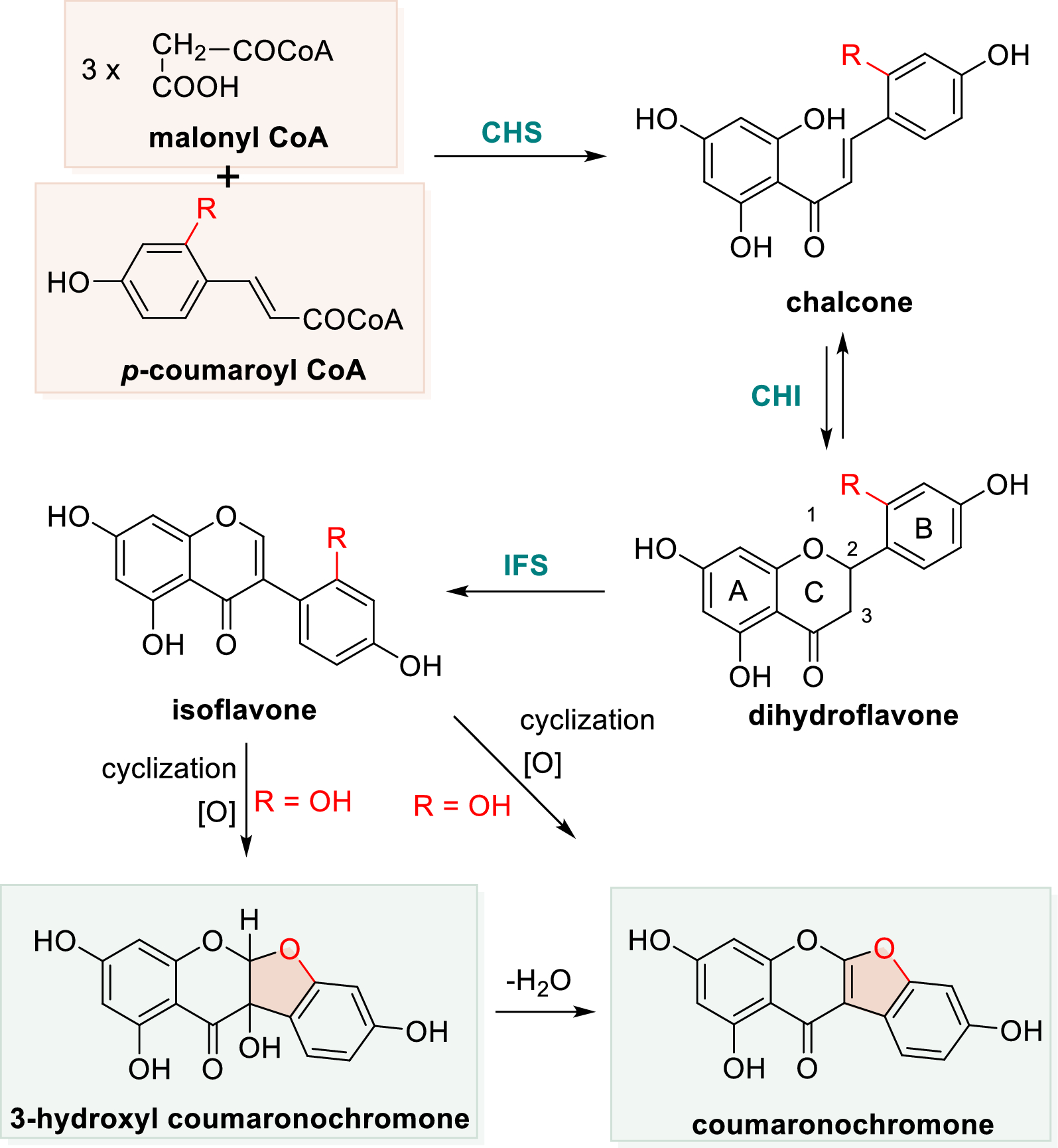
Plausible biosynthetic pathways for coumaronochromone
Coumaronochromones are classified as a subclass of isoflavones, which are plant-derived secondary metabolites. Isoflavones represent a major group of flavonoids, structurally characterized by the migration of the B-ring from the C-2 to the C-3 position of the flavonoid core. While the complete biosynthetic pathway of coumaronochromones remains unresolved, it is hypothesized that their upstream biosynthesis aligns with that of isoflavones (Scheme 1). The biosynthesis of isoflavones in plants is well-established, initiating from malonyl-CoA and p-coumaroyl-CoA—precursors derived from carbohydrate metabolism and the phenylpropanoid pathway, respectively. The core scaffold is assembled from three malonyl-CoA molecules and one coumaroyl-CoA molecule through sequential enzymatic reactions. First, chalcone synthase (CHS) catalyzes the condensation of these substrates to form a chalcone intermediate. This chalcone is subsequently isomerized by chalcone isomerase (CHI) to yield a dihydroflavone. As documented in the literature, dihydroflavone is then converted into the corresponding isoflavone by isoflavone synthase (IFS) [10, 11].
Based on this pathway, we propose a biosynthetic hypothesis wherein isoflavones bearing a hydroxyl group at a specific position (when R=OH) may undergo further cyclization and oxidation to generate coumaronochromones and 3-hydroxycoumaronochromones. Whether this hydroxyl group originates from the initial substrate or is introduced via a later oxidative step remains to be clarified through detailed biosynthetic studies.
2 Plant sources
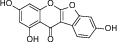
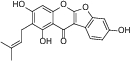
To date, a total of 92 coumaronochromones have been isolated and characterized from natural sources, encompassing 28 species distributed across 24 genera within 7 families (including one fungal species). The structures, botanical origins, and plant parts of these compounds are summarized in Table 1, with further contextual details provided in the accompanying text.
The plant sources of natural coumaronochromones
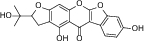
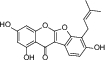
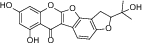
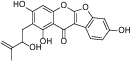
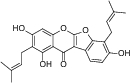
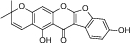
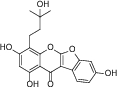
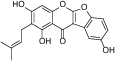
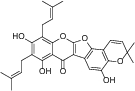
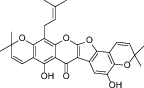
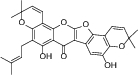
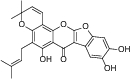
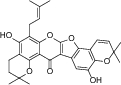
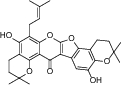
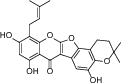
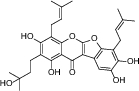
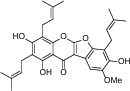
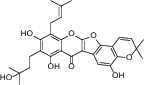
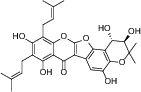
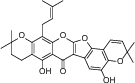
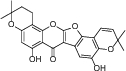
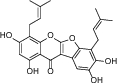
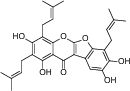
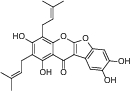
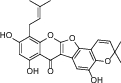
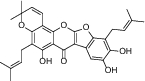
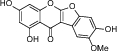
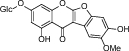
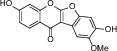
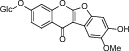
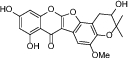
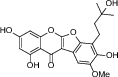
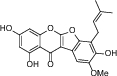
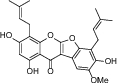
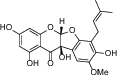
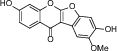
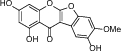
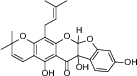
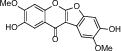
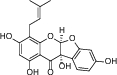
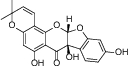
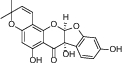
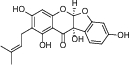
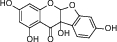
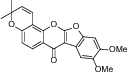
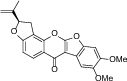
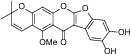
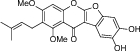
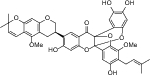
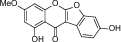
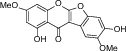
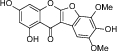
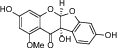
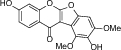
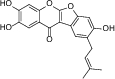
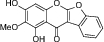

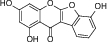
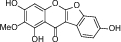
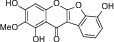
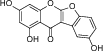
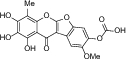
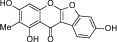
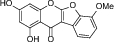


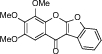
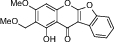
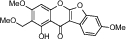
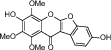
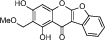
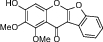


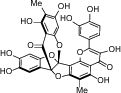
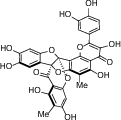
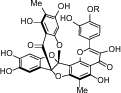
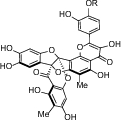
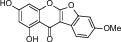
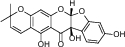
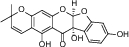
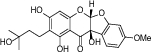
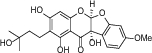
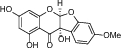
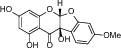
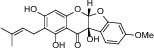
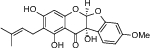
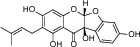
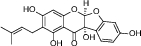
Analysis of their distribution indicates that coumaronochromones occur predominantly within the Fabaceae family, from which more than half (64%) of all known derivatives have been isolated. The Moraceae family represents the second most significant source, accounting for 14% of reported compounds. Notably, approximately 20% of all coumaronochromones have been identified from plants belonging to the genus Euchresta (Fabaceae). Among these species, Euchresta japonica has a long history of use in traditional Chinese medicine (TCM), where it is employed for its heat-clearing, detoxifying, throat-soothing, and anti-inflammatory properties.
2.1 Fabaceae
Roots of Lupinus albus L.: lupinalbins A–E (1–5), and lupinalbin G (6) [12, 13].
Roots of Lupinus luteus: lupinalbins A and B (1 and 2) [12, 14, 15], lupinalbin D (4) [12], lupinalbin F (7) [12, 16], lupinalbin H (8) [17], lupilutin (9), and lupalbin B (10) [12, 18, 19].
Roots of Euchresta formosana: euchretin A (11) [20, 21], euchretins D and E (12 and 13) [22], euchretin G (14) [23], euchretins J-N (15–19), formosanatins A-D (20–23) [22].
Stems of Euchresta formosana: euchretins B and C (24 and 25) [24].
Roots of Euchresta japonica: euchretin G (14), euchretins F and H (26 and 27)[23].
Roots of Euchresta tubulosa: euchretin I (28) [25].
Leaves of Desmodium oxyphyllum: desmoxyphyllin A (29), desmoxyphyllin A 7-O-β-D-glucopyranoside (30), desmoxyphyllin B (31), desmoxyphyllin B 7-O-β-D-glucopyranoside (32) [26].
Root barks of Piscidia erythrina: lisetinone (33), lisetm hydrate (34), lisetin (35), 8-prenyl-lisetin (36), ptscerythro (37) [27, 28, 29].
Roots of Derris oblonga: obiongin (38) and oblonginol (39) [30].
Stem barks of Erythrina seneoalensis: erysenegalensein J (40) [31].
Arial parts of Derris elliptica: obiongin (38) and 6,4'-dihydroxy-7,5'-dimethoxy-coumaronochromone (41) [30, 32].
Twigs and leaves of Erythrina subumbrans: erythrinasubumbrin A (42) and (+)-erythrinasubumbrin B (43), (−)-erythrinasubumbrin B (44), and lupinol C (45)[33].
Arial parts of Desmodium styracifolium: 3,5,7,4'-tetrahydroxycoumaronochromone (46) [34].
Roots of Lonchocarpus nicou: nor-dehydrodeguelin (47) and (-)-nor-dehydrorotenone (48) [35].
Roots of Campylotropis hirtella: hirtellanine A (49) [8], 4',5'-dihydroxy-5,7-dimethoxy-6-(3-methylbut-2-enyl)coumaronochromone (50) [36] and 3,8,9,16-tetrahydroxy-18-methoxy-2-((R)-5-methoxy-2,2-dimethyl-7,8-dihydro-2H,6H-pyrano[3,2-g]chromen-7-yl)-17-(3-methylbut-2-en-1-yl)-11H-10b,5a-(epoxy[1,2]benzeno)benzofuro[2,3-b]chromen-11-one (51) [37].
Pericarps of Sophora japonica: sophorophenolone (52) [38].
Leaves and heartwood of Dalbergia boehmii: dalbergichromone (53) [3].
Twigs of Eriosema robustum: eriocoumaronochromone (54) [2].
Rhizomes of Apios americana: (2R,3S)-3,7,4'-trihydroxy-5-methoxycoumaronochromone (55) [15].
Roots of Millettia lasiantha: 7,3'-dihydroxy-2',4'-dimethoxycoumaronochromone (56) [39].
Roots of Cajanus cajan L.: cajasan (57) [40].
2.2 Iridaceae
Leaves of Iris pseudacorus: ayamenins A–D (58–61), 5,7,3'-trihydroxy-6-methoxycoumaronochromone (62) [41].
Leaves of Iris bungei Maxim.: irisbungin (63) [42].
2.3 Rubiaceae
Twigs and leaves of Urophyllum chinense Merr. & Chun: urophyllumol (64) [43].
2.4 Nyctaginaceae
Roots of Boerhaavia diffusa: boeravinone J (65) [44] and boeravinone R (66) [45].
Cell culture of Abronia nana: boeravinone Y (67) [7].
2.5 Amaranthaceae
Whole plant of Aerva persica: aervins A–C (68–70) [46, 47].
Inflorescences of Celosia cristata: cristatones Ⅰ and Ⅱ (71 and 72) [48, 49].
Whole plant of Suaeda glauca: suaeglaucin A (73) [50].
Whole plant of Agriophyllum squarrosum: agrisquarins D and E (74 and 75), and (±)-agrisquarin G (76) [51].
Rhizomes of Suaeda glauca: suaeglaucin C (77) [52].
2.6 Myrtaceae
Roots of Baeckea frutescens L.: baeckeins F–I (78–81) [9].
2.7 Arbuscular mycorrhizal fungi
Cell culture of Arbuscular mycorrhiza: lotuschromone (82) [15].
2.8 Moraceae
Fruits of Ficus altissima: lupinalbin B (2), lupinalbin D (3), ficusaltins C–F (83–86), (2R,3S)-3,5,7-trihydroxy-4'-methoxycoumaronochromone (87), (2S,3R)-3,5,7-trihydroxy-4'-methoxycoumaronochromone (88), (2S,3R)-6-(3-methyl-2-buten-1-yl)-3,5,7-trihydroxy-4'-methoxycoumaranochroman-4-one) (89), (2R,3S)-6-(3-methyl-2-buten-1-yl)-3,5,7-trihydroxy-4'-methoxycoumaranochroman-4-one (90), (2S,3R)-6-(3-methyl-2-buten-1-yl)-3,5,7,4'-tetrahydroxycoumaranochroman-4-one (91), and (2R,3S)-6-(3-methyl-2-buten-1-yl)-3,5,7,4'-tetrahydroxycoumaranochroman-4-one (92) [18, 53, 54].
3 Bioactivities
Despite no coumaronochromone-derived drugs having reached clinical development or the market, natural coumaronochromones exhibit diverse biological activities, notably including anti-inflammatory, antibacterial, cytotoxicity, insecticidal, and immunomodulatory properties (Fig. 1). These findings underscore the potential of coumaronochromones as a valuable source of bioactive leads worthy of further investigation.

An overview of biological activities of natural coumaronochromones
3.1 Anti-inflammatory
Euchretin F (28) demonstrated significant inhibitory activity against arachidonic acid (AA)- and collagen-induced platelet aggregation [36].
Erythrinasubumbrin A (42), (+)-erythrinasubumbrin B (43), (-)-erythrinasubumbrin B (44), and lupinol C (45) significantly suppressed NO production at 10 μM in LPS-stimulated BV-2 cells, with inhibition rates of 37.50%, 24.76%, 40.92%, and 86.17%, respectively (p < 0.05) [33].
(2R,3S)-3,7,4'-Trihydroxy-5-methoxycoumaronochromone (55) showed marked anti-inflammatory activity in vitro, effectively inhibiting LPS-induced NO production in RAW 264.7 macrophages with an IC50 of 0.38 ± 0.04 μM, suggesting its potential to mitigate inflammatory responses via suppression of excessive NO generation [15].
Boeravinone Y (67) was found to effectively inhibit HMGB1-mediated septic responses induced by LPS. In a cecal ligation and puncture (CLP)-induced sepsis model, this compound enhanced macrophage phagocytic activity and promoted bacterial clearance in both peritoneal fluid and blood of septic mice [7].
The anti-inflammatory activities of baeckeins F–I (78–81) were also examined in LPS-stimulated RAW 264.7 cells. Following MTT viability testing, baeckein I (81) displayed the highest NO-inhibitory activity, with an IC50 of 15.2 μM, comparable to that of the positive control indomethacin (IC50 = 13.8 μM) [9].
Ficusaltin D (84) exhibited notable anti-neuroinflammatory effects. It significantly suppressed LPS-induced NO production in BV-2 cells and down-regulated the expression of iNOS, IL-6, and IL-1β. Furthermore, the compound inhibited nuclear translocation of NF-κB, indicating a multi-target mechanism underlying its anti-neuroinflammatory activity [53].
Cajasan (57), agrisquarin D (74), agrisquarin E (75), and (±)-agrisquarin G (76), exhibited certain inhibitory rates of 51.99 ± 4.26%, 5.77 ± 1.24%, 26.54 ± 1.80%, and 16.10 ± 1.04%, respectively, in inhibition of LPS-induced NO production in RAW 264.7 cells (with L-NMMA as a positive control, 52.01 ± 1.96% inhibition) [40, 51].
3.2 Antibacterial
Compound 54 exhibited weak antimicrobial activity, with minimum inhibitory concentrations (MICs) > 150 μg/mL against two Gram-positive bacteria (Bacillus subtilis and Staphylococcus aureus), two Gram-negative bacteria (Klebsiella pneumoniae and Escherichia coli), one fungus (Candida albicans), and one yeast (Saccharomyces cerevisiae)[2].
Imran et al. found aervins A–C (68–70) exhibited notable antibacterial activity against a panel of bacterial strains, with MIC values ranging from 60.05 to 79.21 μg/mL. In addition, compounds 68–70 showed carbonic anhydrase inhibitory activity, with IC50 values of 19.01, 18.24, and 18.65 μM, respectively. These findings highlight their promising bioactivity and suggest their potential as novel pharmacophores for the treatment of conditions such as glaucoma, epilepsy, and cystic fibrosis [47].
3.3 Cytotoxicity
At a concentration of 10 μg/mL, euchretin A (11), euchretin J (15), and euchretin M (18) exhibited moderate inhibitory effects against the human hepatoma cell line 59 T, with inhibition rates of 52.0%, 86.5%, and 71.5%, respectively. In addition, compound 15 showed an inhibition rate of 53.0% against the human gastric cancer cell line SCM-1 at the same concentration [21]. In a separate study on the same plant, coumaronochromone 50 was reported to inhibit prostate-specific antigen (PSA) secretion with an IC50 value of 0.28 μM, while displaying low cytotoxicity [36].
The inflorescences of Celosia cristata are used in TCM for hemostasis, as documented in Chinese Pharmacopoeia (2025) [55]. Its constituent, cristatone Ⅱ (72), exhibited significant inhibitory activity against HeLa and BGC-823 cancer cell lines with IC50 values of 23.82 and 3.34 μM, respectively [6].
Suaeglaucin C (77) exhibited cytotoxicity on HCT116 cells at 30 and 50 μM, and showed marked lethality with a median lethal concentration (LC50) of 9.41 μM in healthy zebrafish embryos [52].
3.4 Insecticidal
Obiongin (38) exhibited insecticidal activity against the larvae of Aedes albopictus, with a LC50 value of 5.85 mg/L. In cytotoxicity evaluations, 38 demonstrated potent inhibitory effects against both Spodoptera litura (SL) cells and the insect cell lines BTI-TN-5B1-4 (Hi-five). Compound 41 similarly showed high toxicity toward these cell lines, with inhibition rates of 68.41% against SL cells and 56.11% against Hi-five cells. Notably, the cytotoxic activities of both 38 and 41 were significantly higher than those of the positive control rotenone (which exhibited inhibition rates of 20.83% and 21.53% against SL and Hi-five cells, respectively) [32].
3.5 Immunomodulatory
Campylotropis hirtella, a shrub widely distributed in subtropical regions of China, has traditionally been used in folk medicine, with its stems and roots employed for the treatment of benign prostatic hyperplasia (BPH). The plant is recognized for its rich profile of flavonoids, indicating a well-developed flavonoid biosynthetic system. Among these, the coumaronochromones hirtellanine A (49) and 4', 5'-dihydroxy-5,7-dimethoxy-6-(3-methylbut-2-enyl)coumaronochromone (50) were isolated from the roots of C. hirtella. In vitro studies revealed that compound 49 exhibits potent immunosuppressive activity with IC50 values of 0.06 µM against B-lymphocyte proliferation and 0.92 µM against T-lymphocyte proliferation. Cytotoxicity assays using mouse splenic lymphocytes showed that 49 possessed low cytotoxicity, with CC50 values of 3.03 µM (B-cells) and 26.32 µM (T-cells), suggesting its potential as a promising lead for novel immunosuppressive agents [8]. Similarly, compound 50 demonstrated significant immunosuppressive activity in mitogen-induced mouse splenocyte proliferation assays, with IC50 values of 0.28 µM (B-cells) and 1.55 µM (T-cells), while maintaining low cytotoxicity (CC50 = 1.34 µM) [36, 37].
4 Construction of the coumaronochromone core
As outlined in Scheme 2, five main strategies have been reported to construct the core scaffold of coumaronochromones. The longest linear sequence from starting materials (SM) to the coumaronochromone skeleton consists of 8 steps, while the shortest requires only 4 steps. These synthetic approaches generally proceed through one of three key intermediates (Ⅰ–Ⅲ). Although direct cross-coupling between a chromone C-3 position and an aryl halide may appear efficient [11], this route often limits the late-stage introduction of polyhydroxy and other substituents [56]. Therefore, the following strategies have been developed: Route A employs a Suzuki–Miyaura cross-coupling to afford isoflavone I, which subsequently undergoes intramolecular oxidative cyclization to form the coumaronochromone core [57, 58]. Route B involves oxidative rearrangement of a chalcone to give isoflavone I, followed by intramolecular oxidative cyclization to yield the target structure [59]. Route C proceeds via Friedel–Crafts acylation of a phenol with a benzoic acid derivative to generate the key α-aryl phenone intermediate Ⅱ. This intermediate is then condensed and cyclized to isoflavone I, and finally oxidized to the coumaronochromone [60]. Route D utilizes a Buchwald–Hartwig-Miura (BHM)-arylation between an acetophenone and a bromobenzene to produce α-aryl phenome Ⅱ, which is transformed into the coumaronochromone via a tandem condensation/oxidative cyclization sequence [61]. Route E relies on nucleophilic addition–elimination between an activated chromone (C-2 position) and a phenol to give the key 2-phenoxychromone intermediate Ⅲ. Intramolecular cross-dehydrogenative coupling (CDC) then delivers the coumaronochromone [48].
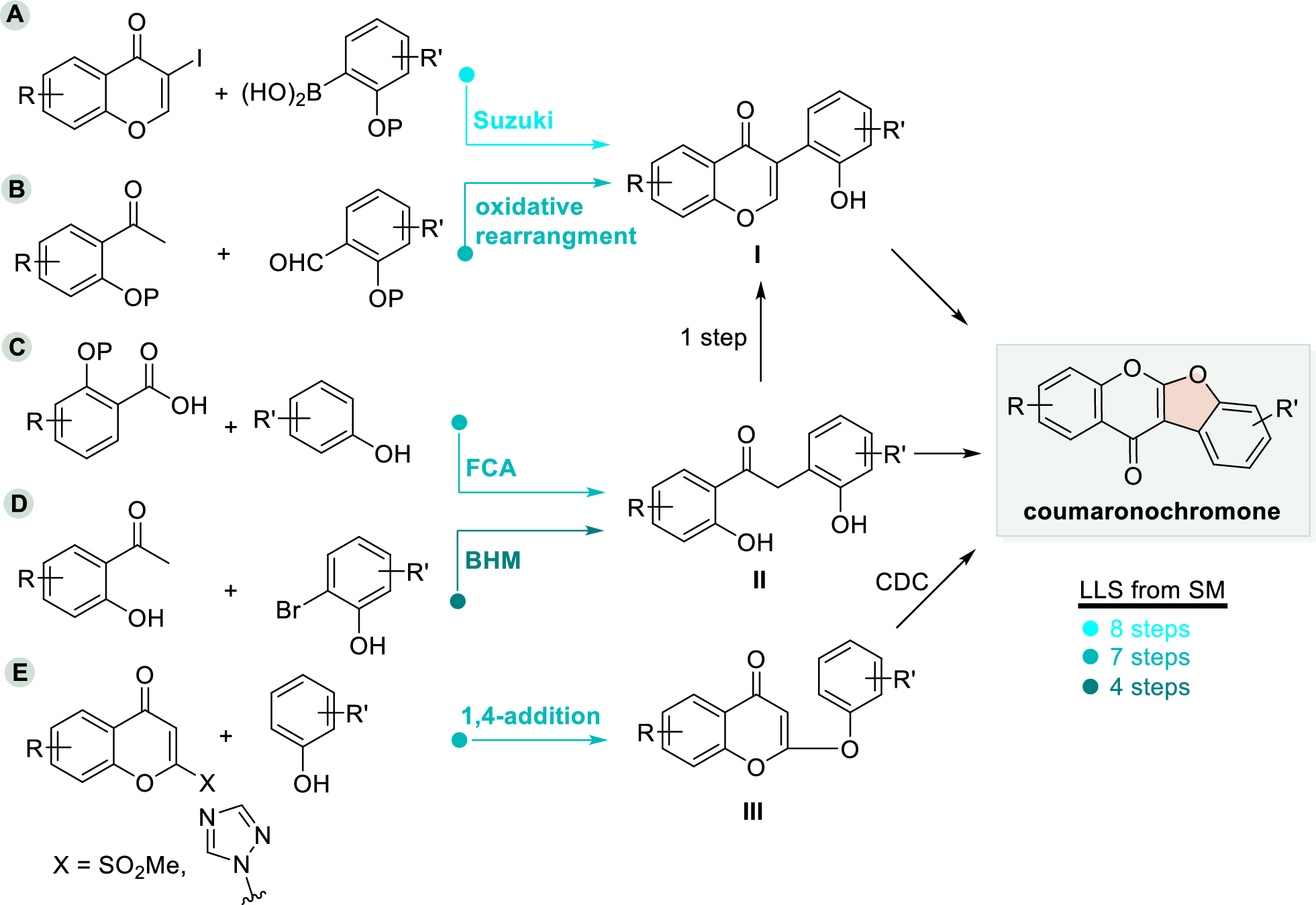
Strategies for construction of the coumaronochromone core
4.1 Suzuki–Miyaura cross-coupling enabled total syntheses of lupinalbins A and H
Van Heerden et al. used resorcinol 3a and phloroglucinol 3d as the starting materials for total syntheses of lupinalbins A and H. Starting from the protection of the phenolic hydroxyl groups of 3a with MOM chloride, followed by iodination, afforded the iodobenzene 3b. This intermediate underwent lithium-iodine exchange, nucleophilic substitution with B(OiPr)3, and subsequent hydrolysis with NH4Cl to give phenylboronic acid 3c. Concurrently, phloroglucinol 3d was subjected to MOM protection and then condensed with DMF-DMA to furnish enamine 3e. Treatment of 3e with iodine induced cyclization and iodination, providing 3-iodochromone 3f as the major product, along with a minor amount of iodobenzene by-product 3f′ (Scheme 3) [57]. Subsequently, a Suzuki–Miyaura cross-coupling between 3c and 3f then delivered isoflavone 3g. Deprotection of the MOM protections using HCl/MeOH afforded isoflavone 3h. Subsequent oxidation with DDQ, proceeding via hydrogen atom transfer (HAT) and single-electron transfer (SET) pathways to generate key intermediates i and ii, enabled an intramolecular cross-dehydrogenative coupling (CDC) between the 2′-hydroxy group on the B-ring with the C-2 site. This key step successfully furnished the natural product lupinalbin A (1). Finally, an aldol reaction between prenal and lupinalbin A (1) yielded intermediate 3j, which spontaneously underwent an intramolecular [4 + 2] cyclization (via transition state iii) to complete the synthesis of the natural product lupinalbin H (8) [58].
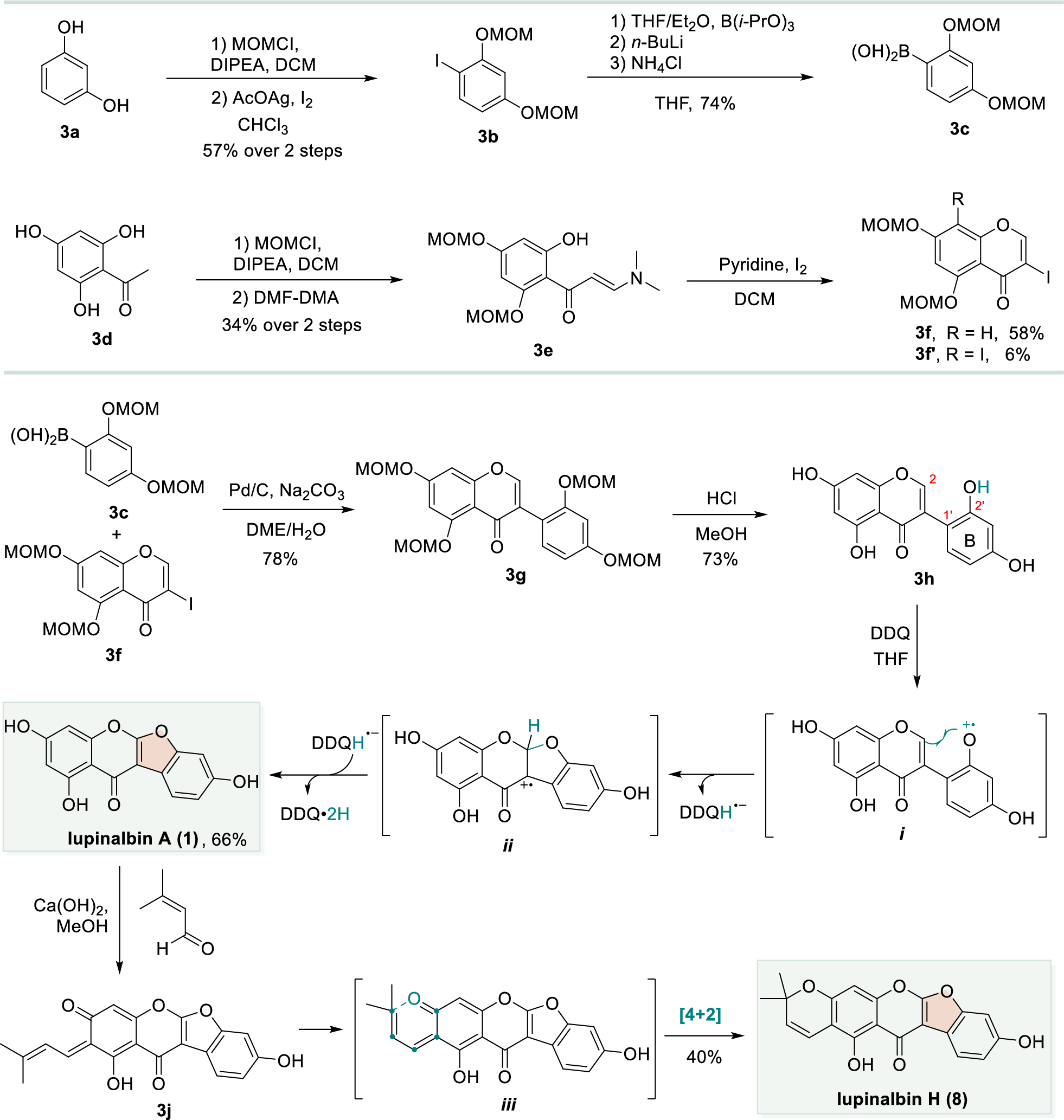
Total syntheses of lupinalbins A and H through Suzuki–Miyaura reaction
4.2 Tl(Ⅲ)-mediated oxidative rearrangement enabled the total synthesis of lupinalbin A and lupilutin
Tsukayama and co-workers reported the total syntheses of lupinalbin A and lupilutin starting from functionalized substrates 4a–c, which were first converted via aldol addition, protection (Ac2O), and elimination sequences to furnish chalcones 4d and 4e (Scheme 4). These intermediates subsequently underwent a Tl(Ⅲ)-mediated oxidative rearrangement (via intermediates i–iii) to yield acetals 4f and 4g. Under basic conditions (10% NaOH/MeOH), 4f and 4g then underwent 1,4-addition/elimination to afford isoflavones 4h and 4i, respectively. Isoflavone 4h was subjected to debenzylation using Pd/C under a H2 atmosphere to give 4j, which then underwent a DDQ-mediated oxidative cyclization successfully yielding the natural product lupinalbin A (1).
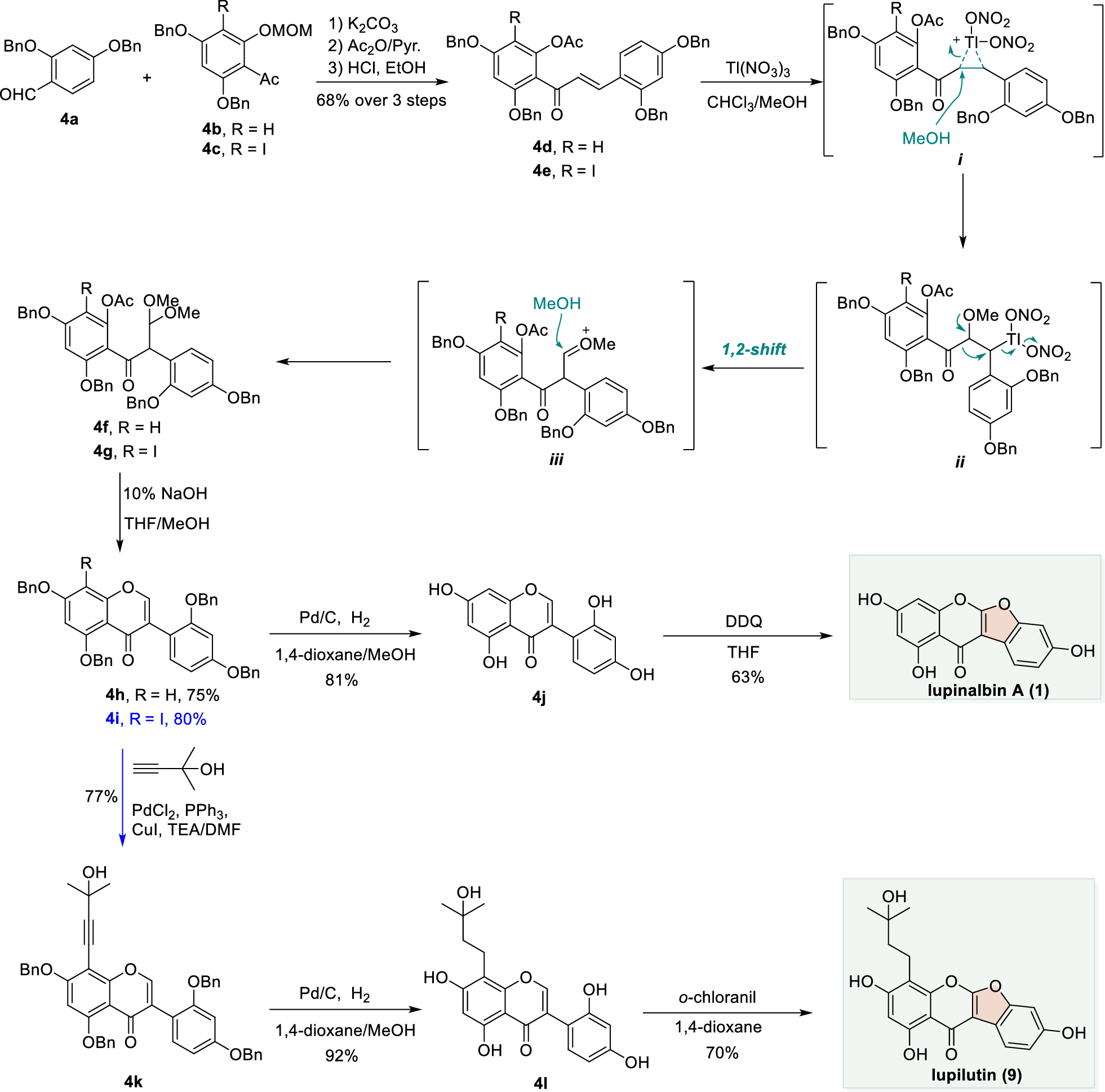
Total syntheses of lupinalbin A and lupilutin through Tl(Ⅲ)-mediated oxidative rearrangement
In parallel, isoflavone 4i was coupled with 2-methyl-3-butyn-2-ol via a Pd-catalyzed Sonogashira cross-coupling reaction to afford 4k. Subsequent debenzylation (Pd/C, H2) furnished isoflavone 4l. Finally, treatment of 4l with o-chloranil—an oxidant that operates through a similar mechanism to that of DDQ-enabled CDC reaction completed the synthesis of the natural product lupilutin (9) (Scheme 4) [59].
4.3 Friedel–Crafts acylation enabled total synthesis of lupinalbin A
In the total synthesis of lupinalbin A (1) reported by Miller et al., 2,4-dimethoxyphenylacetic acid (5a) was condensed with 1,3,5-trimethoxybenzene through Friedel–Crafts acylation to afford the α-aryl phenome 5b. Selective demethylation of 5b with AlCl3 in chloroform gave the ortho-hydroxy phenome 5c, which subsequently underwent intramolecular cyclization using CH(OMe)3 in the presence of morpholine to furnish isoflavone 5d. Treatment of 5d with BBr3 effected the regioselective demethylation, yielding the 2′-hydroxyisoflavone 5e. Finally, oxidative cyclization with DDQ followed by global demethylation using pyridinium hydrochloride provided 1 (Scheme 5) [60].
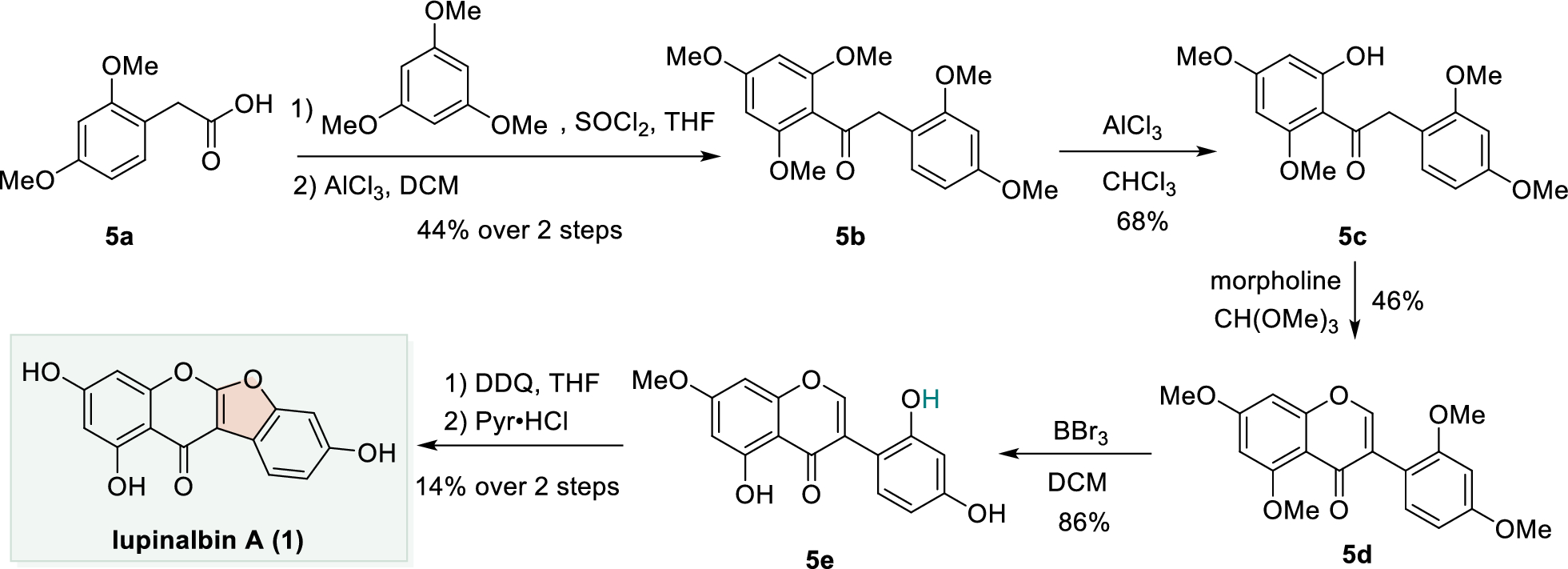
Total synthesis of lupinalbin A through Friedel–Crafts acylation
4.4 BHM arylation enabled total synthesis of cristatone Ⅱ
The BHM arylation represents an efficient method for aryl group introduction [62–65]. In our laboratory, a de novo synthetic route was developed starting from acetophenone 6a and bromobenzene 6b (Scheme 6). A palladium-catalyzed intermolecular BHM arylation afforded the corresponding α-aryl phenone, which after debenzylation (Pd/C, H2) yielded α-aryl phenome 6c. Subsequently, 6c was treated with activated DMF under the conditions of DDQ/BF3·OEt2/MsCl to generate the reactive intermediate i. In the presence of DDQ, intermediate i underwent a tandem oxidative cyclization to furnish coumaronochromone 6d. Selective methylation of 6d (MeI, K2CO3) then provided 6e. Finally, application of a modified Vilsmeier–Haack reaction (TiCl4, dichlorodimethyl ether) followed by selective reduction and methylation (NaBH3CN/H2SO4/MeOH) completed the total synthesis of the natural product cristatone Ⅱ (72) [61].
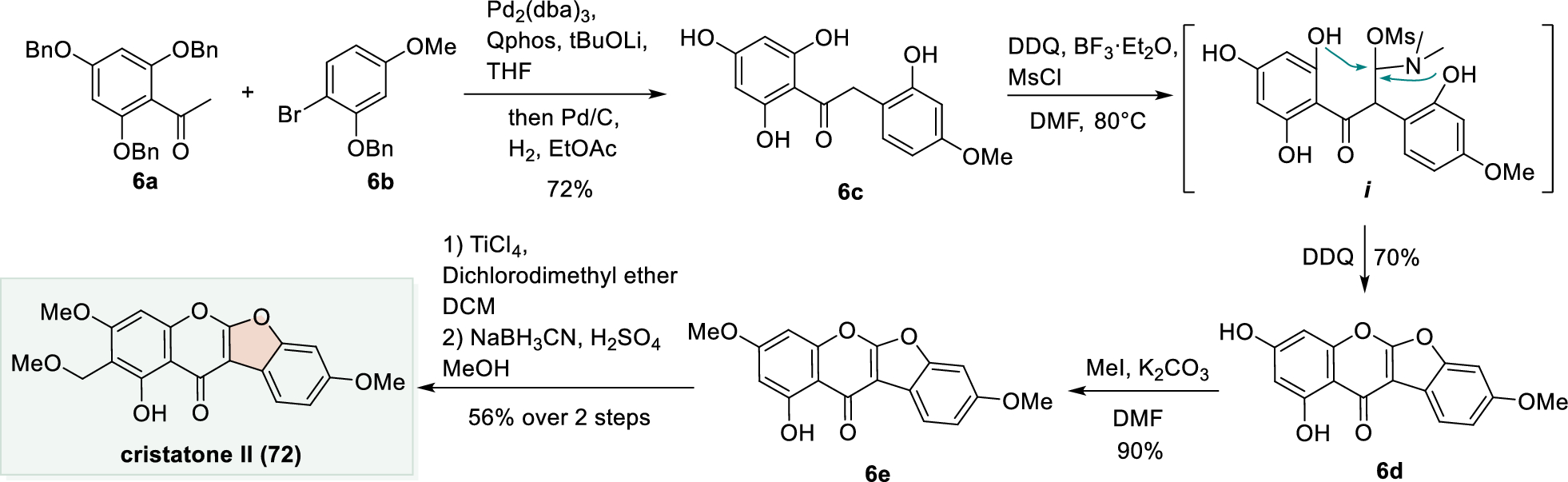
Total synthesis of cristatone Ⅱ through BHM arylation
4.5 Chromone-based 1,4-addition/elimination enabled total synthesis of lupinalbin A
In the synthetic route developed by Xu and Chen et al., 2-hydroxyacetophenone 7a was converted to 2-thiochromone 7b via a three-step sequence involving nucleophilic addition to CS2, cyclization, and elimination. Subsequent oxidation of 7b with mCPBA furnished the activated 2-mesylchromone 7c. Treatment of 7c with the phenol derivative 7d in the presence of NaH promoted a 1,4-addition/elimination process, affording the 2-phenoxychromone 7h. Notably, 7h could also be prepared from a corresponding 3-triazolochromone via an analogous transformation. Palladium-catalyzed CDC reaction of 7h then delivered the coumaronochromone scaffold 7i. Final demethylation with BBr3 completed the synthesis of the natural product lupinalbin A (1) (Scheme 7) [48, 66, 67].
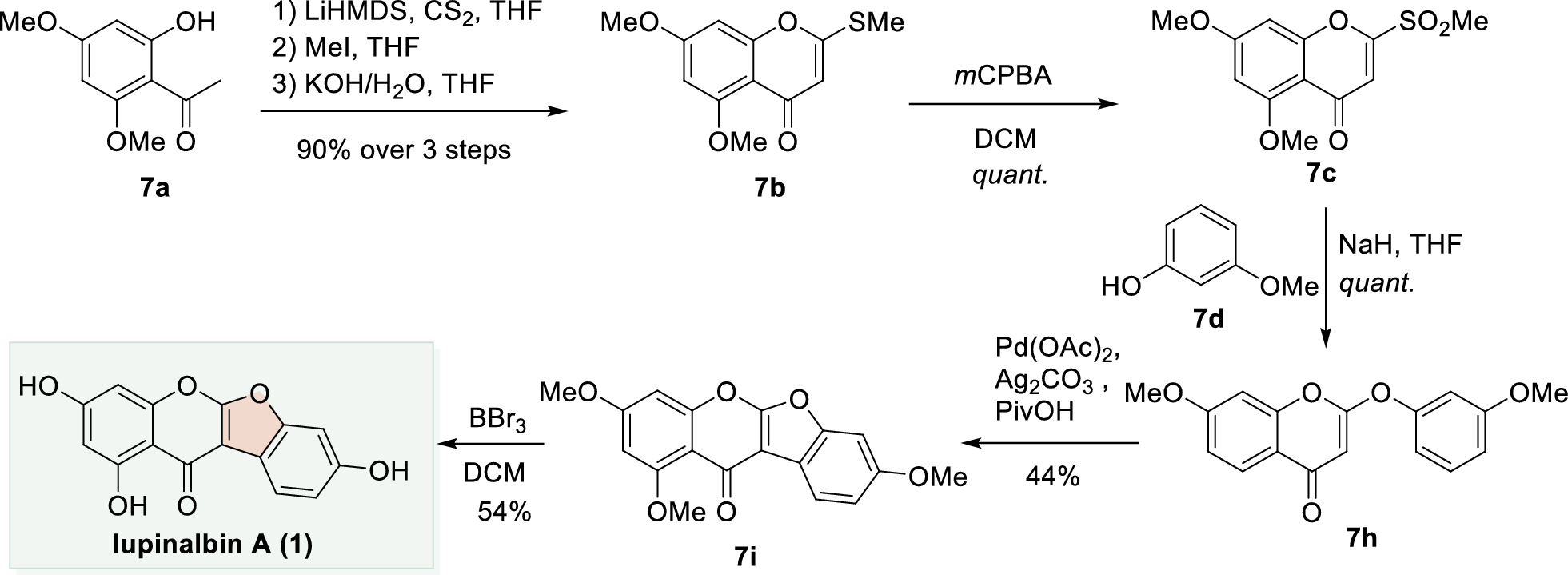
Total synthesis of lupinalbin A through a chromone-based 1,4-addition/elimination strategy
5 Conclusion
Coumaronochromones represent a significant subclass of natural isoflavonoids. A comprehensive review summarizing their natural occurrence, botanical origins, biosynthetic pathways, pharmacological activities, and chemical synthesis strategies will provide valuable insights and facilitate further research and development of these natural products. These compounds are primarily distributed in plants of the Fabaceae and Moraceae families. Notably, some source plants, such as Euchresta formosana and Desmodium styracifolium, have a long history of use in TCM, underscoring their therapeutic relevance. Corresponding coumaronochromones exhibit a broad spectrum of bioactivities, including anti-inflammatory, antibacterial, antitumor, and immunomodulatory effects, highlighting their considerable potential in drug discovery. In addition, the chemical synthesis of coumaronochromones has been achieved through diverse strategies. Conventional approaches for constructing the core benzofuro[2,3-b]chromenone scaffold include Suzuki–Miyaura cross-coupling, Tl-mediated oxidative rearrangement, Friedel–Crafts acylation, chromone-based 1,4-addition/elimination, and subsequent DDQ-mediated cross-dehydrogenative coupling (CDC) cyclization. Recently, a novel modular strategy featuring a BHM arylation/DDQ-oxidative cyclization sequence was developed. This efficient four-step protocol offers mild reaction conditions and excellent functional-group tolerance, and has been successfully applied to the concise seven-step total synthesis of the natural product cristatone Ⅱ. With the rapid advancement of green chemistry and synthetic biology, more efficient and environmentally benign synthetic methodologies for this promising class of compounds are anticipated to emerge.
Notes
Author contributions
D. X, Q. L, and W. W were contributed equally; D. X, Q. L, and W. W carried out all references collection, data analysis, figures preparation, and wrote the manuscript. M.‑F. X and J.‑C. L assisted in the figures preparation. K. L revised the manuscript. D. L and W.‑J. W checked the manuscript. L.‑D. S supervised all work presented in this manuscript. All authors above reviewed this manuscript. All data were generated in‑house, and no paper mill was used. All authors agree to be accountable for all aspects of work ensuring integrity and accuracy. The author(s) read and approved the final manuscript.
Funding
The authors are grateful to the financial support from National Natural Science Foundation of China (82260683), the Yunnan Fundamental Research Projects-Joint Special Funds of Yunnan University of Chinese Medicine (202401AZ070001-007 and 202401AZ070001-106), the Start-up Fund of Yunnan University of Chinese Medicine (2019YZG03), the Bioactive Ethnopharmacol Molecules Chemical Conversion and Application Innovation Team of Department of Education of Yunnan Province (2022), and Science Research Foundation of Department of Education of Yunnan Province (2026Y0644).
Data availability
The data availability is not applicable.
Declarations
Competing interests
The authors confirm that there are no known conflicts of interest associated with this publication.
References
-
1.Raksat A, Maneerat W, Rujanapun N, Andersen RJ, Pyne SG, Laphookhieo S. Antibacterial and inhibitory activities against nitric oxide production of coumaronochromones and prenylated isoflavones from Millettia extensa. J Nat Prod. 2019;82: 2343-8. CrossRef PubMed Google Scholar
-
2.Awouafack MD, Wong CP, Tane P, Morita H. A new coumaronochromone and a new alkanoyl-dihydrofuranoflavone glycoside from Eriosema robustum (Fabaceae). Phytochem Lett. 2018;27: 20-4. CrossRef PubMed Google Scholar
-
3.Abdou JP, Momeni J, Adhikari A, Tsabang N, Tchinda AT, Choudhary MI, et al. New coumestan and coumaronochromone derivatives from Dalbergia boehmii Taub. (Fabaceae). Phytochem Lett. 2017;21: 109-13. CrossRef PubMed Google Scholar
-
4.Shiao Y-J, Wang C-N, Wang W-Y, Lin Y-L. Neuroprotective flavonoids from Flemingia macrophylla. J Pharm Pharmacol. 2005;71: 835-40. PubMed Google Scholar
-
5.Veitch NC. Isoflavonoids of the Leguminosae. Nat Prod Rep. 2007;24: 417-64. CrossRef PubMed Google Scholar
-
6.Yan H, Zhang G. Cytotoxic coumaronochromones from the inflorescences of Celosia cristata. Nat Prod Res. 2016;31: 1886-90. CrossRef PubMed Google Scholar
-
7.Lee W, Lee D, Lee Y, Lee T, Song K-S, Yang E-J, et al. Isolation, synthesis, and antisepsis effects of a c-methylcoumarinochromone isolated from abronia nana cell culture. J Nat Prod. 2018;81: 1173-82. CrossRef PubMed Google Scholar
-
8.Shou QY, Tan Q, Shen ZW. Hirtellanines A and B, a pair of isomeric isoflavonoid derivatives from Campylotropis hirtella and their immunosuppressive activities. Bioorg Med Chem Lett. 2009;19: 3389-91. CrossRef PubMed Google Scholar
-
9.Jia B-X, Zeng X-L, Ren F-X, Jia L, Chen X-Q, Yang J, et al. Baeckeins F–I, four novel C-methylated biflavonoids from the roots of Baeckea frutescens and their anti-inflammatory activities. Food Chem. 2014;155: 31-7. CrossRef PubMed Google Scholar
-
10.Kang Y, Pei J, Cai W, Liu W, Wu Q. Research progress on flavonoid metabolic synthesis pathway and related function genes in medicinal plants. Chin Tradit Herb Drugs. 2014;45: 1336-41. PubMed Google Scholar
-
11.Navanesan S, Wahab NA, Manickam S, Sim KS. Evaluation of selected biological capacities of Baeckea frutescens. BMC Complement Altern Med. 2015;15: 186. CrossRef PubMed Google Scholar
-
12.Satoshi T, Ingham JL, Mizutani J. New coumaronochromones from white Lupin, Lupinus albus L. (Leguminosae). Agric Biol Chem. 1985;49: 1775-83. PubMed Google Scholar
-
13.Tahara S, Shibaki S, Ingham JL, Mizutani J. Further isoflavonoids from white lupin roots. Z Naturforsch C. 1990;45: 147-53. CrossRef PubMed Google Scholar
-
14.Gagnon H, Tahara S, Bleichert E, Ibrahim RK. Separation of aglucones, glucosides and prenylated isoflavones by high-performance liquid chromatography. J Chromatogr A. 1992;606: 255-9. CrossRef PubMed Google Scholar
-
15.Seo YH, Jeon J-H, Jeong M, Ryu SM, Jeon WK, Jang DS, et al. Chemical constituents of Apios americana tubers and their inhibitory activities on nitric oxide production in lipopolysaccharide-stimulated RAW 264.7 macrophages. J Nat Prod. 2018;81: 1598-603. CrossRef PubMed Google Scholar
-
16.Tahara S, Orihara S, Ingham JL, Mizutani J. Seventeen isoflavonoids from Lupinus albus roots. Phytochemistry. 1989;28: 901-11. CrossRef PubMed Google Scholar
-
17.Tahara S, Katagiri Y, Ingham JL, Mizutani J. Prenylated flavonoids in the roots of yellow lupin. Phytochemistry. 1994;36: 1261-71. CrossRef PubMed Google Scholar
-
18.Liu Y, Pu Y, Shen L, Li D, Xu J, He X, et al. Isoflavones isolated from the fruits of Ficus altissima and their anti-proliferative activities. Fitoterapia. 2024;175: 105966. CrossRef PubMed Google Scholar
-
19.Hashidoko Y, Tahara S, Mizutani J. New complex isoflavones in the roots of yellow lupin. Agric Biol Chem. 1986;50: 1797-807. PubMed Google Scholar
-
20.Mizuno M, Tamura K, Tanaka T, Iinuma M. A novel coumaronochromone from the stems of Euchresta japonica and its antibacterial activity. Heterocycles. 1988;27: 2047-50. CrossRef PubMed Google Scholar
-
21.Lo W-L, Chang F-R, Liaw C-C, Wu Y-C. Cytotoxic coumaronochromones from the roots of Euchresta formosana. Planta Med. 2002;68: 146-51. CrossRef PubMed Google Scholar
-
22.Mizuno M, Matsuura N, Tanaka T, Iinuma M, Ho F-C. Four flavonoids in the roots of Euchresta formosana. Phytochemistry. 1991;30: 3095-7. CrossRef PubMed Google Scholar
-
23.Mizuno M, Matsuura N, Iinuma M, Tanaka T. Coumaronochromones in the roots of Euchresta japonica. Phytochemistry. 1992;31: 643-5. CrossRef PubMed Google Scholar
-
24.Mizuno M, Tanaka T, Tamura K-I, Iinuma M. Coumaronochromones from the stems of Euschresta formosana. Phytochemistry. 1989;28: 2518-9. CrossRef PubMed Google Scholar
-
25.Matsuura N, Iinuma M, Tanaka T, Mizuno M. Flavonoids and a benzofuran in roots of Euchresta tubulosa. Phytochemistry. 1993;33: 701-5. CrossRef PubMed Google Scholar
-
26.Mizuno M, Baba K, Iinuma M, Tanaka T. Coumaronochromones from leaves of Desmodium oxyphyllum. Phytochemistry. 1992;31: 361-3. CrossRef PubMed Google Scholar
-
27.Ingham JL, Tahara S, Shibaki S, Mizutani J. Isoflavonoids from the root bark of Piscidia erythrina and a note on the structure of Piscidone. Phytochemistry. 1989;44: 905-13. PubMed Google Scholar
-
28.Tahara S, Moriyama M, Ingham JL, Mizutani J. Diverse oxygenated isoflavonoids from Piscidia erythrina. Phytochemistry. 1993;34: 303-15. CrossRef PubMed Google Scholar
-
29.Tahara S, Moriyam M, Orihara S, Ingham JL, Kawabata J, Mizutani J. Naturally occurring coumaranochroman-4-ones: a new class of isoflavonoids from lupins and Jamaican dogwood. Z Naturforsch C. 1991;46: 331-40. CrossRef PubMed Google Scholar
-
30.Lin Y-L, Kuo Y-H. Two new coumaronochromone derivative, oblongin and oblonginol from the roots of Derris oblonga benth. Heterocycles. 1993;36: 1501-7. CrossRef PubMed Google Scholar
-
31.Wandji J, Awanchiri SS, Fomum ZT, Tillequin F, Michel-Daniwicz S. Prenylated isoflavonoids from Erythrina sensegalensis. Phytochemistry. 1995;38: 1309-13. CrossRef PubMed Google Scholar
-
32.Wu X, Song Z, Xu H, Zhang H, Chen W, Liu H. Chemical constituents of the aerial part of Derris elliptica. Fitoterapia. 2012;83: 732-6. CrossRef PubMed Google Scholar
-
33.Liu C-Y, Deng P, Wang B, Liu A-H, Wang M-G, Li S-W, et al. Coumaronochromones, flavanones, and isoflavones from the twigs and leaves of Erythrina subumbrans inhibit PTP1B and nitric oxide production. Phytochemistry. 2023;206: 113550. CrossRef PubMed Google Scholar
-
34.Zhao M, Duan J-A, Che C-T. Isoflavanones and their O-glycosides from Desmodium styracifolium. Phytochemistry. 2007;68: 1471-9. CrossRef PubMed Google Scholar
-
35.Lawson MA, Kaouadji M, Chulia AJ. Nor-dehydrodeguelin and nor-dehydrorotenone, C22 coumaronochromones from Lonchocarpus nicou. Tetrahedron Lett. 2008;49: 2407-9. CrossRef PubMed Google Scholar
-
36.Li X, Xuan B, Shou Q, Shen Z. New flavonoids from Campylotropis hirtella with immunosuppressive activity. Fitoterapia. 2014;95: 220-8. CrossRef PubMed Google Scholar
-
37.Ma J, Zhang J, Shen Z. Two unusual isoflavonoids from Campylotropis hirtella—a new biosynthesis route of flavonoids. Tetrahedron Lett. 2017;58: 1462-6. CrossRef PubMed Google Scholar
-
38.Tang Y-P, Hu J, Wang J-H, Lou F-C. A new Coumaronochromone from Sophora japonica. J Asian Nat Prod Res. 2010;4: 1-5. CrossRef PubMed Google Scholar
-
39.Buyinza D, Derese S, Ndakala A, Heydenreich M, Yenesew A, Koch A, et al. A coumestan and a coumaronochromone from Millettia lasiantha. Biochem Syst Ecol. 2021;97: 104277. CrossRef PubMed Google Scholar
-
40.Gajurel G, Sharma AR, Abdel-Karim S, Balmaceda C, Zulfiqar F, Pandey P, et al. Enhanced production of anti-inflammatory and antibacterial prenylated isoflavonoids in pigeon pea (Cajanus cajan) hairy root cultures. J Agric Food Chem. 2025;73: 5996-6009. CrossRef PubMed Google Scholar
-
41.Hanawa F, Tahara S, Mizutani J. Isoflavonoids produced by Iris pseudacorus leaves treated with cupric chloride. Phytochemistry. 1991;30: 157-63. CrossRef PubMed Google Scholar
-
42.Shu P, Qin MJ, Shen WJ, Wu G. A new coumaronochromone and phenolic constituents from the leaves of Iris bungei Maxim. Biochem Syst Ecol. 2009;37: 20-3. CrossRef PubMed Google Scholar
-
43.Lapčík OJP. Isoflavonoids in non-leguminous taxa: a rarity or a rule. Phytochemistry. 2007;68: 2909-16. CrossRef PubMed Google Scholar
-
44.Ahmed-Belkacem A, Macalou S, Borrelli F, Capasso R, Fattorusso E, Taglialatela-Scafati O, et al. Nonprenylated rotenoids, a new class of potent breast cancer resistance protein inhibitors. J Med Chem. 2007;50: 1933-8. CrossRef PubMed Google Scholar
-
45.Thuy TT, Trang NTT, Hoa PN, Trang PT, Khoi NM, Hoang VD, et al. A new coumaronochromone from Boerhaavia diffusa. Nat Prod Commun. 2019;14: 1934578X19856253. PubMed Google Scholar
-
46.Imran M, Ibrahim M, Riaz N, Malik A. Structure determination of aervins A‐D, new coumaronochromone analogues from Aerva persica, by 1D and 2D NMR spectroscopy. Magn Reson Chem. 2009;47: 532-6. CrossRef PubMed Google Scholar
-
47.Imran M, Irfan A, Assiri MA, Sumrra SH, Saleem M, Hussain R, et al. Coumaronochromone as antibacterial and carbonic anhydrase inhibitors from Aerva persica (Burm. f. ) Merr. : experimental and first-principles approaches. Z Naturforsch C. 2021;76:71–8. PubMed Google Scholar
-
48.Gu C-X, Liu J-G, Chen W-W, Xu M-H. Facile synthesis of coumaronochromones through palladium-catalyzed intramolecular cross dehydrogenative coupling. Tetrahedron. 2021;85: 132048. CrossRef PubMed Google Scholar
-
49.Yan H, Zhang G. Cytotoxic coumaronochromones from the inflorescences of Celosia cristata. Nat Prod Res. 2017;31: 1886-90. CrossRef PubMed Google Scholar
-
50.Wang Q-Z, Qiu P, Liu F, Wang B, Guan F-Q, Feng X, et al. Suaeglaucin A, a new coumaronochromone from Suaeda glauca. J Asian Nat Prod Res. 2017;20: 1081-7. CrossRef PubMed Google Scholar
-
51.Hai P, Li Q, Ma XF, Jia HY, He YQ, Yang J, et al. Phytochemicals from a desert crop, sand rice (Agriophyllum squarrosum), and their inflammatory activity. ACS Omega. 2025;10: 21846-56. CrossRef PubMed Google Scholar
-
52.Razmavar S, Abdulla MA, Ismail SB, Hassandarvish P. Antibacterial activity of leaf extracts of Baeckea frutescens against methicillin‐resistant Staphylococcus aureus. BioMed Res Int. 2014;2014: 521287. CrossRef PubMed Google Scholar
-
53.Yao J, Qin Q, Wang Y, Zeng J, Xu J, He X. Anti-neuroinflammatory 3-hydroxycoumaronochromones and isoflavanones enantiomers from the fruits of Ficus altissima Blume. Phytochemistry. 2022;202: 113313. CrossRef PubMed Google Scholar
-
54.Yao J, Wang Z, Wang R, Wang Y, Xu J, He X. Anti-proliferative and anti-inflammatory prenylated isoflavones and coumaronochromones from the fruits of Ficus altissima. Bioorg Chem. 2021;113: 104996. CrossRef PubMed Google Scholar
-
55.Chinese Pharmacopoeia Commission (2025). Pharmacopoeia of the People's Republic of China. Beijing, China: Chinese Medical Science Press. 2025;1:195. PubMed Google Scholar
-
56.Hou J-Q, Guo C, Zhao J-J, Dong Y-Y, Hu X-L, He Q-W, et al. Anti-inflammatory meroterpenoids from Baeckea frutescens. J Nat Prod. 2017;80: 2204-14. CrossRef PubMed Google Scholar
-
57.Selepe MA, Drewes SE, van Heerden FR. Total synthesis of the pyranoisoflavone kraussianone 1 and related isoflavones. J Nat Prod. 2010;73: 1680-5. CrossRef PubMed Google Scholar
-
58.Selepe MA, Drewes SE, van Heerden FR. Total synthesis of the pyranocoumaronochromone lupinalbin H. Tetrahedron. 2011;67: 8654-8. CrossRef PubMed Google Scholar
-
59.Tsukayama M, Oda A, Kawamura Y, Nishiuchi M, Yamashita K. Facile synthesis of polyhydroxycoumaronochromones with quinones: synthesis of alkylpolyhydroxy-and alkoxycoumaronochromones from 2′-hydroxyisoflavones. Tetrahedron Lett. 2001;42: 6163-6. CrossRef PubMed Google Scholar
-
60.Miller CP, Collini MD, Harris HA. Constrained phytoestrogens and analogues as ERβ selective ligands. Bioorg Med Chem Lett. 2003;13: 2399-403. CrossRef PubMed Google Scholar
-
61.Yuan S-T, Peng Y-P, Xia D, Jiang J, Li K, Li D-S, et al. De novo syntheses of coumaronochromones: application in total synthesis of cristatone Ⅱ. J Org Chem. 2025;90: 7877-87. CrossRef PubMed Google Scholar
-
62.Wang M, Wang W, Li D, Wang W-J, Zhan R, Shao L-D. α-C (sp3)-H arylation of cyclic carbonyl compounds. Nat Prod Bioprospect. 2021;11: 379-404. CrossRef PubMed Google Scholar
-
63.Shao L-D, Chen Y, Wang M, Xiao N, Zhang Z-J, Li D, et al. Palladium-catalyzed direct γ-C (sp 3)–H arylation of β-alkoxy cyclohexenones: reaction scope and mechanistic insights. Org Chem Front. 2022;9: 2308-15. CrossRef PubMed Google Scholar
-
64.Li D, Peng Y-P, Shao L-D. Palladium-catalyzed γ-C–H arylation of unsaturated carbonyl compounds: An emerging remote Buchwald–Hartwig–Miura arylation. Synthesis. 2024;57: 695-705. CrossRef PubMed Google Scholar
-
65.Chen Y, Cha T-L, Jiang J, Li Y, Xie X-Y, Li D, et al. Divergent total syntheses of Lycorine alkaloids via a sequential C–H functionalization strategy. J Org Chem. 2024;89: 4851-60. CrossRef PubMed Google Scholar
-
66.Lee GH, Pak CS. Synthesis of 2-Methylthio-4H-4-chromenones via ketene dithioacetal in the one-pot reaction. Synth Commun. 1999;29: 2539-45. CrossRef PubMed Google Scholar
-
67.Samanta R, Narayan R, Bauer JO, Strohmann C, Sievers S, Antonchick AP. Oxidative regioselective amination of chromones exposes potent inhibitors of the Hedgehog signaling pathway. Chem Commun. 2015;51: 925-8. CrossRef PubMed Google Scholar
Copyright information
© The Author(s) 2026
Open Access This article is licensed under a Creative Commons Attribution 4.0 International License, which permits use, sharing, adaptation, distribution and reproduction in any medium or format, as long as you give appropriate credit to the original author(s) and the source, provide a link to the Creative Commons licence, and indicate if changes were made. The images or other third party material in this article are included in the article’s Creative Commons licence, unless indicated otherwise in a credit line to the material. If material is not included in the article’s Creative Commons licence and your intended use is not permitted by statutory regulation or exceeds the permitted use, you will need to obtain permission directly from the copyright holder. To view a copy of this licence, visit http://creativecommons.org/licenses/by/4.0/.