 2015, Vol.35


通过哺乳动物群化石判定晚新生代地层时代是生物地层年代学研究中的一种传统方法。哺乳动物化石组合不仅可以反映其所生存地质时代的生物群面貌和古地理环境,还可以对地层进行对比划分[1, 2, 3]。同一地质年代的化石有着大致相同的面貌,而不同地质时代的划分通常根据动物群化石组合发生的显著变化。一个化石种属的持续时间可能在几十万年到几百万年之间,且不同化石种属延续的时间不同,所以在进行晚新生代地层年代学的定量化研究中,有时无法通过动物群化石组合来精确的限定某些地质事件发生的精确时间。对地层中的哺乳动物化石个体进行直接测年可以为地层年代学研究提供更加明确和精细的绝对年代信息。电子自旋共振(Electron Spin Resonance,简称ESR)化石测年是近年发展起来的一种考古测年技术[4, 5, 6],可以用于上新世-更新世遗址哺乳动物牙齿化石年代的测定。由于化石在埋藏历史过程中各牙组织(牙珐琅质、 牙本质和牙骨质)及与周围环境之间存在铀系元素的迁移,是一个不封闭体系,所以需要通过铀系同位素分析来重建化石中铀的迁移过程。将铀系分析与ESR测年方法相结合(以下简称ESR-U系法)测定化石年龄是对ESR化石测年技术的重要改进。ESR-U系法已被成功应用于国内外一些重要的古人类和动物化石考古地点的年代学研究[7, 8, 9, 10, 11]。本文通过对该方法的详细介绍,结合国内外的应用实例分析,为相关领域的科研工作者提供一些参考。
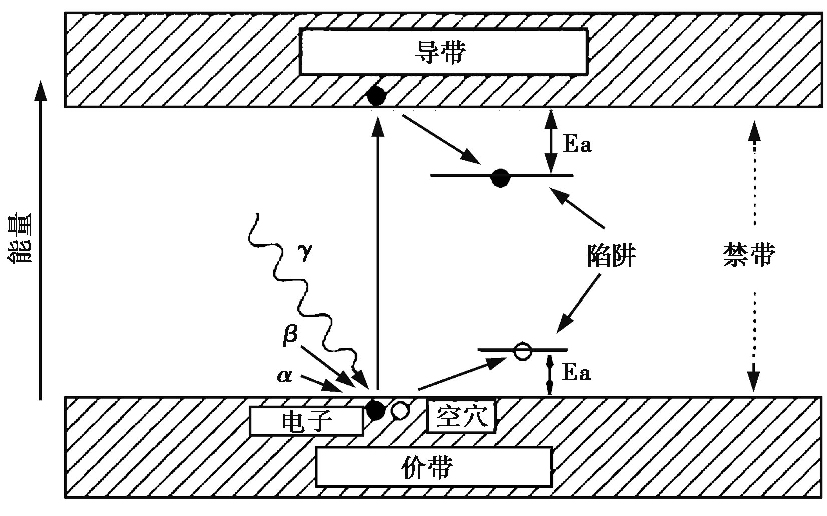
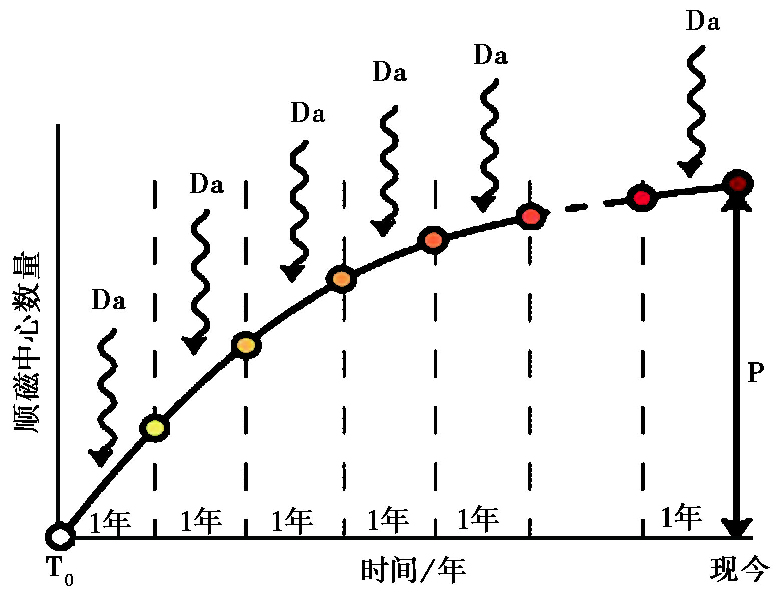
1 方法介绍ESR测年的基本原理可以用图1表示: 样品中的矿物晶体在形成时几乎所有的电子都处于低能级的价带,在受到环境中的α、 β和γ及宇宙射线的辐照下,电子发生电离,从低能级的价带跃迁至高能级的导带并被矿物中的晶格缺陷所捕获形成顺磁中心,顺磁中心的数目随时间不断累积[4]。ESR方法通过测定这些顺磁中心的数目(反映为ESR信号强度)来对样品进行测年。样品在埋藏过程中所接受的天然辐射的总剂量(外部剂量与内部剂量之和)被称为古剂量(Paleodose,简称P),它是年剂量(样品每年接受的剂量)随时间的积分函数(图2)。
|
图 1 ESR测年原理示意图[4] Fig. 1 The principle of ESR dating |
|
图 2 古剂量与年剂量的累积关系示意图 P——古剂量, Da——年剂量 Fig. 2 Relationship of Paleodose(P)and dose rate(Da) |
在计算化石样品的古剂量时,通常采用附加剂量法,即选取特定的拟合函数对样品辐照剂量点进行拟合外推来解算[12]。ESR测年虽然是基于天然同位素衰变引起的矿物晶格辐射损伤,但从严格意义上讲并不属于同位素测年方法。在进行化石年代计算时需要考虑的计算参数和影响因素相对较多[13, 14],其中化石体系的开放性问题是ESR化石测年研究中的一个重点。
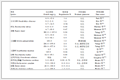
在ESR化石测年中由于化石周围环境中的铀元素会随着埋藏过程中氧化还原条件的变化被牙组织吸收或析出,所以这些铀元素在化石样品内部贡献的年剂量不是一个常量,需要通过数学模型对铀的迁移过程进行重建。在早期ESR化石测年研究中,有学者根据理论推测或研究经验曾提出过一些铀的加入模式,其中被普遍采用两种模型分别是早期吸收模式(Early uptake model,简称EU)[15]和线性吸收模式(Linear uptake model,简称LU)[16]。EU模式认为铀元素在化石埋藏初期被快速吸收,随后不再有加入或析出而成为一个封闭体系; 而LU模式则假定铀元素在化石中是一个匀速不断的加入过程。一些学者认为化石ESR年龄应介于两种模式年龄之间,但由于两种模式都存在一定的主观假设因素且有时年龄结果相差较大,所以给ESR化石测年结果带来很大不确定性。Grün等[17]通过引入一个铀吸收参数p(p≥-1)来描述铀的加入过程(US-ESR模式),当p=-1 或 p=0时,US-ESR模式可以分别转化为EU或LU模式,所以EU和LU模式实际上是US-ESR模式的两个特例。由于p值的计算需要通过对化石不同牙组织的铀系同位素分析来完成,所以较之上述EU和LU两种模式获得的结果更为客观。但对存在铀析出现象的牙化石样品,US-ESR模式无法计算年代。针对此问题,Shao等[18]提出了一种铀的加速吸收模式(Accelerating Uptake Model,简称AU),该模式通过引入铀吸收的初始速度和加速度两个参数来描述样品中铀的析出过程; 另外,还有学者提出了铀的近期吸收模式(Recent uptake model,简称RU)[19]和铀系封闭体系模式(Close-system U-series model,简称CSUS)[20],这两种模式假设铀的加入是在化石埋藏后期发生的,可以给出化石可能的最大年龄。表1中列出了ESR化石测年中几种用来描述铀迁移过程的数学模型。
|
表 1 ESR化石测年中几种常见的铀迁移模式 Tab.1 Different uranium migration models in ESR fossil dating |

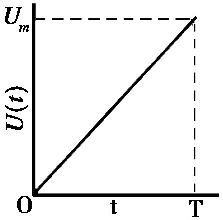
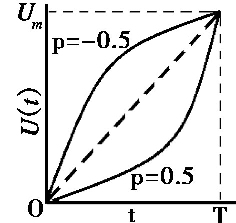
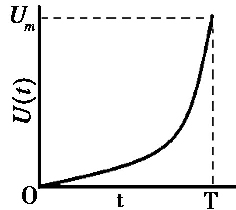
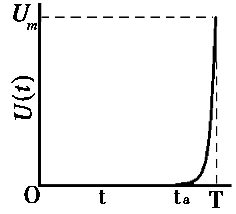
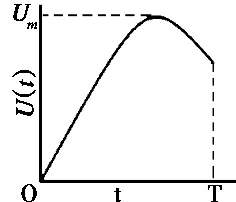
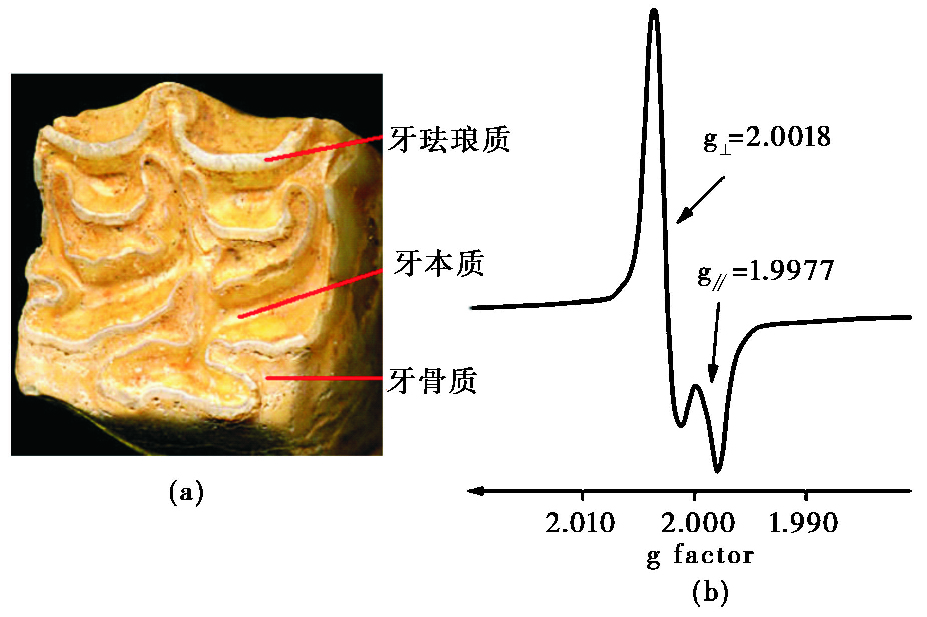
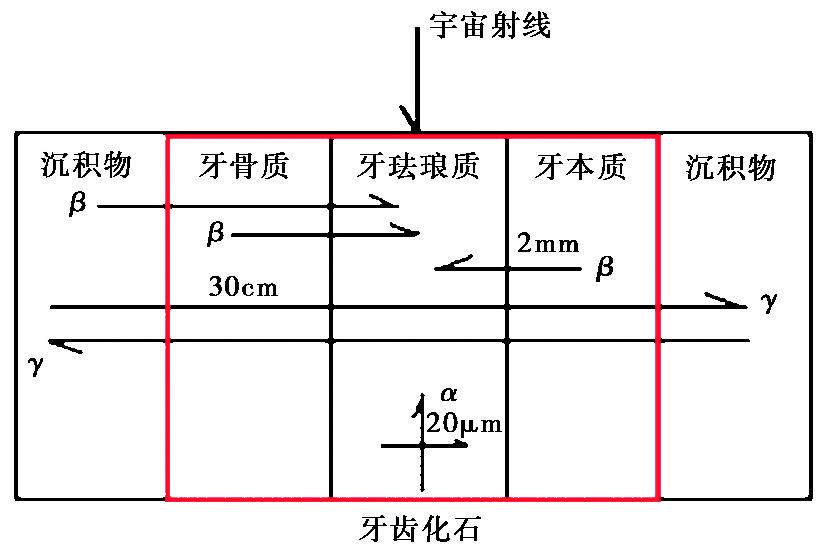
在ESR化石测年中,通常选取大型食草类动物(如马、 牛、 鹿等)的牙齿化石作为测年样品,这类动物的牙齿齿冠较长,牙珐琅质也较厚,可以为测年分析提供足够的样品量。牙珐琅质的主要成分是羟基磷酸钙(Ca10(PO4)6(OH)2),图3为该矿物的ESR信号谱图,其g值为2.0018(g为Lande因子,是一个无量纲值,用以表征共振磁场的位置)。根据前人测定,牙珐琅质ESR测年信号对应的顺磁中心的热寿命在常温下约为107年量级[21],可以测定上新世和更新世化石样品的年龄(比顺磁中心热寿命小一个量级)。牙化石中的其他牙组织(牙本质和牙骨质)中由于矿物成分相对较少,在化石石化过程中存在矿物晶格陷阱的部分丢失,因此不适用于ESR测年,但这些牙组织中的铀系同位素在衰变过程中对牙珐琅质贡献了辐射剂量(图4),所以需要通过对各牙组织进行铀系同位素分析计算化石样品的内部剂量。牙齿化石样品的外部剂量主要来自样品周围的沉积物和宇宙射线的贡献,其中沉积物同时贡献了β和γ辐射剂量,两种射线在牙组织和沉积物中的射程分别约为2cm和30cm(α辐射(射程约为20μm)剂量对样品的贡献在样品制备时被去除)。
|
图 3 牙化石(马牙)样品照片(a)与牙珐琅质ESR信号谱图(b) g值表征共振磁场的位置, g//和g⊥分别表示晶场 与外部磁场方向平行和垂直时的g值 Fig. 3 Photo of Equus fossil tooth (a) and the ESR signal of tooth enamel (b) |
|
图 4 不同射线在牙齿化石中的辐射效应[5] Fig. 4 Radiation effect of different sources in fossil tooth |
在ESR化石测年中,确定沉积物贡献的外部剂量率可以采用实验室分析和野外实地测量,通过测量探头的计数获得沉积物的U、 Th和K含量,再换算为剂量率[22]。其中实验室分析采用的测量仪器(如高纯锗γ能谱仪)分辨率和灵敏度一般较高,测量结果比较精确; 野外实地测量主要有手持式γ谱仪和热释光剂量片(TLD)两种方式,比较常用的手持式γ谱仪(通常采用NaI或LaBr探头)虽然测量精度不如实验室高纯锗探头γ能谱分析,但可以同时考虑沉积物水含量对γ剂量率的影响以及宇宙射线的贡献,所以测量结果更接近样品周围的实际情况。另外,对于一些沉积环境较为复杂的动物化石地点,通过野外实测的数据还有可能反映化石埋藏条件的变化[23]。ESR化石测年中年龄计算涉及的计算参数有近30个[24],部分参数为实测值(牙组织铀含量系及铀系同位素比值、 牙珐琅质厚度、 沉积物U、 Th和K含量等),还有一些经验参数(如α辐射效率(k值)、 牙组织水含量、 牙珐琅质密度等)。其中古剂量和年剂量测定引入测年计算的误差分别约在10%~15%,测年结果的误差一般在10%~20%[25]。
3 应用实例和存在问题 3.1 应用实例(1)我国南方巨猿动物群生存时代研究
巨猿动物群是以广西柳城巨猿洞洞穴堆积中的化石群为代表的南方动物群,大约生活在早更新世至中更新世时期,主要分布在我国西南地区和东南亚地区,代表动物有步氏巨猿(Gigantopithecus blacki)、 先东方剑齿象(Stegodon praeorientalis)、 大熊猫(Ailuropoda)、 云南马(Equus yunnanensis)、 桑氏鬣狗(Hyaena licenti)、 乳齿象(Mastodon)、 猕猴(Macaca)、 次脊豪猪(Hystrix cf. subcristata)、 竹鼠(Rhizomys)、 中国犀(Rhinoceros sinensis)、 中国貘(Tapirus sinensis)等[26, 27, 28, 29, 30, 31, 32, 33]。我国广西柳城巨猿洞[26]、 重庆巫山龙骨坡[27]、 湖北建始龙骨洞[28]、 广西崇左三合大洞[29, 30, 31, 32]等都先后出土了大量的巨猿动物群化石,另外在我国广西崇左合江洞和邻邦越南的Tham Khuyen洞还分别发现了距今400~320ka[34]和约470ka[35]的步氏巨猿。这些地点的动物化石具有一定的相似性,其组成反映了热带或亚热带的森林环境。由于缺少适合的同位素测年(K-Ar、 U-Pb等)对象,一直以来巨猿动物群的生存时代主要通过生物地层学对比,无法给出比较精细的年代框架。Huang等[27]对重庆巫山龙骨坡遗址第4水平层出土的一颗牛牙化石进行了ESR测年获得的年龄为 1.02±0.12Ma(LU模式),据此将含疑似人化石的第7~8水平层的古地磁正极性柱对到Olduvai亚极性时。根据我们对2003~2006年的中法联合发掘中采集的17颗哺乳动物牙齿化石的ESR-U系测年最新分析结果表明龙骨坡遗址最下部考古地层单元C Ⅲ的年代范围约为2.2~2.5Ma[36],是目前我国最早的巨猿动物群化石地点。Rink等[10]采用EU、 LU和US-ESR模式对我国广西柳城和大新两个巨猿动物群地点的ESR化石测年结果分别为106~940ka和308~380ka。Shao等[37]采用ESR-U系化石测年得到广西布兵盆地吹风洞下部和上部地层的年龄分别为 1.92±0.14Ma和>1.38±0.17Ma,并通过与古地磁方法相结合,将洞内底部沉积物的年龄定为Olduvai亚极性时(1.945~1.778Ma)。这些巨猿动物群的年代学工作对于我国南方和东南亚地区古人类和哺乳动物的区域演化,以及这一地区早更新世以来生物多样性的研究都具有重要意义。
(2)澳大利亚巨型动物群灭绝时间研究
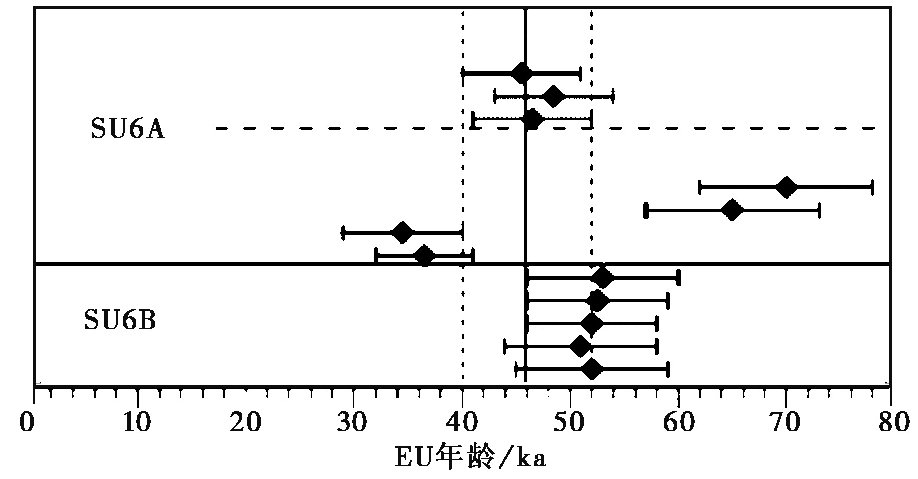
在第四纪时期的澳洲大陆曾经生活着大约70余种体型较现今同类大得多的有袋类哺乳动物和食肉类爬行动物(如Magalania巨蜥、 Pallimnarchus巨鳄等),被称为“巨型动物群”(megafauna)[38]。这些动物在晚更新世的某个时期从澳洲大陆消失,关于巨型动物群灭绝的时间和原因一直是学术界争论的热点[39, 40, 41, 42, 43, 44, 45, 46, 47]。有学者认为这一动物群的消亡是一个快速发生的灭绝事件,时间大约在人类登陆澳洲前后[39, 40, 41, 42, 43]; 另外有些学者质疑巨型动物群的灭绝仅仅与人类有关,认为目前尚无确切证据表明人类活动和气候变化哪个起主导作用,并认为这一动物群经历了1~2万年甚至更长的时间才逐渐消亡[44, 45, 46, 47]。新南威尔士北部的Cuddie Springs遗址由于是澳洲大陆唯一同时发现人类考古遗迹和巨型动物群化石的地点而成为这一争论的核心[48]。对Cuddie Springs遗址SU6地层单元中炭屑的 14C 年龄测定结果为33.4~39.6cal.ka B.P.(骨骼化石中由于缺少 14C 测年所需的胶原质无法直接测年),但未能显示出年龄随深度变化的关系[41, 49]; 而同时出土动物化石和石器的SU6地层单元的沉积物又因为可能存在后期扰动而使光释光(OSL)结果(30~36ka)受到质疑[40, 50, 51]。Grün等[52]通过直接对Cuddie Springs 遗址29颗动物牙齿化石的ESR分析,分别给出了这些样品的EU年龄,并结合U-Th分析结果给出了部分样品的US-ESR年龄,其中EU模式给出的Cuddie Springs 遗址SU6A地层单元化石的平均最小年龄大于40ka,而其下部SU6B层的化石平均年龄为 50.6±4.3ka,比之前 14C 和OSL的结果都要老(图5),Grün等[52]认为这些明显偏老的化石很可能来自其他层位。虽然Grün等的ESR化石测年工作未能彻底解决Cuddie Springs的争论,但是为晚更新世动物群灭绝事件的年代学研究提供了一种更为直接和有效的途径。
|
图 5 Cuddie Springs遗址考古层位SU6A和SU6B的化石ESR-EU年龄[52] 竖虚线范围内为通过其他独立测年方法获得的巨型动物群灭绝时间[50] Fig. 5 The ESR-EU ages of layers SU6A and SU6B in Cuddie Springs site, Australia |
(3)巴西巨型动物群生存时代研究
在晚更新世的南美洲大陆也曾出现过巨型动物群,对这些动物生存持续的时间一直不是十分清楚。应用ESR方法对巴西多个地点剑齿象等哺乳动物牙齿化石开展测年工作,其中巴西东南部Puxinan、 Brejo de Madre de Deus、 Fazenda Ovo da Ema和Lagoa do Rumo等一系列地点的ESR化石测年结果分别在30~39ka(EU模式年龄)[53]、 60~63ka(EU模式年龄)[54]、 10~40ka(EU和LU模式年龄)[55]和9~50ka(EU和LU模式年龄)[56]; 巴西南部Touro Passo Creek化石群地点4颗大型哺乳动物牙齿化石的ESR测年结果为19~34ka(CU模式年龄: 假设牙本质和牙珐琅质的铀吸收过程分别为EU和LU模式)[57]; Kinoshita等[58]对巴西西部Alta Floresta附近一个金矿中的3颗长鼻目动物牙齿化石(博物馆标本)的ESR测年显示其中两颗化石的年龄(CU模式)分别为 500±100ka和 320±50ka,另一颗化石样品的年龄为 90±10ka。这一工作首次给出了该地区更新世巨型动物群活动的时间,同时为该区域古环境和古气候的研究提供了年代学支持。
3.2 存在问题ESR方法虽然可以对动物化石样品进行直接测年,但目前在ESR化石测年中还存在一些问题有待进一步研究:
(1)珐琅质ESR信号的热稳定性。国外学者最近的研究表明[59],产生珐琅质ESR信号的有3种CO-2根(正交型、 轴向型和无定向型CO-2根),这3种CO-2根的热稳定性及对β和γ辐照的响应各不相同,且彼此之间存在相互转化。其中无定向型CO-2根中存在的不稳定组分会导致化石ESR年龄的低估,而目前尚无法对这种低估量予以准确的校正。
(2)化石中铀迁移过程的复杂性。Grün等[60]通过利用激光熔融电感耦合等离子体质谱(Laser ablation ICP-MS)技术对化石进行高分辨率铀系同位素扫描,发现铀元素在化石样品中的扩散是一个非常复杂的过程,不同样品之间以及同一样品的不同部位之间都可能存在差异,并非所有样品都适合ESR-U系测年,对于一些铀迁移过程过于复杂的样品有时也无能为力。在化石测年分析前采用微损激光熔融ICP-MS技术对样品进行铀系同位素预扫描以选择铀扩散过程相对比较简单的样品进行测年,所获得的年龄结果会更加可靠。
(3)化石样品外部剂量率的确定。由于化石埋藏过程中地球化学元素在周围环境中的迁移会对化石样品的外部剂量率产生影响[23],对于一些沉积环境比较复杂的动物化石地点,开展地层沉积物的地球化学分析是有必要的。而对于无法确定具体出土层位和地点的化石样品以及博物馆的化石标本,可以通过等时线方法对样品进行分析[61]。这种方法是将一个牙化石样品分为若干个子样品(或同一探方出土的多个样品),并对每个子样品做ESR分析,将各子样品内部剂量率(X轴)与古剂量(Y轴)作图得到一条等时线,通过该直线的斜率就可以计算出样品年龄。这种等时线方法的好处是规避了样品外部剂量率的测定给样品年龄计算带来的不确定性。但该方法对样品的要求较高(一般至少需要4~5个子样品),且如果子样品的内部剂量率较为接近则会直接影响等时线的拟合精度,所以目前成功的应用并不多[61, 62]。
4 应用前景除了上述介绍的陆生哺乳动物牙齿化石测年外,ESR方法还可以对一些海洋生物化石进行测年[63]。由于ESR化石测年可以对被关注的研究对象本身直接测年,加之其测年范围可以从几千年至几百万年,弥补了一些经典同位素测年方法在测年时限和测年对象上的限制(如 14C、 U-Th测年等)。随着铀系分析技术的不断革新(如ICP-MS技术的发展)以及对牙珐琅质ESR信号辐射剂量响应机制的进一步深入研究,ESR化石测年的准确度和精度都将会有较大的提高。通过与生物地层学研究相结合,在哺乳动物群化石组合提供的大的时间框架内,对地层中动物牙齿化石个体进行ESR测年,可以获得更为精细的地质事件的年龄。ESR-U系测年方法有望在第四纪地质和动物考古学研究中得到更广泛的应用。
致谢 法国国家自然历史博物馆Jean-Jacques Bahain和Christophe Falguères研究员在ESR化石测年研究方面的指导和帮助; 南京师范大学沈冠军教授在铀系分析方面的指导和建议; 与Rainer Grün教授和邵庆丰博士富有启发性的讨论。
| 1 |
袁复礼, 杜恒俭. 中国新生代生物地层学. 北京: 地质出版社, 1984. 1~373 Yuan Fuli, Du Hengjian. The Cenozoic Biostratigraphy of China. Beijing:Geological Publishing House, 1984. 1~373 |
| 2 |
童永生, 郑绍华, 邱铸鼎. 中国新生代哺乳动物分期. 古脊椎动物学报, 1995, 33 (4):290~314 Tong Yongsheng, Zheng Shaohua, Qiu Zhuding. Cenozoic mammal ages of China. Vertebrata PalAsiatica, 1995, 33 (4):290~314 |
| 3 | Lister A. Mammalian fossils and Quaternary biostratigraphy. Quaternary Science Reviews, 1992, 11 (3):329~344 |
| 4 | Grün R. Electron spin resonance(ESR)dating. Quaternary International, 1989, 1 :65~109 |
| 5 | Rink W J. Electron spin resonance(ESR)dating and ESR applications in Quaternary science and archaeometry. Radiation Measurements, 1997, 27 (5~6):975~1025 |
| 6 | Falguères C. ESR dating and the human evolution:Contribution to the chronology of the earliest humans in Europe. Quaternary Science Reviews, 2003, 22 (10~13):1345~1351 |
| 7 | Grün R, Huang P H, Huang W P et al. ESR and U-series analyses of teeth from the palaeoanthropological site of Hexian, Anhui Province, China. Journal of Human Evolution, 1998, 34 (6):555~564 |
| 8 | Falguères C, Bahain J-J, Yokoyama Y et al. Earliest humans in Europe:The age of TD6 Gran Dolina, Atapuerca, Spain. Journal of Human Evolution, 1999, 37 (3~4):343~352 |
| 9 | Curnoe D, Grün R, Taylor L et al. Direct ESR dating of a Pliocene hominin from Swartkrans. Journal of Human Evolution, 2001, 40 (5):379~391 |
| 10 | Rink W J, Wang W, Bekken D et al. Geochronology of Ailuropoda-Stegodon fauna and Gigantopithecus in Guangxi Province, Southern China. Quaternary Research, 2008, 69 (3):377~387 |
| 11 | Duval M, Falguères C, Bahain J-J. Age of the oldest hominin settlements in Spain:Contribution of the combined U-series/ESR dating method applied to fossil teeth. Quaternary Geochronology, 2012, 10 (7):412~417 |
| 12 |
韩 非, 尹功明, Bahain Jean-Jacques等. ESR牙齿珐琅质测年中不同拟合函数对古剂量测定的影响. 核技术, 2011, 34 (2):116~120 Han Fei, Yin Gongming, Bahain Jean-Jacques et al. The influence of different fitting functions on paleodose determination in ESR dating of tooth enamel——Taking Longgupo tooth fossils as an example. Nuclear Techniques, 2011, 34 (2):116~120 |
| 13 |
韩 非, 尹功明, 刘春茹等. 中国早更新世考古遗址电子自旋共振-铀系联合法牙齿化石测年问题研究. 第四纪研究, 2012, 32 (3):492~498 Han Fei, Yin Gongming, Liu Chunru et al. The combined ESR/U-series dating of fossil tooth from Early Pleistocene archaeological sites in China. Quaternary Sciences, 2012, 32 (3):492~498 |
| 14 |
韩 非, 尹功明, 刘春茹. α辐射效率对ESR-铀系化石测年结果影响. 核技术, 2013, 36 (11):25~29 Han Fei, Yin Gongming, Liu Chunru. Effects of alpha-efficiency variation on combined ESR/U-series dating of tooth fossil. Nuclear Techniques, 2013, 36 (11):25~29 |
| 15 | Bischoff J L, Rosenbauer R J. Uranium series dating of human skeletal remains from the Del Mar and Sunnyvale Sites, California. Science, 1981, 213 (4511):1003~1005 |
| 16 | Ikeya M. A model of linear uranium accumulation for ESR age of Heidelberg(Mauer)and Tautavel bones. Japanese Journal of Applied Physics, 1982, 21 (11A):L690 |
| 17 | Grün R, Schwarcz H P, Chadam J. ESR dating of tooth enamel——Coupled correction for U-uptake and U-series disequilibrium. Nuclear Tracks and Radiation Measurements, 1988, 14 (1):237~241 |
| 18 | Shao Q, Bahain J-J, Falguères C et al. A new U-uptake model for combined ESR/U-series dating of tooth enamel. Quaternary Geochronology, 2012, 10 (7):406~411 |
| 19 | Blackwell B, Porat N, Schwarcz H et al. ESR dating of tooth enamel:Comparison with 230 Th/234 U speleothem dates at La Chaise-de-Vouthon(Charente), France. Quaternary Science Reviews, 1992, 11 (1):231~244 |
| 20 | Grün R. An alternative model for open system U-series/ESR age calculations:(closed system U-series)-ESR, CSUS-ESR. Ancient TL, 2000, 18 (1):1~4 |
| 21 | Schwarcz H P. ESR studies of tooth enamel. Nuclear Tracks and Radiation Measurements, 1985, 10 (4~6):865~867 |
| 22 | Adamiec G, Aitken M J. Dose-rate conversion factors: Update. Ancient TL, 1998, 16 (2):37~50 |
| 23 | Han F, Falguères C, Bahain J-J et al. Effect of deposit alterations on the dating of herbivorous teeth from Arago cave by the ESR-U-series method. Quaternary Geochronology, 2010, 5 (2):376~380 |
| 24 | Grün R. The DATA program for the calculation of ESR age estimates on tooth enamel. Quaternary Geochronology, 2009, 4 (3):231~232 |
| 25 |
韩 非, 尹功明, 刘春茹等. ESR-铀系法牙齿化石测年及其在中早更新世考古遗址年代学研究中的应用. 核技术, 2011, 34 (9):651~657 Han Fei, Yin Gongming, Liu Chunru et al. Tooth fossil dating with combined ESR/U-series methods for studying Middle-Early Pleistocene archaeological sites. Nuclear Techniques, 2011, 34 (9):651~657 |
| 26 |
裴文中. 广西柳城巨猿洞及其他山洞的第四纪哺乳动物. 古脊椎动物学报, 1962, 6 (3):211~218 Pei Wenchung. Quaternary mammals from the Liucheng Gigantopithecus Cave and other caves of Kwangsi. Vertebrata PalAsiatica, 1962, 6 (3):211~218 |
| 27 | Huang W P, Ciochon R, Gu Y M et al. Early homo and associated artifacts from Asia. Nature, 1995, 378 (6554):275~278 |
| 28 |
郑绍华. 建始人遗址. 北京: 科学出版社, 2000. 1~414 Zheng Shaohua. Jianshi Hominid Site. Beijing:Science Press, 2000. 1~414 |
| 29 |
金昌柱, 秦大公, 潘文石等. 广西崇左三合巨猿大洞早更新世小哺乳动物群. 第四纪研究, 2008, 28 (6):1129~1137 Jin Changzhu, Qin Dagong, Pan Wenshi et al. Micromammals of the Gigantopithecus fauna from Sanhe Cave, Chongzuo, Guangxi. Quaternary Sciences, 2008, 28 (6):1129~1137 |
| 30 |
赵凌霞, 金昌柱, 秦大公等. 广西崇左三合大洞新发现的巨猿牙齿化石及其演化意义. 第四纪研究, 2008, 28 (6):1138~1144 Zhao Lingxia, Jin Changzhu, Qin Dagong et al. Description of new fossil teeth of Gigantopithecus blacki from Sanhe Cave, Chongzuo, Guangxi in Southern China with comments on evolutionary trends in Gigantopithecus dental size. Quaternary Sciences, 2008, 28 (6):1138~1144 |
| 31 |
金昌柱, 秦大公, 潘文石等. 广西崇左三合大洞新发现的巨猿动物群及其性质. 科学通报, 2009, 54 (6):765~773 Jin Changzhu, Qin Dagong, Pan Wenshi et al. A newly discovered Gigantopithecus fauna from Sanhe Cave, Chongzuo, Guangxi, South China. Chinese Science Bulletin, 2009, 54 (6):765~773 |
| 32 | Jin C Z, Wang Y, Deng C L et al. Chronological sequence of the Early Pleistocene Gigantopithecus faunas from cave sites in the Chongzuo, Zuojiang River area, South China. Quaternary International, 2014, 354 :4~14 |
| 33 |
金昌柱, 郑家坚, 王 元等. 中国南方早更新世主要哺乳动物群层序对比和动物地理. 人类学学报, 2008, 27 (4):304~317 Jin Changzhu, Zheng Jiajian, Wang Yuan et al. The stratigraphy distribution and zoogeography of the Early Pleistocene mammalian fauna from South China. Acta Anthropologica Sinica, 2008, 27 (4):304~317 |
| 34 | Zhang Y, Jin C Z, Cai Y J et al. New 400~320ka Gigantopithecus blacki remains from Hejiang Cave, Chongzuo City, Guangxi, South China. Quaternary International, 2014, 354 (1):35~45 |
| 35 | Ciochon R, Long V T, Larick R et al. Dated co-occurrence of Homo erectus and Gigantopithecus from Tham Khuyen Cave, Vietnam. Proceedings of the National Academy of Sciences, 1996, 93 (7):3016~3020 |
| 36 | Han F, Bahain J-J, Deng C L et al. The earliest evidence of hominid settlement in China——Combined electron spin resonance and uranium series(ESR/U-series)dating of mammalian fossil teeth from Longgupo Cave. Submitted. |
| 37 | Shao Q F, Wang W, Deng C L et al. ESR, U-series and paleomagnetic dating of Gigantopithecus fauna from Chuifeng Cave, Guangxi, Southern China. Quaternary Research, 2014, 82 (1):270~280 |
| 38 | Johnson C N. Australia's Mammal Extinctions:A 50000 Year History. Cambridge:Cambridge University Press, 2006. 1~310 |
| 39 | Johnson C N. What can the data on late survival of Australian megafauna tell us about the cause of their extinction?Quaternary Science Reviews, 2005, 24 (20):2167~2172 |
| 40 | Brook B W, Bowman D M J S, Burney D A et al. Would the Australian megafauna have become extinct if humans had never colonised the continent?Comments on "A review of the evidence for a human role in the extinction of Australian megafauna and an alternative explanation" by S. Wroe and J. Field. Quaternary Science Reviews, 2007, 26 (3):560~564 |
| 41 | Gillespie R, Brook B. Is there a Pleistocene archaeological site at Cuddie Springs?Archaeology in Oceania, 2006, 41 (1):1~11 |
| 42 | Gillespie R. Updating Martin's global extinction model. Quaternary Science Reviews, 2008, 27 (27):2522~2529 |
| 43 | Turney C S M, Flannery T F, Roberts R G et al. Late-surviving megafauna in Tasmania, Australia, implicate human involvement in their extinction. Proceedings of the National Academy of Sciences of the United States of America, 2008, 105 (34):12150~12153 |
| 44 | Trueman C N G, Field J H, Dortch J et al. Prolonged coexistence of humans and megafauna in Pleistocene Australia. Proceedings of the National Academy of Sciences of the United States of America, 2005, 102 (23):8381~8385 |
| 45 | Wroe S, Field J. A review of the evidence for a human role in the extinction of Australian megafauna and an alternative interpretation. Quaternary Science Reviews, 2006, 25 (21):2692~2703 |
| 46 | Wroe S, Field J. A reply to comment by Brook et al."Would the Australian megafauna have become extinct if humans had never colonized the continent?" Quaternary Science Reviews, 2007, 26 (3):565~567 |
| 47 | Field J, Fillios M, Wroe S. Chronological overlap between humans and megafauna in Sahul(Pleistocene Australia-New Guinea):A review of the evidence. Earth-Science Reviews, 2008, 89 (3):97~115 |
| 48 | Field J, Dodson J. Late Pleistocene megafauna and archaeology from Cuddie Springs, South-eastern Australia. Proceedings of the Prehistoric Society, 1999, 65 :275~301 |
| 49 | Fairbanks R G, Mortlock R A, Chiu T C et al. Marine radiocarbon calibration curve spanning 0 to 50,000 years B.P. based on paired 230 Th/234 U/238 U and 14 C dates on pristine corals. Quaternary Science Reviews, 2005, 24 (16):1781~1796 |
| 50 | Roberts R G, Flannery T F, Ayliffe L K et al. New ages for the last Australian megafauna:Continent-wide extinction about 46,000 years ago. Science, 2001, 292 (5523):1888~1892 |
| 51 | Roberts R G, Yoshida H, Flannery T F et al. Archaeology and Australian megafauna. Science, 2001, 294 (5540):7a |
| 52 | Grün R, Eggins S, Aubert M et al. ESR and U-series analyses of faunal material from Cuddie Springs, NSW, Australia:Implications for the timing of the extinction of the Australian megafauna. Quaternary Science Reviews, 2010, 29 (5):596~610 |
| 53 | Kinoshita A, Franca A M, de Almeida J A C et al. ESR dating at K and X band of northeastern Brazilian megafauna. Applied Radiation and Isotopes, 2005. 62 (2):225~229 |
| 54 | Kinoshita A, Barreto A, Alves R et al. ESR dating of teeth from Northeastern Brazilian megafauna. Radiation Measurements, 2008, 43 (2):809~812 |
| 55 | Oliveira L C, Kinoshita A, Barreto A M F et al. ESR dating of teeth from Brazilian megafauna. Journal of Physics:Conference Series, 2010, 249 (1):1~6 |
| 56 | Ribeiro R C, Kinoshita A, Figueiredo A M G et al. Electron spin resonance dating of the Late Quaternary megafauna fossils from Baixa Grande, Bahia, Brazil. Quaternary International, 2013, 305 :91~96 |
| 57 | Kerber L, Kinoshita A, José F A et al. Electron Spin Resonance dating of the Southern Brazilian Pleistocene mammals from Touro Passo Formation, and remarks on the geochronology, fauna and palaeoenviron ̄ments. Quaternary International, 2011, 245 (2):201~208 |
| 58 | Kinoshita A, Jose F A, Sundaram D et al. Electron spin resonance dating of teeth from Western Brazilian megafauna——Preliminary results. Radiation Measurements, 2011, 46 (9):842~846 |
| 59 | Joannes-Boyau R, Grün R. A comprehensive model for CO-2 radicals in fossil tooth enamel:Implications for ESR dating. Quaternary Geochronology, 2011, 6 (1):82~97 |
| 60 | Grün R, Eggins S, Kinsley L et al. Laser ablation U-series analysis of fossil bones and teeth. Palaeogeography, Palaeoclimatology, Palaeoecology, 2014, 416 :150~167 |
| 61 | Blackwell B A B, Skinner A R, Blickstein J I B et al. ESR isochron dating analyses at Bau de l'Aubesier, Provence, France:Clues to U uptake in fossil teeth. Geoarchaeology, 2001, 16 (7):719~761 |
| 62 |
韩 非, Bahain Jean-Jacques, 尹功明等. ESR-铀系联合分析与等时线法结合在考古遗址化石测年中的应用探索. 核技术, 2012, 35 (12):923~928 Han Fei, Bahain Jean-Jacques, Yin Gongming et al. Combined ESR and U-series isochron dating of fossil tooth from Longgupo Cave. Nuclear Techniques, 2012, 35 (12):923~928 |
| 63 | Chaderton D A, Blackwell B A B, Blickstein J I B et al. Developing ESR dating for sharks' teeth:Towards a new geochronological method for sedimentological and paleontological analysis. In:GSA Annual Meeting, Denver, 2002 |
Abstract
The direct dating of the fossils contained in the sediment layers would be helpful to provide more clearly and detailed chronological information of stratigraphy.Combined electron spin resonance(ESR)and U-series dating(ESR-US dating)of fossil teeth have been applied in archaeological study in recent years, and exhibit a good potential of dating Pliocene-Pleistocene sites.The tooth enamel is mainly constituted by mineral hydroxyapatite, displaying radiation-sensitive ESR signal.The lifetime of this ESR signal is in the order of 107 years at room temperature, which allows the dating of fossil tooth sample up to several million years.The age in ESR-US dating is derived from two components, paleodose and dose rate.The paleodose corresponds to the radioactive dose the sample has received since it was formed and is determined from ESR analysis.The dose rate is the dose the sample has received each year and is derived from the radioactive element contents(U, Th and K)in the sample and its surroundings.For fossil tooth, the dose rate determination is rather complex because of the opening of uranium radiometric system for each dental tissue.Several models have been suggested to describe such uranium accumulation:Early uranium uptake(EU)model(U-accumulation shortly after tooth burial)and linear uranium uptake(LU)model(continuous U-accumulation) are the two U-uptake models commonly used in the early ESR dating studies of tooth.More recently, US-ESR model was proposed to describe uranium accumulation in tooth with an U-uptake parameter p (p≥-1).By combination of the ESR method with U-series analysis, the U-uptake history of tooth tissues is represented by specific p-values varying from one tissue to the others, so the US-ESR model gives more reliable fossil age than EU and LU models.In the case of uranium leaching in fossil teeth, which could not be dated by US-ESR model, an updated Accelerating Uptake(AU)model may give a solution by introducing two parameters, initial uptake rate and acceleration of this uptake rate, to describe the U-uptake into dental tissue as an accelerating process, and is able to reconstruct a process combining incorporation followed by leaching.The AU model has the potential for extending the applicability of the combined ESR/U-series dating of fossil tooth, and it works for some middle Pleistocene fossil tooth samples.Some applications of ESR fossil dating on chronological study of Gigantopithecus in China and Megafauna in Australia and Brazil were shown in the paper.Although several problems regarding the combined ESR/U-series method are still under study, such as the thermal stability of ESR signal in tooth enamel and its effect to paleodose determination, the complexity of uranium migration in fossils, and the external dose rate reconstruction, this combined dating method has turned out to be a valuable tool for establishing geological chronologies, and it has the potential of direct dating the Pliocene-Pleistocene fossils preserved in the sediment layers and could give a more precise stratigraphic age concerning with biostratigraphy.