 2026, Vol. 37


b Guangzhou Municipal and Guangdong Provincial Key Laboratory of Molecular Target & Clinical Pharmacology, the NMPA and State Key Laboratory of Respiratory Disease, School of Pharmaceutical Sciences, Guangzhou Medical University, Guangzhou 511436, China;
c State Key Laboratory of Respiratory Disease, CAS Key Laboratory of Regenerative Biology, Guangzhou Institutes of Biomedicine and Health, Chinese Academy of Sciences, Guangzhou 510530, China;
d Sydney Vital Translational Cancer Research Centre, Westbourne St, Sydney, NSW 2065, Australia
Vaccines have long been a cornerstone of preventive medicine, tracing back to the 18th century when fluid from smallpox pustules was used for immunization [1]. However, the urgency for vaccine development has intensified in recent times, particularly with the global spread of the novel coronavirus since late 2019. This unprecedented challenge has prompted a reevaluation of vaccination strategies [2]. Amidst concerns regarding patient compliance with intramuscular injection vaccines, logistical hurdles in transportation, and the susceptibility of vaccine antigens to inactivation, there has been a notable shift towards exploring mucosal vaccines. Mucosal immunization offers a promising alternative, potentially addressing these challenges and providing unique benefits. The milestone achievement of the world's first inhalable corona virus disease 2019 (COVID-19) vaccine in 2020, developed by CanSino Biologics, has drawn considerable attention to mucosal vaccination. This innovative vaccine utilizes a recombinant coronavirus vaccine delivered via a human-replicating defective adenovirus (AdV) vector. The approval and deployment of this vaccine in China signify a significant advancement in vaccine technology and have reignited interest in harnessing mucosal immunity (MI) for vaccine design [1,3].
Mucosal surfaces serve as critical interfaces between the body and the external environment, exposed to a diverse array of microorganisms, both commensal and pathogenic [3,4]. As one of the primary sites for infection establishment, these surfaces offer an ideal target for vaccine application. Based on anatomical features, mucosal surfaces are divided into two categories [4,5]. The first category, type Ⅰ, includes the intestinal tract, respiratory tract, and upper female reproductive system. The second category, type Ⅱ, comprises the oral cavity, visual system, and lower female reproductive system [6], and lower female reproductive system. Notably, type Ⅰ surfaces feature a simple columnar epithelial layer dominated by immunoglobulin A (IgA), while type Ⅱ surfaces possess a stratified squamous epithelial layer with IgG as the primary immunoglobulin isotype. The mucosal immune response represents a crucial frontline defense mechanism against various infectious agents. Immune responses initiated at mucosal surfaces, where most pathogens enter, play a pivotal role in protecting the body from infection. Consequently, the administration of vaccines via mucosal routes establishes a foundation for eliciting protective immunity across both mucosal and systemic compartments, thereby fundamentally impeding pathogen entry into the body [7].
To evaluate the current landscape and future prospect of mucosal vaccines, we conducted a comprehensive analysis using Citespace and Web of Science (WOS) databases, retrieving 419 relevant articles published over the past decade [8]. Visualization of research directions related to mucosal vaccine delivery (Fig. S1A in Supporting information) revealed distinct clusters representing key research keywords, with their order reflecting the prominence of each cluster in the field over the past decade. Notably, terms such as "infection", "mucosal immune response", "dendritic cells (DCs)" and "immune response" emerged as highly researched topics garnering significant attention. Analysis of citation data from WOS indicated a steady increase in publications within this domain from 2014 to 2025, underscoring the sustained growth and interest in the field of mucosal vaccines (Fig. S1B in Supporting information).
According to the WOS database, among the 419 articles published on mucosal vaccines in the past 10 years, 316 are related to the delivery of mucosal vaccines, with 78 reviews that specifically focused on mucosal vaccine delivery based on the nanomaterial (NM)-based delivery systems. Notably, the earliest reviews were published in 2014 [7,8]. In the published reviews, various aspects of mucosal vaccine delivery are covered, including improvements in delivery barriers, methods, classification of mucosal vaccines, and insights into the mucosal immune system (MIS) [9]. However, none of these reviews comprehensively integrate and review these aspects systematically. This article not only initiates the introduction from the fundamental aspects of the MIS and the advantages of mucosal delivery but also highlights the critical thinking on the strategies to antigen design, carrier improvement and enhance the delivery efficiency of both antigens and immunopotentiators for mucosal vaccines.
2. MISThe MIS plays a pivotal role in safeguarding mucosal surfaces, which collectively possess a vast surface area approximately 200 times greater than that of the skin. Remarkably, 60%–70% of the whole lymphocytes reside within mucosal tissues, underscoring the importance of this immune compartment [9]. The MIS encompasses a diverse array of innate and adaptive immune cells that collaborate to mount specific and robust responses upon encountering bacterial or viral antigens [10]. These immune cells include epithelial cells, mucous cells, DCs, T cells, B cells, natural killer (NK) cells, and pleated cells. Of particular significance are microfold (M) cells, known as M cells, playing an indispensable role in MI. Positioned within the subepithelial layer of mucosal epithelium, M cells facilitate the uptake of luminal antigens and their delivery to lymphocytes, thereby initiating immune responses [10,11]. The distribution of the MIS is extensive, encompassing various compartments such as the respiratory, digestive, lacrimal duct, salivary gland, urinary tract, and mammary gland MIS. Across mucosal surfaces, the MIS serves as the primary defense mechanism against invading pathogens while simultaneously establishing tolerance to commensal microorganisms or innocuous food antigens [11,12]. This protective function is facilitated by the presence of induction and effector sites, collectively termed mucosa-associated lymphoid tissue (MALT) [12], which includes gut-associated lymphoid tissue (GALT) in the small intestine and nasopharynx-associated lymphoid tissue (NALT) in the nasal cavity of rodents [13]. Additionally, certain glands such as the mammary and lacrimal glands contribute to mucosal protection.
The MIS encompasses both inductive and effector sites crucial for recognizing and processing antigens and producing secretory immunoglobulin A (sIgA) [5,13], respectively. sIgA, a cornerstone of MI, serves as a formidable barrier against viral intrusion by binding to viruses. Structurally, sIgA consists of two IgA monomers, a J chain, and a secretory component (SC). Notably, it is synthesized at twice the rate of IgG and exhibits nine times greater neutralizing antibody activity. sIgA is predominantly found in bodily fluids such as milk, saliva, gastrointestinal, and respiratory secretions, where it executes functions including impeding pathogen adhesion, neutralizing intracellular viruses, facilitating bacterial dissolution, and modulating phagocytosis [14]. The protective mechanisms of MI hinge on the activation of lymphocytes within MALT to orchestrate an immune response. Antigen-specific T and B cells are mobilized from inductive sites and transported via the bloodstream to distant mucosal effector sites [15]. The initiation of mucosal immune responses typically involves antigen sampling by M cells, followed by antigen transport to antigen-presenting cells (APCs) [16], such as DCs. Within the high endothelial vein (HEV) of mucosal inductive sites, immature T and B cells are activated by APCs [14,15,17]. Subsequent processes unfold at mucosal effector sites, where antigen-specific sIgA, bolstered by T and B cells and various cytokines, is synthesized and transported to the mucosal surface in dimeric IgA form, thereby furnishing immune protection (Fig. 1).

|
Download:
|
| Fig. 1. Illustration graphical of the MIS. Created with Biorender.com. | |

Unlike conventional immunization routes such as intramuscular or subcutaneous injection, mucosal immunization involves the administration of antigens from the mucus of various cavities, eliciting both local and systemic immune responses [17]. M cells or DCs at mucosal sites capture antigens, and then initiate immune responses at the effector sites of mucus [14]. These two approaches differ significantly in composition and anatomical structure, affording mucosal immunization several advantages over traditional immunization methods. Firstly, in terms of immune sites, while the traditional immune system primarily comprises central and peripheral immune organs, mucosal immune tissues are widely distributed in the lymphoid tissues beneath the mucosa of the respiratory, gastrointestinal, and urogenital tracts, as well as in some exocrine glands. The broad distribution of immune cells throughout the mucosa allows MI to serve as the primary barrier against invading pathogens, triggering a more extensive and integrated immunological response. Secondly, regarding immunoglobulin types, antibodies produced by the systemic immune system are predominantly IgG, whereas MI primarily generates IgA, which is synthesized at twice the rate of IgG antibodies. Furthermore, IgA exhibits superior neutralizing activity against intracellular infecting viruses during intracellular transport, surpassing the neutralizing capacity of IgG antibodies. Additionally, MI encompasses three distinct types of immune cells: M cells, intraepithelial lymphocytes, and intestinal mucosal epithelial cells, which collectively enhance antigen presentation efficiency and reinforce mucosal immune barriers. Another unique aspect of MI is the homing phenomenon, wherein lymphocytes sensitized by mucosal activation migrate to mucosal sites via the thoracic duct and bloodstream, mounting immune responses against the same antigen. This phenomenon expands the reach of MI beyond systemic immunity, fostering a more robust immune response.
4. The delivery systems of mucosal vaccineSeveral critical factors must be considered in the design of mucosal vaccines, including the induction of durable immune memory [18], protection of antigens from enzymatic degradation, and efficient activation of the innate immune system [19]. To address these issues, various delivery systems for mucosal immunization have been developed, broadly classified into viral and non-viral vectors (Table S1 in Supporting information).
4.1. Viral vectorsGiven the inherent instability of naked genes and their low intracellular expression, specific carriers are essential for effective gene delivery [19,20]. Virus-based carriers, known for their high infectivity, demonstrate superior gene transfection capabilities. Viral vector vaccines, which utilize genetically modified "safe" viruses like AdV [21], poliovirus, and lentivirus as carriers, offer a solution to the weak immunogenicity often observed in protein-based vaccines [20,22]. This approach involves integrating the gene encoding the key protein of the pathogenic microorganism into the genome of the "safe" virus. Subsequent large-scale production of the modified virus is carried out in vitro, followed by administration as a vaccine [20,22,23]. Viral vectors present several advantages as vaccine carriers. They can mimic natural infections, thereby inducing a robust immune response against the encoded antigen [23,24]. Additionally, viral vectors are technically mature, easy to assemble, capable of targeting mucosal surfaces, highly infectious, and efficient in delivery, among other benefits.
4.1.1. AdVAdVs, first identified in the 1950s, are DNA viruses of nonenveloped double-stranded with icosahedral capsids [23]. Extensive research has revealed that AdV vectors, when delivered via the respiratory tract, can trigger both innate and adaptive immune responses in mucosal tissues, thereby conferring protective effects in the human body [24]. The Vaxzevria (ChAdOx1 nCoV-19) vaccine, developed by Oxford University in collaboration with AstraZeneca, utilizes a non-replicating chimpanzee AdV vector to deliver the genetic instructions for producing the severe acute respiratory syndrome coronavirus 2 (SARS-CoV-2) spike (S) protein and eliciting immune response [25]. This vaccine has been credited with saving approximately six million lives in 2021 alone, surpassing the impact of any other COVID-19 vaccine available. Similarly, Langel and colleagues [26] utilized AdV as a vector to create an oral AdV type 5 (Ad5) vector SARS-CoV-2 candidate vaccine expressing the S protein. Experimental findings demonstrated a decrease in viral RNA and infectious virus in the noses and lungs of hamsters vaccinated orally or intranasally. Additionally, during a Phase 1 clinical trial (NCT04563702), the platform encoding the SARS-CoV-2 S and nucleocapsid proteins triggered mucosal IgA responses that were cross-reactive and specifically targeted SARS-CoV-2. Beyond COVID-19 vaccine development, AdV vectors hold promise for addressing various infectious diseases (Fig. 2A). For instance, Matsuda and colleagues [27] employed a replication-competent type 4 AdV encoding hemagglutinin H5 of influenza virus (Ad4-H5-Vtn) for oral administration via capsules or through tonsil swabs or nasal spray. Their findings suggest that this vaccine formulation may engender potent and durable immune responses to transgenically encoded antigens, fostering persistent systemic and MI.

|
Download:
|
| Fig. 2. Exemplified applications of mucosal vaccines using viral vectors. (A) An oral capsule, tonsillar swab, or nasal spray delivering a replication-competent Ad4 that encodes the influenza virus H5 HA (Ad4-H5-Vtn). Reproduced with permission [26]. Copyright 2022, AAAS. (B) The use of AAV vectors co-expressing three shRNAs targeting the SARS-CoV-2 RdRp and N genes, demonstrating their potential as versatile antiviral agents. Copied with permission [32]. Copyright 2022, Elsevier. (C) SARS-CoV-2 S glycoprotein neutralising antibodies from a lentiviral vector. In mice, systemic vaccination with an adenoviral vector that induces the SARS-CoV-2 receptor human angiotensin-converting enzyme 2 (hACE2) in respiratory tract cells provides only limited protection despite strong serum neutralizing activity. Copied with permission [37]. Copyright 2022, Elsevier. (D) A live-attenuated parainfluenza-virus-vectored vaccine candidate expressing the prefusion-stabilized SARS-CoV-2 S protein (B/HPIV3/S-6P), tested for immunogenicity and protective efficacy in rhesus macaques. Reproduced with permission [41]. Copyright 2022, Elsevier. | |

AAV vectors currently stand as the most extensively employed viral vectors for in vivo gene therapy [28]. AAV comprises a protein shell that envelops and safeguards a small single-stranded DNA genome spanning approximately 4800 bases (kb) [29]. Early investigations have highlighted that point mutations in AAV vectors enable them to evade entrapment by mucus, thereby facilitating successful penetration of the mucosal barrier and efficient delivery across the respiratory epithelium. A notable example of a successful mucosal vaccine delivery platform, as demonstrated by Duncan and colleagues [30], involved intratracheal administration of AAV6, resulting in approximately 30% gene expression coverage in the airways by traversing the mucous barrier. Similarly, Quinn and collaborators [31] reported that intranasal administration of AAV12 could transduce nasal epithelium and initiate transgene-specific immune responses.
The versatility and efficacy of AAV vectors render them indispensable in infectious disease research. For instance, Becker and colleagues [32] harnessed the capacity of AAV vectors to co-express a cocktail of three short hairpin RNAs (shRNAs) targeting the SARS-CoV-2 RdRp and N genes, showcasing their potential as effective antiviral agents (Fig. 2B). Furthermore, Demminger and colleagues [33] employed AAV vectors expressing influenza virus HA or chimeric HA. Administered via the nasal route, this vaccine formulation effectively elicited elevated titers of IgG and IgA antibodies, underscoring its capacity to robustly activate mucosal immune responses.
4.1.3. Lentivirus (LV)LV has emerged as a notably robust platform for vaccine delivery. Distinguished by their remarkable capacity for in vivo transduction of DCs compared to other viral vectors, LVs hold immense promise in this domain. LVs facilitate the endogenous expression of transgenic antigens, enabling these antigens to directly enter the antigen presentation pathway [34]. By obviating the dependence on external antigen capture or cross-presentation, this mechanism facilitates the induction of highly potent and sustained immune responses [35]. The work of Ku and coworkers presents a paradigmatic demonstration of the potential of LVs [36]. They developed a lentiviral construct that is capable of inducing neutralising antibodies against the S glycoprotein of SARS-CoV-2. The intranasal administration of this vector into the respiratory system led to a decrease in lung viral loads exceeding 3 log10, along with a significant reduction in localized inflammatory responses [37]. Similarly, Vesin and team leveraged lentivirus as a delivery vehicle for mRNA encoding SARS-CoV-2 variants. Through intranasal delivery, this strategy effectively induced mucosal IgG and IgA, pulmonary resident B cells, effector memory cells, and resident T cells, thereby successfully establishing both pulmonary and systemic MI (Fig. 2C).
4.1.4. PoliovirusEarly investigations have highlighted the potential of poliovirus in eliciting mucosal immune responses within the intestinal tract. Wright and colleagues [38] conducted clinical trials across various vaccine regimens to evaluate intestinal immunity by assessing virus neutralization and measuring virus-specific IgA levels in fecal samples. Building upon this foundation, Crotty and collaborators [39] developed a replication-competent recombinant poliovirus vaccine strain based on the Sabin poliovirus. This engineered virus carries and expresses antigens derived from the simian immunodeficiency virus (SIV). Upon intranasal administration in rhesus macaques, the vaccine demonstrated the ability to provoke both humoral and cellular immune responses targeting exogenous antigens at local mucosal sites. Furthermore, in vaginal inoculation experiments involving the highly pathogenic SIVmac251, monkeys immunized with the recombinant virus exhibited a notable reduction in viral loads. These findings underscore the vaccine's potential to engender effective cellular immunity and position it as a promising candidate for mucosal vaccine delivery.
4.1.5. Human parainfluenza virus (HPIV)HPIV, since discovered in the late 1950s, has emerged as a promising platform for mucosal vaccines, particularly HPIV3. Historically, three distinct viruses recovered from children with lower respiratory tract diseases were identified as unique entities, separate from influenza viruses [40]. HPIV comprises types 1–4, distinguished by their genetic and antigenic characteristics. Among these types, HPIV3 has garnered attention for its potential in mucosal vaccine development. With single-stranded negative-sense RNA genome, it is an enclosed virus. Its preferential infection of the respiratory tract, leading to mild respiratory illnesses without systemic dissemination, renders it well-suited for intranasal vaccine administration, ensuring safety in clinical use. Nouën et al. [41] employed bovine or human PIV3 (B/HPIV3) engineered to carry the prefusion-stabilized S protein of SARS-CoV-2 (B/HPIV3/S-6P). Intranasal or tracheal administration of B/HPIV3/S-6P robustly elicited mucosal IgA and IgG responses specific to the SARS-CoV-2 S protein (Fig. 2D). Additionally, Ilinykh and colleagues [42] harnessed HPIV as a vector for delivering the S protein of SARS-CoV-2. Nasal immunization with this formulation elicited effective antibody responses within the lungs and generated memory T-cell reactions, further underscoring the potential of HPIV-based vaccines in combating respiratory pathogens.
4.2. Non-viral vectorsTo mitigate the inherent challenges associated with viral vectors, including potential safety concerns, genome integration issues, and restricted antigen payload capacity, non-viral vectors, particularly NMs, have garnered significant attention. This is attributed to their effective gene delivery capabilities, enhanced safety profiles, practical applications, and the ability for customisable functional preparation [43]. They can be broadly categorized into three major classes: inorganic NMs, organic NMs, and hybrid NMs (Table S2 in Supporting information).
4.2.1. Organic nanocarriersOrganic nanocarriers, particularly liposomes, have been extensively investigated as carriers for mucosal vaccines in recent years [43–45]. Liposomes used for mucosal vaccine delivery typically consist of cationic lipids such as dimethyl-dioctadecyl-ammonium (DDA), 3-(N-[N′,N′-dimethyl-aminoethane]-carbomyl), cholesterol (DC—Chol), and 1,2-dichloroethane-3-trimethylammonium-propane (DOTAP) [44,46]. For example, nasal delivery of an antigenic protein using cationic liposomes made of DOTAP and DC—Chol has been demonstrated to trigger strong mucosal and systemic immune responses in mice [45,46]. Additionally, cationic liposomes have been utilized for oral delivery of DNA vaccines, effectively eliciting both humoral and cellular immune responses [46,47]. Furthermore, research employing cationic liposomes loaded with pertussis toxin and filamentous HA 2/3 antigen, combined with innate defense regulator peptide (IDR 1002) and Toll-like receptor 3 (TLR3) agonist [poly(I:C)], demonstrated a Th1-type response, resulting in higher titers of IgG2a and IgA serum antibodies and elevated levels of nasal sIgA antibodies after a single vaccine dose (Fig. 3A) [48].

|
Download:
|
| Fig. 3. Exemplified applications of non-viral vectors used in mucosal vaccines. (A) An acellular pertussis vaccine was formulated using pertactin, pertussis toxin, and fimbriae 2/3 antigens, combined with a triple-adjuvant system that includes the innate defense regulator peptide IDR 1002, a TLR3 agonist poly (I, C), and polyphosphate in a fixed ratio. Reproduced with permission [15]. Copyright 2023, American Chemical Society. (B) FCS has been designed for effective oral delivery of various therapeutic proteins, especially large ones like immune checkpoint blockade antibodies. Reproduced with permission [52]. Copyright 2023, American Chemical Society. (C) Vaccination with inactivated influenza virus using silver NPs adjuvant through the respiratory route. Copied with permission [60]. Copyright 2019, Elsevier. (D) A range of anti-SARS-CoV-2 vaccines have been authorized for human use, including those based on messenger RNA (mRNA), AdVs encoding the S protein, and inactivated virus. Reproduced with permission [64]. Copyright 2021, ACS. | |

Biodegradable polymers, chosen for their metabolic compatibility, non-toxicity, and resemblance to bodily tissues, serve as promising carriers for mucosal vaccines [49,50]. These polymers offer high biodegradability and biocompatibility, allowing antigens to reach specific locations through mucosal surfaces [50]. For instance, chitosan, a natural linear polymer, is readily broken down by lysozymes within the body. Balasubramaniyan et al. [51] encapsulated Brugia malayi thioredoxin (TRX) and abundant larval transcript-2 (ALT-2) separately in chitosan nanoparticles (CN) and found they exhibited excellent in vivo immunoprophylactic effect via mucosal route. Additionally, chitosan, as a good biodegradable polymer carrier [52,53], lacks stability under oral conditions (Fig. 3B) Therefore, fluorocarbon-modified chitosan (FCS) has been developed. Through electrostatic interactions and self-assembly with therapeutic proteins, it forms stable nanocomposites, facilitating effective oral vaccine delivery [53].
Poly(lactide-co-glycolide) (PLG) is another biodegradable polymer that holds promise for mucosal vaccine delivery. Jones and colleagues [54] utilized PLG microspheres as carriers for the oral delivery of plasmid DNA, demonstrating its potential in this application. Similarly, Manocha et al. [55] employed PLG as a carrier for nasal delivery of human immunodeficiency virus (HIV) peptides, highlighting its versatility in different mucosal vaccine delivery routes. Poly(ethylenimine) (PEI), another biodegradable linear polymer, is known for its permeation-enhancing properties and is widely utilized in mucosal vaccine delivery systems. Rodriguez et al. [56] loaded HIV-1 infection-inhibiting host autophagy protein Beclin1 siRNA onto cationic polymer PEI, demonstrating the efficacy of nasal drug delivery in delivering PEI-siRNA nanocomplexes directly to the central nervous system. Additionally, Kim et al. [57] utilized cationic polymer PEI to deliver Duox2 DNA intranasally, resulting in transient Duox2 overexpression, which effectively inhibited type Ⅰ and type Ⅲ interferon (IFN) secretion, thereby suppressing acute lung infections caused by influenza A virus. These studies underscore the versatility and potential of PEI-based delivery systems in mucosal vaccine applications.
4.2.2. Inorganic nanocarriersInorganic nanoparticles (NPs), such as gold, silver, copper, iron oxide, and zinc, are characterized by their biocompatibility, non-toxicity, and structural stability, making them promising candidates for mucosal vaccine delivery [57,58]. These metal NPs leverage the enhanced permeability and retention (EPR) effect to enhance and prolong antigen accumulation at mucosal sites. Among them, gold NPs have shown potential for mucosal vaccine delivery due to their adhesive properties, which enhance drug retention on mucosal surfaces [59]. For instance, silver NPs loaded with inactivated influenza virus and delivered via the respiratory tract have been demonstrated to induce IgA-mediated MI, effectively preventing influenza virus infection (Fig. 3C) [60].
Another noteworthy category is mesoporous silica NPs, widely utilized as carriers for various drugs with diverse physicochemical properties. These NPs are employed to enhance drug solubility, control release, and facilitate targeted drug delivery [61–63]. Wang et al. utilized mesoporous silica NPs with different pore sizes to encapsulate the model antigen bovine serum albumin (BSA), demonstrating improved drug release rates and elevated titers of IgG and IgA antibodies following oral immunization compared to antigen delivery alone [62]. Similarly, Hou et al. developed flower-patterned mesoporous silica NPs with large channels and cavities to load virus-like particles (VLPs), promoting mucosal immune responses upon nasal immunization [63]. These studies highlight the potential of mesoporous silica NPs as versatile carriers for mucosal vaccine delivery.
4.2.3. Composite nanocarriersIn nasal delivery, challenges persist regarding inadequate therapeutic effects. Single inorganic and organic NMs alone may not fully satisfy the increasing demand for mucosal vaccine delivery. Consequently, composite NMs carriers have garnered significant attention due to their versatility of for functionalization [65]. Nano-composite materials, characterized by their non-homogeneous/hybrid nature, are synthesized at the nanoscale by combining polymers with inorganic solids ranging from clay to oxides [66]. To address the issue of insufficient therapeutic effects in nasal administration, researchers have developed delivery systems utilizing composite NPs embedded within a polymer gel network [67]. For instance, Kumar et al. [64] designed a composite NM comprising gold nano-stars and chitosan for the delivery of SARS-CoV-2 DNA via nasal administration. This approach resulted in elevated titers of IgG, IgA, and IgM antibodies in a SARS-CoV-2 virus model (Fig. 3D). In oral mucosal vaccines, a common challenge is the limited residence time in the intestine, which hinders their efficacy at the target site. To overcome this limitation, some studies have employed chitosan-embedded nanoemulsions (NE) to form nanocomposite materials that prolong residence time in the intestines upon oral administration [68]. Moreover, researchers have developed mucosal-adhesive nanocomposite materials for buccal delivery of tetrahydrocurcumin (THC), a major metabolite of curcumin known for its potent anti-cancer properties against various cancers [69]. Furthermore, in vaginal delivery applications, Hatamiazar et al. utilized chitosan-albumin nanocomposite materials for the delivery of fluconazole (Diflucan) against vaginal candidiasis [70]. These examples underscore the versatility and potential of composite NMs for enhancing mucosal vaccine delivery across various administration routes.
NMs have been widely used for targeting tumors, while mucosal tissues are not identical to tumor tissues, NP accumulation at mucosal sites can also be influenced by similar mechanism of EPR effect [70], which is driven by the abnormal architecture of tumor vasculature that facilitates NP accumulation. For example, during inflammatory or pathological conditions at mucosal sites, vascular permeability may be increased, which can promote the penetration and accumulation of NPs. Zeta potential is another key parameter affecting NP behavior in mucosal delivery systems, influencing stability, aggregation, and interaction with mucosal surfaces. Positively charged NPs have strong electrostatic attraction to negatively charged mucosal surfaces, enhancing adhesion and cell penetration. However, high concentrations of positively charged NPs may disrupt cell membranes, causing toxicity [71]. Conversely, negatively charged NPs experience repulsion from mucosal surfaces, reducing adhesion and cellular uptake, but may be advantageous when minimizing mucosal interaction is needed [72]. To optimize delivery and therapeutic effects, the charge properties of both NPs and mucosal surfaces, along with the delivery method, must be carefully considered in the design of mucosal-specific systems. When considering the mucosal delivery fate of NMs, the reticuloendothelial system (RES) plays a significant role in the trafficking of NPs [73]. Macrophages and other immune cells within the RES can recognize and internalize NPs, subsequently directing them to mucosal-associated site. To optimize the accumulation of NPs at mucosal surfaces and improve delivery efficacy, surface modifications, such as PEGylation [74], can be applied to modulate interactions with RES components. These modifications can help in enhancing the residence time of NPs at the target site, minimizing premature clearance, and improving the overall efficiency of the delivery system.
Both the viral and non-viral delivery systems have demonstrated promise, however, some limitations remain in mucosal vaccine development. While viral vectors have high delivery efficiency, their use raises significant safety concerns. Despite being engineered to eliminate pathogenicity, viral vectors may still provoke immune responses, inflammation, or even pose the risk of gene integration into the host genome [75]. The complexity and cost of viral vector production are additional barriers that limit their widespread clinical application. Furthermore, viral vectors may not effectively target all cell types, particularly non-dividing cells, which restricts their therapeutic potential. Additionally, strong immune responses to viral components can result in rapid clearance of the vector, diminishing the efficacy of the delivery. On the other hand, non-viral vectors, such as cationic liposomes and polymeric NPs, are generally safer and easier to produce. However, their transfection efficiencies are often lower due to the multiple cellular barriers they must cross, such as the cell membrane, clathrin-lysosomal system, and nuclear membrane [76]. Moreover, non-viral vectors tend to have poor in vivo stability, being easily degraded by nucleases, which further impairs their delivery efficiency. Additionally, the loading capacity for exogenous molecules is often limited, with variability in efficiency depending on the nature of the molecules being delivered. In summary, both viral and non-viral delivery systems present distinct advantages and limitations. These factors must be carefully considered when designing mucosal vaccine delivery systems, particularly with respect to safety, efficiency, and scalability.
5. Mucosal vaccine delivery routesDifferent vaccine delivery routes stimulate distinct MISs, and mucosal vaccines can be categorized based on delivery methods, including intranasal mucosal vaccines, oral mucosal vaccines, and vaginal mucosal vaccines, among others.
5.1. Intranasal mucosal vaccinesPrimarily infecting the respiratory tract, viruses like influenza, SARS-CoV-2, and respiratory syncytial virus (RSV), are responsible for initiating diseases in the human body [77]. In comparison to traditional systemic vaccines, intranasal mucosal vaccines offer significant safety and efficacy potentials [78]. They stimulate mucosal immune responses in the NALT, inducing the secretion of sIgA antibodies crucial for preventing respiratory infections [78,79]. Moreover, by inducing humoral and cellular immune responses, intranasal mucosal vaccines ensure comprehensive protection [79]. Various forms of antigen carriers have been developed for intranasal delivery. For example, Liu et al. [80] formulated a novel delivery platform utilizing wild-type chitosan spore protein, combined with a water-in-oil-in-water (w/o/w) emulsion containing squalene and a protein antigen, has been engineered. This system's robust outer structure and distinctive internal cavity provide critical stabilization and preservation of the encapsulated proteins, optimizing it for nasal mucosal delivery due to its superior adhesion and retention properties. Lin et al. [81] explored an oil-in-ionic-liquid (O/IL) NE that incorporated choline and nicotinic ionic liquid ([Cho][Nic]), squalene, and Tween 80 surfactant for use as a vaccine delivery platform for intranasal mucosal immunization. In animal models, this O/IL NE, when used as a delivery system for influenza split virus antigens, triggered a strong mucosal immune response (Fig. 4A). Similarly, Zhang et al. [82] developed a mosaic receptor-binding domain (RBD) NPs vaccine for intranasal administration. Administered intranasally without any adjuvants, it elicited higher titers of IgA compared to intravenous and subcutaneous administration forms.

|
Download:
|
| Fig. 4. The delivery routes of mucosal vaccines. (A) An oil-in-ionic liquid (o/IL) NE composed of choline and niacin (Niacin) ionic liquid ([Cho][Nic]), squalene, and Tween 80 surfactant has been evaluated as a vaccine delivery system for intranasal mucosal immunization. Copied with permission [81]. Copyright 2022, Elsevier. (B) Dashed lines indicate the week of the specified immunization. The mucus-penetrating charge-reversal nonviral gene vaccine was processed in the epithelium, inducing enhanced vaginal mucosal, cellular, and humoral immune responses. Copied with permission [88]. Copyright 2023, Elsevier. (C) A novel vaginal ring device featuring a silicone elastomer body with three freeze-dried, rod-shaped hydroxypropyl methylcellulose inserts was developed. Each rod contained 167 µg of recombinant HIV-1 CN54gp140 protein ± R848 (167 µg) adjuvant. Copied with permission [89]. Copyright 2017, Elsevier. | |

Due to the coexistence of the intestinal mucosa with numerous microorganisms and continuous exposure to different antigens [83], the intestinal immune system possesses a robust capability to protect the body from pathogenic invasions. Oral vaccination is considered one of the most promising approaches for mucosal immunization, providing benefits such as ease of administration, high patient compliance, and minimal risk of cross-contamination [84,85]. Furthermore, compared to injectable vaccines, oral vaccines entail lower production and storage costs, resulting in a plethora of research outcomes. For instance, Lu et al. [85] developed an innovative biomimetic intestinal lymphatic delivery system using large mesoporous silica nanoparticles (LMSN) for oral administration of the H1N1 influenza split vaccine (SV). This system successfully targeted the mesenteric lymph nodes (MLN), enhancing dendritic cell maturation and inducing strong antigen-specific mucosal sIgA and serum IgG responses to protect against influenza. Another strategy for oral mucosal vaccine administration involves directly targeting antigen delivery to the tissues within the oral mucosa. For instance, monkeys were immunized in the sublingual/buccal (SL/B) tissues using an enhanced needle-free injector, leading to strong vaccine-specific IgG responses in the serum, along with in vaginal, rectal, and salivary secretions [86].
5.3. Vaginal delivery of mucosal vaccinesReproductive tissues serve as the primary entry point for sexually transmitted pathogens, underscoring the crucial part of MI as a primary defense mechanism [87,88]. Comparative studies of MI through different routes highlight the significant increase in antigen-specific antibody secretion in the reproductive tract following vaginal vaccine administration. For example, Bi et al. [88] employed two types of NPs designed to penetrate mucous hydrogels. The first system, DRLS, incorporates a cationic lipopeptide (RLS) with charge-reversal properties, enabling it to traverse the mucus layer effectively. This design mimics viral mechanisms, allowing the NP to interact efficiently with host cells for enhanced delivery. The second system, HA/RLS, features an additional hyaluronic acid (HA) coating, which facilitates targeted delivery to DCs by binding to CD44 receptors expressed on their surface. These complementary designs optimize both mucus penetration and immune cell targeting, making them promise for gene delivery and mucosal vaccine applications (Fig. 4B). In a mouse model, vaginal administration of these NPs induced high levels of IgA. Similarly, another study demonstrated the induction of antigen-specific B cells and the generation of high-titer IgG in local reproductive draining lymph nodes using a novel antigen release ring device for vaginal immunization (Fig. 4C) [89].
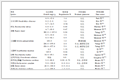
6. Approaches to enhance mucosal vaccine efficiencyIn recent years, significant progress has been made in the developments of mucosal vaccines (Table 1). Novel vaccine delivery systems, adjuvants, and immunization strategies have provided robust support for the development of mucosal vaccines [90,91]. However, whether delivered nasally, orally, or vaginally, weak immunogenicity and a lack of suitable delivery carriers have remained limiting factors for the clinical application of mucosal vaccines (Table S3 in Supporting information) [91–93]. To achieve optimal mucosal immune delivery systems for vaccines, the exploration of innovative and efficient vaccine delivery systems and alternative solutions is imperative. We summarize four sections addressing approaches to enhance the efficiency of mucosal vaccine delivery.
|
Table 1 Licensed mucosal vaccines. |
Traditional vaccines, including inactivated and attenuated live vaccines, have historically been pivotal in the fight against infectious diseases [92,93]. However, they come with several challenges such as high production demands, time-consuming development processes, and potential health risks associated with incomplete inactivation or attenuation of pathogens [93]. Large-scale cultivation of pathogens is required for the preparation of these vaccines, which can be challenging for certain pathogens.
To address these challenges, a novel approach known as reverse vaccinology was proposed by Rappuoli in 2000. This strategy has been successfully utilized in the development of vaccines against pathogens such as serogroup B Neisseria meningitidis (MenB) [94,95]. The basic process of reverse vaccine development involves: (1) Obtaining the genetic information sequence of the pathogen and using bioinformatics to predict and analyze open reading frames (ORFs) encoding antigens; (2) selecting antigens located on the cell surface, secreted extracellularly, associated with virulence, and conserved; (3) employing DNA recombinant technology to express the selected antigen genes efficiently in suitable host cells, leading to the purification of recombinant antigen proteins; (4) immunizing animals to evaluate their immune protective effects against the corresponding pathogen, thereby selecting antigens for vaccine development [94,96].
In practical production, protein vaccines may exhibit drawbacks such as poor stability and low expression levels [97,98]. Currently, optimization of preparation processes and reverse vaccine design can enhance the stability and expression levels of protein vaccines, ensuring the practical application of reverse vaccines [98–100]. Common strategies to improve the stability of protein vaccines include freeze-drying, cold storage at low temperatures, and the addition of appropriate adjuvants [98,100]. Additionally, stability can be enhanced through amino acid mutations, glycosylation modifications, and the construction of VLP vaccines [100,101]. Codon optimization of natural antigens derived from pathogens effectively increases the expression levels of protein vaccines in cells.
6.1.1. Antigen design and screeningAntigens intended for reverse vaccines should originate from pathogenic sources and typically encompass proteins or virulence factors that are prominently displayed on the cell surface or secreted extracellularly, often characterized by possessing transmembrane sequences or signal peptides. Upon entry into the human body, these antigens interact with B-cell epitopes, thereby triggering humoral immunity. Consequently, novel approaches have emerged, emphasizing the structural attributes of antigens to enhance their immunogenicity [102]. The core process of antigen design based on structural considerations entails the identification of potential antigenic epitopes utilizing both computational and experimental methodologies, followed by the refinement of these epitopes. Subsequently, the immune protective efficacy of the redesigned antigens is corroborated through validation studies conducted in animal models [103,104].
6.1.2. Considerations in nucleic acid vaccine design, the frontiers on the mucosal mRNA vaccinesIn contrast to protein vaccines, DNA vaccines and mRNA vaccines have garnered significant attention due to their abbreviated development timelines, reduced costs, and enhanced safety and efficacy profiles [105,106]. Both types of nucleic acid vaccines possess the capability to carry sequences encoding antigen proteins. However, mRNA vaccines encountered challenges in their initial stages of development stemming from the vulnerability of mRNA integrity to widespread degradation by RNases, along with inherent immunogenicity associated with mRNA itself [107,108]. Integration of mRNA with lipid nanoparticles (LNPs) for drug delivery has proven effective in mitigating these challenges, thus advancing the exploration of mRNA-based therapeutics [109].
DNA vaccines comprise eukaryotic DNA fragments and prokaryotic DNA fragments responsible for positive screening and plasmid amplification. The eukaryotic fragment's sequence typically encompasses a promoter, codon-optimized antigen gene, and downstream polyA tail signal. Additionally, the incorporation of a Kozak sequence (gccgccRccATGG, where ATG represents the start codon, and R = A or G) significantly enhances the expression of the antigen gene [109–111]. In contrast, mature mRNA vaccines generally consist of linear RNA structures that contain five key functional regions: the 5′ cap structure, 5′ untranslated region (5′UTR), ORF, 3′UTR, and poly(A) tail. These functional regions play pivotal roles in governing the stability, immunogenicity, and translational efficiency of mRNA vaccines [111]. Apart from codon optimization of the antigen gene, mRNA stability can be modulated by regulating the GC content. In recent years, circular mRNA has emerged as a promising alternative. Compared to linear mRNA, circular RNA vaccines offer superior stability, safety, and efficiency [112,113].
To address the inherent weak immunogenicity observed in current mucosal vaccines, optimizing the design of mucosal antigens emerges as a promising strategy to bolster mucosal immune responses. Initially, the identification of potent antigens from the pathogen's genome serves as a pivotal step. Subsequently, employing techniques such as amino acid mutations, glycosylation modifications, and structure-based design alterations facilitates the construction of VLP vaccines aimed at enhancing the stability of protein vaccines. Furthermore, acknowledging the potential limitations in immune protection conferred by protein vaccines, the development of mRNA vaccines or circular RNA vaccines delivered via LNPs presents a viable avenue for mucosal immunization.
It has been over two decades since extensive efforts have been devoted to the research and development of mucosal mRNA vaccines, albeit receiving less attention compared to systemic mRNA approaches. While much of the focus has been on intranasal mRNA vaccines, recent reports have also emerged regarding oral and intravaginal mRNA delivery. In the first experiments involving intranasal mRNA vaccines, the predominant approach was the use of naked mRNA. For example, Dimier-Poisson et al. administered a high dose of 120 µg of mRNA per mouse after isolating it from Toxoplasma gondii [114]. Subsequent challenges with T. gondii cysts demonstrated enhanced survival and reduced brain cysts in vaccinated mice, with protection attributed to the induction of mucosal and systemic antibodies. The usual Bacillus Calmette-Guérin vaccination, when administered subcutaneously, was more effective. These investigations showed that pulmonary CD11c+ DCs may absorb fluorescently labelled messenger RNA, which bodes well for intranasal immunization. Two separate groups of researchers, Blakney et al. [115] and Anderluzzi et al. [116] investigated immunological responses to self-amplifying RNA (samRNA) vaccines administered intranasally and systemically, employing different formulations like polymeric, solid lipid, and LNPs. Intranasal vaccines demonstrated weaker systemic and mucosal IgG responses, as well as lower systemic T-cell activation, in comparison to systemic vaccines. The results indicated that intranasal vaccinations produced reduced systemic and mucosal IgG responses, along with decreased systemic T-cell activation, when compared to their systemic counterparts.
Advancements have been made in the development of nanocarriers for mucosal mRNA delivery. Notably, one approach involves the conjugation of cyclodextrin, a mucoadhesive molecule, with PEI to form complexes with mRNA encoding the HIV gp120 protein. In murine models, this design demonstrated prolonged retention of PEI NPs at the site of nasal cavity administration, with a half-life of approximately 75 min compared to 30 min [117]. A separate study examined the effectiveness of intranasal LNPs vaccination in hamsters, incorporating a specific lipid to improve tissue absorption [118]. Increased systemic antigen-specific IgG and IgA responses were observed with this formulation, demonstrating the significance of tissue absorption for the efficacy of vaccines.
Innovative mucosal delivery routes beyond conventional intranasal approaches have garnered attention, including gastrointestinal and intravaginal mRNA delivery methods. Abramson’s group introduced an oral mRNA delivery system termed self-orienting millimeter scale applicator (SOMA) [119]. This device, which is roughly the size of a blueberry, contains mRNA NPs made of polymers. Once swallowed, the SOMA utilizes a compressed spring and hollow needle to autonomously position itself on the stomach wall. Upon spring decompression, the needle tip penetrates the tissue, delivering mRNA NPs. Oral administration of SOMA in pig models successfully demonstrated the expression of a reporter protein in the stomach wall, showcasing its potential as a groundbreaking approach. As for intravaginal mRNA delivery strategies, though not fully characterized, they hold promise for future applications. To enhance mRNA transport across the mucus layer, Lindsay and team investigated vaginal administration of aerosolized naked mRNA, using water instead of saline [120]. Aerosolized mRNA encoding luciferase was successfully delivered to the female reproductive system in sheep models. Notably, high-pressure mRNA injection was ineffective, underscoring the critical role of aerosolization. Building on previous work, Remaut et al. pioneered the development of aerosolized lipid NPs for intravaginal mRNA delivery. In porcine models, these NPs effectively facilitated the delivery of mRNA encoding the luciferase protein [121]. Thus, further research is crucial to evaluate the suitability of these systems for vaccination, identify the specific immune cell types activated during vaginal immunization, and precisely characterize the nature and degree of the elicited immunological response. These domains signify critical pathways for forthcoming investigations into the development of mucosal mRNA immunization methodologies.
Continued efforts are underway to enhance the uptake of mRNA across pulmonary epithelium. Studies have explored the use of nanocarriers, such as cyclodextrin-conjugated PEI, which extend the possession of mRNA NPs in the nasal fossa. Despite progress, challenges persist, with intranasal vaccination failing to elicit a secretory antibody effect in the samples of nasal fossa. Furthermore, current investigations are centered on optimizing the translocation of mRNA across mucosal barriers. The vaccination of mucosal mRNA represents a dynamic domain of scientific investigation, with ongoing studies focusing on its efficacy, optimization strategies, and safety considerations. Repurposing systemic formulations for mucosal vaccination may not suffice, as transport barriers inherent to mucosal surfaces could impede the effectiveness of formulations designed for systemic use. Current methods for penetrating mucus and tissue while retaining fragile mRNA formulations are insufficient. Chemical permeation enhancers such as tight junction modulators, mucolytic agents, and surface modifications, along with physical techniques like microneedles, ultrasound, and jet spraying, can assist in overcoming this barrier. Mucosal mRNA vaccines induce different immune responses than systemic vaccines, hence fundamental research is needed. These studies are indispensable for comprehensively understanding the safety dynamics of mucosal mRNA vaccines and for pinpointing the most strategic and effective applications of these systems. Ultimately, the realm of mucosal mRNA vaccines presents vast and transformative potential for future scientific breakthroughs supported by ongoing research addressing mechanistic questions. Enhancing mRNA vaccine delivery to mucosal surfaces could lead to groundbreaking preclinical results, facilitating the advancement of this novel vaccine class.
6.2. The addition of adjuvantsAdjuvants play a vital role in vaccines, serving as substances that, when combined with vaccine antigens, enhance the immunogenicity of the vaccine [122]. They can be classified into two main categories: immunostimulants and delivery carriers. Immunostimulants, the former category [123], stimulate antigen presentation by activating APCs, thereby triggering the expression of co-stimulatory molecules and initiating immune responses [122,124]. On the other hand, delivery carriers act as transport vehicles, serving as reservoirs to aid in the delivery of antigens to draining lymph nodes. They facilitate antigen uptake by APCs and shield antigens from adverse conditions [124,125]. Immunostimulants employed in mucosal delivery can be broadly categorized into enterotoxins (such as cholera toxin (CT) and heat-labile enterotoxin (LT)), TLR agonists, cytokines, and other compounds, as outlined (Table S4 in Supporting information).
6.2.1. EnterotoxinsEnterotoxin, a natural macromolecule, facilitates the delivery of a cytotoxic subunit into cells, resulting in characteristic lesions. Examples of enterotoxins include CT and LT [125,126]. Both toxins are composed of a single A subunit with enzymatic function and a pentameric B subunit ring that attaches to the cell surface ganglioside GM1 [126]. CT is well-known for its mucosal adjuvant properties [127]. In a study [128], the use of CT to enhance the delivery of ovalbumin via microneedles effectively activated the oral MIS. Chen et al. [129] likewise used pH-sensitive bacterial nanocellulose or polyacrylic acid (BNC/PAA) hydrogel microparticles (MPs) as a vehicle for vaccine delivery. By incorporating CT and ovalbumin as model antigens, they developed MPs and administered them orally in an animal model. Compared to other groups, the hydrogel containing CT as an adjuvant and model antigen induced high titers of IgG and IgA antibodies at 14, 28, and 43 days.
Likewise, LT serves as an effective mucosal adjuvant; however, its inherent toxicity is considerable. Therefore, Nawar et al. [130] investigated the mucosal immunogenicity of a mutant heat-labile enterotoxin with altered ganglioside binding activity and reduced toxicity via intranasal administration. Their findings revealed that the mutated heat-labile enterotoxin, in comparison to the non-mutated counterpart, augmented mucosal immune responses.
6.2.2. TLR agonistsTo effectively stimulate the immune system, it is imperative to elicit danger signals associated with pathogens [131–133]. Pathogen-associated molecular patterns (PAMPs) are integral components of pathogens that trigger the immune response by activating pattern recognition receptors (PRRs) [134,135]. Among these receptors, TLRs play a pivotal role in recognizing a diverse array of PAMPs or damage-associated molecular patterns (DAMPs) [135]. TLRs are distributed on both the cell surface (e.g., TLR1, TLR2, TLR4, TLR5, TLR6) and endosomal membranes (e.g., TLR3, TLR7, TLR8, and TLR9), allowing for the detection of infectious agents and danger signals [136]. Upon ligand binding, TLRs recruit adaptor proteins containing TLR domains, such as myeloid differentiation primary response gene (88) (MyD88), to initiate immune responses against antigens. This activation triggers signaling pathways, such as the nuclear factor kappa-B (NF-κB) pathway and mitogen-activated protein (MAP) kinases [135,136], which in turn lead to the production of pro-inflammatory cytokines like tumor necrosis factor-alpha (TNF-α) and interleukin (IL)-6 [137,138]. Additionally, TLR activation can induce type Ⅰ IFN responses mediated by interferon regulatory factors (IRFs), like IRF3 and IRF7 are critical for connecting innate and adaptive immunity by facilitating the upregulation of co-stimulatory molecules on APCs. For instance, Bakkari et al. [138] utilized the TLR4 receptor agonist, inulin acetate (InAc), a plant-derived polymer, as a vaccine adjuvant for nasal immunization, effectively stimulating secretory IgA production at various mucosal sites. Similarly, Gutjahr et al. [139] employed NPs loaded with HIV-1 antigen and a TLR7 receptor agonist to evoke systemic mucosal responses in a murine model. Additionally, Fu et al. [140] engineered flagellin protein fibers with adjustable lengths that activate TLR5, demonstrating that these nanofibers enhanced serum IgG levels (Fig. S2A in Supporting information).
However, relying solely on a single adjuvant often imposes limitations [138,140]. To overcome these constraints, combination adjuvant systems have been scrutinized and endorsed for human vaccine applications. These systems capitalize on the distinct advantages of different adjuvants to elicit a more comprehensive immune response. For instance, combining an immunostimulant with monophosphoryl lipid A (a TLR4 receptor agonist) in NMs, administered via nasal immunization, has been shown to provoke robust Th1 and Th2 immune responses [141]. In another investigation [142], a synergistic combination of three mucosal adjuvants, namely mannose, polyarginine, and 2′,3′-cyclic GMP-AMP (cGAMP), was assembled with the RBD through electrostatic interactions to formulate a NP vaccine designated as RBD-MP-cG. Upon intranasal administration, this formulation elicited mucosal high-titer IgA and IgG responses in bronchoalveolar lavage and nasal washes, surpassing the response observed in the absence of added adjuvants.
6.2.3. Stimulator of interferon genes (STING) agonistsSTING stands as an endoplasmic reticulum transmembrane protein that orchestrates the activation of type Ⅰ IFNs alongside other inflammatory cytokines [143,144]. Its significance extends to the host's immune reactions against tumors, rendering it a focal point for combatting infectious diseases and cancer [144,145]. The natural ligand of STING, 2′,3′-cGAMP, is a metabolite inherent to humans, commonly localized outside the plasma membrane. Swift hydrolysis of cGAMP by ecto-nucleotide pyrophosphatase/phosphodiesterase 1 (ENPP1) serves to forestall unwarranted systemic inflammatory reactions [146,147]. Given its pivotal role, numerous investigations harness cGAMP as an adjuvant to incite the immune response. For instance, Luo et al. integrated the STING agonist cGAMP as a mucosal adjuvant. In their study, an inactivated H7N9 vaccine was administered with or without cGAMP adjuvant via the nasal cavity [148,149]. Results from the experiments underscored a significant augmentation in IgG and IgA titers upon the addition of the adjuvant compared to the vaccine devoid of it. Another study employed cGAMP both as an adjuvant and antigen in a nasal gel for influenza vaccine administration, yielding discernible serum and mucosal fluid responses in murine models [149]. Additionally, Škrnjug et al. [150] delineated that cyclic dinucleotide bis (3′,5′)-cyclic dimeric adenosine monophosphate (c-di-AMP), another cyclic dinucleotide, emerges as a promising adjuvant candidate. Through mucosal pathways, c-di-AMP exhibits the capability to bolster immune responses to vaccine antigens in mouse models.
6.2.4. CytokinesSeveral experimental mucosal vaccine adjuvants, while effective in research settings, are unsuitable for human use due to safety concerns, with CT representing a prominent example [151,152]. Consequently, attention has turned to naturally occurring cytokines for their potential as vaccine adjuvants, given their profound impact on the immune system [153].
Among these cytokines, TNF-α holds a central position in both adaptive and innate immune responses, primarily originating from T cells and macrophages as an inflammatory cytokine [153,154]. In a recent study, a biologically active mutant form of TNF-α, known as mTNF-K90R, was investigated as an adjuvant for intranasal vaccine delivery. This mutant was derived from a phage library expressing mutated TNF-α variants. Notably, the inclusion of mTNF-K90R as an adjuvant resulted in a marked increase in ovalbumin (OVA)-specific IgA levels in nasal washes, vaginal washes, and fecal extracts, as well as a significant rise in OVA-specific IgG titers in serum (Fig. S2B in Supporting information). Furthermore, it significantly improved the delivery of antigens to the NALT, highlighting its capcity as an impressive adjuvant for mucosal vaccines [154].
Moreover, the leukocyte IL receptor family, comprising over 30 members, has emerged as promising adjuvants involved in regulating and maintaining immune system homeostasis [155,156]. In a murine allergy model, the use of plasmid DNA encoding IFN-γ and IL-12 as vaccine adjuvants significantly augmented the efficacy of immunotherapy against allergens [156]. In infectious disease research, Albu et al. [157] employed IL-12 in combination with CT subunit B (CTB) as adjuvants for intranasal vaccination. This led to improved mucosal and systemic immune responses targeting HIV-1 type 1 glycoprotein. Apart from IL-12, IL-2 has also been explored for its adjuvant properties. For instance, Ma et al. [158] utilized HPV16 L1 VLPs along with IL-2 and chitosan as an adjuvant for nasal immunization, demonstrating significantly stronger effects in serum IgG antibody titers, serum neutralizing antibody titers, respiratory wash fluid sIgA concentration, and vaginal sIgA concentration compared to the group without adjuvants.
Additionally, granulocyte-macrophage colony-stimulating factor (GM-CSF) has emerged as an adjuvant, which is an inflammatory cytokine produced by various cell types in response to cytokines or inflammatory stimuli [159–161], plays a pivotal role in promoting the recruitment, maturation, and survival of DCs [160]. It also induces Th9 cell responses to enhance anti-tumor immunity [161]. Consequently, GM-CSF is extensively utilized as an adjuvant to augment the immune responses elicited by various vaccines. GM-CSF has been shown to enhance the intranasal delivery of DNA vaccines, resulting in high titers of serum IgG and mucosal sIgA [162]. Furthermore, in clinical trials, GM-CSF as an adjuvant has been demonstrated to induce antibody responses against tumor-associated proteins [163,164].
Type Ⅰ IFNs, primarily generated by plasmacytoid dendritic cells (pDCs) [164], constitute a crucial component of the innate immune response. They play a pivotal role in inducing the maturation of myeloid DCs and augmenting antigen presentation [165]. Under normal physiological conditions, type Ⅰ IFNs are produced at low levels, but their expression significantly escalates in response to the infections of virus and bacteria [166]. Notably, research has underscored the adjuvant properties of type Ⅰ IFNs in the context of human influenza intranasal delivery vaccines. Specifically, research has indicated that IFNα/β significantly elevates the proportion of antigen-specific phagocytes within the nasal mucosal layer (Fig. S2C in Supporting information) [167]. Subsequent investigations by Maeyama [168] have further elucidated that IFN-β, serving as a novel mucosal adjuvant, can elicit MI by amplifying the production of IgA antibodies within the mucosal tissues.
6.2.5. Other categoriesIn addition to the previously discussed adjuvants, a multitude of alternative adjuvants have been identified, diverging from the pathways outlined earlier [169,170]. One such adjuvant is α-galactosyl ceramide (α-GalCer), recognized for its role as an activator of invariant natural killer T cells (iNKT) [169]. Originally utilized in cancer immunotherapy, recent investigations have unveiled its potential as a potent mucosal adjuvant for oral vaccine delivery, effectively augmenting vaccine immunogenicity [170]. Moreover, live or heat-killed lactobacilli (LcM) have emerged as promising mucosal adjuvants when administered intranasally. These formulations have demonstrated efficacy in inducing robust IgA and IgG responses against pathogenic antigens [171].
Despite advancements, a significant hurdle persists in generating vaccine-induced responses within mucosal cavities, particularly for vaccines targeting mucosal pathogens [172]. These pathogens often lack expression of mucosal host chemokine receptors, posing a challenge to MI induction. Consequently, chemokine ligands have emerged as potential adjuvants for stimulating MI. In a notable study, Gary et al. [173] utilized the mucosal chemokine CCL27 (CTACK) to augment the response elicited by a SARS-CoV-2 DNA vaccine. This innovative approach holds promise for bolstering MI, potentially offering broad protection against SARS-CoV-2 variants (Fig. S2D in Supporting information).
6.3. Carrier improvementsIn the realm of mucosal vaccine delivery, efforts are directed towards enhancing delivery capabilities through carrier surface modifications. Chitosan, known for its excellent biocompatibility and adhesiveness, addresses the challenge of insufficient vaccine adhesion to mucosal sites (Fig. 5A) [174,175]. Concurrently, tannic acid (TA), a plant polyphenol boasting remarkable moisture-resistant bioadhesive properties, has emerged as a promising agent for augmenting adhesion. Its phenolic hydroxyl groups and aromatic ring structure make it an ideal material for surface modification [176,177]. In a study by Haji et al. [178] tannic acid was coated onto cellulose nanocrystal surfaces, forming stronger hydrogen bonds and hydrophobic interactions with adhesive proteins. Additionally, tannic acid (TA) has been leveraged by Szaleniec et al. [179] to mitigate anionic toxicity and stabilize NPs morphology, particularly in the delivery of single carriers such as silver NPs.

|
Download:
|
| Fig. 5. The optimization of administration modes for enhanced delivery of mucosal vaccines. (A) The proposed mechanism by which the CS-IONzyme-based influenza vaccine enhances the antigen-specific immune response is depicted in the accompanying schematic. Reproduced with permission [174]. Copyright 2020, John Wiley and Sons. (B) Immunofluorescent images illustrate the nasal mucosa obtained from BALB/c mice (n = 3) that were intranasally administered either RBD-HR or PBS (green), with or without the inclusion of the adjuvant (CCD), 24 h prior to collection. Blue: DAPI. Reproduced with permission [188]. Copyright 2023, Springer Nature. (C) The serum anti-RBD-HR IgG and IgA titers in vaccinated mice after immunization with RBD-HR plus adjuvant. Reproduced with permission [188]. Copyright 2023, Springer Nature. (D) The process of fabricating the Recombinant SARS-CoV-2 Receptor Binding Domain-Modified Exosomes (RBD-Exo) vaccine is illustrated schematically, highlighting its inhalational delivery into the lungs. This approach activates both mucosal and systemic immune responses, leading to the production of RBD-specific IgA and IgG antibodies that combat SARS-CoV-2 infection in hamsters. Reproduced with permission [199]. Copyright 2022, Springer Nature. | |

Furthermore, carboxymethyl cellulose (CMC), a water-soluble cellulose derivative recognized for its safety profile, hydrophilic nature, bioadhesive properties, and gel-forming capabilities, has garnered attention. Ji et al. [180] devised a novel buccal membrane utilizing tremella polysaccharide (TSP) and CMC for soy peptide delivery.
In addition, alginates, a type of polysaccharide [181], are characterized by flexible backbone macromolecules containing hydrogen bond groups capable of interacting with glycoproteins in mucin [182,183]. Combining the long-term adhesion benefits and high adsorption capacity of alginates, researchers have modified liposome surfaces to enhance oral adhesion [183]. In a study, freeze-dried aureomycin-loaded liposomes were integrated with solid, soluble, and bioadhesive alginate patches. By adjusting the alginate-to-liposome ratio in the adhesive patches, researchers could control the degree of biological adhesion to the tongue and the release distribution of liposomes carrying drugs within the matrix [184]. However, the mucosal layer, rich in heavily glycosylated and mucin-rich components, presents challenges by entrapping drugs within the mucus layer or compromising their stability [185,186]. This phenomenon affects the delivery of vaccines through nasal and oral routes, as physical clearance of antigens within these cavities hinders reaching the target sites [187]. In addition to the use of adjuvants, many studies are focusing on the design of carriers for mucosal vaccines. Carbon dots (CD), for example, have emerged as a focal point of interest in the biomedical arena, attributed to their diminutive size, modifiable surface chemistry, remarkable aqueous dispersibility, commendable biocompatibility, and negligible environmental repercussions. Through surface modification via a straightforward ring-opening reaction to introduce cationic components (CDD), these particles adsorb anionic peptides (RBD-HR) and form NPs through electrostatic fundamental interaction (CCD/RBD-HR). Upon nasal delivery, nasal epithelial cells (NECs) present antigens (Fig. 5B), inducing a robust immune response (Fig. 5C) [188]. Similarly, another study devised a cationic liposome/propylamine complex (LPC) as a safe and effective nasal mRNA encoding CK19 (mCK19) vaccine delivery system, triggering an efficient anti-tumor immune response [189].
Moreover, functionalizing or modifying the carriers themselves holds significant promise for enhancing vaccine delivery. For instance, to augment the delivery capacity of cationic liposomes, attaching other substances to the cationic lipid component can enhance the immunostimulatory effects, resulting in the formation of a new type of cationic lipid adjuvant. One such example is CAF01, which comprises the cationic lipid dimethyl-dioctadecyl-ammonium (DDA) bromide and the synthetic cord factor trehalose-6,6′-dibenzoyl (TDB) [190]. Additionally, the novel liposomal vaccine CAF®09b was designed by electrostatically combining the TLR3 agonist poly(I:C) with a cationic liposomal delivery platform, DDA. This cationic system is composed of dimethyl-dioctadecyl-ammonium (DDA) and the C-type lectin receptor agonist monomycolyl glycerol (MMG). Nasal administration of influenza virus-loaded CAF09b liposomes in mice, there was a notable efflux of innate immune cells into the nasal passages and lung, along with a corresponding increase in the up-regulation of genes associated with IFN-I expression [191].
6.4. Selection and optimization of administration routesIn addition to employing adjuvants and enhancing carrier properties, optimizing the administration route represents a pivotal strategy for enhancing vaccine delivery efficiency [192,193]. Traditional mucosal delivery methods like oral administration and nasal drops have inherent limitations, such as encountering the first-pass effect in oral delivery and the inability to directly target the respiratory tract with nasal drops [194,195]. The introduction of aerosolized administration has emerged as a promising solution to overcome these challenges [196]. For instance, Rijn et al. [197] utilized aerosolized mRNA vaccines encapsulated in LNPs, thereby minimizing systemic exposure and side effects while bypassing renal or hepatic clearance.
Furthermore, research endeavors have explored the utilization of lyophilized formulations to augment delivery efficiency. Valle et al. [198] proposed a lyophilized liposome-based drug carrier for oral administration, aiming for systemic drug delivery through the sublingual mucosa. Similarly, Wang et al. [199] developed a VLP delivered inhalable vaccine for COVID-19, which, after lyophilization, remained stable for over three months at room temperature. This stability enhancement facilitated the retention of the RBD in the mucosal lining of the respiratory tract and lung parenchyma (Fig. 5D). Moreover, inhaled drugs hold promise for achieving therapeutic effects at lower doses and minimizing systemic side effects, rendering inhalation drug delivery systems an intensively researched area [200]. Existing studies indicate that inhaled dry powder formulations can effectively protect the respiratory mucosa [201]. Additionally, research has demonstrated the efficacy of inhaled dry powder influenza vaccine formulations in protecting against the lethal effects of the H5N1 virus [202]. Furthermore, there is evidence suggesting that inhaled powder formulations can impede tumor growth [203].
Mucosal RNA vaccines, notably RNA scaffold protein subunit vaccines for nasal immunization, play a vital role in combating COVID-19. Research explores innovative delivery methods like Newcastle disease virus (NDV) vectors and LNPs to enhance vaccine efficacy [204]. NDV vectors offer targeted RNA vaccine delivery [205], while LNPs improve stability and immune response. These advancements hold promise for effective mucosal vaccination against COVID-19 and other diseases.
7. Concluding remarksDespite extensive focus on MI and vaccines in recent decades, only a limited number of vaccines are approved for mucosal administration. Current licensed human mucosal vaccines often rely on attenuated strains of pathogens, which maintain their immunogenicity during passage through the upper digestive tract. However, the complexity of the MIS presents challenges for effective vaccine delivery, ensuring drugs effectively penetrate the mucosal surface to reach therapeutic sites remains uncertain.
We are currently witnessing a transformative period in vaccine development, with mucosal vaccines emerging as promising candidates (Fig. 6).

|
Download:
|
| Fig. 6. Delivery systems for mucosal vaccines. Created with Biorender.com. | |

These vaccines offer distinct advantages by eliciting immune responses at the primary sites of infection, thereby triggering protective immune reactions in organized lymphoid tissues at mucosal sites. While mucosal vaccines have yet to undergo a significant shift in strategy compared to injectable vaccines, this paradigm may soon change. Advances in our comprehension of mucosal protective immunity, the establishment of methodologies to assess human MI, and the identification of antigens and adjuvants all foster optimism for the imminent emergence of innovative mucosal vaccines targeting infectious diseases and cancer. Looking ahead, the integration of cutting-edge technologies, such as microfluidic-based delivery systems, NMs, and RNA platforms, are anticipated to overcome current limitations. These advancements could revolutionize mucosal vaccine development, paving the way for safer, more effective, and widely accessible vaccines to address global health challenges.
Declaration of competing interestThe authors declare that they have no known competing financial interests or personal relationships that could have appeared to influence the work reported in this paper.
CRediT authorship contribution statementJiaxin Guo: Writing – review & editing, Writing – original draft. Yongyi Xie: Visualization, Validation. Muhammad Waqqas Hasan: Supervision, Software. Yongcheng Zhu: Methodology, Investigation. You Zhou: Resources, Project administration. Zhengfeng Li: Funding acquisition, Conceptualization. Wenjie Chen: Funding acquisition, Data curation.
AcknowledgmentsThis work was supported by the National Natural Science Foundation of China (No. 82400017), the Guangdong Provincial Basic Science Fund (No. 2023A1515110028), the High-level University Construction Fund (No. 06–445–1122), the Open Project of State Key Laboratory of Respiratory Disease (No. SKLRD-OP-202409), and the grant from State Key Laboratory of Respiratory Diseases (No. SKLRD-Z-202311 to Dr. Li). Dr. Hasan thanks the GMU postdoc start-up funding. Dr. Chen thanks the Pearl River Rising Scholar Fellowship.
Supplementary materialsSupplementary material associated with this article can be found, in the online version, at doi:10.1016/j.cclet.2025.111213.
| [1] |
P.N. Boyaka, J. Immunol. 199 (2017) 9-16. DOI:10.4049/jimmunol.1601775 |
| [2] |
S.H. Kim, K.Y. Lee, Y.S. Jang, Immune Netw. 12 (2012) 165. DOI:10.4110/in.2012.12.5.165 |
| [3] |
A. Srivastava, D.V. Gowda, S.V. Madhunapantula, et al., APMIS 123 (2015) 275-288. DOI:10.1111/apm.12351 |
| [4] |
A. Dillon, D.D. Lo, Front. Immunol. 10 (2019) 461052. |
| [5] |
G. Du, M. Qin, X. Sun, Acta Pharm. Sin. B 13 (2023) 2334-2345. DOI:10.1016/j.apsb.2022.08.010 |
| [6] |
Q. Lu, T.C.A. Hitch, Science 385 (2024) eadk2536. DOI:10.1126/science.adk2536 |
| [7] |
Y. Kurono, Auris Nasus Larynx 49 (2022) 1-10. |
| [8] |
Y. Li, L. Jin, T. Chen, Biomed. Res. Int. 2020 (2020) 2032057. DOI:10.1155/2020/2032057 |
| [9] |
O. Pabst, Nat. Rev. Immunol. 12 (2012) 821-832. DOI:10.1038/nri3322 |
| [10] |
A. Cerutti, K. Chen, A. Chorny, Annu. Rev. Immunol. 29 (2011) 273-293. DOI:10.1146/annurev-immunol-031210-101317 |
| [11] |
O. Pabst, V. Cerovic, M. Hornef, Trends. Immunol. 37 (2016) 287-296. DOI:10.1016/j.it.2016.03.002 |
| [12] |
M. Li, Y. Wang, Y. Sun, et al., Immunol. Lett. 217 (2020) 116-125. DOI:10.3390/nu13010116 |
| [13] |
M. Huang, M. Zhang, H. Zhu, et al., Acta Pharm. Sin. B 12 (2022) 3456-3474. DOI:10.1016/j.apsb.2022.07.002 |
| [14] |
Y. Yuki, H. Kiyono, Expert Rev. Vaccines 8 (2009) 1083-1097. DOI:10.1586/erv.09.61 |
| [15] |
H. Wang, L. Qin, X. Zhang, et al., J. Control. Release 352 (2022) 970-993. DOI:10.1016/j.jconrel.2022.10.061 |
| [16] |
Y. Song, F. Mehl, S.L. Zeichner, Vaccines 12 (2024) 191. DOI:10.3390/vaccines12020191 |
| [17] |
E.J. Ryan, L.M. Daly, K.H. Mills, Trends Biotechnol. 19 (2001) 293-304. DOI:10.1016/S0167-7799(01)01670-5 |
| [18] |
S. Wang, B. Liang, W. Wang, et al., Signal Transduct. Target. Ther. 8 (2023) 149. DOI:10.1038/s41392-023-01408-5 |
| [19] |
J.S. Lee, A.G. Hadjipanayis, M.D. Parker, Adv. Drug Deliv. Rev. 57 (2005) 1293-1314. DOI:10.1016/j.addr.2005.01.011 |
| [20] |
S.J. Draper, A.C. Moore, A.L. Goodman, et al., Nat. Med. 14 (2008) 819-821. DOI:10.1038/nm.1850 |
| [21] |
J. Li, H. Xing, F. Meng, et al., ACS Nano 18 (2024) 19498-19517. DOI:10.1021/acs.iecr.4c03089 |
| [22] |
T. Wang, L. Zheng, Q. Zhao, et al., J. Med. Virol. 95 (2023) e28622. DOI:10.1002/jmv.28622 |
| [23] |
C. Jacob-Dolan, D.H. Barouch, Annu. Rev. Med. 73 (2022) 41-54. DOI:10.1146/annurev-med-012621-102252 |
| [24] |
S. Afkhami, M.R. D’Agostino, A. Zhang, et al., Cell 185 (2022) 896-915 e819. DOI:10.1016/j.cell.2022.02.005 |
| [25] |
C.C. Joe, N. Chopra, P. Nestola, et al., Nat. Biotechnol. 41 (2023) 314-316. DOI:10.1038/s41587-023-01682-2 |
| [26] |
S.N. Langel, S. Johnson, C.I. Martinez, et al., Sci. Transl. 14 (2022) eabn6868. DOI:10.1126/scitranslmed.abn6868 |
| [27] |
K. Matsuda, S.A. Migueles, J. Huang, et al., J. Clin. Invest. 131 (2021) e140794. DOI:10.1172/JCI140794 |
| [28] |
C. Li, R.J. Samulski, Nat. Rev. Genet. 21 (2020) 255-272. DOI:10.1038/s41576-019-0205-4 |
| [29] |
M.F. Naso, B. Tomkowicz, W.L. Perry Ⅲ, W.R. Strohl, BioDrugs 31 (2017) 317-334. DOI:10.1007/s40259-017-0234-5 |
| [30] |
G.A. Duncan, N. Kim, Y. Colon-Cortes, et al., Mol. Ther. Methods Clin. Dev. 9 (2018) 296-304. DOI:10.1016/j.omtm.2018.03.006 |
| [31] |
K. Quinn, M.R. Quirion, C.-Y. Lo, et al., Mol. Ther. 19 (2011) 1990-1998. DOI:10.1038/mt.2011.146 |
| [32] |
J. Becker, M.L. Stanifer, S.R. Leist, et al., Mol. Ther. 30 (2022) 2005-2023. DOI:10.1016/j.ymthe.2022.01.024 |
| [33] |
D.E. Demminger, L. Walz, K. Dietert, et al., EMBO Mol. Med. 12 (2020) e10938. DOI:10.15252/emmm.201910938 |
| [34] |
M.C. Milone, U. O’Doherty, Leukemia 32 (2018) 1529-1541. DOI:10.1038/s41375-018-0106-0 |
| [35] |
M.-W. Ku, M. Bourgine, P. Authié, et al., Cell Host. Microbe 29 (2021) 236-249 e236. DOI:10.1016/j.chom.2020.12.010 |
| [36] |
M.-W. Ku, P. Charneau, L. Majlessi, Expert Rev. Vaccines 20 (2021) 1571-1586. DOI:10.1080/14760584.2021.1988854 |
| [37] |
B. Vesin, J. Lopez, A. Noirat, et al., Mol. Ther. 30 (2022) 2984-2997. DOI:10.1016/j.ymthe.2022.04.016 |
| [38] |
P.F. Wright, R.I. Connor, W.F. Wieland-Alter, et al., Lancet Infect. Dis. 16 (2016) 1377-1384. DOI:10.1016/S1473-3099(16)30169-4 |
| [39] |
S. Crotty, R. Andino, Adv. Drug Deliv. 56 (2004) 835-852. DOI:10.1016/j.addr.2003.10.042 |
| [40] |
K.J. Henrickson, Clin. Microbiol. Rev. 16 (2003) 242-264. DOI:10.1128/CMR.16.2.242-264.2003 |
| [41] |
C. Le Nouën, C.E. Nelson, X. Liu, et al., Cell 185 (2022) 4811-4825 e4817. DOI:10.1016/j.cell.2022.11.006 |
| [42] |
P.A. Ilinykh, S. Periasamy, K. Huang, et al., NPJ. Vaccines 7 (2022) 47. DOI:10.1038/s41541-022-00471-3 |
| [43] |
H. Yin, R.L. Kanasty, A.A. Eltoukhy, et al., Nat. Rev. Genet. 15 (2014) 541-555. DOI:10.1038/nrg3763 |
| [44] |
D. Christensen, K.S. Korsholm, P. Andersen, E.M. Agger, Expert Rev. Vaccines 10 (2011) 513-521. DOI:10.1586/erv.11.17 |
| [45] |
R. Tada, A. Hidaka, H. Kiyono, et al., BMC Res. Notes 11 (2018) 472. DOI:10.1186/s13104-018-3591-3 |
| [46] |
J. Liu, J. Wu, B. Wang, et al., J. Med. Virol. 86 (2014) 886-894. DOI:10.1002/jmv.23768 |
| [47] |
R. Liu, C. Luo, Z. Pang, et al., Chin. Chem. Lett. 34 (2023) 107518. DOI:10.1016/j.cclet.2022.05.032 |
| [48] |
N. Aibani, P. Patel, R. Buchanan, et al., Mol. Pharm. 19 (2022) 1814-1824. DOI:10.1021/acs.molpharmaceut.1c00852 |
| [49] |
P. Jana, M. Shyam, S. Singh, et al., Eur. Polym. J. 142 (2021) 110155. DOI:10.1016/j.eurpolymj.2020.110155 |
| [50] |
L. Kaur, A. Sharma, A.K. Yadav, et al., Artif. Cells Nanomed. Biotechnol. 46 (2018) 452-464. DOI:10.1080/21691401.2017.1345927 |
| [51] |
M. Balasubramaniyan, M. Santhanam, V. Vinayagam, et al., Int. J. Biol. Macromol. 222 (2022) 2392-2398. DOI:10.1016/j.ijbiomac.2022.10.025 |
| [52] |
W. Zhu, Y. Chao, Q. Jin, et al., ACS. Nano 17 (2023) 4373-4386. DOI:10.1021/acsnano.2c09266 |
| [53] |
J. Shen, H. Gao, L. Chen, et al., Sci. Adv. 9 (2023) eabq3104. DOI:10.1126/sciadv.abq3104 |
| [54] |
D. Jones, S. Corris, S. McDonald, et al., Vaccine 15 (1997) 814-817. DOI:10.1016/S0264-410X(96)00266-6 |
| [55] |
M. Manocha, P.C. Pal, K. Chitralekha, et al., Vaccine 23 (2005) 5599-5617. DOI:10.1016/j.vaccine.2005.06.031 |
| [56] |
M. Rodriguez, J. Lapierre, C.R. Ojha, et al., Sci. Rep. 7 (2017) 1862. DOI:10.1038/s41598-017-01819-9 |
| [57] |
B.J. Kim, S.W. Cho, Y.J. Jeon, et al., Appl. Microbiol. Biotechnol. 102 (2018) 105-115. DOI:10.1007/s00253-017-8512-1 |
| [58] |
S. Hajebi, S. Yousefiasl, I. Rahimmanesh, et al., Adv. Healthc. Mater. 11 (2022) 2201583. DOI:10.1002/adhm.202201583 |
| [59] |
M. Ouellette, F. Masse, M. Lefebvre-Demers, et al., Sci. Rep. 8 (2018) 14357. DOI:10.1038/s41598-018-32699-2 |
| [60] |
D. Sanchez-Guzman, P. Le Guen, B. Villeret, et al., Biomaterials 217 (2019) 119308. DOI:10.1016/j.biomaterials.2019.119308 |
| [61] |
T.M.M. Ways, K.W. Ng, W.M. Lau, V.V. Khutoryanskiy, Pharmaceutics. 12 (2020) 751. DOI:10.3390/pharmaceutics12080751 |
| [62] |
T. Wang, H. Jiang, Q. Zhao, et al., Int. J. Pharm. 436 (2012) 351-358. DOI:10.1016/j.ijpharm.2012.06.028 |
| [63] |
F. Hou, Z. Teng, J. Ru, et al., Nanomedicine 42 (2022) 102541. DOI:10.1016/j.nano.2022.102541 |
| [64] |
U.S. Kumar, R. Afjei, K. Ferrara, et al., ACS Nano 15 (2021) 17582-17601. DOI:10.1021/acsnano.1c05002 |
| [65] |
S. Salatin, J. Barar, M. Barzegar-Jalali, et al., Arch. Pharm. Res. 39 (2016) 1181-1192. DOI:10.1007/s12272-016-0782-0 |
| [66] |
M. Chen, P. Wu, L. Yu, et al., J. Environ. Manage. 192 (2017) 31-38. DOI:10.1016/j.jenvman.2017.01.038 |
| [67] |
S. Salatin, J. Barar, M. Barzegar-Jalali, et al., Colloids Surf. B. Biointerfaces 159 (2017) 629-638. DOI:10.1016/j.colsurfb.2017.08.031 |
| [68] |
A. Rosso, V. Andretto, Y. Chevalier, et al., J. Control. Release 333 (2021) 579-592. DOI:10.1016/j.jconrel.2021.04.004 |
| [69] |
S.A. Elbanna, H.M. Ebada, O.Y. Abdallah, et al., Drug Deliv. 30 (2023) 2254530. DOI:10.1080/10717544.2023.2254530 |
| [70] |
M. Hatamiazar, J. Mohammadnejad, S. Khaleghi, Appl. Biochem. Biotechnol. 196 (2024) 701-716. DOI:10.1007/s12010-023-04492-z |
| [71] |
X. Xing, W. Ma, X. Zhao, et al., Langmuir 34 (2018) 12583-12589. DOI:10.1021/acs.langmuir.8b01700 |
| [72] |
K. Öztürk, M. Kaplan, S. Çalış, Int. J. Pharm. 666 (2024) 124799. DOI:10.1016/j.ijpharm.2024.124799 |
| [73] |
T. Nie, Z. He, J. Zhu, et al., Adv. Ther. 3 (2020) 2000016. DOI:10.1002/adtp.202000016 |
| [74] |
Y. Tang, X. Wang, J. Li, et al., ACS Nano 13 (2019) 13015-13026. DOI:10.1021/acsnano.9b05679 |
| [75] |
A. Bazargani, M. Hejazi, M. Fernandez, et al., Int. J. Pharm. 670 (2025) 125166. DOI:10.1016/j.ijpharm.2025.125166 |
| [76] |
Y.K. Chan, S.K. Wang, C.J. Chu, et al., Sci. Transl. Med. 13 (2021) eabd3438. DOI:10.1126/scitranslmed.abd3438 |
| [77] |
M. Qi, X.E. Zhang, X. Sun, et al., Small 14 (2018) 1703207. DOI:10.1002/smll.201703207 |
| [78] |
J.E. Oh, E. Song, M. Moriyama, et al., Sci. Immunol. 6 (2021) eabj5129. DOI:10.1126/sciimmunol.abj5129 |
| [79] |
A. Alu, L. Chen, H. Lei, et al., EBioMedicine 76 (2022) 103841. DOI:10.1016/j.ebiom.2022.103841 |
| [80] |
J. Liu, X.D. Yan, X.Q. Li, et al., Front. Immunol. 14 (2023) 1132129. DOI:10.3389/fimmu.2023.1132129 |
| [81] |
X. Lin, Y. Sheng, X. Zhang, et al., J. Control. Release 346 (2022) 380-391. DOI:10.1016/j.jconrel.2022.04.036 |
| [82] |
X. Zhang, S. Wu, J. Liu, et al., Adv. Sci. 10 (2023) 2301034. DOI:10.1002/advs.202301034 |
| [83] |
Y. Zhang, M. Li, G. Du, et al., Adv. Drug Deliv. Rev. 177 (2021) 113928. DOI:10.1016/j.addr.2021.113928 |
| [84] |
A. Parrish, M. Boudaud, A. Kuehn, et al., Trends Mol. Med. 28 (2022) 36-50. |
| [85] |
H. Lu, Y. Gao, J. Chen, et al., Chem. Eng. J. 470 (2023) 144371. DOI:10.1016/j.cej.2023.144371 |
| [86] |
A.T. Jones, X. Shen, K.L. Walter, et al., Nat. Commun. 10 (2019) 798. DOI:10.1038/s41467-019-08739-4 |
| [87] |
H.M. VanBenschoten, K.A. Woodrow, Adv. Drug Deliv. Rev. 178 (2021) 113956. DOI:10.1016/j.addr.2021.113956 |
| [88] |
Q. Bi, X. Song, Y. Zhao, et al., Acta Pharm. Sin. B 13 (2023) 1287-1302. DOI:10.1016/j.apsb.2022.11.004 |
| [89] |
P.F. McKay, J.F. Mann, A. Pattani, et al., J. Control. Release 249 (2017) 74-83. DOI:10.1016/j.jconrel.2017.01.018 |
| [90] |
K. Zhao, Y. Xie, X. Lin, W. Xu, Int. J. Nanomed. 17 (2022) 4579. DOI:10.2147/ijn.s359118 |
| [91] |
M.R. Neutra, P.A. Kozlowski, Nat. Rev. Immunol. 6 (2006) 148-158. DOI:10.1038/nri1777 |
| [92] |
L. Barzon, G. Palù, Expert Opin, Biol. Ther. 18 (2018) 851-864. DOI:10.1080/14712598.2018.1499721 |
| [93] |
J.F. Modlin, A.S. Bandyopadhyay, R. Sutter, J. Infect. Dis. 224 (2021) S398-S404. DOI:10.1093/infdis/jiaa622 |
| [94] |
M. Pizza, V. Scarlato, V. Masignani, et al., Science 287 (2000) 1816-1820. DOI:10.1126/science.287.5459.1816 |
| [95] |
E. Ong, M.U. Wong, A. Huffman, Y. He, Front. Immunol. 11 (2020) 561910. |
| [96] |
I. Bianconi, B. Alcala-Franco, M. Scarselli, et al., Front. Immunol. 9 (2019) 3021. DOI:10.3389/fimmu.2018.03021 |
| [97] |
D.T. Brandau, L.S. Jones, C.M. Wiethoff, et al., J. Pharm. Sci. 92 (2003) 218-231. |
| [98] |
N. Dumpa, K. Goel, Y. Guo, et al., AAPS PharmSciTech. 20 (2019) 42. DOI:10.1208/s12249-018-1254-2 |
| [99] |
O.S. Kumru, S.B. Joshi, D.E. Smith, et al., Biologicals 42 (2014) 237-259. DOI:10.1016/j.biologicals.2014.05.007 |
| [100] |
S. Scheiblhofer, J. Laimer, Y. Machado, et al., Expert Rev. Vaccines 16 (2017) 479-489. DOI:10.1080/14760584.2017.1306441 |
| [101] |
N.K. Jain, N. Sahni, O.S. Kumru, et al., Adv. Drug Deliv. Rev. 93 (2015) 42-55. DOI:10.1016/j.addr.2014.10.023 |
| [102] |
Z. Xu, D.W. Kulp, Curr. Opin. Immunol. 59 (2019) 49-56. DOI:10.1016/j.coi.2019.03.003 |
| [103] |
Y.L. Vishweshwaraiah, N.V. Dokholyan, Adv. Drug Deliv. Rev. 183 (2022) 114142. DOI:10.1016/j.addr.2022.114142 |
| [104] |
S. Schussek, A. Trieu, D.L. Doolan, Biotechnol. Adv. 32 (2014) 403-414. DOI:10.1016/j.biotechadv.2013.12.006 |
| [105] |
J. Yu, L.H. Tostanoski, L. Peter, et al., Science 369 (2020) 806-811. DOI:10.1126/science.abc6284 |
| [106] |
E. Kon, Y. Levy, U. Elia, et al., Sci. Adv. 9 (2023) eadg1036. DOI:10.1126/sciadv.adg1036 |
| [107] |
M.A. Liu, Vaccines 7 (2019) 37. DOI:10.3390/vaccines7020037 |
| [108] |
J.A. Williams, Vaccines 1 (2013) 225-249. DOI:10.3390/vaccines1030225 |
| [109] |
X. Hou, T. Zaks, R. Langer, Y. Dong, Nat. Rev. Mater. 6 (2021) 1078-1094. DOI:10.1038/s41578-021-00358-0 |
| [110] |
L. Li, N. Petrovsky, Expert Rev. Vaccines 15 (2016) 313-329. DOI:10.1586/14760584.2016.1124762 |
| [111] |
K.K. To, W.C. Cho, Expert Opin. Drug Discov. 16 (2021) 1307-1317. DOI:10.1080/17460441.2021.1935859 |
| [112] |
L. Qu, Z. Yi, Y. Shen, et al., Cell 185 (2022) 1728-1744 e1716. DOI:10.1016/j.cell.2022.03.044 |
| [113] |
D. Niu, Y. Wu, J. Lian, Signal Transduct. Target. Ther. 8 (2023) 341. DOI:10.1038/s41392-023-01561-x |
| [114] |
I. Dimier-Poisson, F. Aline, D. Bout, M.-N. Mévélec, Vaccine 24 (2006) 1705-1709. DOI:10.1016/j.vaccine.2005.09.053 |
| [115] |
A.K. Blakney, P.F. McKay, K. Hu, et al., J. Control. Release 338 (2021) 201-210. DOI:10.1016/j.jconrel.2021.08.029 |
| [116] |
G. Anderluzzi, G. Lou, S. Woods, et al., J. Control. Release 342 (2022) 388-399. DOI:10.1016/j.jconrel.2021.12.008 |
| [117] |
K.O. Saunders, N. Pardi, R. Parks, et al., NPJ Vaccines 6 (2021) 50. DOI:10.1038/s41541-021-00307-6 |
| [118] |
G. Baldeon Vaca, M. Meyer, A. Cadete, et al., Sci. Adv. 9 (2023) eadh1655. DOI:10.1126/sciadv.adh1655 |
| [119] |
A. Abramson, A.R. Kirtane, Y. Shi, et al., Matter 5 (2022) 975-987. DOI:10.1016/j.matt.2021.12.022 |
| [120] |
K.E. Lindsay, D. Vanover, M. Thoresen, et al., Mol. Ther. 28 (2020) 805-819. DOI:10.1016/j.ymthe.2020.01.002 |
| [121] |
K. Remaut, E. De Clercq, O. Andries, et al., Pharm. Res. 33 (2016) 384-394. DOI:10.1007/s11095-015-1796-x |
| [122] |
H. Wang, X. Yang, C. Hu, et al., Chin. Chem. Lett. 33 (2022) 4179-4184. DOI:10.1016/j.cclet.2022.02.022 |
| [123] |
B. Pandey, Z. Wang, A. Jimenez, et al., Adv. Sci. 11 (2024) e2402792. DOI:10.1002/advs.202402792 |
| [124] |
L. Zeng, Hum. Vaccin. Immunother. 12 (2016) 2456-2458. DOI:10.1080/21645515.2016.1181236 |
| [125] |
X. He, J. Yang, M. Ji, et al., J. Control. Release 343 (2022) 551-563. DOI:10.1016/j.jconrel.2022.01.050 |
| [126] |
E. Tamayo, J. Postigo, J. González, et al., Eur. J. Immunol. 40 (2010) 754-763. DOI:10.1002/eji.200939865 |
| [127] |
X. Zhang, B. Yang, Q. Ni, X. Chen, Chem. Soc. Rev. 52 (2023) 2886-2910. DOI:10.1039/d2cs00647b |
| [128] |
Y.J. Oh, H.R. Cha, S.J. Hwang, et al., Drug Deliv. Transl. Res. 11 (2021) 1390-1400. DOI:10.1007/s13346-021-00964-z |
| [129] |
X.Y. Chen, A.M. Butt, M.C.I.M. Amin, J. Control. Release 311 (2019) 50-64. DOI:10.15302/j-laf-1-020013 |
| [130] |
H.F. Nawar, S. Arce, M.W. Russell, T.D. Connell, Infect. Immun. 75 (2007) 621-633. DOI:10.1128/IAI.01009-06 |
| [131] |
Q. Li, Z. Li, N. Deng, et al., Eur. J. Med. Chem. 227 (2022) 113917. DOI:10.1016/j.ejmech.2021.113917 |
| [132] |
T. Aoshi, Viral. Immunol. 30 (2017) 463-470. DOI:10.1089/vim.2017.0026 |
| [133] |
Z. Zhou, H. Lin, C. Li, Z. Wu, Chin. Chem. Lett. 29 (2018) 19-26. DOI:10.1016/j.cclet.2017.09.047 |
| [134] |
M.S. Duthie, H.P. Windish, C.B. Fox, S.G. Reed, Immunol. Rev. 239 (2011) 178-196. DOI:10.1111/j.1600-065X.2010.00978.x |
| [135] |
M. Luchner, S. Reinke, Pharmaceutics 13 (2021) 142. DOI:10.3390/pharmaceutics13020142 |
| [136] |
A. Kaur, J. Baldwin, D. Brar, et al., Curr. Opin. Chem. Biol. 70 (2022) 102172. DOI:10.1016/j.cbpa.2022.102172 |
| [137] |
M.E.H. Kayesh, M. Kohara, K. Tsukiyama-Kohara, Viruses 13 (2021) 2302. DOI:10.3390/v13112302 |
| [138] |
M.A. Bakkari, C.K. Valiveti, R.S. Kaushik, H. Tummala, Mol. Pharm. 18 (2021) 2233-2241. DOI:10.1021/acs.molpharmaceut.0c01256 |
| [139] |
A. Gutjahr, L. Papagno, F. Vernejoul, et al., EBioMedicine 58 (2020) 102922. DOI:10.1016/j.ebiom.2020.102922 |
| [140] |
D. Fu, M. Wang, T. Yang, et al., Biomaterials 288 (2022) 121733. DOI:10.1016/j.biomaterials.2022.121733 |
| [141] |
W. Zhu, J. Park, T. Pho, et al., Small 19 (2023) 2301801. DOI:10.1002/smll.202301801 |
| [142] |
L. Xiao, W. Yu, L. Shen, et al., ACS Appl. Mater. Interfaces 15 (2023) 35895-35905. DOI:10.1021/acsami.3c05456 |
| [143] |
A. Amouzegar, M. Chelvanambi, J.N. Filderman, et al., Cancers 13 (2021) 2695. DOI:10.3390/cancers13112695 |
| [144] |
S. Li, M. Luo, Z. Wang, et al., Nat. Biomed. Eng. 5 (2021) 455-466. DOI:10.1038/s41551-020-00675-9 |
| [145] |
B.A. Flood, E.F. Higgs, S. Li, et al., Immunol. Rev. 290 (2019) 24-38. DOI:10.1111/imr.12765 |
| [146] |
J.B. Eaglesham, Y. Pan, T.S. Kupper, P.J. Kranzusch, Nature 566 (2019) 259-263. DOI:10.1038/s41586-019-0928-6 |
| [147] |
J.H. Maltbaek, S. Cambier, J.M. Snyder, D.B. Stetson, Immunity 55 (2022) 1799-1812 e1794. DOI:10.1016/j.immuni.2022.08.006 |
| [148] |
D.M. Varma, C.J. Batty, R.T. Stiepel, et al., ACS Biomater. Sci. Eng. 8 (2022) 1573-1582. DOI:10.1021/acsbiomaterials.2c00015 |
| [149] |
J. Luo, X.-p. Liu, F.-f. Xiong, et al., Front. Immunol. 10 (2019) 2274. DOI:10.3389/fimmu.2019.02274 |
| [150] |
I. Škrnjug, C. Rueckert, R. Libanova, et al., PLoS One 9 (2014) e95728. DOI:10.1371/journal.pone.0095728 |
| [151] |
A.L. Thompson, H.F. Staats, J. Immunol. Res. 2011 (2011) 289597. |
| [152] |
P.N. Boyaka, J.R. McGhee, Adv. Drug Deliv. Rev. 51 (2001) 71-79. DOI:10.1016/S0169-409X(01)00170-3 |
| [153] |
W. Li, P. Gudipaty, C. Li, et al., Immunol. Cell Biol. 97 (2019) 85-91. DOI:10.1111/imcb.12192 |
| [154] |
H. Kayamuro, Y. Abe, Y. Yoshioka, et al., Biomaterials 30 (2009) 5869-5876. DOI:10.1016/j.biomaterials.2009.07.009 |
| [155] |
H. Kayamuro, Y. Yoshioka, Y. Abe, et al., J. Virol. 84 (2010) 12703-12712. DOI:10.1128/JVI.01182-10 |
| [156] |
M. Kumar, A.K. Behera, J. Hu, et al., J. Allergy Clin. Immunol. 108 (2001) 402-408. DOI:10.1067/mai.2001.117261 |
| [157] |
D.I. Albu, A. Jones-Trower, A.M. Woron, et al., J. Virol. 77 (2003) 5589-5597. DOI:10.1128/JVI.77.10.5589-5597.2003 |
| [158] |
F. Ma, Q. Zhang, L. Zheng, Biotechnol. Lett. 37 (2015) 773-777. DOI:10.1007/s10529-014-1739-3 |
| [159] |
T.W. Yu, H.Y. Chueh, C.C. Tsai, et al., Hum. Vaccines Immunother. 12 (2016) 3020-3028. DOI:10.1080/21645515.2016.1221551 |
| [160] |
A. Bonaventura, A. Vecchie, T.S. Wang, et al., Front. Immunol. 11 (2020) 1625. DOI:10.3389/fimmu.2020.01625 |
| [161] |
I.K. Kim, C.H. Koh, I. Jeon, et al., Cancer Immunol. Res. 7 (2019) 498-509. DOI:10.1158/2326-6066.cir-18-0518 |
| [162] |
X. Ma, J. Li, F. Zhang, Scand. J. Immunol. 76 (2012) 521-527. DOI:10.1111/j.1365-3083.2012.02765.x |
| [163] |
H.K. Potluri, T.L. Ng, M.A. Newton, D.G. McNeel, Cancer Immunol. Immunother. 71 (2022) 2267-2275. DOI:10.1007/s00262-022-03150-3 |
| [164] |
M.A. Lee-Kirsch, Annu. Rev. Med. 68 (2017) 297-315. DOI:10.1146/annurev-med-050715-104506 |
| [165] |
M.G. Tovey, C. Lallemand, G. Thyphronitis, Biol. Chem. 389 (2008) 541-545. DOI:10.1515/bc.2008.051 |
| [166] |
K.M. Audsley, T. Wagner, C. Ta, et al., Front. Immunol. 12 (2021) 735133. DOI:10.3389/fimmu.2021.735133 |
| [167] |
L. Bracci, I. Canini, S. Puzelli, et al., Vaccine 23 (2005) 2994-3004. DOI:10.1016/j.vaccine.2004.12.006 |
| [168] |
J. Maeyama, Y. Kurata-Iesato, M. Isaka, et al., Microbiol. Immunol. 64 (2020) 610-619. DOI:10.1111/1348-0421.12832 |
| [169] |
K. Shimizu, Y. Kurosawa, M. Taniguchi, et al., J. Exp. Med. 204 (2007) 2641-2653. DOI:10.1084/jem.20070458 |
| [170] |
P.H. Carlsen, R.B. Kjeldsen, G.K. Pedersen, et al., J. Control. Release 353 (2023) 134-146. DOI:10.1016/j.jconrel.2022.11.015 |
| [171] |
E.O. Vintini, M. Medina, Can[J]. J. Physiol. Pharmacol. 92 (2014) 124-131. DOI:10.1139/cjpp-2013-0227 |
| [172] |
J.M. Schenkel, D. Masopust, Immunity. 41 (2014) 886-897. DOI:10.1016/j.immuni.2014.12.007 |
| [173] |
E.N. Gary, N.J. Tursi, B. Warner, et al., Cell Rep. Med. 3 (2022) 100693. DOI:10.1016/j.xcrm.2022.100693 |
| [174] |
P.L. Ogra, H. Faden, R.C. Welliver, Clin. Microbiol. Rev. 14 (2001) 430-445. DOI:10.1128/CMR.14.2.430-445.2001 |
| [175] |
T. Qin, S. Ma, X. Miao, et al., Adv. Sci. 7 (2020) 2000771. DOI:10.1002/advs.202000771 |
| [176] |
S. Fu, Z. Cao, B. Huang, et al., Nano Res. 16 (2023) 9781-9791. DOI:10.1007/s12274-023-5646-6 |
| [177] |
V. Kasyanov, J. Isenburg, R.A. Draughn, et al., Biomaterials 27 (2006) 745-751. DOI:10.1016/j.biomaterials.2005.06.022 |
| [178] |
F. Haji, D.S. Kim, K.C. Tam, Carbohydr. Polym. 312 (2023) 120835. DOI:10.1016/j.carbpol.2023.120835 |
| [179] |
J. Szaleniec, A. Gibała, J. Stalińska, et al., Int. J. Mol. Sci. 23 (2022) 15411. DOI:10.3390/ijms232315411 |
| [180] |
S. Ji, R. Sun, W. Wang, Q. Xia, Food Hydrocoll 141 (2023) 108684. DOI:10.1016/j.foodhyd.2023.108684 |
| [181] |
A. Hurtado, A.A. Aljabali, V. Mishra, et al., Int. J. Mol. Sci. 23 (2022) 4486. DOI:10.3390/ijms23094486 |
| [182] |
K.Y. Lee, E. Alsberg, S. Hsiong, et al., Nano Lett. 4 (2004) 1501-1506. DOI:10.1021/nl0493592 |
| [183] |
M.I. Adamczak, Ø.G. Martinsen, G. Smistad, M. Hiorth, Int. J. Pharm. 527 (2017) 72-78. DOI:10.1016/j.ijpharm.2017.05.032 |
| [184] |
L. Habib, M. Alyan, Y. Ghantous, et al., Drug Deliv. Transl. Res. 13 (2023) 1228-1245. DOI:10.1007/s13346-022-01224-4 |
| [185] |
D.T. O'Hagan, Adv. Drug Deliv. Rev. 34 (1998) 305-320. DOI:10.1016/S0169-409X(98)00045-3 |
| [186] |
E.Lilia Romero, M.J. Morilla, Wiley Interdiscip. Rev. Nanomed. Nanobiotechnol. 3 (2011) 356-375. DOI:10.1002/wnan.131 |
| [187] |
M.A. Jepson, M.A. Clark, B.H. Hirst, Adv. Drug Deliv. Rev. 56 (2004) 511-525. DOI:10.1016/j.addr.2003.10.018 |
| [188] |
H. Lei, A. Alu, J. Yang, et al., Nat. Commun. 14 (2023) 2678. DOI:10.1038/s41467-023-38066-8 |
| [189] |
Y. Mai, J. Guo, Y. Zhao, et al., Cell. Immunol. 354 (2020) 104143. DOI:10.1016/j.cellimm.2020.104143 |
| [190] |
D. Christensen, L. Bøllehuus Hansen, R. Leboux, et al., ACS Nano 13 (2019) 1116-1126. |
| [191] |
J. Zimmermann, S.T. Schmidt, R. Trebbien, et al., Int. J. Mol. Sci. 23 (2022) 1850. DOI:10.3390/ijms23031850 |
| [192] |
K. Bowey, R.J. Neufeld, BioDrugs 24 (2010) 359-377. DOI:10.2165/11539070-000000000-00000 |
| [193] |
T. Nie, Z. He, Y. Zhou, et al., ACS Appl. Mater. Interfaces 11 (2019) 29593-29603. DOI:10.1021/acsami.9b10294 |
| [194] |
A. Martini, L. Muggetti, M.P. Warchol, Expert Opin. Ther. Pat. 10 (2000) 315-323. DOI:10.1517/13543776.10.3.315 |
| [195] |
Z. He, Y. Hu, T. Nie, et al., Acta Biomater. 81 (2018) 195-207. DOI:10.1016/j.actbio.2018.09.047 |
| [196] |
J. Lee, D. Khang, Acta Pharm. Sin. B 13 (2023) 2897-2925. DOI:10.1016/j.apsb.2022.11.022 |
| [197] |
C.J. van Rijn, K.E. Vlaming, R.A. Bem, et al., Sci. Rep. 13 (2023) 8851. DOI:10.1038/s41598-023-35872-4 |
| [198] |
M.J. De Jesús Valle, A. Zarzuelo Castañeda, C. Maderuelo, et al., Pharmaceutics 14 (2022) 1497. DOI:10.3390/pharmaceutics14071497 |
| [199] |
Z. Wang, K.D. Popowski, D. Zhu, et al., Nat. Biomed. Eng. 6 (2022) 791-805. DOI:10.1038/s41551-022-00902-5 |
| [200] |
T. Hye, S.M. Moinuddin, T. Sarkar, et al., Expert Opin. Drug Deliv. 20 (2023) 335-348. DOI:10.1080/17425247.2023.2175814 |
| [201] |
S. Stoilova, W. Fiore, V. Trotta, M. Mori, Int. J. Pharm. 638 (2023) 122889. DOI:10.1016/j.ijpharm.2023.122889 |
| [202] |
J. Tomar, C. Biel, C.A. de Haan, et al., Eur. J. Pharm. Biopharm. 133 (2018) 85-95. DOI:10.1016/j.ejpb.2018.10.008 |
| [203] |
K.C. Zatta, L.A. Frank, L.A. Reolon, et al., Nanomaterials 8 (2018) 75. DOI:10.3390/nano8020075 |
| [204] |
A.M. Yu, M.J. Tu, Pharmacol. Ther. 230 (2022) 107967. DOI:10.1016/j.pharmthera.2021.107967 |
| [205] |
A. García-Sastre, Curr. Res. Immunol. 3 (2022) 234-238. DOI:10.1016/j.crimmu.2022.10.001 |