 2022, Vol. 57


糖尿病是一种由多病因导致的以体内高血糖为主要特征的代谢性疾病, 随着人们老龄化的加重和不良生活习惯的养成, 糖尿病的发病率逐年增高。据统计, 到2045年全球患糖尿病人群将有6.93亿[1]。其中2型糖尿病(type 2 diabetes mellitus, T2DM) 占糖尿病总人群的90%以上, 并导致微血管和大血管并发症, 严重损害患者心理和身体健康, 并给卫生系统带来巨大负担[2]。糖尿病大血管病变主要是以动脉粥样硬化为病理基础, 包括主动脉、冠状动脉和肢体外周动脉发生的病变以及因此引发的各种心血管疾病[3]。慢性炎症是动脉粥样硬化和糖尿病的共同特征[4]。T2DM患者体内持续高血糖和胰岛素抵抗导致活性氧(reactive oxygen species, ROS) 增加, 从而触发细胞内分子信号, 由此产生的血栓前状态和炎症介质的增加加速了动脉粥样硬化和大血管并发症的发生发展[5]。因此, 糖尿病大血管并发症是体内代谢紊乱导致的慢性炎症性疾病。
细胞焦亡是由gasdermin家族介导的程序性细胞死亡[6], 其通过天冬氨酸特异蛋白酶-1 (caspase-1) 依赖性或caspase-1非依赖性机制诱导炎性细胞因子释放, 导致全身慢性炎症[7]。炎性小体在细胞焦亡途径中发挥重要作用, 主要由模式识别受体(pattern recognition receptor, PRR)、凋亡相关斑点样蛋白(apoptosis-associated speck-like protein containing CARD, ASC) 和pro-caspase-1三部分组成, 其中ASC不是组成炎症小体的必要结构[8, 9]。PRR通过识别胞质危险信号, 包括病毒、细菌、高糖、游离脂肪酸(free fatty acids, FFAs)、ROS、三磷酸腺苷(adenosine triphosphate, ATP)、双链DNA、β淀粉样蛋白(β-amyloid, Aβ) 等, 使细胞受到不同的信号刺激, 将ASC蛋白和炎症性caspase-1前体(无活性的蛋白酶原) 通过CARD-CARD链接方式招募到多蛋白复合物中。Caspase-1单体只有在被招募到复合物中时才会二聚、获得活性并通过切割产生p33和p10复合物, 该复合物通过自裂解产生p20片段和p10片段。重组的p20/p10四聚体具有催化活性, 但其结构不稳定, 可使自身失去活性[10]。激活的caspase-1 (p20) 不仅可以将下游gasdermin家族成员D (gasdermin D, GSDMD) 靶标蛋白切割为GSDMD-N和GSDMD-C, 还可把白细胞介素(interleukin, IL)-1β前体(pro-IL-1β) 和pro-IL-18切割成成熟的炎性细胞因子IL-1β (4.5 nm) 和IL-18 (5 nm)。被切割的GSDMD-N有活性, 可特异性与细胞质膜结合, 并在细胞膜上打出10~14 nm的小孔若干[11], 打破质膜正常的通透屏障, 导致细胞体积增加, 细胞肿胀破裂, 释放可溶性细胞溶质, 引发细胞焦亡[12] (图 1)。

|
Figure 1 The pyroptosis activated pathway. LPS: Lipopolysaccharide; TLR: Toll-like receptor; ATP: Adenosine triphosphate; AIM2: Absent in melanoma 2; NLRP3: Nucleotide binding oligomerization domain (NOD)-like receptor protein 3; HG: High glucose; ROS: Reactive oxygen species; FFAs: Free fatty acids; dsDNA: Double-stranded DNA; GSDMD: Gasdermin D; ASC: Apoptosis-associated speck-like protein containing CARD; IL-1β: Interleukin-1β; IL-18: Interleukin-18 |
经典的细胞焦亡途径由炎性小体介导, 目前研究最广泛的炎性小体是主要存在于巨噬细胞中的NOD (nucleotide binding oligomerization domain) 样受体家族3 (NOD-like receptor protein 3, NLRP3), 其活化主要依赖双信号模式, 即启动信号和激活信号[13], 启动信号是通过转录水平的Toll样受体或IL-1受体介导的核因子-κB (nuclear factor-κB, NF-κB) 信号, 诱导pro-IL-1β和NLRP3的表达, 激活信号指内源或外源性危险信号通过与胞质内PRR识别并结合促使NLRP3炎性小体激活, 实现相关促炎因子的分泌。黑色素瘤缺乏因子2 (absent in melanoma 2, AIM2) 炎性小体通过识别受损宿主细胞双链DNA, 激活下游细胞因子的分泌, 触发细胞焦亡[14]。IL-1β和IL-18是细胞焦亡下游强有力的促炎细胞因子, 其中, IL-1β不仅会引起胰腺中产生胰岛素的β细胞死亡, 还可以促进脂肪细胞的胰岛素抵抗; IL-18促进T2DM中动脉粥样硬化的发展[15, 16]。研究表明, NLRP3和AIM2炎性小体的异常激活参与多种自身炎症、自身免疫和慢性炎症及代谢疾病的发病机制, 包括心血管疾病、动脉粥样硬化、神经元疾病和T2DM等[14, 17, 18]。
1.2 非经典的细胞焦亡途径非经典的细胞焦亡途径是革兰阴性菌脂多糖(lipopolysaccharide, LPS) 诱导的由人caspase-4、5或小鼠caspase-11介导的细胞毒性。LPS可直接结合小鼠细胞中caspase-11和人细胞中caspase-4/5的CARD结构域[19], 活化的caspase-4/5/11直接切割GSDMD, 但不能直接处理IL-1β和IL-18[20]。活化的caspase-11也可以切割缝隙连接蛋白-1导致ATP的释放, 激活P2X7膜通道, 促使K+外流和NLRP3的激活[21], 诱发细胞焦亡, 间接触发IL-1β和IL-18的释放, 随后通过诱导多种其他促炎细胞因子和黏附分子的表达来加重炎症[22]。同样, 非典型细胞焦亡信号通路的激活在心血管、炎症性疾病中起关键作用[23]。
2 细胞焦亡在糖尿病大血管并发症发病机制中的作用 2.1 高血糖慢性高血糖主要通过增加超氧化物产生、限制抗氧化剂谷胱甘肽的形成、己糖胺途径的过度激活、蛋白激酶C系统的激活和促进晚期糖基化终产物(advanced glycation end products, AGEs) 的产生这5种机制带来心血管损害[24], 这直接使与动脉粥样硬化相关的两种酶——内皮一氧化氮合酶和前列环素合酶活性降低甚至失活[25], 导致一氧化氮利用率降低, 血管内皮细胞炎症性改变, 血管稳态性降低和血管并发症的易感性增加。高糖作为其中一种宿主危险相关分子模式可激活NLRP3炎性小体, 触发糖尿病炎症和细胞焦亡[26]。在体外研究中, 高糖通过激活小鼠血管内皮细胞中ROS/NLRP3途径释放高迁移率族蛋白B1, 破坏内皮间连接的完整性, 导致血管内皮功能障碍[27]。在体内, 长期血糖水平升高通过氧化应激或内质网应激激活胰腺β细胞焦亡信号通路, 使β细胞数量减少[24, 28]。自噬是一种体内保护性反应, 通过清除功能障碍的线粒体, 抑制细胞内的信号传导, 调节炎症体的激活[29]。体内高糖可影响脑和心肌细胞自噬[30], 这将导致受损线粒体释放的ROS增加, 进而激活NLRP3炎性小体触发经典的细胞焦亡[31, 32], 扩大炎症效应。因此, 细胞焦亡参与体内慢性高血糖的进展, 引起慢性炎症反应, 加速糖尿病大血管并发症的发生(图 2)。

|
Figure 2 The relationship between pyroptosis and macrovascular complications of diabetes. PKC: Protein kinase C; PI3K/Akt: Phosphatidylinositol-3′-kinase/protein kinase B; AGEs: Advanced glycation end products; GLUT-4: Glucose transporter type 4; eNOS: Endothelial nitric oxide synthase; NO: Nitric oxide |
胰岛素抵抗表现为胰岛素激活细胞胰岛素信号级联的能力降低, 主要包括胰岛素传导信号减弱、葡萄糖转运功能受损和葡萄糖代谢障碍[33]。肥胖是胰岛素抵抗的最常见原因, 细胞焦亡在肥胖相关炎症和胰岛素抵抗的发展中起着关键作用[34]。长期营养过剩诱导脂肪细胞增生、肥大, 增大的脂肪细胞中依赖于NLRP3炎性小体的caspase-1激活诱导脂肪细胞焦亡[35], 引起巨噬细胞募集到脂肪组织中。此外, LPS可激活脂肪细胞中caspase-4/5/11, 诱导其焦亡并参与巨噬细胞从M2表型向M1表型转变[36], 导致慢性炎症和胰岛素抵抗。Caspase-1在脂肪细胞分化过程中上调, 引导脂肪细胞向胰岛素抵抗程度更高的表型转化, 人体腹部脂肪组织中caspase-1激活明显高于皮下脂肪, 提示人腹部脂肪组织中可能存在细胞焦亡并损伤胰岛素的信号传导[37, 38]。NLRP3炎性小体的激活与细胞焦亡显著相关[34]。在人体研究中已经证实了NLRP3炎性小体在胰岛素抵抗发病机制中的潜在作用[23]。胰岛素可有效抑制脂肪组织分解和脂肪细胞释放FFAs。在胰岛素抵抗个体中, 胰岛素抑制脂解和降低血浆FFAs浓度的能力明显受损, FFAs可以通过激活巨噬细胞和脂肪细胞中NLRP3炎症体诱导IL-1β和IL-18的产生[39], 降低糖耐量。因此, 在肥胖的T2DM患者中, 脂毒性和慢性炎症引起的细胞焦亡损害胰岛素信号传导, 加重胰岛素抵抗。
3 细胞焦亡在糖尿病大血管并发症疾病中的作用 3.1 糖尿病冠状动脉疾病冠状动脉疾病(coronary artery disease, CAD) 本质上是一种具有炎症性的动脉粥样硬化性的心血管疾病。在糖尿病状态下, CAD的发病率和死亡率相当高, 占该人群死亡数的50%[40]。在T2DM患者中, CAD更有可能是一种以弥漫、钙化、多支血管病变为特征的复杂疾病, 并伴随着血管内皮损伤[41, 42]。近几年的研究表明, 各种细胞的焦亡参与调节CAD的发病机制。高脂血症通过NADPH氧化酶依赖性途径诱导ROS升高激活caspase-1介导的内皮细胞(endothelial cells, EC) 焦亡[43], 对单核细胞募集到动脉内膜中起重要作用; 高脂喂养可诱导小鼠主动脉中血管平滑肌细胞(vascular smooth muscle cells, VSMC) 焦亡, 增加基质重塑和细胞外基质的合成[44]; 干扰素调节因子-1激活氧化修饰性低密度脂蛋白(oxidized low density lipoprotein, ox-LDL) 诱导的巨噬细胞焦亡, 可能在动脉粥样斑块形成中起重要作用[45]。因此, EC、VSMC和巨噬细胞的焦亡导致血管功能受损, 参与动脉粥样硬化的发生发展。高血糖、炎性细胞因子、氧化损伤和脂毒性的糖尿病环境激活NLRP3/caspase-1诱导大鼠心肌细胞焦亡, 抑制NLRP3可减轻糖尿病大鼠心肌病发病率[46]。细胞焦亡使得下游IL-18、IL-1β等炎症因子高表达, 循环IL-18浓度的增加与CAD发病率和死亡率的增加有关[47]。因此, 关注细胞焦亡导致的血管功能障碍和慢性炎症对CAD的影响, 为T2DM合并CAD患者的治疗提供新可能。
3.2 糖尿病脑血管疾病T2DM患者患大脑或精神疾病的风险增加, 包括脑卒中、痴呆症和抑郁症[48], 急性高血糖和糖尿病与缺血性或出血性卒中后较差的预后相关: 包括较高的死亡率、较差的神经和功能预后、较长的住院时间、较高的再入院率和卒中复发[49]。在缺血性卒中过程中, NLRP3炎性小体激活诱导的焦亡可能是缺血半暗带内细胞死亡的主要方式之一[50], 而缺氧诱导因子-1α通过激活NLRP3炎症体复合物参与炎症反应, 从而加重缺血性卒中后的细胞焦亡[51]。脑卒中小鼠的海马体和大脑皮层的体积明显缩小, 且海马体中AIM2/caspase-1激活诱导的细胞焦亡可能导致脑卒中后急性和慢性神经元死亡, AIM2敲除小鼠海马体积显著恢复, 有利于改善小鼠脑卒中后的认知障碍[52]。T2DM患者患痴呆和重度抑郁的风险分别是非糖尿病患者的1.5倍和1.5~2.0倍[48], 近几年研究表明痴呆症和抑郁症均与细胞焦亡有关, 并可被焦亡相关蛋白抑制剂改善。AIM2炎症体的激活在慢性脑低灌注诱导的脑损伤的病理生理学中起着重要作用。在双侧颈总动脉狭窄(bilateral common carotid artery stenosis, BCAS) 小鼠血管性痴呆模型中, 大脑皮层和海马中AIM2显著增加, 而敲除AIM2基因可减少BCAS诱导的炎症体激活、促炎细胞因子产生、极化的胶质细胞激活和神经元细胞焦亡[53], 最终使小鼠认知功能得到改善。由芍药苷通过抑制用利血平处理的小鼠海马中过度激活的胶质细胞诱导的caspase-11/GSDMD依赖性焦亡信号通路减轻神经炎症, 小鼠的抑郁样行为可得到改善[54]。因此, 细胞焦亡在糖尿病脑血管病变中发挥重要作用, 抑制细胞焦亡是缓解糖尿病脑血管并发症的有效手段。
3.3 糖尿病外周动脉疾病外周动脉疾病通常是指外周动脉, 尤其是下肢动脉由于动脉粥样硬化斑块导致动脉的逐渐变窄和阻塞, 发展为外周动脉疾病的危险因素包括吸烟、糖尿病、肥胖、高血压、高胆固醇、年老和一些家族史疾病(包括心脏病、脑卒中等), 其中糖尿病是外周动脉疾病的确定危险因素[55, 56]。与CAD或脑卒中相比, 糖尿病更大程度上增加了患者患外周动脉疾病的风险[57], 且外周动脉疾病的风险随着糖尿病的严重程度而增加, 糖化血红蛋白水平每增加1%, 外周动脉疾病的风险增加26%[58]。多项研究证明, T2DM患者体内存在多种代谢异常, 包括AGEs、氧化应激、炎症、Ox-LDL、动脉粥样硬化血栓形成和血小板活化异常等, 对外周动脉疾病的发展至关重要[56]。虽然目前还没有细胞焦亡与外周动脉疾病之间关系的明确报道, 但细胞焦亡与诱发外周动脉疾病的危险因素之间存在紧密联系, 这在T2DM合并外周动脉疾病患者的机制研究上有望取得新突破。
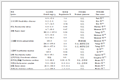
4 细胞焦亡相关的改善糖尿病大血管并发症的药物 4.1 NLRP3抑制剂NLRP3炎性小体是细胞焦亡的关键上游通路, NLRP3抑制剂通过减轻焦亡为NLRP3驱动性疾病的治疗提供潜在方法(表 1)[59-75]。CY-09化合物直接与NLRP3结合, 抑制其组装和激活, 显著降低了高脂喂养的野生型小鼠空腹血糖水平和小鼠血清、肝脏和脂肪组织中NLRP3依赖性IL-1β的产生, 增强了胰岛素敏感性, 调节了T2DM小鼠体内代谢紊乱[59]。OLT1177在体外特异性抑制典型和非典型NLRP3炎症体的寡聚化和激活, 在体内减轻了LPS诱导的全身炎症[60]。MCC950通过抑制NLRP3激活有效抑制炎症因子IL-18和IL-1β的释放, 不仅可减少心脏炎症细胞的浸润和心肌纤维化形成, 改善心肌重塑[61]; 还能增加糖尿病大鼠脑卒中后的存活率、认知功能和神经血管重构[62]。钠-葡萄糖共转运蛋白2 (sodium-glucose cotransporter 2, SGLT2) 抑制剂和二肽基肽酶-4 (dipeptidyl peptidase-4, DPP-4) 抑制剂用于临床治疗T2DM, 达格列净(一种SGLT2抑制剂) 通过抑制NLRP3/ASC途径, 减轻心脏炎症, 保护心脏功能, 加用沙格列汀(一种DPP-4抑制剂) 可显著增强心肌抗重塑作用[63], 延缓糖尿病心肌病的进展。综上, 抑制NLRP3炎症小体的激活, 可减轻全身炎症和胰岛素抵抗, 为T2DM大血管并发症提供潜在治疗手段。
|
Table 1 The mechanism and effect of pyroptosis associated protein inhibitors. VSMC: Vascular smooth muscle cells; hsCRP: Hypersensitive C reactive protein; IL-18BP: IL-18 binding protein; p30-GSDMD: GSDMD N-terminal |
Caspase-1是经典的细胞焦亡途径的重要介质, 参与体内多种炎症性疾病的发展。Caspase-1特异性抑制剂VX-765减少了ox-LDL介导的VSMCs的焦亡, 减轻了ApoE缺陷小鼠动脉粥样硬化[65], 并通过激活PI3K/Akt途径保护急性缺血再灌注性离体大鼠心脏功能, 减少心肌梗死发生率[64]。Boc-D-CMK抑制caspase-1活性, 减少线粒体功能障碍, 抑制下游促炎细胞因子的产生而减少海马神经元炎症[67]。VX-765、Ac-YVAD-CMK均可抑制缺血再灌注损伤后的神经细胞焦亡, 缩小梗死体积, 改善认知障碍。Ac-YVAD-CMK已经应用于脑损伤疾病, 通过减少细胞焦亡和AIM2-caspase-1阳性神经细胞的数量有效维持神经元的活性[66, 68]。因此, 抑制caspase-1激活, 减少体内经典细胞焦亡和相关炎症因子的释放, 改善T2DM患者血管功能。
4.3 GSDMD抑制剂GSDMD作为细胞焦亡的执行蛋白被认为是治疗慢性炎症性疾病的强有力靶点。Aβ增加大鼠海马体神经元细胞中GSDMD-N的形成[76]; 尿酸钠晶体能迅速激活小鼠巨噬细胞中的GSDMD[77], 被切割的GSDMD-N与细胞膜结合, 形成空隙, 诱导细胞焦亡。Necrosulfonamide (NSA) 直接结合GSDMD并抑制GSDMD-N寡聚化, 降低细胞膜孔的开放程度和下游炎症因子的释放[69], 但不影响上游NLRP3和caspase-1的表达以及GSDMD蛋白的切割。Bay11-7082之前被认定为是一种NF-κB抑制剂, 其可直接导致GSDMD的半胱氨酸191/192残基的共价修饰, 干扰GSDMD孔的形成和IL-1β的分泌而有效抑制细胞焦亡[66], 减少神经炎症和氧化应激, 改善糖尿病大鼠神经功能障碍[70]。LDC7559是从寻找人中性粒细胞特殊死亡形式抑制剂中筛选出的一种小分子化合物, 其阻断GSDMD-N的毒性[71], 减轻炎症反应。因此, GSDMD抑制剂通过减轻细胞质膜的破裂, 维持细胞形态, 减少细胞焦亡, 延缓T2DM合并大血管并发症的发展。但GSDMD抑制剂的研究仍处于起始阶段, 药物进入临床使用仍需一段时间。
4.4 IL-1抑制剂IL-1家族是一组细胞因子, IL-1β和IL-18是细胞焦亡下游途径激活和释放的炎性因子, 加重内皮功能障碍和动脉粥样硬化形成, 使T2DM患者心血管疾病发生率增加。IL-1β拮抗剂canakinumab治疗T2DM患者的Ⅱ期临床试验数据显示, 全身炎症状态的两个显著指标(IL-6和C反应蛋白) 水平呈剂量依赖性显著降低[72], 其抗炎作用对动脉粥样硬化治疗可能有益处。Anakinra可阻断IL-1α和IL-1β的活性, 腹腔内给药可以部分恢复糖尿病诱导的内皮功能障碍。此外, 对T2DM患者使用anakinra的临床试验结果显示, 患者胰岛素原/胰岛素比率降低, β细胞功能持续改善[73]。在患有心肌梗死诱发的慢性心力衰竭的糖尿病大鼠模型中, 应用gevokizumab拮抗IL-1β会改善大鼠心室重构、血流动力学和冠状动脉功能[74]。IL-18是强促炎因子, IL-18结合蛋白(IL-18 binding protein, IL-18BP) 是IL-18的一种高亲和力受体, 应用IL-18BP治疗核效应蛋白4 (nuclear effector protein 4, NLRC4) 相关的巨噬细胞活化综合征已进入临床试验[75]。因此, 抑制IL-1β和IL-18有望成为治疗炎症性疾病的新靶点。
5 小结T2DM通过涉及高血糖和胰岛素抵抗的复杂分子途径使患者易患大血管并发症。炎性小体激活诱导细胞焦亡释放炎症细胞因子IL-18和IL-1β参与糖尿病大血管病变发展过程。抑制炎性小体的激活或细胞焦亡下游相关蛋白的活性, 改善血管功能, 进而缓解糖尿病大血管并发症的进展。目前, 与细胞焦亡有关的抑制剂不断被发现并正在进行临床试验, 改善T2DM患者心、脑和外周动脉功能。因此, 抑制细胞焦亡有望成为治疗T2DM合并大血管病变的潜在手段。
作者贡献: 马延洁负责整体写作; 徐明教授负责修改。
利益冲突: 所有作者均声明不存在利益冲突。
| [1] |
Cole JB, Florez JC. Genetics of diabetes mellitus and diabetes complications[J]. Nat Rev Nephrol, 2020, 16: 377-390. DOI:10.1038/s41581-020-0278-5 |
| [2] |
Chatterjee S, Khunti K, Davies MJ. Type 2 diabetes[J]. Lancet, 2017, 389: 2239-2251. DOI:10.1016/S0140-6736(17)30058-2 |
| [3] |
Zhao DK, Hu DY. Research progress in multi-omics of diabetic macroangiopathy[J]. Med Recapit (医学综述), 2021, 27: 146-152. |
| [4] |
Poznyak A, Grechko AV, Poggio P, et al. The diabetes mellitus-atherosclerosis connection: the role of lipid and glucose metabolism and chronic inflammation[J]. Int J Mol Sci, 2020, 21: 1835. DOI:10.3390/ijms21051835 |
| [5] |
Huang D, Refaat M, Mohammedi K, et al. Macrovascular complications in patients with diabetes and prediabetes[J]. Biomed Res Int, 2017, 2017: 7839101. |
| [6] |
Shi J, Gao W, Shao F. Pyroptosis: gasdermin-mediated programmed necrotic cell death[J]. Trends Biochem Sci, 2017, 42: 245-254. DOI:10.1016/j.tibs.2016.10.004 |
| [7] |
Man SM, Karki R, Kanneganti TD. Molecular mechanisms and functions of pyroptosis, inflammatory caspases and inflammasomes in infectious diseases[J]. Immunol Rev, 2017, 277: 61-75. DOI:10.1111/imr.12534 |
| [8] |
Faustin B, Lartigue L, Bruey JM, et al. Reconstituted NALP1 inflammasome reveals two-step mechanism of caspase-1 activation[J]. Mol Cell, 2007, 25: 713-724. DOI:10.1016/j.molcel.2007.01.032 |
| [9] |
Man SM, Kanneganti TD. Regulation of inflammasome activation[J]. Immunol Rev, 2015, 265: 6-21. DOI:10.1111/imr.12296 |
| [10] |
Boucher D, Monteleone M, Coll RC, et al. Caspase-1 self-cleavage is an intrinsic mechanism to terminate inflammasome activity[J]. J Exp Med, 2018, 215: 827-840. DOI:10.1084/jem.20172222 |
| [11] |
Swanson KV, Deng M, Ting JP. The NLRP3 inflammasome: molecular activation and regulation to therapeutics[J]. Nat Rev Immunol, 2019, 19: 477-489. DOI:10.1038/s41577-019-0165-0 |
| [12] |
Kovacs SB, Miao EA. Gasdermins: effectors of pyroptosis[J]. Trends Cell Biol, 2017, 27: 673-684. DOI:10.1016/j.tcb.2017.05.005 |
| [13] |
Mulay SR. Multifactorial functions of the inflammasome component NLRP3 in pathogenesis of chronic kidney diseases[J]. Kidney Int, 2019, 96: 58-66. DOI:10.1016/j.kint.2019.01.014 |
| [14] |
Sharma BR, Karki R, Kanneganti TD. Role of AIM2 inflammasome in inflammatory diseases, cancer and infection[J]. Eur J Immunol, 2019, 49: 1998-2011. DOI:10.1002/eji.201848070 |
| [15] |
Lukens JR, Gross JM, Kanneganti TD. IL-1 family cytokines trigger sterile inflammatory disease[J]. Front Immunol, 2012, 3: 315. |
| [16] |
Pedersen BK. Anti-inflammatory effects of exercise: role in diabetes and cardiovascular disease[J]. Eur J Clin Invest, 2017, 47: 600-611. DOI:10.1111/eci.12781 |
| [17] |
Jo EK, Kim JK, Shin DM, et al. Molecular mechanisms regulating NLRP3 inflammasome activation[J]. Cell Mol Immunol, 2016, 13: 148-159. DOI:10.1038/cmi.2015.95 |
| [18] |
Nathan K, Devon J, Yanhui D, et al. The NLRP3 inflammasome: an overview of mechanisms of activation and regulation[J]. Int J Mol Sci, 2019, 20: 3328. DOI:10.3390/ijms20133328 |
| [19] |
Yi YS. Caspase-11 non-canonical inflammasome: a critical sensor of intracellular lipopolysaccharide in macrophage-mediated inflammatory responses[J]. Immunology, 2017, 152: 207-217. DOI:10.1111/imm.12787 |
| [20] |
Zeng C, Wang R, Tan H. Role of pyroptosis in cardiovascular diseases and its therapeutic implications[J]. Int J Biol Sci, 2019, 15: 1345-1357. DOI:10.7150/ijbs.33568 |
| [21] |
Yang D, He Y, Munoz-Planillo R, et al. Caspase-11 requires the pannexin-1 channel and the purinergic p2x7 pore to mediate pyroptosis and endotoxic shock[J]. Immunity, 2015, 43: 923-932. DOI:10.1016/j.immuni.2015.10.009 |
| [22] |
Roshanravan N, Alamdari NM, Jafarabadi MA, et al. Effects of oral butyrate and inulin supplementation on inflammation-induced pyroptosis pathway in type 2 diabetes: a randomized, double-blind, placebo-controlled trial[J]. Cytokine, 2020, 131: 155101. DOI:10.1016/j.cyto.2020.155101 |
| [23] |
Mamun AA, Wu Y, Nasrin F, et al. Role of pyroptosis in diabetes and its therapeutic implications[J]. J Inflamm Res, 2021, 14: 2187-2206. DOI:10.2147/JIR.S291453 |
| [24] |
Campos C. Chronic hyperglycemia and glucose toxicity: pathology and clinical sequelae[J]. Postgrad Med, 2012, 124: 90-97. DOI:10.3810/pgm.2012.11.2615 |
| [25] |
Giacco F, Brownlee M. Oxidative stress and diabetic complications[J]. Circ Res, 2010, 107: 1058-1070. DOI:10.1161/CIRCRESAHA.110.223545 |
| [26] |
Cheng YC, Chu LW, Chen JY, et al. Loganin attenuates high glucose-induced schwann cells pyroptosis by inhibiting ROS generation and NLRP3 inflammasome activation[J]. Cells, 2020, 9: 1948. DOI:10.3390/cells9091948 |
| [27] |
Chen Y, Wang L, Pitzer AL, et al. Contribution of redox-dependent activation of endothelial NLRP3 inflammasomes to hypergly-cemia-induced endothelial dysfunction[J]. J Mol Med, 2016, 94: 1335-1347. DOI:10.1007/s00109-016-1481-5 |
| [28] |
Rojas J, Bermudez V, Palmar J, et al. Pancreatic beta cell death: novel potential mechanisms in diabetes therapy[J]. J Diabetes Res, 2018, 2018: 9601801. |
| [29] |
Wang Q, Wei S, Zhou S, et al. Hyperglycemia aggravates acute liver injury by promoting liver-resident macrophage NLRP3 inflammasome activation via the inhibition of AMPK/mTOR-mediated autophagy induction[J]. Immunol Cell Biol, 2020, 98: 54-66. DOI:10.1111/imcb.12297 |
| [30] |
Du W, Wang N, Li F, et al. STAT3 phosphorylation mediates high glucose-impaired cell autophagy in an HDAC1-dependent and -independent manner in schwann cells of diabetic peripheral neuropathy[J]. FASEB J, 2019, 33: 8008-8021. DOI:10.1096/fj.201900127R |
| [31] |
Harris J, Lang T, Thomas JPW, et al. Autophagy and inflammasomes[J]. Mol Immunol, 2017, 86: 10-15. DOI:10.1016/j.molimm.2017.02.013 |
| [32] |
Jiang C, Jiang L, Li Q, et al. Acrolein induces NLRP3 inflammasome-mediated pyroptosis and suppresses migration via ROS-dependent autophagy in vascular endothelial cells[J]. Toxicology, 2018, 410: 26-40. DOI:10.1016/j.tox.2018.09.002 |
| [33] |
Abdul-Ghani MA, DeFronzo RA. Pathogenesis of insulin resistance in skeletal muscle[J]. J Biomed Biotechnol, 2010, 2010: 476279. |
| [34] |
Lin Y, Hu Y, Hu X, et al. Ginsenoside RB2 improves insulin resistance by inhibiting adipocyte pyroptosis[J]. Adipocyte, 2020, 9: 302-312. DOI:10.1080/21623945.2020.1778826 |
| [35] |
Giordano A, Murano I, Mondini E, et al. Obese adipocytes show ultrastructural features of stressed cells and die of pyroptosis[J]. J Lipid Res, 2013, 54: 2423-2436. DOI:10.1194/jlr.M038638 |
| [36] |
Hersoug LG, Moller P, Loft S. Role of microbiota-derived lipopolysaccharide in adipose tissue inflammation, adipocyte size and pyroptosis during obesity[J]. Nutr Res Rev, 2018, 31: 153-163. DOI:10.1017/S0954422417000269 |
| [37] |
Engin A. Fat cell and fatty acid turnover in obesity[J]. Adv Exp Med Biol, 2017, 960: 135-160. |
| [38] |
Koenen TB, Stienstra R, van Tits LJ, et al. The inflammasome and caspase-1 activation: a new mechanism underlying increased inflammatory activity in human visceral adipose tissue[J]. Endocrinology, 2011, 152: 3769-3778. DOI:10.1210/en.2010-1480 |
| [39] |
Wen H, Gris D, Lei Y, et al. Fatty acid-induced NLRP3-ASC inflammasome activation interferes with insulin signaling[J]. Nat Immunol, 2011, 12: 408-415. DOI:10.1038/ni.2022 |
| [40] |
Ferrannini G, Manca ML, Magnoni M, et al. Coronary artery disease and type 2 diabetes: a proteomic study[J]. Diabetes Care, 2020, 43: 843-851. DOI:10.2337/dc19-1902 |
| [41] |
Naito R, Kasai T. Coronary artery disease in type 2 diabetes mellitus: recent treatment strategies and future perspectives[J]. World J Cardiol, 2015, 7: 119-124. DOI:10.4330/wjc.v7.i3.119 |
| [42] |
Wang X, Li X, Wu Y, et al. Upregulation of miR-223 abrogates NLRP3 inflammasome-mediated pyroptosis to attenuate oxidized low-density lipoprotein (ox-LDL)-induced cell death in human vascular endothelial cells (ECS)[J]. In Vitro Cell Dev Biol Anim, 2020, 56: 670-679. |
| [43] |
Yin Y, Li X, Sha X, et al. Early hyperlipidemia promotes endothelial activation via a caspase-1-sirtuin 1 pathway[J]. Arterioscler Thromb Vasc Biol, 2015, 35: 804-816. DOI:10.1161/ATVBAHA.115.305282 |
| [44] |
Oh S, Son M, Park CH, et al. The reducing effects of pyrogallol-phloroglucinol-6, 6-bieckol on high-fat diet-induced pyroptosis in endothelial and vascular smooth muscle cells of mice aortas[J]. Mar Drugs, 2020, 18: 648. DOI:10.3390/md18120648 |
| [45] |
Guo M, Yan R, Yao H, et al. IFN regulatory factor 1 mediates macrophage pyroptosis induced by oxidized low-density lipoprotein in patients with acute coronary syndrome[J]. Mediators Inflamm, 2019, 2019: 2917128. |
| [46] |
Kar S, Shahshahan HR, Hackfort BT, et al. Exercise training promotes cardiac hydrogen sulfide biosynthesis and mitigates pyroptosis to prevent high-fat diet-induced diabetic cardiomyopathy[J]. Antioxidants (Basel), 2019, 8: 638. DOI:10.3390/antiox8120638 |
| [47] |
Akerblom A, James SK, Lakic TG, et al. Interleukin-18 in patients with acute coronary syndromes[J]. Clin Cardiol, 2019, 42: 1202-1209. DOI:10.1002/clc.23274 |
| [48] |
van Sloten TT, Sedaghat S, Carnethon MR, et al. Cerebral microvascular complications of type 2 diabetes: stroke, cognitive dysfunction, and depression[J]. Lancet Diabetes Endocrinol, 2020, 8: 325-336. DOI:10.1016/S2213-8587(19)30405-X |
| [49] |
Lau LH, Lew J, Borschmann K, et al. Prevalence of diabetes and its effects on stroke outcomes: a meta-analysis and literature review[J]. J Diabetes Investig, 2019, 10: 780-792. DOI:10.1111/jdi.12932 |
| [50] |
Zhang DP, Qian JH, Zhang P, et al. Gasdermin D serves as a key executioner of pyroptosis in experimental cerebral ischemia and reperfusion model both in vivo and in vitro[J]. J Neurosci Res, 2019, 97: 645-660. DOI:10.1002/jnr.24385 |
| [51] |
Jiang Q, Geng X, Warren J, et al. Hypoxia inducible factor-1alpha (HIF-1alpha) mediates NLRP3 inflammasome-dependent-pyroptotic and apoptotic cell death following ischemic stroke[J]. Neuroscience, 2020, 448: 126-139. DOI:10.1016/j.neuroscience.2020.09.036 |
| [52] |
Kim H, Seo JS, Lee SY, et al. AIM2 inflammasome contributes to brain injury and chronic post-stroke cognitive impairment in mice[J]. Brain Behav Immun, 2020, 87: 765-776. DOI:10.1016/j.bbi.2020.03.011 |
| [53] |
Poh L, Fann DY, Wong PY, et al. AIM2 inflammasome mediates hallmark neuropathological alterations and cognitive impairment in a mouse model of vascular dementia[J]. Mol Psychiatr, 2020. DOI:10.1038/s41380-020-00971-5 |
| [54] |
Tian DD, Wang M, Liu A, et al. Antidepressant effect of paeoniflorin is through inhibiting pyroptosis CASP-11/GSDMD pathway[J]. Mol Neurobiol, 2021, 58: 761-776. DOI:10.1007/s12035-020-02144-5 |
| [55] |
Morley RL, Sharma A, Horsch AD, et al. Peripheral artery disease[J]. BMJ, 2018, 360: j5842. |
| [56] |
Yang SL, Zhu LY, Han R, et al. Pathophysiology of peripheral arterial disease in diabetes mellitus[J]. J Diabetes, 2017, 9: 133-140. DOI:10.1111/1753-0407.12474 |
| [57] |
Beckman JA, Creager MA. Vascular complications of diabetes[J]. Circ Res, 2016, 118: 1771-1785. DOI:10.1161/CIRCRESAHA.115.306884 |
| [58] |
Fowkes FG, Aboyans V, Fowkes FJ, et al. Peripheral artery disease: epidemiology and global perspectives[J]. Nat Rev Cardiol, 2017, 14: 156-170. DOI:10.1038/nrcardio.2016.179 |
| [59] |
Jiang H, He H, Chen Y, et al. Identification of a selective and direct NLRP3 inhibitor to treat inflammatory disorders[J]. J Exp Med, 2017, 214: 3219-3238. DOI:10.1084/jem.20171419 |
| [60] |
Yang Y, Wang H, Kouadir M, et al. Recent advances in the mechanisms of NLRP3 inflammasome activation and its inhibitors[J]. Cell Death Dis, 2019, 10: 128. DOI:10.1038/s41419-019-1413-8 |
| [61] |
Gao R, Shi H, Chang S, et al. The selective NLRP3-inflammasome inhibitor MCC950 reduces myocardial fibrosis and improves cardiac remodeling in a mouse model of myocardial infarction[J]. Int Immunopharmacol, 2019, 74: 105575. DOI:10.1016/j.intimp.2019.04.022 |
| [62] |
Ward R, Li W, Abdul Y, et al. NLRP3 inflammasome inhibition with MCC950 improves diabetes-mediated cognitive impairment and vasoneuronal remodeling after ischemia[J]. Pharmacol Res, 2019, 142: 237-250. DOI:10.1016/j.phrs.2019.01.035 |
| [63] |
Ye Y, Bajaj M, Yang HC, et al. SGLT-2 inhibition with dapagliflozin reduces the activation of the NLRP3/ASC inflammasome and attenuates the development of diabetic cardiomyo-pathy in mice with type 2 diabetes. Further augmentation of the effects with saxagliptin, a DPP4 inhibitor[J]. Cardiovasc Drugs Ther, 2017, 31: 119-132. DOI:10.1007/s10557-017-6725-2 |
| [64] |
Do Carmo H, Arjun S, Petrucci O, et al. The caspase 1 inhibitor VX-765 protects the isolated rat heart via the risk pathway[J]. Cardiovasc Drugs Ther, 2018, 32: 165-168. DOI:10.1007/s10557-018-6781-2 |
| [65] |
Li Y, Niu X, Xu H, et al. VX-765 attenuates atherosclerosis in ApoE deficient mice by modulating VSMCs pyroptosis[J]. Exp Cell Res, 2020, 389: 111847. DOI:10.1016/j.yexcr.2020.111847 |
| [66] |
Ye A, Li W, Zhou L, et al. Targeting pyroptosis to regulate ische-mic stroke injury: molecular mechanisms and preclinical evidences[J]. Brain Res Bull, 2020, 165: 146-160. DOI:10.1016/j.brainresbull.2020.10.009 |
| [67] |
Zhao N, Zhuo X, Lu Y, et al. Intranasal delivery of a caspase-1 inhibitor in the treatment of global cerebral ischemia[J]. Mol Neurobiol, 2017, 54: 4936-4952. DOI:10.1007/s12035-016-0034-9 |
| [68] |
Fu Q, Wu J, Zhou XY, et al. NLRP3/caspase-1 pathway-induced pyroptosis mediated cognitive deficits in a mouse model of sepsis-associated encephalopathy[J]. Inflammation, 2019, 42: 306-318. DOI:10.1007/s10753-018-0894-4 |
| [69] |
Rathkey JK, Zhao J, Liu Z, et al. Chemical disruption of the pyroptotic pore-forming protein gasdermin D inhibits inflammatory cell death and sepsis[J]. Sci Immunol, 2018, 3: eaat2738. DOI:10.1126/sciimmunol.aat2738 |
| [70] |
Kumar A, Negi G, Sharma SS. Suppression of NF-kappaB and NF-kappaB regulated oxidative stress and neuroinflammation by bay 11-7082 (IkappaB phosphorylation inhibitor) in experimental diabetic neuropathy[J]. Biochimie, 2012, 94: 1158-1165. DOI:10.1016/j.biochi.2012.01.023 |
| [71] |
Sollberger G, Choidas A, Burn GL, et al. Gasdermin D plays a vital role in the generation of neutrophil extracellular traps[J]. Sci Immunol, 2018, 3: eaar6689. DOI:10.1126/sciimmunol.aar6689 |
| [72] |
Pfeiler S, Winkels H, Kelm M, et al. IL-1 family cytokines in cardiovascular disease[J]. Cytokine, 2019, 122: 154215. DOI:10.1016/j.cyto.2017.11.009 |
| [73] |
Peiro C, Lorenzo O, Carraro R, et al. IL-1beta inhibition in cardiovascular complications associated to diabetes mellitus[J]. Front Pharmacol, 2017, 8: 363. DOI:10.3389/fphar.2017.00363 |
| [74] |
Harouki N, Nicol L, Remy-Jouet I, et al. The IL-1beta antibody gevokizumab limits cardiac remodeling and coronary dysfunction in rats with heart failure[J]. JACC Basic Transl Sci, 2017, 2: 418-430. DOI:10.1016/j.jacbts.2017.06.005 |
| [75] |
Yasuda K, Nakanishi K, Tsutsui H. Interleukin-18 in health and disease[J]. Int J Mol Sci, 2019, 20: 649. DOI:10.3390/ijms20030649 |
| [76] |
Zhao N, Sun C, Zheng M, et al. Amentoflavone suppresses amyloid beta1-42 neurotoxicity in Alzheimer's disease through the inhibition of pyroptosis[J]. Life Sci, 2019, 239: 117043. DOI:10.1016/j.lfs.2019.117043 |
| [77] |
Rashidi M, Simpson DS, Hempel A, et al. The pyroptotic cell death effector gasdermin D is activated by gout-associated uric acid crystals but is dispensable for cell death and IL-1beta release[J]. J Immunol, 2019, 203: 736-748. DOI:10.4049/jimmunol.1900228 |